REVIEW · HOBART
4 Day Wild Tasmania Tour / Wildlife, Nature, Hiking / Inc. Accom
Book on Viator →Operated by Wild Tasmania Tours · Bookable on Viator
Tasmania in four days, minus the big-tour grind. You’ll get up to 13 people in the group, and the route is built around wildlife-first stops like wombats, echidna, quoll, and wallabies. One trade-off: the day starts early (7:00 am), and you’ll be doing long drives between the best nature hits.
What makes this tour feel good is the way guides run it. I like that Tim or Trent keeps things calm and organized, answers a huge range of questions, and gives you real choices on hike effort—so you’re not stuck doing one pace for four days.
In This Review
- Key highlights (the stuff you’ll feel most)
- Why this 4-day Tasmania loop works for wildlife and hikers
- Small-group roads: what your days feel like on the way to the wild west
- Day 1: Russell Falls, Franklin River under Nelson Falls, then Queenstown and Tullah
- Day 2: Cradle Mountain wombat time plus a bush-cabin evening
- Day 3: Bay of Fires orange lichen beaches and the Tasmanian Devil feeding stop
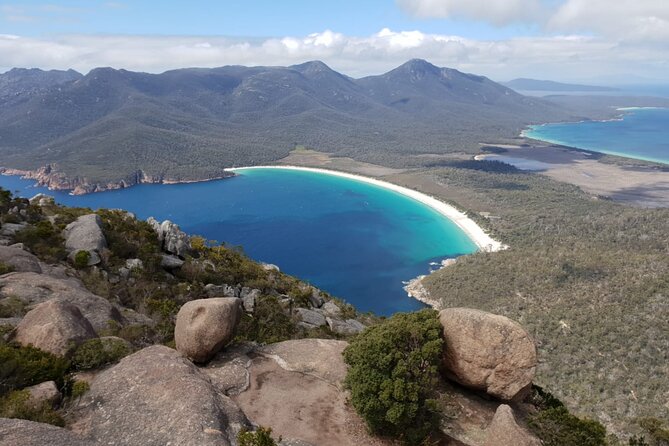
- Day 4: Wineglass Bay Lookout, Hazards Circuit, or Mount Amos
- Accommodation choices: lakeside lodge, bush cabin, and a Bicheno base
- What wildlife spotting is really like on this route
- Hiking effort: how the tour handles different fitness levels
- Price and value: what you’re actually paying for at $713.66
- Who should book this tour
- Should you book this tour? My honest take
- FAQ
- What time does the tour start in Hobart?
- How big is the group?
- Do I get pickup and drop-off in Hobart?
- What’s included in the price?
- Are meals included on all days?
- What wildlife might I see?
- What cancellation window gives a full refund?
Key highlights (the stuff you’ll feel most)
- Small group size (max 13) keeps the wildlife spotting and hiking more personal.
- Only 4-day Tasmania lap return from Hobart on this format, focused on nature and wildlife.
- Cradle Mountain with shuttle support means more time walking and less time figuring logistics.
- Tasmanian Devil feeding experience adds a rare, structured wildlife moment.
- Bay of Fires beaches bring that orange lichen + granite boulder look Tasmania is famous for.
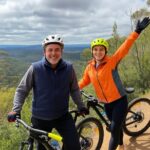
- Flexible Wineglass Bay hiking options let you match your energy level.
Why this 4-day Tasmania loop works for wildlife and hikers
If you want Tasmania’s wilderness without spending a week moving house every day, this is a smart length. You get a mix of rainforests, waterfalls, alpine-style scenery, and coastal beaches—packed into four days, but not built like a frantic checklist.
What I like most is the focus. This tour doesn’t treat wildlife as a side quest. It times the day for classic habitats and then gives you guided walks where animals are most likely to show up.
The other big plus is the hike structure. You’re not just dropped at a spot and told to fend for yourself. Your guide builds in options so first-timers and stronger walkers can both feel included.
You can also read our reviews of more tours and experiences in Hobart.

Small-group roads: what your days feel like on the way to the wild west
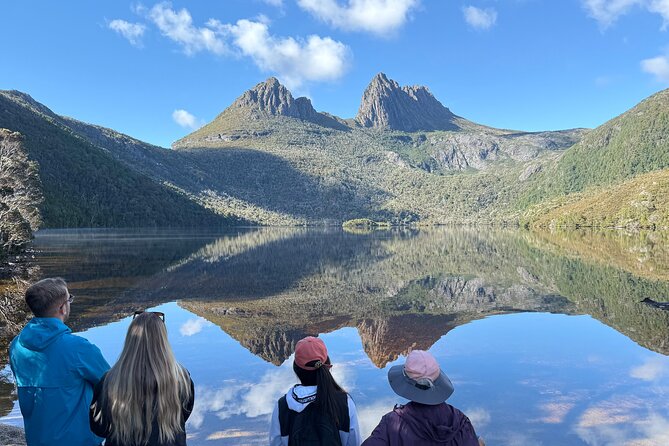
This is a small-group tour (max 13), and that matters more than you’d think in Tasmania. You’ll feel it when stops are quick but not rushed, when you can hear instructions, and when people can actually ask questions without the usual crowd chaos.
Transport is included with Hobart pickup and drop-off, plus you get a mobile ticket. Practically, it means less time juggling details and more time watching the scenery pass by—especially as you leave the city and head toward more remote areas.
Plan for long driving stretches between major sights. That’s normal on a lap loop, and it’s part of what makes the next day’s nature feel so far from everyday life.
Day 1: Russell Falls, Franklin River under Nelson Falls, then Queenstown and Tullah
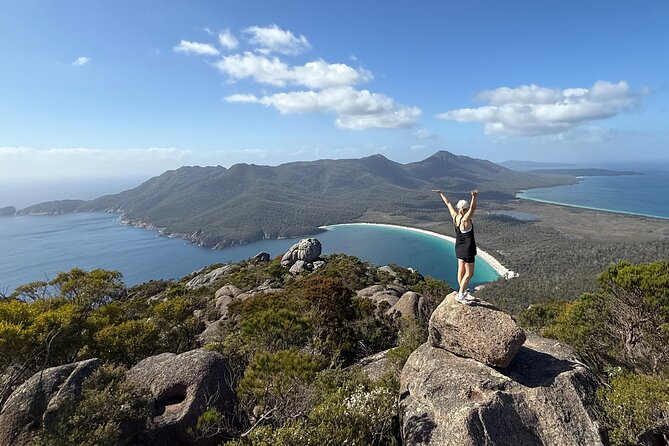
Day 1 is about setting the tone: waterfall country, wild river scenery, then a historic mining stop before you settle in for the night.
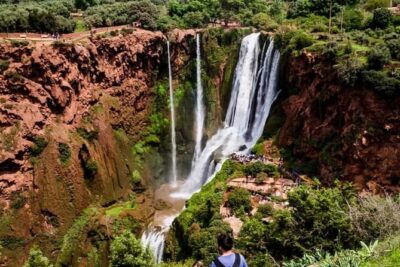
You start with Russell Falls in Mount Field National Park. It’s a classic start because it’s early, scenic, and not too demanding on your first day. The walk is timed so you can enjoy the views without feeling like you’ve already done your toughest hike of the trip.
From there, you drive through the Tasmania Wilderness World Heritage Area and stop in Franklin Gordon Wild Rivers National Park. The feel here is different—more river walk, more big quiet nature, and a stop near Nelson Falls. This is the kind of place where you might catch wildlife if you stay alert and slow down your pace for photo stops.
Then comes Queenstown, Tasmania’s eerie mining town. You’ll get time to wander around the older buildings and the mining-era vibe—plus the option to grab something easy if you want. After that, you reach Tullah, where you have free time to explore Lake Rosebery’s township area before overnighting in the region.
Possible drawback: Day 1 is a lot of moving. If you’re the type who needs a very slow first day, you may want to treat this as a “warm-up day” and save your heavier energy for Cradle and the coast.
Day 2: Cradle Mountain wombat time plus a bush-cabin evening
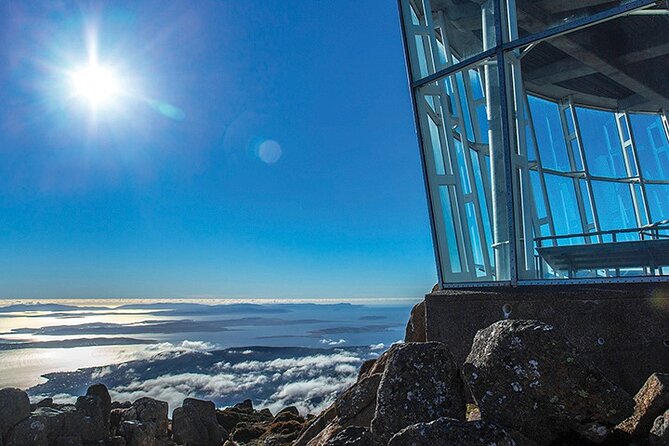
Cradle Mountain is the headline. From Tullah, you drive through temperate rainforest, which sets you up for that cooler, wilder feel you get in central Tasmania. Then you arrive in Cradle Mountain National Park and get a chance at wild wombats before walking.
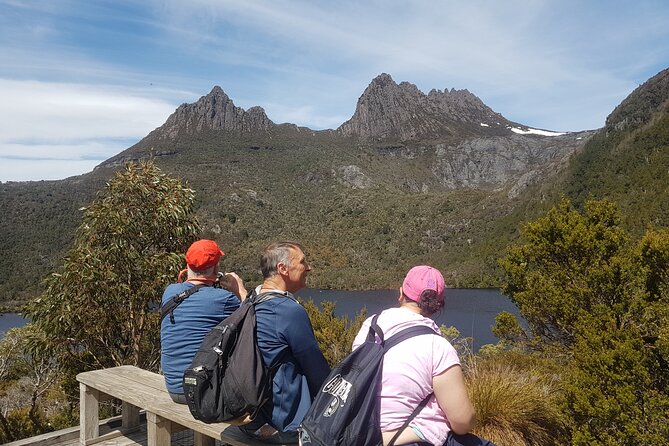
You’ll do the popular Dove Lake area walk (your guide will manage timing and keep the group together). This is one of those hikes where you don’t have to be a trail athlete to enjoy it, but you do need steady footwear and a willingness to stand around for wildlife spotting. The scenery changes enough to keep your attention, and the wildlife potential makes every pause feel worth it.
After the hike, you head toward your more secluded accommodation. Campbell Town is the overnight theme here: a bush-cabin style stay surrounded by wildlife. The tour includes time around a campfire and BBQ, which is a big part of why this day feels more social than you might expect for remote Tasmania.
If you’re traveling with a camera, Day 2 is where you’ll likely feel the “Tasmania mode” switch—foggy forest mood, animal-sensing walks, and a real sense that you left the highway world behind.
Day 3: Bay of Fires orange lichen beaches and the Tasmanian Devil feeding stop
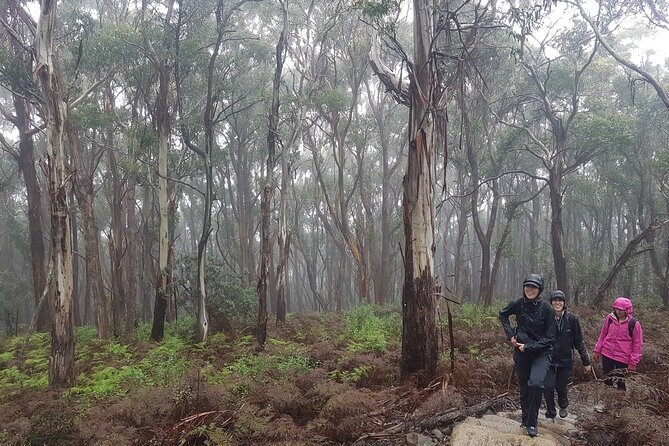
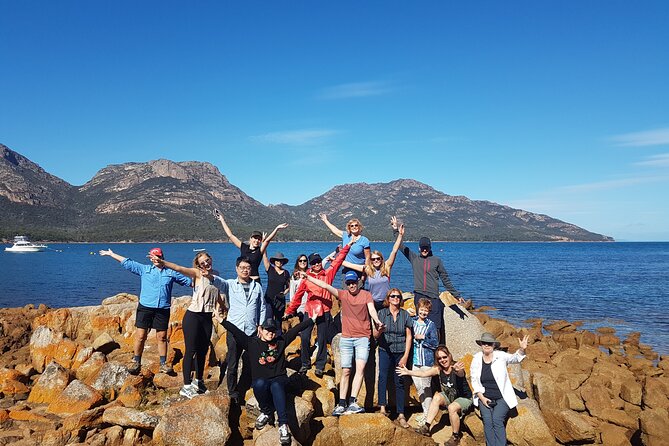
Day 3 is pure coast. You start at the Bay of Fires Conservation Area, known for its beaches and those striking orange lichen-covered granite boulders. This is the day where you should give yourself permission to slow down. Walk the sand, rock hop where it’s safe and guided, and take a long look at the coastline shapes.
The time here is long enough to enjoy the visual wow, but short enough to keep you from feeling drained before the evening wildlife moment.
That evening wildlife stop is the Tasmanian Devil feeding experience at a wildlife sanctuary near Bicheno. This part is structured, and it’s one of the more memorable “okay, that’s real” animal experiences on the itinerary.
Then you finish the day in Bicheno (often described like Tasmania’s Byron Bay). You arrive early, so you get some time to explore the beach area and settle in before the next day’s big coastal hike.
Practical note: Coastal days can be breezy. Bring layers even when the sun is out—Tasmania weather has opinions.
Day 4: Wineglass Bay Lookout, Hazards Circuit, or Mount Amos
Freycinet National Park is where Tasmania turns postcard-perfect. You drive from Bicheno to Wineglass Bay and then choose how you want to hike.
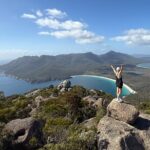
You can go for Wineglass Bay Lookout and Beach if you want a classic, scenic route. Or you can take on Hazards Circuit for a bigger commitment. The Mount Amos option gives you another way to experience the alpine-to-coast feel.
What I like about having choices here is simple: different legs, different days. If your knee is grumpy from Day 2, you can pick the less intense route and still get the views. If you’re feeling strong, the other hikes let you keep the momentum.
This is also the day where the long photo moments pay off. Wineglass Bay has a way of making people forget what time it is. Your guide’s job is to make sure you get the viewpoint you want without falling behind the group.
Accommodation choices: lakeside lodge, bush cabin, and a Bicheno base
This tour is clear about what it avoids: no hostels. You stay in comfortable accommodation across three nights, with different settings that match the nature you’re seeing.
Overnight stops include:
- A lakeside lodge on the wild west coast area (you get that water-adjacent calm).
- A bush cabin in central Tasmania, described as surrounded by wildlife (so you’re not just visiting nature—you’re sleeping inside the vibe).
- Lodging in Bicheno (a coastal base that makes the Wineglass Bay day feel easier to access).
One of the best value signals here is that lodging is included. Many short Tasmania tours look cheap until you add accommodation. Here, you know where the budget goes.
In practical terms, this style of lodging helps you recharge between hikes. Even if you’re not staying in a luxury resort, the locations are chosen so the trip feels like it’s actually in Tasmania—not just passing through.
What wildlife spotting is really like on this route
Wildlife is the draw, but it’s not magic. I treat wildlife spotting like this: you increase your odds by being patient, moving slowly in the right places, and staying quiet when you spot movement.
The tour is built around that. It includes time in wildlife-friendly areas, plus the itinerary repeatedly gets you into habitats where animals like wombats, echidna, quoll, and wallabies are plausible. Depending on conditions and luck, you may also connect with other species that Tasmania is known for.
Two things I find especially important for success:
- Use your time during guided stops for scanning, not just photographing.
- Keep your expectations flexible. If you don’t see something on one walk, you may catch it later because the days are structured for repeated opportunities.
And the Tasmanian Devil feeding experience on Day 3 is a different category—less about luck, more about timing. It’s a great way to balance the unpredictable side of wildlife with one very real, scheduled moment.
Hiking effort: how the tour handles different fitness levels
This tour says it’s for travelers with moderate physical fitness. That usually means: you should be comfortable walking on uneven ground, able to hike for a few hours, and ready for early starts.
What I like is that your guide can adapt the plan when people have different needs. The tour isn’t “one hike for everyone at the same speed.” Instead, you get options on tougher days, like Wineglass Bay, and your guide manages pace so the group stays together.
If you’re someone who wants to enjoy the walk without sprinting every viewpoint, you’ll probably love this format. If you’re a serious hiker looking for constant elevation and distance every day, you may want to pair this with a separate longer hiking trip in Tasmania—but as a four-day wildlife + highlights package, it hits a good middle.
Price and value: what you’re actually paying for at $713.66
$713.66 is not a budget impulse buy, but it also isn’t just “a seat on a bus.” This price includes a lot of the heavy costs that add up in Tasmania:
- National park tickets
- Cradle Mountain shuttle bus ticket
- Wildlife sanctuary entry for the Devil feeding experience
- Guided transport with Hobart pickup and drop-off
- Accommodation across the nights
- 1 dinner and 1 breakfast
Most breakfasts, lunch, and dinners aren’t included, so you’ll still budget for meals. But because accommodation and park entries are built in, the tour stays easier to cost-control than DIY travel.
The other value driver is group size. Paying for a small group (max 13) isn’t just about comfort. It’s about how your guide can manage wildlife stops, make quick adjustments, and offer hike choices without turning the experience into a scramble.
So if you like guided structure, wildlife-focused timing, and you want lodging and park access bundled together, this price starts to make sense fast.
Who should book this tour
I think this works best for you if you:
- Want wildlife and nature as the main event
- Like guided hikes with options, not rigid one-pace plans
- Prefer comfortable accommodation over hostels
- Are okay with early starts and long scenic drives between major sights
- Want a short Tasmania “loop” without planning every detail yourself
It’s also a strong choice if you’re traveling solo. Small groups are easier to gel in, and the shared pace of hikes and meals helps people connect without awkward forced social time.
Should you book this tour? My honest take
Book it if you want a well-run nature circuit that gives you multiple wildlife chances plus real iconic scenery—Cradle Mountain, Bay of Fires, and Wineglass Bay—all in four days. You’ll get that rare balance of structured guidance and enough flexibility to match your comfort level.
Skip it only if you hate early mornings, dislike long driving days, or want fully independent hiking with zero group scheduling. This tour trades a little freedom for expertise, access, and the small-group feel.
If you’re the type who loves being outside, looking for animals, and taking your time when the scenery is good, you’ll likely feel like the days add up to something memorable.
FAQ
What time does the tour start in Hobart?
The tour start time is 7:00 am.
How big is the group?
The maximum group size is 13 travelers.
Do I get pickup and drop-off in Hobart?
Yes. Hobart to Hobart pickup and drop-off is included.
What’s included in the price?
National park tickets, the Cradle Mountain shuttle bus ticket, wildlife sanctuary entry, tour guide and transport, accommodation, and 1 dinner and 1 breakfast are included.
Are meals included on all days?
Only 1 dinner and 1 breakfast are included. Most other breakfasts, lunches, and dinners are not included.
What wildlife might I see?
The tour focuses on wildlife and nature and frequently sees little penguins, platypus, wombats, echidna, quoll, and wallabies in the wild.
What cancellation window gives a full refund?
You can cancel up to 6 days in advance for a full refund. If you cancel 2–6 full days before the start time, you get a 50% refund; less than 2 days before is not refunded.