REVIEW · RISHIKESH
Benog Tibba Day Hike – Mussoorie
Book on Viator →Operated by Easy Prime Holidays · Bookable on Viator
Benog Tibba is a forest hike with big views. This day trek through the Benog Sanctuary blends shaded trail walking with open-valley moments, and it’s timed for a relaxed half-day. You’ll get a professional guide, plus bottled water and snacks as you work your way toward the highest point. The trade-off: the route can run longer than you expect, especially if your group takes the 15 km point-to-point option.
What I like most is the balance. You start in tree cover with that quiet jungle feel, then you earn wide sightlines over Mussoorie and the surrounding snow-capped peaks. I also like that the pacing is guide-led, not random—you’re not just wandering, you’re learning how to notice birds and forest life along the way. One thing to consider is that wildlife sightings aren’t guaranteed, even though the area is known for barking deer, pheasants, eagles, and primates.
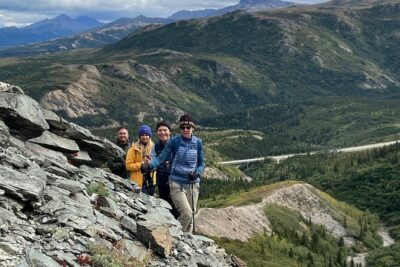
This hike is booked as a small-group experience (up to 15 people), so you can ask questions and keep the walk moving without feeling like you’re in a crowd. You’ll be back near the meeting point after about 4 to 4.5 hours, which makes it a practical choice if you want nature without losing an entire day.
In This Review
- Key highlights you’ll actually feel
- Benog Tibba Day Hike: why this forest route works
- Trail distance and timing: 4 to 4.5 hours, 9 to 15 km
- What the trail feels like: tree cover, open views, and a calm jungle vibe
- The high point: Mussoorie town and major Himalayan peaks
- Wildlife spotting: what you might see (and how to enjoy it anyway)
- Jwala Devi Temple area: a meaningful stretch of the route
- Guides, snacks, and small-group pacing: the value that matters
- Price and value: $33.56 plus any Benog admission for foreigners
- Getting there and staying flexible: meet near public transport
- Who should book this Benog Tibba hike
- Should you book the Benog Tibba Day Hike?
- FAQ
- How long is the Benog Tibba day hike?
- How far do I walk on this hike?
- Is a guide included, and how big is the group?
- What’s included in the price?
- Are there extra fees for transfers or entry?
- What happens if weather is bad, or I need to cancel?
Key highlights you’ll actually feel
- Small group size (max 15): You get personal attention instead of being lost in the back of a long line.
- Benog Sanctuary trail mix: Tree cover for comfort, plus open views when the trail gives you breathing room.
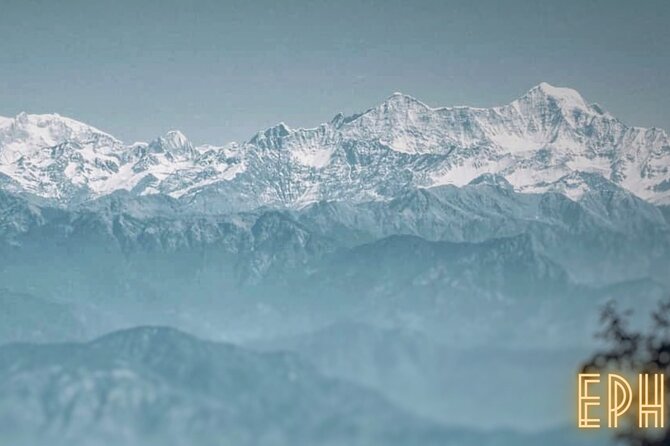
- Panoramic high-point payoff: Expect lookout-style views over Mussoorie and major Himalayan peaks.
- Snack and water support: Bottled water and snacks are included, plus extra/surplus water.
- Wildlife odds are real, not guaranteed: You might spot barking deer, foxes, pheasants, eagles, and langoors.
- Route length varies by group: From about 9 km roundtrip to a longer 15 km point-to-point walk.
Benog Tibba Day Hike: why this forest route works
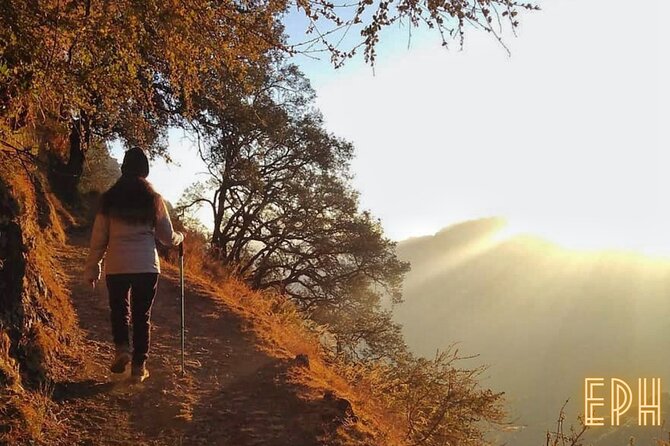
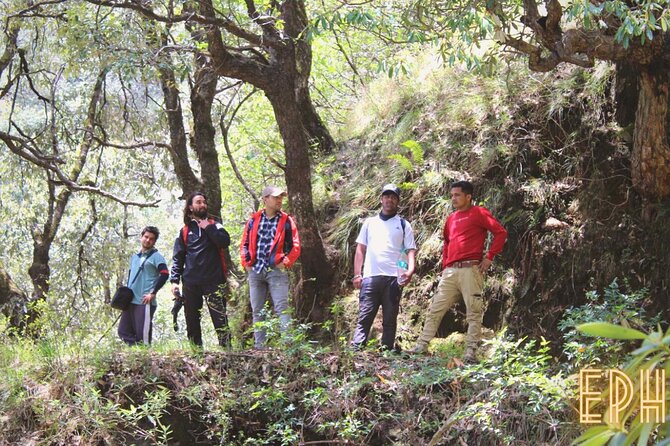
The Benog Tibba day hike is built for people who like two different moods in one outing: the calm shade of the forest and the clear, rewarding lookouts above Mussoorie. You’ll spend your time on a trail that shifts between dense tree cover and stretches with open views, so the walk doesn’t turn into one long tunnel of green.
That forest ambiance matters more than it sounds. When you’re surrounded by trees for much of the hike, the air feels cooler and the pace is easier to sustain. Then, when the trail opens up, you get those big visual moments over the valleys below—exactly the kind of payoff that keeps a moderate hike feeling worth it.
Another smart part is that this is guide-led. You’re not just going uphill and hoping for the best. The guide’s job is to point out what’s around you—birds and signs of animals—so you walk away with a clearer sense of place. One guide named Yash is mentioned in feedback for staying engaging and informative all the way up.
You can also read our reviews of more tours and experiences in Rishikesh.
Trail distance and timing: 4 to 4.5 hours, 9 to 15 km
This is roughly a 4 to 4.5 hour experience, which is a sweet spot for a day hike: enough time to get “out of town” mentally, but not so long that you feel cooked afterward.
Distance is where you need to set your expectations. The shortest option can be about 9 km roundtrip. The longer option can be up to 15 km point-to-point, and that’s important because it may require a cab to complete the route. So if you hate the idea of being rerouted away from the exact start-finish loop, you’ll want to confirm which trail variation your group is taking.
The pace is also shaped by the fact that it’s a small-group outing. With fewer people, you’re less likely to get stuck waiting at narrow spots. Still, plan for real hiking time. This isn’t a flat promenade; it’s a climb toward the sanctuary’s highest point.
My practical advice: wear real walking shoes and bring layers. Mountain weather in Mussoorie can shift. Even if the trail is mostly shaded, the higher views can come with cooler air.
What the trail feels like: tree cover, open views, and a calm jungle vibe
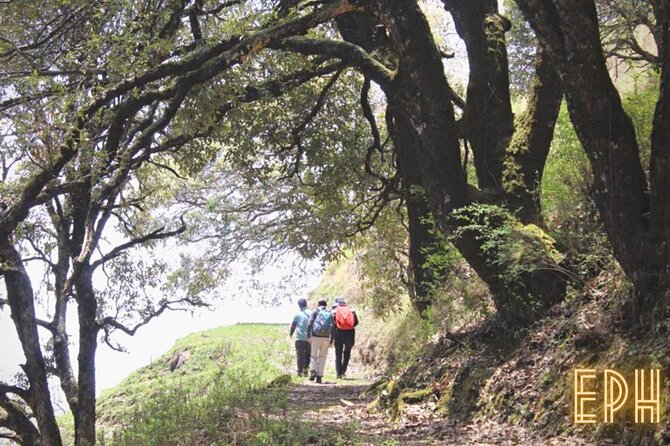
The trail description leans hard into a classic Mussoorie forest experience: lots of tree cover, with occasional open glimpses that let you look down into the valleys. That mix makes the hike more interesting because it changes your footing rhythm and your attention. When you’re in the trees, you focus on walking. When the trail opens, you start scanning the horizon and the slopes below.
Expect a “jungle ambiance” that’s especially appealing if you like nature sounds and the slower pace of forest walking. You’re more likely to notice movement—birds hopping, insects active near leaves, and the general living feel of a sanctuary environment—because your senses aren’t overwhelmed by nonstop roadside sights.
One more detail that’s worth taking seriously: the highest point is where the hike’s view payoff lands. That means most of your effort funnels into reaching the lookout section, then you spend time absorbing the big panorama. If you’re the type who gets motivated by view rewards (instead of just finishing), this hike plays to that style.
The high point: Mussoorie town and major Himalayan peaks
The top part of the hike is the reason most people do Benog Tibba in the first place. From the highest point, you get panoramic views of the valleys below and superb sightlines over Mussoorie Township. On clear days, the outlook extends toward major snow-capped Himalayan peaks.
This is the moment where the hike shifts from exercise to scenery. If your phone storage is always a mess, this is where you’ll want to be ready—because you’ll be tempted to stop often just to frame the town and the distant mountain silhouettes.
Practical tip: keep an eye on cloud cover. If visibility drops, don’t assume the whole hike is ruined. Even partial views over valleys can be beautiful, and the forest shade still gives you plenty to enjoy before you reach the lookout.
Also, don’t rush through the view section. The climb is the work, but the lookout is the payoff. Treat it like your reward break, not a quick stop.
Wildlife spotting: what you might see (and how to enjoy it anyway)
Wildlife spotting is part of the story here, and the sanctuary really can deliver. The area is home to animals and birds such as barking deer, pheasants, eagles, vultures, primates, and langoors. Red fox sightings are possible too, along with jungle martins moving through the treetops.
That said, the responsible expectation is simple: wildlife spotting cannot be guaranteed. On some days, you’ll see more movement. On others, you’ll mostly hear birds and spot signs rather than full-on animal sightings.
How do you make that not feel like a letdown? Focus on the bird activity you can notice without needing a perfect sighting. If you hear a call, pause and let your eyes do the work. If you see movement in branches, don’t assume it’s just wind—watch for repeat behavior. A good guide helps here, because they can interpret what you’re seeing and where to look next.
Even if you don’t get deer or foxes in view, you still get a wonderful nature walk: forest ambiance, learning moments, and those big high-point vistas. That combination is the real win.
Jwala Devi Temple area: a meaningful stretch of the route
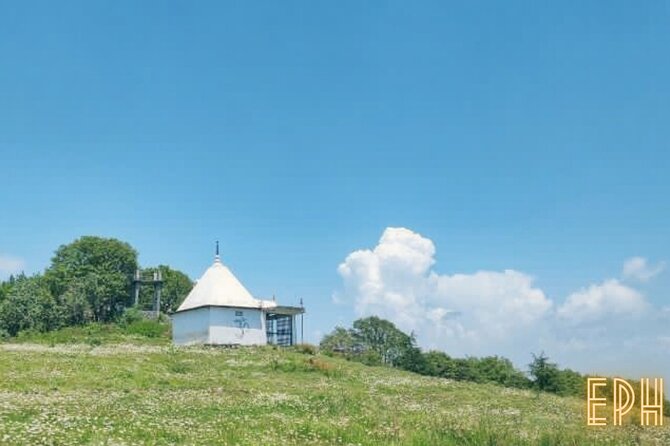
One part that tends to stick with people is the hike up toward Benog Tibba and onward till Jwala Devi Temple. This adds a human dimension to what’s otherwise a mostly forest-and-views outing.
A temple stop matters because it’s a natural break point. Your legs get a reset, and the guide can shift the vibe from just walking to discussing what you’re passing through—how the route connects different parts of the area, and how the trail experience changes as you near the top.
Even if you’re not a temple-focused traveler, it helps to have a real landmark along the route. It gives your brain a checkpoint so the hike doesn’t feel like a never-ending climb.
Just be respectful with your time there. The whole hike is only about half a day, so keep pauses comfortable and don’t let the rest of the group wait too long when you’re ready to move.
Guides, snacks, and small-group pacing: the value that matters
This is priced as a guided day hike, and the guide component is where a lot of the value hides. A professional guide helps you:
- keep a workable pace,
- interpret what you’re seeing in the forest,
- and enjoy the hike without feeling like you’re guessing.
Feedback highlights guides who stay engaged and informed, including Yash, who kept hikers involved all the way up.
Then there’s the included food and drink. You’ll get bottled water and snacks (snacks like fruits, wafers, and chocolate). You also get extra/surplus water, which is a small thing that adds up. In a mountain environment, it’s not the time to run low on water just because the hike “isn’t that long.”
Small group size (max 15) also changes how the hike feels. Narrow trails can get awkward in larger groups. Here, you’re less likely to feel boxed in, and it’s easier to stop for photos without everyone behind you needing to squeeze past.
For your packing list, keep it simple:
- comfortable hiking shoes,
- a light layer for the lookout,
- and a small daypack for anything you don’t want to carry by hand.
Price and value: $33.56 plus any Benog admission for foreigners
At about $33.56 per person, this hike is positioned as a low-cost nature outing, and for many people it’s good value because it bundles the main cost drivers:
- a professional guide,
- bottled water and snacks,
- and (for domestic tourists) entry tickets are included.
The catch is that entry rules change depending on your nationality. Domestic entry tickets are included, but foreign entry tickets aren’t fully included. There’s also an admission fee for Benog Tibba of ₹400 per person, which is to be paid directly. If you’re a foreign national, the foreign entry ticket fee is specifically listed as INR 400 per person to be paid directly as well.
So the value equation looks like this:
- If you qualify for domestic inclusion, you’re getting a guided hike with food and water for a modest price.
- If you’re paying the Benog admission directly, you’ll want to budget that extra amount so the trip stays the price you expected.
Hotel transfers are optional. Private transportation isn’t included, but hotel transfers may be available for an additional fee. That’s not a deal-breaker, but it can shift your total cost.
One more planning note: booking tends to happen about 28 days in advance on average, so it’s smart to lock in your slot early if you’re traveling around peak dates.
Getting there and staying flexible: meet near public transport
The meeting point is in Mussoorie, Uttarakhand, and the hike ends back near where you started. It’s also described as being near public transportation, which is useful if you don’t want to pay for transfers.
If you do want easier logistics, hotel transfers are available for an extra fee. Since private transportation is not included, think of transfers as the upgrade that saves you time at the start (and reduces stress if you’re juggling luggage or multiple plans in Mussoorie).
Also, the activity runs within opening hours from 8:30 AM to 5:00 PM, so you’ll have some flexibility choosing a time. The hike itself is about 4 to 4.5 hours, so you can fit it into a half-day window without wrecking the rest of your sightseeing schedule.
A small practical point: confirm whether your group is doing the roundtrip shorter option or the longer point-to-point route. If point-to-point is selected, a cab may be required, and you’ll want to be sure you know how that affects your return plan.
Who should book this Benog Tibba hike
This one suits people who want a guided nature outing with clear scenic goals. You’ll likely enjoy it if:
- you like forests and birdlife,
- you want panoramic views without committing to a full-day trek,
- and you prefer a small-group experience with a guide who can explain what you’re seeing.
It’s also a good option for mixed skill levels, because most travelers can participate. Still, the trail includes climbing, and the hike length can reach 15 km depending on the group route. If you’re sensitive to longer walks, ask which distance your group is taking.
Couples, solo hikers, and anyone who wants an offbeat nature moment in Mussoorie will find it fits well. It’s not a museum visit or a purely viewpoint trip. It’s walking through a living sanctuary, then rewarding you with wide views at the top.
Should you book the Benog Tibba Day Hike?
If you want a half-day hike that combines forest ambiance, a guide, and a real lookout payoff over Mussoorie and Himalayan peaks, I’d say it’s an easy yes. The included water and snacks remove a common stress, and the small-group format makes it feel more personal.
The only reason to hesitate is if you strongly prefer a short, predictable walking distance. Because the route can be around 9 km roundtrip or stretch to 15 km point-to-point, you should check which version your group is assigned to and plan your energy accordingly.
If you go in expecting a guided nature walk with panoramic rewards—and not guaranteed wildlife—you’ll get exactly what this hike is built for.
FAQ
How long is the Benog Tibba day hike?
It runs for about 4 to 4.5 hours.
How far do I walk on this hike?
The shortest option is around 9 km roundtrip. The longer option can be up to 15 km point-to-point, which may require a cab.
Is a guide included, and how big is the group?
Yes, you hike with a professional guide. The maximum group size is 15 travelers.
What’s included in the price?
Included items are bottled water (extra/surplus water) and snacks such as fruits and wafers/chocolate. Entry tickets are included for domestic tourists.
Are there extra fees for transfers or entry?
Private transportation is not included. Hotel transfers are available for an additional fee. Admission for Benog Tibba is ₹400 per person and is to be paid directly, and entry ticket rules for foreign nationals are not fully included.
What happens if weather is bad, or I need to cancel?
The experience requires good weather. If it’s canceled due to poor weather, you’ll be offered a different date or a full refund. Free cancellation is available up to 24 hours in advance for a full refund.