REVIEW · DENALI NATIONAL PARK
Denali Nature Hike
Book on Viator →Operated by New Wave Adventures · Bookable on Viator
Alaska on foot feels different. This Denali nature hike turns a simple walk into a close-up lesson on the taiga and tundra, with quiet forest sounds, wildlife hints, and big scenery tied to the Denali area. You’ll be walking under spruce, aspen, and birch while your guide explains how plants like lichen and moss manage in harsh conditions.
I especially love two things: first, the small group setup (max 11) that keeps the hike feeling personal, and second, the fact that hiking poles are included, which makes a noticeable difference on uneven ground. On top of that, the guide can tailor the pace when needed, based on past experiences with guides like Josie and Patricia.
One consideration: the hike’s difficulty can shift with the group’s pace and experience, and the distance can range from 3 to 5 miles over mixed terrain. Add weather into the mix, and you’ll want to show up ready for changing conditions.
In This Review
- Key highlights you’ll care about
- Why a “nature hike” in Denali feels like the real thing
- Getting to the start: meeting point and pickup that actually helps
- The hike itself: what “3 to 5 miles” means for your body
- Stop 1: Denali National Park and Preserve—forest cues you can learn
- Stop 2: Mount McKinley—how to enjoy a “big mountain” moment
- Stop 3: Denali Park—plant talk that makes the tundra make sense
- Stop 4: Healy—getting a fuller sense of the region
- Guide impact matters: Josie and Patricia-style hiking
- Price and value: is $125 worth 2.5 hours in Denali?
- What to bring so the hike feels easy
- Who this hike is best for (and who should think twice)
- The bottom line: should you book Denali Nature Hike?
- FAQ
- How long is the Denali Nature Hike?
- How far will I hike?
- Is pickup available?
- Where is the meeting point?
- What’s included in the tour price?
- What if the weather is poor?
Key highlights you’ll care about
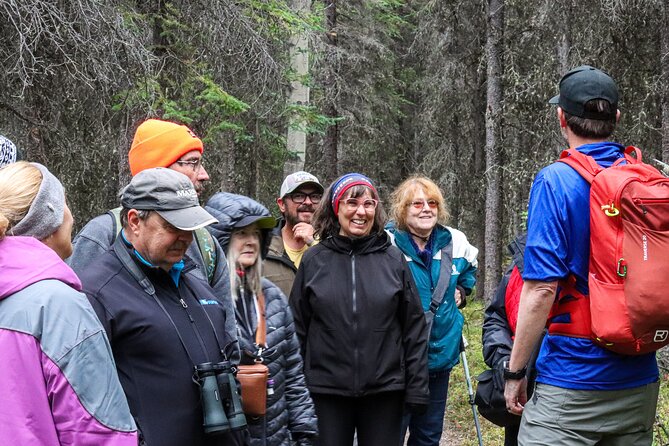
- Small group size (max 11) keeps questions easy and pacing more flexible
- Hiking poles included to help with footing on uneven ground
- Taiga-to-tundra focus with lots of plant and habitat talk
- Wildlife spotting cues like where to look for tracks or shed antlers
- Hotel pickup available for a smoother start
- Weather-dependent experience with alternatives if conditions are poor
Why a “nature hike” in Denali feels like the real thing
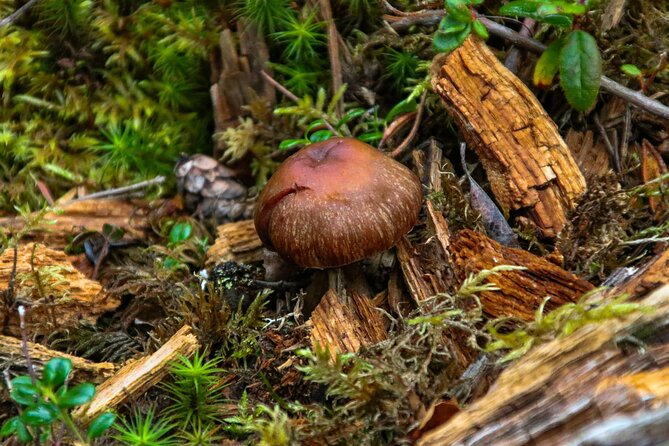
Denali works on your senses. Even when you’re not climbing anything, the air, the light, and the way the ground changes under your boots can make the park feel bigger than the photos. This hike leans into that. You’re not just passing through scenic spots; you’re moving at walking speed through the taiga and tundra that define much of the Denali region.
The walking setting is also part of the value: you’ll be under a mix of spruce, aspen, and birch, then working your way through areas where tougher tundra plants take over. Mosses and hardy understory plants do well in the cooler, shaded areas, and your guide will point out what you should notice. If you’ve ever wondered why people keep talking about lichen and the “small stuff,” this is the kind of hike where it finally clicks.
You can also read our reviews of more tours and experiences in Denali National Park.
Getting to the start: meeting point and pickup that actually helps
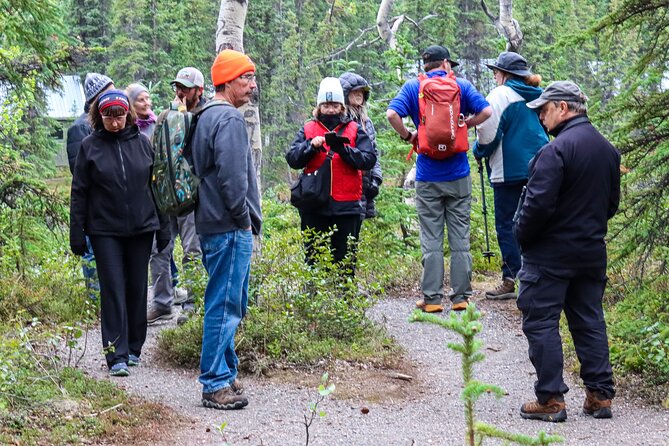
This isn’t one of those tours where you’re left guessing where to stand. The start point is at 239 Parks Hwy, Denali National Park and Preserve, AK 99755. If you’re using pickup, it’s offered at local hotels. You’ll wait in the front lobby of your hotel and use your voucher as your cue.
A few details matter here. First, the tour uses a mobile ticket, and it’s in English, so you can plan with less friction. Second, the schedule is about 2 hours 30 minutes total (approx.), which means you don’t lose half the day just getting positioned.
The hike itself: what “3 to 5 miles” means for your body
The distance ranges from 3 to 5 miles, and the terrain is a mix. The key word is mix—expect uneven ground, and be ready for sections that feel more effort than you’d think at first glance. The tour notes that difficulty can vary depending on the group’s pace and experience, which is another way of saying the guide may adjust the rhythm.
That matters because it’s a two-way street. If you move slower or need more breaks, your best outcome comes from telling your guide early. In past experiences with guides like Josie, the hike has been described as tailored to the hiker’s needs. In practice, that’s what you want: not just a “come what may” walk, but a guided outing that respects how your body handles Denali’s pace and footing.
Also, bring layers. Even if the day looks calm, Denali weather can feel different once you’re out on foot for a couple hours.
Stop 1: Denali National Park and Preserve—forest cues you can learn
Your first stop frames the hike as more than scenery. You’ll be in the Denali area’s forest and open-edge zones, where spruce, aspen, and birch set the tone. The guide’s job is to help you see the ground the way plants and animals “see” it—light levels, moisture, and what grows where.
Look for the quiet signals: mosses that cling to shaded spots, hardy plants in cooler undergrowth, and signs that the ecosystem is built for survival, not comfort. The tour description also hints at how wildlife leaves clues behind—things like antlers dropped by caribou or moose that you might spot as you watch the landscape for movement and stillness.
The practical takeaway: give yourself time to slow down. Denali rewards the hikers who pause, not the ones who power-walk through everything.
Stop 2: Mount McKinley—how to enjoy a “big mountain” moment
You’ll also have time connected to Mount McKinley. Even when you’re not doing anything extreme, that name on the itinerary signals the scale of what you’re near. In Denali, mountains aren’t just backgrounds; they shape weather, light, and the way everything feels around you.
At this kind of stop, you’ll get the payoff many people come for: a clear sense of the region’s size. That can be worth just as much as the trail itself, especially if you’re pairing this hike with other Denali activities and want a day that feels balanced rather than exhausting.
A smart move: check conditions and watch for changes in visibility. If the sky clears, lean into the views. If it’s hazy, focus on what you can observe at ground level—the way the vegetation shifts and where trails feel more sheltered.
Stop 3: Denali Park—plant talk that makes the tundra make sense
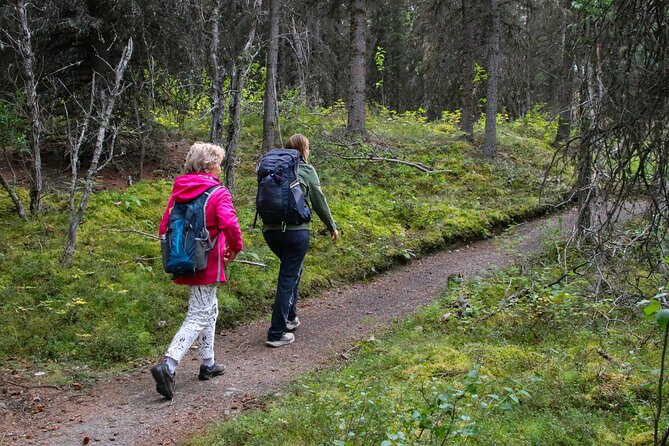
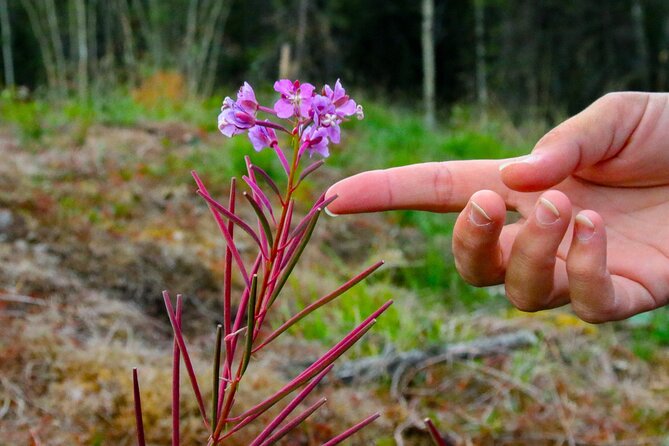
Denali’s story is often told in big terms, but the best moments are usually small. This hike is designed to bring those small elements forward. You’ll get guidance on tiny plants that carpet the tundra—from lichen to wildflowers—and why they matter.
This is where the tour earns its keep. Lichen and tundra plants are not just “interesting.” They’re survival experts. They handle cold, limited nutrients, and short growing seasons. When someone points out what you’re actually looking at, you start seeing patterns: which areas look crusted or layered, which spots stay damp or dry, and how life spreads across the ground.
If you like nature walks where you leave with new mental pictures, this section is the heart of the experience.
Stop 4: Healy—getting a fuller sense of the region
The itinerary also includes Healy. Even without a long stop spelled out, it adds useful context. Healy helps you remember that Denali isn’t just wilderness—it’s a region with communities that support visitors and seasonal life.
In practice, this kind of final stop often gives you a smoother “bookend” to the day: you’ve spent time walking and learning in the park area, then you transition toward something more familiar. It can make the whole outing feel more grounded, especially if you’re balancing flights, drives, and other Denali plans.
Guide impact matters: Josie and Patricia-style hiking

What lifts this hike from standard to memorable is the guide approach. Past experiences have highlighted two themes: guides who explain clearly and guides who adapt to the group.
One example is Josie, described as informative with lots to share about where you hike. Another theme was accommodation—like tailoring the pace when someone isn’t the fastest hiker. That’s a big deal in a place where footing already demands attention.
Another guide, Patricia, was described as accommodating and knowledgeable in the sense that she could match the hike to the group’s needs. The transportation was also called convenient, which matters because the day runs smoother when you’re not stressed about logistics right before stepping onto the trail.
For you, the lesson is simple: if you have any pace concerns, mention them early. Guides in this style can usually work with you, because the goal is a great walk, not a forced performance.
Price and value: is $125 worth 2.5 hours in Denali?
At $125 per person for about 2 hours 30 minutes, this hike sits in the “short but not cheap” category—so it should be judged on what you get, not just the headline cost.
Here’s the value math that makes sense:
- Small group size (max 11) usually means more real interaction and less waiting around.
- Pickup from local hotels reduces stress and time wasted.
- Hiking poles are included, which is a tangible perk and also helps on mixed terrain.
- You’re paying for a guided explanation of the ecosystem—taiga, tundra, mosses, lichen, and wildlife cues—not just a route.
What you don’t get is equally important. The tour doesn’t include water, snacks, or a camera. That means you’ll need to bring your own basics. If you arrive without a plan, you’ll feel it fast on a couple hours outdoors.
So is it worth it? If you want a guided walk that teaches you what you’re seeing and you like the idea of a focused half-day outing, yes. If you want a full-day deep wilderness trek with lots of mileage, you may feel like this is short.
What to bring so the hike feels easy
Because water and snacks aren’t included, I’d plan as if you’ll be out for roughly a half-day, not a quick stroll. Bring:
- Water (enough for your pace)
- Snacks (something simple you can eat during a break)
- A camera or phone gear if you care about documenting plants and wildlife cues
Also consider clothing that handles changing weather. The hike requires good conditions, and even when the day starts bright, it can shift once you’re moving in and out of shaded forest areas.
If you use hiking boots, this is a day where you’ll be glad you did. Mixed terrain is mixed terrain, and Denali doesn’t do “soft ground” excuses.
Who this hike is best for (and who should think twice)
This experience is a strong fit if you:
- Have moderate physical fitness
- Want a guided Denali nature walk without committing to a whole day
- Like learning about ecosystems—especially the small plants that define tundra
- Prefer a group that’s not huge
It may be less ideal if you:
- Want a long, high-mileage hike. The distance ranges from 3 to 5 miles, so you’re not getting a marathon day here.
- Hate uncertainty around difficulty. The tour notes that the hike can vary based on group pace and experience.
If you’re bringing family or someone with mobility needs, you’ll want to ask yourself honestly how 3 to 5 miles over mixed terrain will feel. The tour allows service animals, which is helpful information if that applies to you.
The bottom line: should you book Denali Nature Hike?
I’d book this hike if you want a focused Denali experience that actually teaches you what you’re walking through. The combination of guided ecosystem talk, included poles, pickup convenience, and a small group setup makes it a practical way to experience the taiga and tundra without turning your day into an all-out endurance event.
Skip it only if your main goal is maximum mileage or you don’t want to deal with changing weather and variable difficulty. If that’s your mindset, you’ll likely prefer a different style of Denali outing.
If you do book: pack water and snacks, wear grippy footwear, and plan to move at a human pace. Denali is best when you slow down enough to notice what’s actually there.
FAQ
How long is the Denali Nature Hike?
The hike is approximately 2 hours 30 minutes.
How far will I hike?
The distance ranges from 3 to 5 miles.
Is pickup available?
Yes. Customers can be picked up at local hotels. You’ll wait in the front lobby of the hotel with your voucher.
Where is the meeting point?
The activity starts at 239 Parks Hwy, Denali National Park and Preserve, AK 99755, USA, and ends back at the meeting point.
What’s included in the tour price?
Hiking poles are included.
What if the weather is poor?
The experience requires good weather. If it’s canceled due to poor weather, you’ll be offered a different date or a full refund.