REVIEW · KINTAMANI
From Ubud: Mount Batur Hiking With Hotspring
Book on GetYourGuide →Operated by Your Bali Trekking Tour · Bookable on GetYourGuide
Waking up at 2 a.m. is the hard part. This Mount Batur hike is all about sunrise from the summit and that rare, natural volcanic hot-spring reset after a climb. I love how the day is tightly paced around daylight (dark ascent, bright breakfast, then relaxation). I also like that your guide is local and built for the route, not just a generic “mountain person.” The main catch: the sunrise view depends on weather, and fog can change what you see.
The pickup system is also built for real Bali driving, including early departures and reliable return drop-offs to Ubud, Tegalalang, or Kintamani. Guides like Juku, Roman, Nova, Sar, Luna, Coco, and Rati show up in different groups, and the common thread is the same: they manage the pace, safety, and cameras. Still, the trek can feel harder than people expect, especially if you’re tired or not used to loose volcanic ground.
In This Review
- Key things that make this tour worth considering
- The 2 a.m. pickup: why timing is everything on Mount Batur
- Hiking in the dark: what the Batur climb feels like
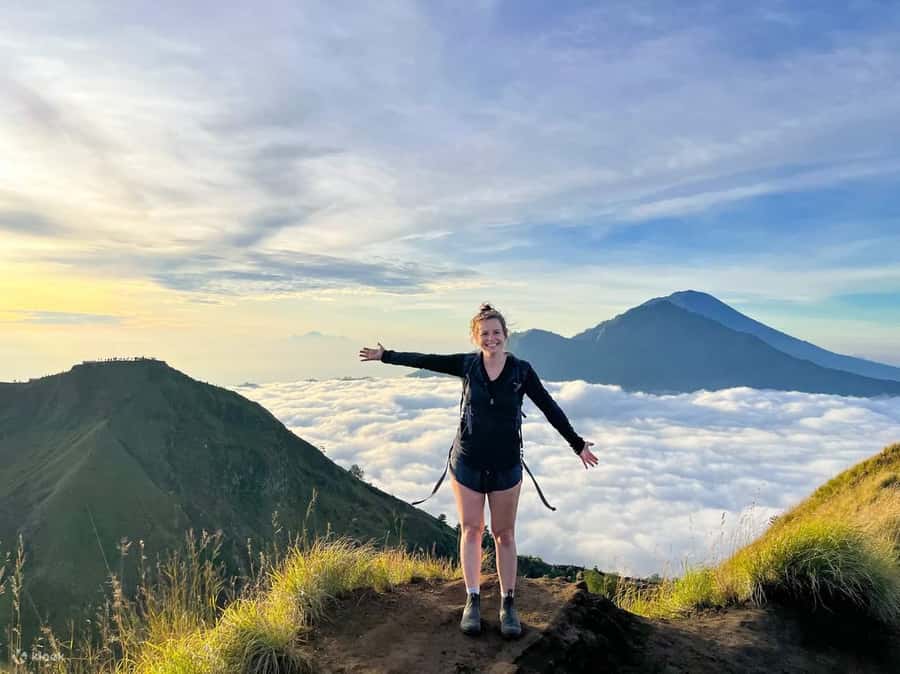
- Sunrise and the crater: the big payoff, with one realistic caveat
- Summit breakfast: simple food, big morale
- The descent and hot springs: when your legs finally get a vote
- Coffee plantation stop: a fun detour, not the main event
- Price and value: what $24 buys you in a long, early day
- Who should book Mount Batur sunrise with hot springs
- Practical tips to make your day smoother
- Should you book this tour or skip it?
- FAQ
- What time is pickup from Ubud and Tegalalang?
- What time is pickup from the Kintamani area?
- How long does the tour last?
- Is sunrise guaranteed?
- What should I bring for Mount Batur?
- Are large bags or luggage allowed?
- Do I need a WhatsApp number?
- What’s included in the price?
- Is the tour suitable for pregnant women?
Key things that make this tour worth considering
- Early summit timing means you’re moving in the dark so you can reach the top for sunrise if visibility cooperates
- Summit breakfast often includes simple local staples like boiled eggs and banana sandwiches
- Local guides with route memory help you keep steady footing on uneven, volcanic terrain
- Hot spring recovery is a real payoff after sore legs, even if the pools feel more like a swim facility than a spa
- Coffee plantation stop adds a fun, human-scale detour on the way back, sometimes with luwak experiences
The 2 a.m. pickup: why timing is everything on Mount Batur
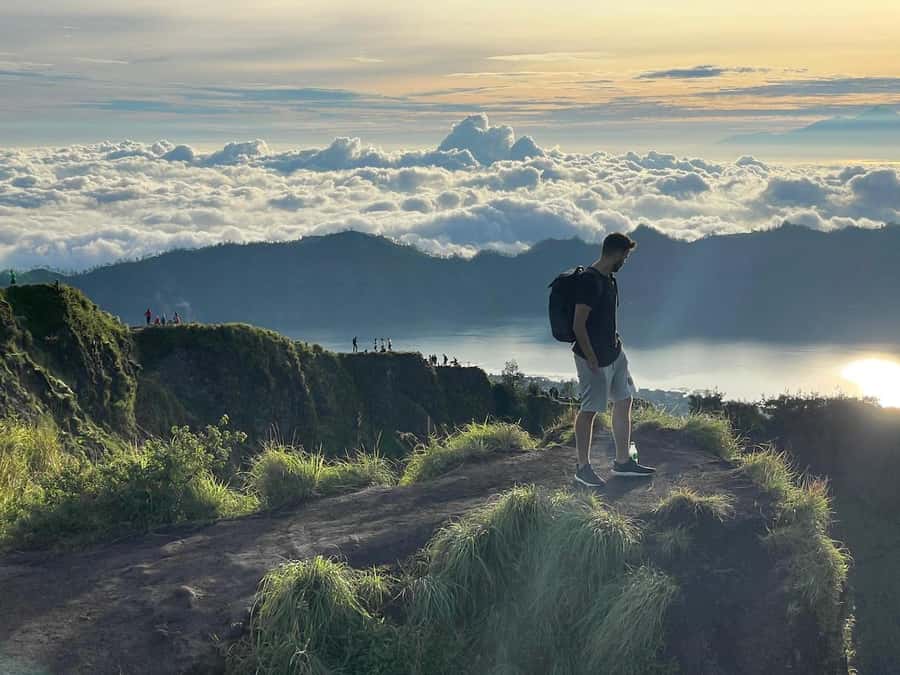
If you’re choosing this tour, you’re really choosing its clock. Pickup runs early—between 01:30 and 02:30 depending on where you start—so you can reach Mount Batur before the light show starts. Common options include 2:30 a.m. pickup from Ubud or Tegalalang and 3:00 a.m. pickup from the Kintamani area.
I like this approach because it respects how the volcano works. The climb starts in the dark, then sunrise becomes the reward. When you go later, you miss the best part of the experience or you end up racing daylight. Here, the schedule is built so you can actually enjoy the view rather than just survive the hike.
The other practical piece: transport is a big part of the value. The tour notes a highly-rated transport record (92% gave a perfect score), and that matches what you’ll care about at 2 a.m. You want someone who’s on time, drives safely on small roads, and doesn’t turn your morning into a logistics puzzle.
One small—but important—detail: you need an active WhatsApp number for confirmation of your driver’s arrival time. That’s not “nice to have.” In the dark, in Bali traffic, it’s what keeps the pickup smooth.
Hiking in the dark: what the Batur climb feels like
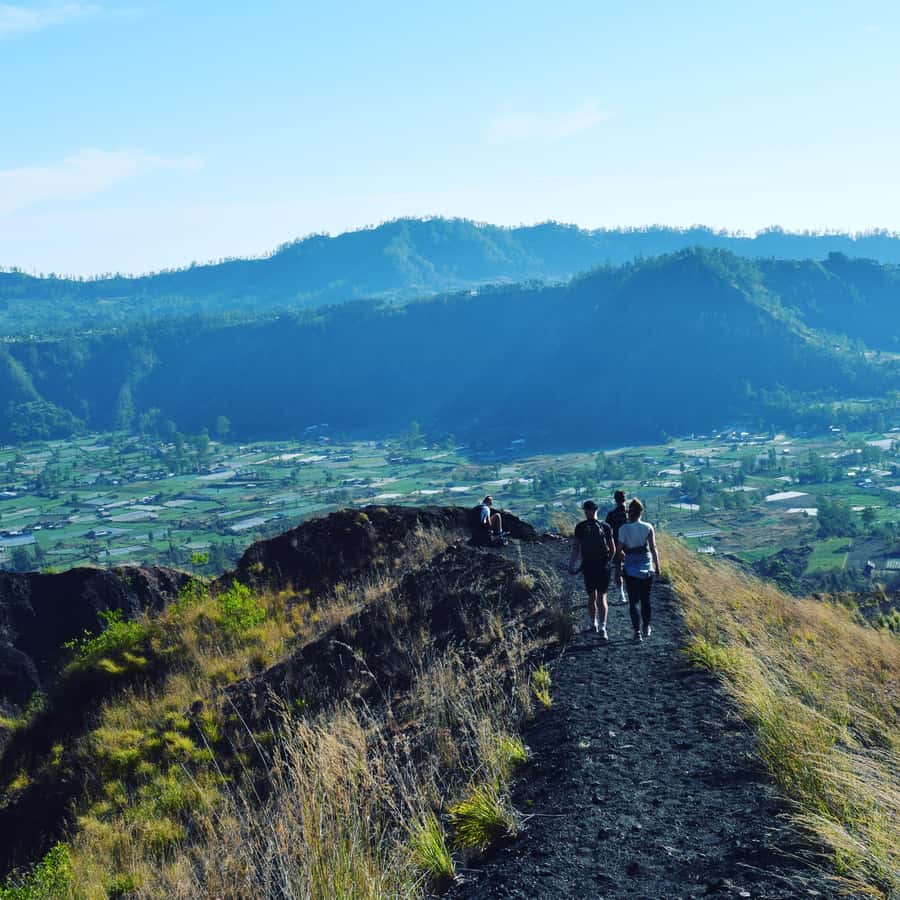
The climb to the summit is about 1.5 hours on the way up after you reach the Mount Batur staging area, with a longer overall hiking block across the morning. People describe it as moderate but not casual. Reviews repeatedly point out the main friction points: uneven footing, loose volcanic soil, and the kind of slippery descent that makes you walk like you’re on a wet staircase.
A few real-world guide examples show up again and again: guides like Dharma, Roman, Nova, Chuko, and Sar are mentioned for pacing and camera help. One guide (Luna) even cooked boiled eggs using volcanic steam, which tells you what you’re stepping into: this isn’t just a hike, it’s a working volcano environment.
What I’d tell you to do before you go:
- Wear hiking shoes with grip. Joggers can fail fast on the way down.
- Bring warm clothing, because the summit air can feel cold and windy even if the rest of Bali is warm.
- Accept that if you’re not a regular hiker, you’ll feel it. Lack of sleep is a real factor.
The guides matter here. Several names appear in the notes—Juku, Jessen, Mahdi, Coco, Maggie, and others—usually connected to helping people keep their footing and not fall behind. That’s the difference between a “challenging trek” and a “stressful slog.”
Sunrise and the crater: the big payoff, with one realistic caveat
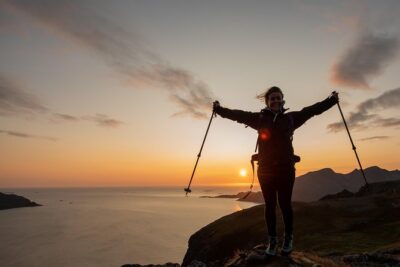
This tour is built around two views: the break of day from the summit and time around the volcanic crater afterward. You get breakfast up top while the world is waking up, and then—after sunrise—you’ll have some time walking the crater area.
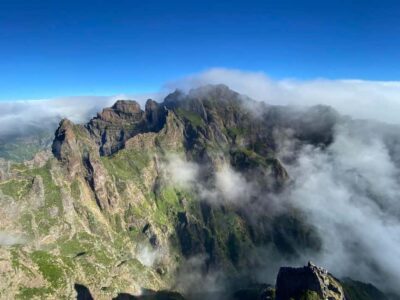
Now for the honest caveat: sunrise isn’t guaranteed. Weather is weather. Fog, clouds, and wind can hide what you came for. But here’s the twist that keeps people happy anyway: even when the horizon view is blocked, fog often creates a different mood—like being in the middle of clouds—rather than simply “missing it.” Some people describe the morning wind clearing things for moments, and others get an ethereal view even without a classic sunball on the horizon.
If you do get clear skies, expect that “this is real” feeling. Mount Batur’s scale hits you once you’re above the dark slope and see the volcanic bowl and the surrounding terrain. If you’re lucky, you’ll also feel the warmth from the caldera in parts of the walk, which is one of those weird body-notes that reminds you you’re standing on something alive.
After sunrise, you’ll explore the crater area and then move across terrain that includes lava and black sand. It’s not just for pictures. The ground shifts underfoot, so your guide’s knowledge and your shoe grip both matter.
Summit breakfast: simple food, big morale
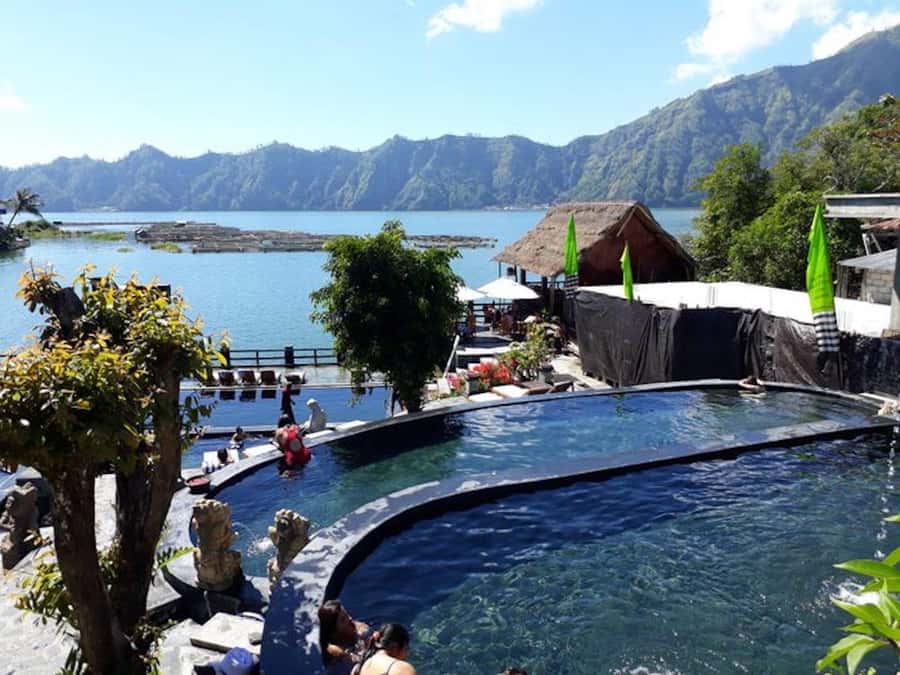
Breakfast is timed as part of the viewing experience, not tacked on later. You’ll eat at the top, and guides often turn this into a morale moment when everyone is tired from the early start.
From the details in the info and examples from guides, breakfast commonly includes items like boiled eggs and banana sandwiches. In one account, a guide used volcanic steam to boil eggs, which is a neat reminder that this area has its own methods. Even if you don’t get the steam-boiled version, the point is the same: a warm, filling bite at altitude helps you feel human again before the descent.
If you tend to get cold easily, this is another reason warm layers matter. Breakfast won’t block wind, but it will help.
The descent and hot springs: when your legs finally get a vote
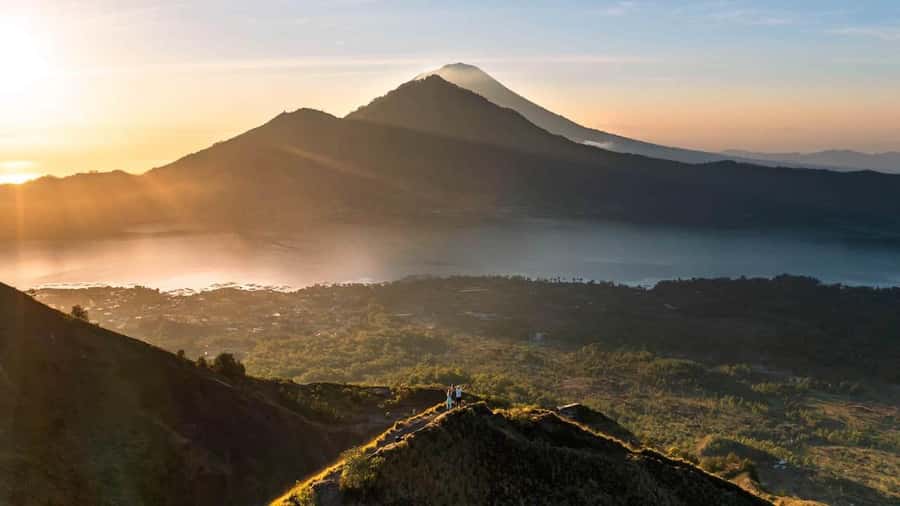
After sunrise and crater time, the main work becomes getting back down safely. This is where your preparation pays off. People repeatedly warn that the descent needs care—especially if the surface is slippery due to rain or if you’re wearing shoes with weak tread. Your legs will be tired. Your attention will be split between watching your footing and trying to take in the view.
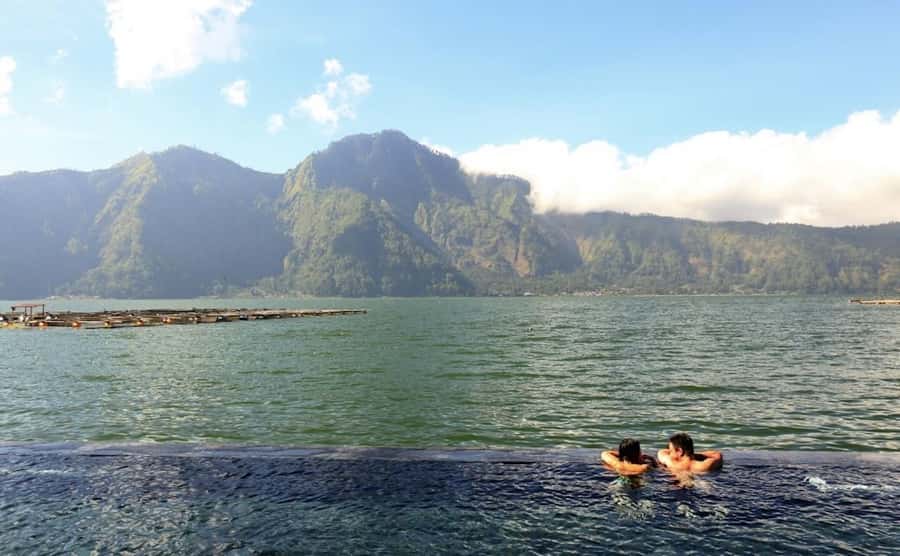
Once you’re back, the day shifts from effort to recovery. At around 09:00, you head to natural hot springs, with a hot spring ticket included.
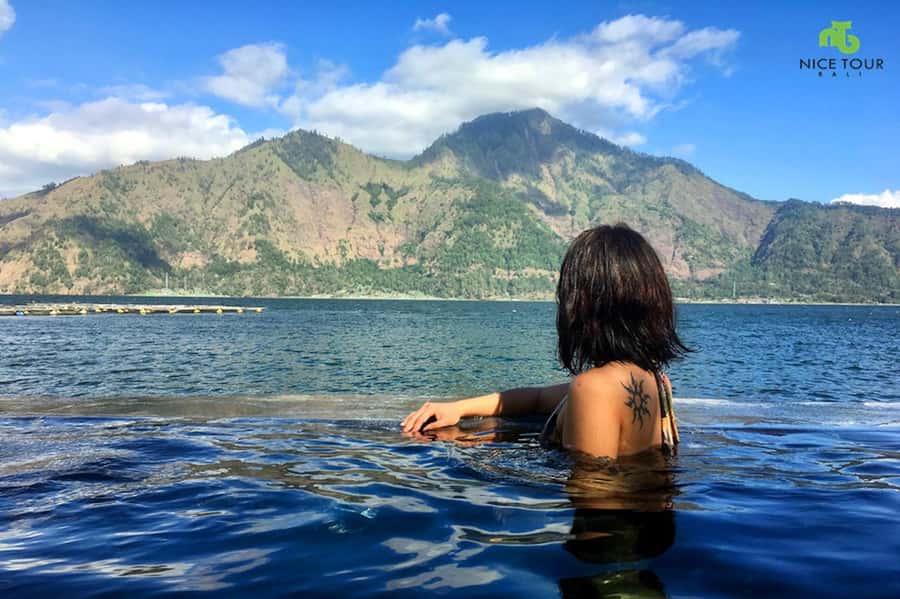
Here’s the balanced take I think you should hear upfront: hot springs are a highlight, but not all “hot springs” feel like a spa resort. Some people describe them as heated pools where you mainly unwind and soak. That’s exactly the role they play in this schedule. After a dark hike, you don’t need luxury. You need warmth, rest, and time where nobody is asking you to move.
On the other hand, some notes mention practical annoyances like cleanliness issues in changing areas and lots of flies (in one case including biting flies), which can shorten the soak time. If you’re sensitive to insects or you get bothered by basic facilities, go in with your eyes open and plan to keep it short if needed.
Also: water can be very hot, especially once your body is already warm from the hike. That’s great for muscle recovery. It can also be hilarious at first as you test the temperature like a scientist.
Coffee plantation stop: a fun detour, not the main event
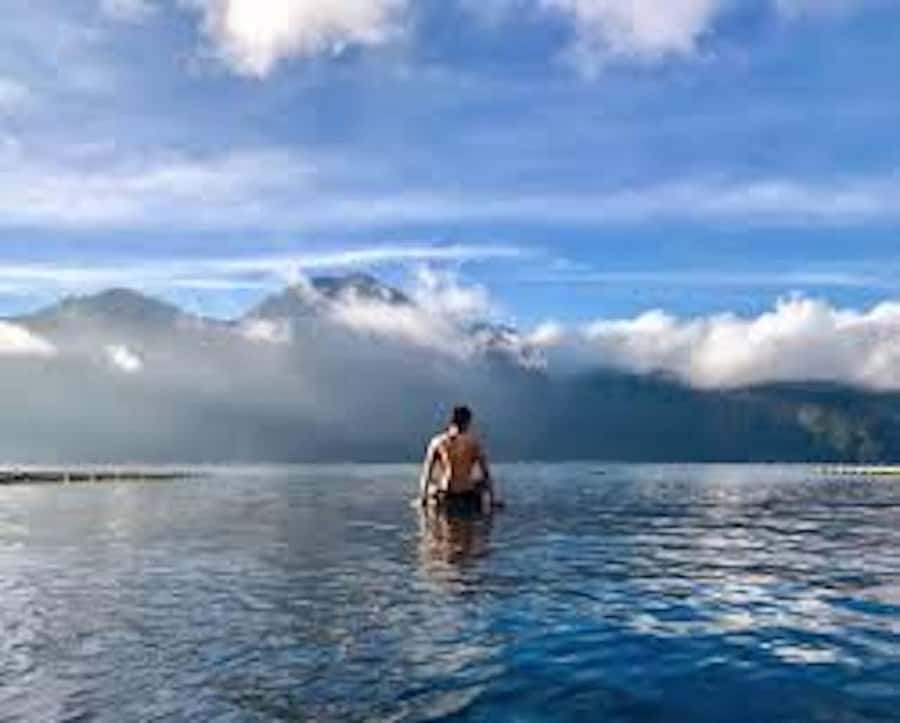
On the way back, you’ll stop at a coffee plantation. This is one of those Bali “slow down” moments that makes the day feel complete, especially when you’re running on limited sleep.
What makes the stop appealing is the human touch. People mention staff being kind, and guides who help translate what you’re seeing. You might also get experiences like petting a luwak and trying samples—including a raw chocolate bean (for some, that’s a bold taste). If you’re a coffee nerd, this part can feel satisfying rather than filler.
It’s worth knowing that you’re likely to encounter products for sale and possible upsells. The tour doesn’t position it as a free tasting buffet, so treat it as a visit where purchases are optional and souvenirs aren’t included.
Price and value: what $24 buys you in a long, early day
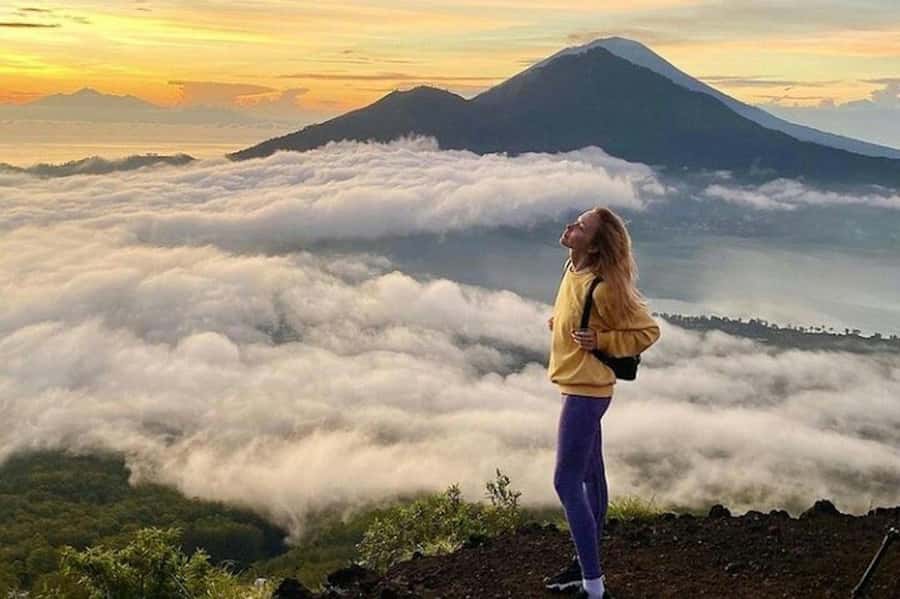
At about $24 per person, this is priced as a value-heavy “morning circuit”: transport, a local guide, summit breakfast, hot spring entry, and the trekking basics all wrapped into one day.
The part you’re really paying for isn’t the raw admission. It’s the orchestration:
- early pickup that makes the sunrise timing possible
- a guide who knows how to pace a climb on volcanic ground
- breakfast that keeps energy up for the crater walk and descent
- the hot spring ticket so you don’t have to organize recovery yourself
If you were to DIY this, you’d spend time coordinating drivers, finding reliable guides, and sorting tickets while also trying to match early hours. That’s where the value shows. The cost is low enough that you can justify taking a chance on weather without turning the day into a big budget stress test.
The only real reason value could feel weak is if you’re disappointed by the sunrise due to fog or you don’t enjoy hot springs for practical reasons like crowds or insects. But even then, the crater walk and summit breakfast are still part of the core experience.
Who should book Mount Batur sunrise with hot springs
This tour fits best if you:
- want a classic Bali volcano morning with a clear payoff
- don’t mind an early wake-up and short, steep effort
- like having a guide manage safety and timing on uneven ground
- want a guided day that includes more than just hiking
It’s not a match if you’re pregnant. It’s also not a match if you hate cold mornings or you can’t handle slippery footing.
Solo travelers seem to do well because the driver and guide structure the day. People mention being taken care of from pickup to drop-off and not being left to figure things out in the dark.
Practical tips to make your day smoother
These are small, but they change how the morning feels.
- Bring warm clothing even if you’re arriving from warm weather. Wind up high is real.
- Pack swimwear for the hot springs. Towels aren’t mentioned, so don’t count on extra comforts.
- Wear hiking shoes with grip. Your feet are the whole story on the descent.
- Keep luggage minimal. You’re told luggage or large bags aren’t allowed.
- Have your WhatsApp number active for pickup confirmation.
- Bring your e-ticket to show staff.
Should you book this tour or skip it?
I’d book it if you want the full Mount Batur “morning arc”: dark hike up, breakfast at the crater, a real chance at sunrise, then hot spring recovery. The best parts are the local-guided climb and the way the tour uses early timing to make the sunrise experience possible.
I’d pause if you’re tightly weather-dependent in your expectations. Fog can steal the classic sunrise look. Also, if you strongly dislike basic changing areas or insects, the hot spring section might not feel like a spa day.
If you go in ready—warm layers, grippy shoes, flexible mindset—you’ll likely feel like the early wake-up was worth it.
FAQ
What time is pickup from Ubud and Tegalalang?
For the Ubud area and Tegalalang area, you choose time slot 2.30AM. Actual pickup times can also vary by hotel location within the 01:30 to 02:30 window.
What time is pickup from the Kintamani area?
For the kintamani area, you choose time slot 3AM.
How long does the tour last?
The duration is listed as 7 to 10 hours.
Is sunrise guaranteed?
Sunrise is part of the plan and you’ll be at the top to watch it, but visibility can depend on weather conditions like fog, clouds, and wind.
What should I bring for Mount Batur?
Bring warm clothing, swimwear for the hot spring, and hiking shoes.
Are large bags or luggage allowed?
No. Luggage or large bags are not allowed.
Do I need a WhatsApp number?
Yes. You need an active WhatsApp number for confirmation of the driver’s arrival time.
What’s included in the price?
Included items can include hotel transfer (if selected), hot drink and snack at the starting point, trekking equipment, trekking guide, light breakfast on top, hot spring ticket, and insurance.
Is the tour suitable for pregnant women?
No, it is not suitable for pregnant women.