REVIEW · FUERTEVENTURA
Fuerteventura: volcanic hike to the crater edge
Book on GetYourGuide →Operated by Fuerte Authentic Tours · Bookable on GetYourGuide
If you want Fuerteventura without the postcard crowds, this hike delivers. You’ll walk up to the Gayria Volcano crater edge on a narrow route, with wild lava terrain and wide-open views over older lavafields and mountains. I especially like the crater-edge viewpoint itself and how the guide makes the geology feel personal with stories, flora, and myths. One watch-out: the climb uses volcanic rocks and boulders, and parts can be slippery, so you need solid footwear and a decent fitness level.
You start with hotel pickup in the south and then settle into the quiet rhythm of a small-group nature day. From start to summit you get photo stops, rest breaks, and a break with local food at the crater area—simple, outdoorsy, and memorable in the way real travel is. In the reviews, guides like Anne-Marie and Kristina are specifically praised for care and good local knowledge, which matters when the ground is uneven.
The main tradeoff is time and physical effort. This is about a 6 km hike with roughly 3 hours in the walking portion, and it’s not designed for kids, pregnancy, or mobility limits. If you want an easy stroll, skip this one and choose something gentler on the island.
In This Review
- Key highlights you’ll feel from the moment you start
- Entering the Gayria Volcano crater-edge world
- Pickup timing and the van ride from Costa Calma to Morro Jable
- The hike reality: 6 km over volcanic rocks and boulders
- Reaching the crater edge on a narrow path
- Snack time at the crater viewpoint (and possible regional extras)
- Your guide’s role: stories, myths, and practical hiking help
- Who this Fuerteventura hike is best for (and who should skip it)
- What to pack: shoes, water, and clothes that can handle volcanic dust
- Price and value: what you’re really paying for
- Should you book the Gayria crater-edge hike?
- FAQ
- How long is the tour, and how much of it is hiking?
- Where does pickup happen on Fuerteventura?
- What fitness level do I need?
- Who guides the hike, and what languages are available?
- What should I bring, and what is not allowed?
- Is it suitable for children or people with medical limitations?
Key highlights you’ll feel from the moment you start
- Crater-edge access via a narrow path, with panoramic views that make the hike worth it
- Small-group experience (limited to 8 participants) with an experienced local English/German guide
- Volcanic terrain reality check: volcanic rocks, boulders, and some slippery sections
- Snack time in the wild: sandwich at the crater viewpoint, plus possible regional extras depending on the day
- Stories along the trail: local flora and fauna info, plus myths and legends of the volcano
Entering the Gayria Volcano crater-edge world
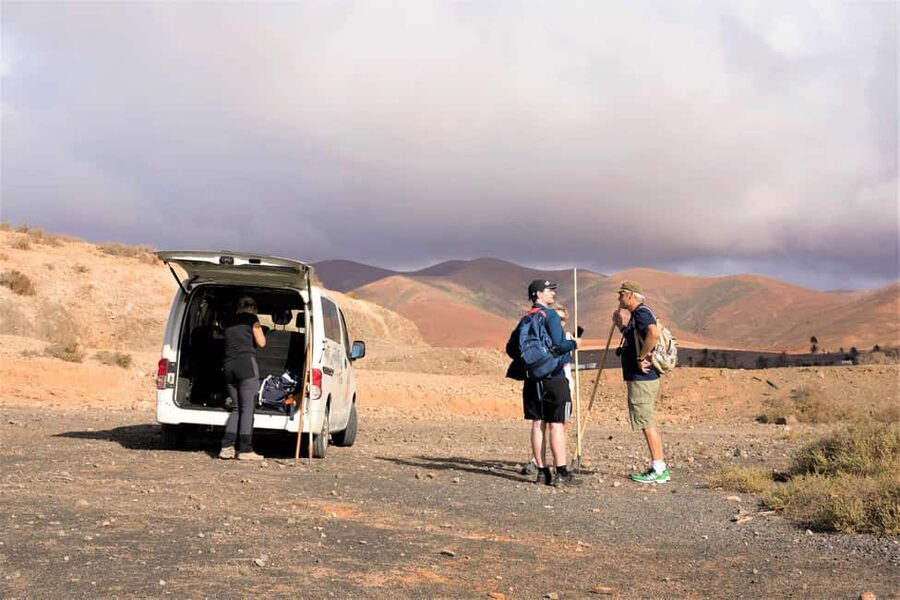
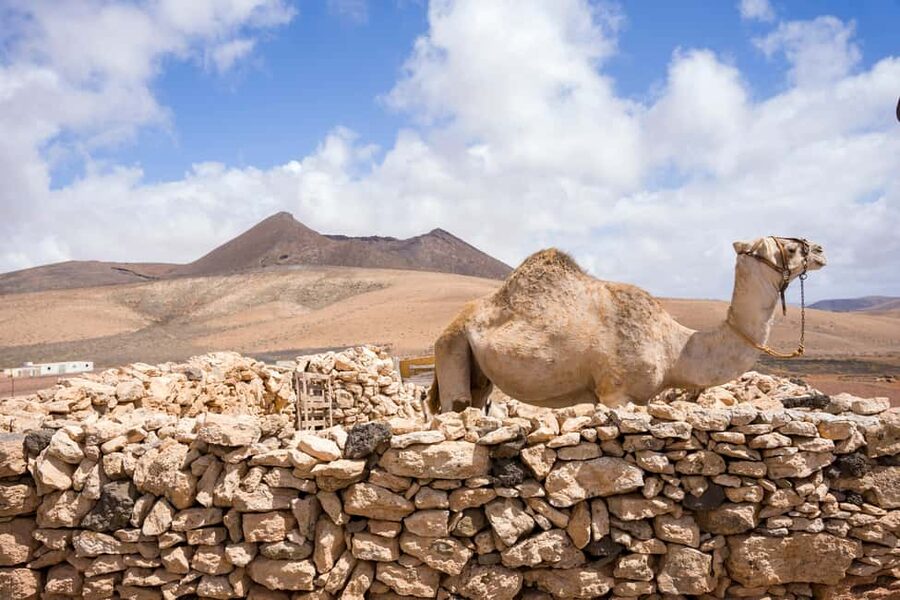
Fuerteventura is famous for beaches, but this is your chance to see the island’s older, quieter side—lava, stone, and sky. The star here is the Crater of Gayria. The hike takes you from the base up to the crater area, even though the volcano is no longer active. That matters: you’re not dealing with danger from eruptions, but you still feel the power of the place through the scale and the raw ground underfoot.
The view is the payoff. From the crater edge you get a big sweep over old lavaflows and surrounding mountains. It’s the kind of view that makes you stop checking your phone and start looking for patterns in the rock—how the flows cooled, where the terrain broke, how the crater shape holds the sky inside it.
The guide helps you see more than just rocks. You’ll get stops for rest and photos, but also explanations about local plants and animals you might otherwise miss. Some people mention guides by name (like Anne-Marie and Kristina), and the common thread is clear enthusiasm and attention to the group.
One more thing I like: the tour is designed to take you away from the usual tourist hotspots. That doesn’t mean it’s remote in a scary way. It just means you’re hiking in the real, working outdoor world, not walking past the same view viewpoints everyone takes.
You can also read our reviews of more tours and experiences in Fuerteventura.
Pickup timing and the van ride from Costa Calma to Morro Jable
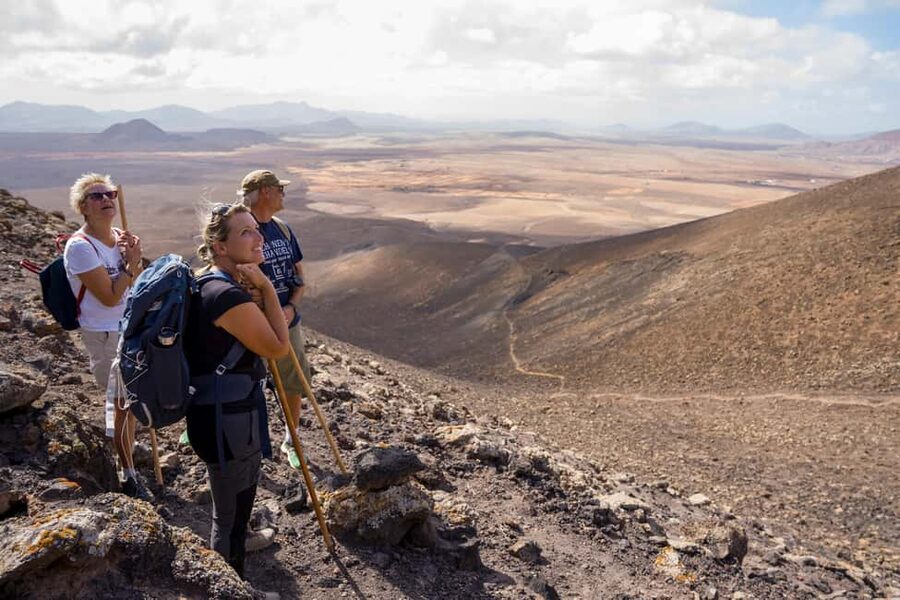
This is a “south of the island” pickup setup. You can be collected from Morro Jable, Esquinzo, Tarajalejo, or Costa Calma, and the same areas are used for drop-off after the hike.
Expect about 55 minutes each way in the van. That sounds like a lot on paper, but here’s why it works: it buys you time in a protected outdoor area that you likely wouldn’t reach easily by bus or rental car without extra planning. I also think it helps you get into the right mindset—less logistics stress, more hiking time.
The tour runs about 5 hours total. Roughly, you’ll spend the majority of that time on the walking portion and crater area, with van time and breaks woven in. The guided hiking portion is described as about 3 hours of a middle-level hike, which helps you gauge what you’re committing to.
Group size stays manageable. It’s limited to 8 participants, and there’s also a note that it runs with a maximum of 16 people per guide if the group is larger. Either way, the point is you’re not stuck with a massive crowd or stuck behind slow walkers for the whole day.
The hike reality: 6 km over volcanic rocks and boulders
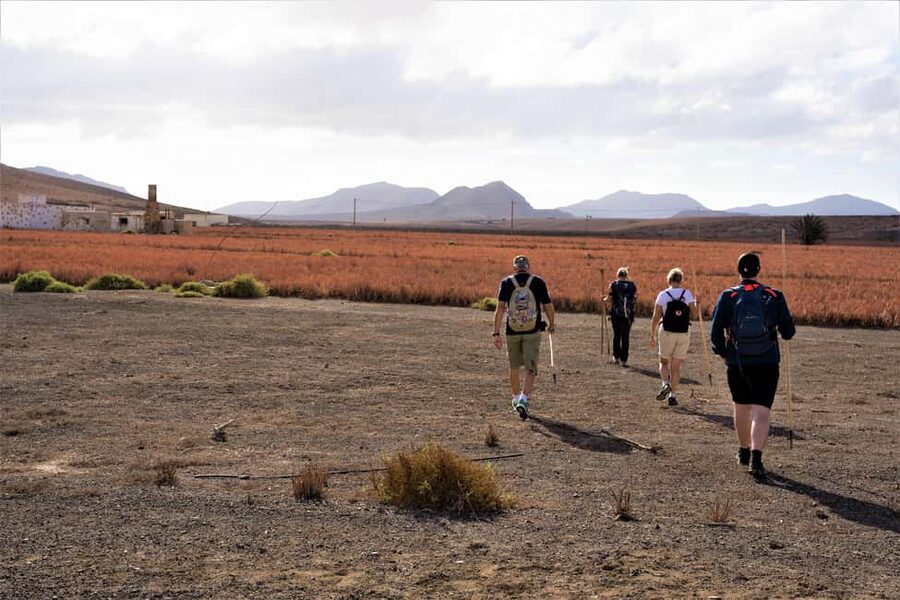
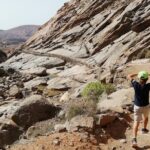
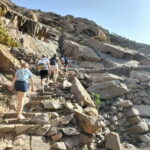
Let’s talk feet. This is not a padded trail walk. The ascent and descent are on volcanic rocks and boulders, and the ground can be slippery. That’s the whole reason the tour stresses good shoes and avoiding sandals or open-toed footwear.
You’ll hike a total of 6 kilometers, and because the terrain is uneven, your pace will probably feel slower than you expect. I recommend treating this more like a sturdy nature workout than a casual sightseeing stroll. If you like hiking, you’ll enjoy it. If you don’t, you’ll probably feel it in your calves.
One small but important detail: the tour notes the hike is only suitable for guests with a good fitness level. “Good” doesn’t mean athlete. It means you can handle uneven ground for hours and still enjoy yourself at the end.
Also, there are practical safety rules for comfort and control:
- closed-toe, grippy hiking shoes (not flip-flops)
- water
- sun protection
- clothes you don’t mind getting dusty or dirty
If you bring the right footwear and move steadily, the hike feels doable. If you try to power through in worn sneakers or non-grippy shoes, the slippery rocks can turn into a frustrating day.
Reaching the crater edge on a narrow path
The crater edge is where the tour earns its name. Your route includes a climb along a narrow path, and that’s exactly the kind of moment that turns a hike into a story you’ll remember. It’s steep in places, and because it’s narrow and rocky, you’ll feel the difference between “walking on a trail” and “walking on real volcanic ground.”
On the way up, you’ll pass through what’s described like a lunar-style terrain. That phrase is fitting. The area can look stark and stripped down—less lush greenery and more stone, air, and geometry. It’s a great environment for photos, especially when the sun hits the rock and you get contrast between lighter ash-colored areas and darker lava sections.
You’ll also have stops built in for rest and photos. Don’t treat those as optional. I like breaks on hikes because they keep you from racing just to reach the top. Here, the rhythm of walking, pausing, taking pictures, then walking again helps you enjoy the climb instead of just surviving it.
At the summit/crater viewpoint, the experience shifts from effort to awe. The view is described as breathtaking, and I’d expect you to spend a bit of time there soaking it in—partly because you’ll want the photos, and partly because the crater edge viewpoint makes you feel smaller in the best way.
Snack time at the crater viewpoint (and possible regional extras)
Food on a hike should be practical, and this one fits that. You’ll get a sandwich to enjoy at the crater viewpoint. That’s a good move because it prevents the classic problem of hiking all day and then realizing you only brought a snack you can’t eat comfortably.
You’ll also have a stop in the wild outdoors for local snacking. The format is simple: rest, eat, and take a breath in an open setting where you can actually hear yourself think. It’s the kind of break that refreshes you more than you expect.
Now for the part where you might get pleasantly surprised: some reviews mention additional local food and drink experiences—like tapas tasting, goat cheese with local wine, or even aloe products. Those details are not guaranteed by the core hike description, but they show that the operator sometimes adds regional flavor beyond the sandwich. If you’re the type who enjoys food as a travel souvenir, that’s a reason to smile before you even get to the crater.
A quick caution: the tour notes no alcohol and drugs during the activity. So if a day includes wine or other tastings, treat it as part of the organized stop, not something you should show up planning to bring with you.
Your guide’s role: stories, myths, and practical hiking help
A guided hike works best when the guide connects you to the place, not just the route. Here, the guide shares stories about local flora and fauna and also myths and legends of the volcano. That’s valuable because a crater isn’t just a hole in the ground—it’s a physical feature with cultural meaning too.
In the reviews, guides named Anne-Marie and Kristina get strong praise for being authentic, knowledgeable, and attentive. Kristina is also described as checking in with people’s abilities and tailoring the tour accordingly, which I really appreciate. On uneven ground, small adjustments—like pacing and where you take extra care—can turn a stressful hike into a confident one.
Even if you’re a confident hiker, a good guide matters for the “why” behind what you’re seeing. It makes you look twice at the rocks, and it helps you understand the environment rather than just walking through it.
Who this Fuerteventura hike is best for (and who should skip it)
This tour is best for people who like the feel of hiking: steady movement, a bit of climbing, and time outside. It’s also a great fit if you want guided volcanic scenery without trying to build a DIY plan.
It’s not suitable for:
- children under 9
- pregnant women
- people with heart problems
- people with respiratory issues
- people over 75
- people with mobility impairments
If any of those apply, don’t push it. You want your day to feel enjoyable, not risky.
For the best match, you want:
- comfortable hiking shoes with grip
- the ability to handle slippery, uneven volcanic rock
- a mindset for walking 3 hours through rocky terrain
If you’ve done hikes before and know how your body responds to uneven ground, you’ll probably enjoy this a lot. If you haven’t, choose it only if you’re willing to take it slow and trust the guide.
What to pack: shoes, water, and clothes that can handle volcanic dust
Pack like you’re visiting a place where rocks and dust are part of the scenery. The tour gives clear guidance, and I’d follow it closely.
Bring:
- Hiking shoes (closed-toe, grippy, comfortable)
- comfortable clothes that can get dirty
- water
- sun protection
- sports shoes if they’re appropriate for hiking
- hiking sticks if you like and if you need them
Don’t bring:
- sandals or flip-flops
- open-toed shoes
- bare feet
- alcohol and drugs
Here’s my practical take: volcanic terrain punishes bad footwear fast. Even if the hike sounds short on paper (6 km), the rocks and boulders make every step feel different. Good shoes help you focus on the crater edge instead of thinking about your ankles the whole time.
Price and value: what you’re really paying for
There’s no single “cheap or expensive” answer without the live price you’ll see on the booking page, but I can help you evaluate value based on what’s included.
You’re paying for three things that don’t happen on your own:
- A guided walk to the crater edge (including photo/rest stops and storytelling)
- Transportation from multiple south locations by van
- Food at the crater viewpoint, at least a sandwich, plus the possibility of extra local tasting elements depending on the day
The fact that it’s limited to a small group (up to 8) is also part of the value. On a narrow path, crowd control matters for comfort and safety. It’s one of the reasons guided hiking can feel worth it even when the day costs more than a self-planned beach day.
If your goal is photos, views, and learning something real about Fuerteventura beyond the resort strip, this is a strong value proposition. If you want a lazy day with minimal walking, it’s likely not the best match.
Should you book the Gayria crater-edge hike?
Book it if you want Fuerteventura’s volcanic side, you’re comfortable with uneven ground, and you enjoy learning from local guides. The crater edge viewpoint is the reason to go, and the tour format—guided, structured, with snack breaks—helps you get there without stress.
Skip it if you’re sensitive to slippery terrain or you’re not comfortable hiking for about 3 hours over volcanic rocks. Also skip it if any health or mobility restrictions apply, since the tour is explicitly not suitable for several categories.
My final advice: treat this like a hike first and a sightseeing stop second. If you show up with good shoes and a patient pace, you’ll leave with crater-edge photos and a much deeper sense of what Fuerteventura is made of.
FAQ
How long is the tour, and how much of it is hiking?
The tour runs about 5 hours total. The walking portion is about 3 hours, and the hike is described as 6 kilometers long.
Where does pickup happen on Fuerteventura?
Pickup is included from the south of the island at Morro Jable, Esquinzo, Tarajalejo, and Costa Calma. Drop-off is also at those locations.
What fitness level do I need?
The hike is described as middle level and only suitable for guests with a good fitness level. The ascent and descent can be slippery because it’s volcanic rocks and boulders.
Who guides the hike, and what languages are available?
You’ll have a live local guide in English and German. The experience is offered in small groups (limited to 8 participants).
What should I bring, and what is not allowed?
Bring hiking shoes (closed-toe), comfortable clothes that can get dirty, water, and sun protection. The tour notes no sandals or flip-flops, no open-toed shoes, and no bare feet. Alcohol and drugs are not allowed.
Is it suitable for children or people with medical limitations?
No. It’s not suitable for children under 9, pregnant women, people with heart problems, people with respiratory issues, people over 75, or people with mobility impairments.