REVIEW · PUEBLA CITY
Hiking in Iztaccihuatl Volcano
Book on Viator →Operated by Hiking Puebla · Bookable on Viator
Three volcanoes in one long walk.
This Iztaccíhuatl day hike starts at Paso de Cortés (3,500 m) inside the Iztaccíhuatl–Popocatépetl National Park, then gradually trades pine-oak forest for alpine scrub and finally rocky volcanic terrain, so the scenery changes as you climb. I especially loved the close-up feeling of Popocatépetl during the ascent, plus the way the guides keep the pace realistic with planned rests and included fuel (snacks, fruits, and energy drinks) along the way, with Carlos and Mario leading many groups. The main drawback to keep in mind: you’ll be at high altitude for hours, and the hike covers 15 km (option up to 18 km) with an optional higher finish, so sturdy shoes and a steady pace matter.
Because the experience needs good weather, your plans depend on visibility. If clouds or conditions aren’t right, you’ll either reschedule or get a full refund, so I’d line this up with flexibility in your Puebla schedule.
In This Review
- Key highlights you’ll care about
- Paso de Cortés start: where the altitude adventure begins
- The walk uphill: from oyamel and mountain roses to alpine scrub
- Popocatépetl stops: seeing an active volcano up close
- Iztaccíhuatl stop at altitude: what it feels like to reach 4,000 m
- Optional extension to 4,200 m: for the people who want more
- How the guides shape the day (Carlos and Mario)
- What’s included during breaks: snacks, fruit, and energy drinks
- Price and value: is $119.56 worth a 12-hour high-altitude hike?
- Timing, distance, and the real effort level
- What to wear and bring for 3,500–4,200 m conditions
- Who this hike fits best (and who should think twice)
- Should you book this Iztaccíhuatl hiking day?
- FAQ
- How long is the hike?
- Where does the hike start and what altitude do you reach?
- How far is the hike?
- Do you get pickup in Puebla?
- What food and drinks are included?
- What happens if the weather is bad?
Key highlights you’ll care about
- Paso de Cortés trailhead at 3,500 m sets the tone from the first steps.
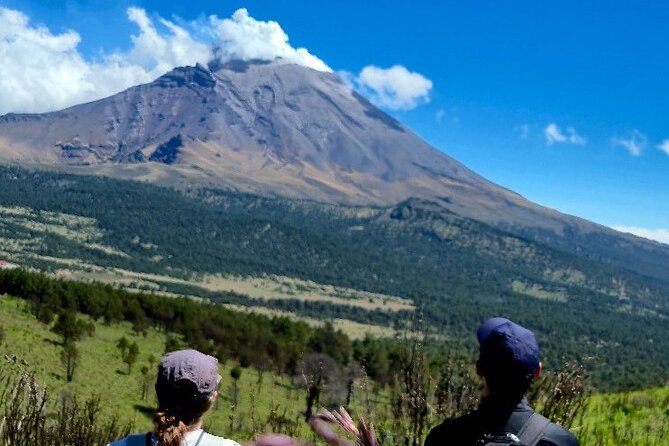
- Popocatépetl sightings with fumaroles happen during the climb, not just at the end.
- Forest-to-volcano scenery shift: pines, oaks, oyameles, then alpine scrub, then rocky terrain.
- 15 km walk with an 18 km option lets you choose your effort level.
- Private tour with Carlos or Mario keeps the day personal and paced for your group.
Paso de Cortés start: where the altitude adventure begins
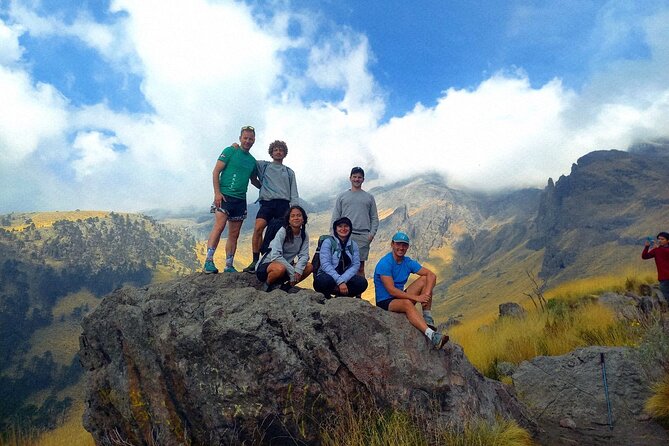
Your day kicks off in Puebla with pickup offered across most of the city (hotel, hostel, Airbnb—give your accommodation name or address when booking). From there, you head toward the Iztaccíhuatl–Popocatépetl National Park and begin at Paso de Cortés, around 3,500 meters above sea level.
Starting high means you don’t get to ease into altitude. Plan on slow, controlled steps from the beginning. This tour is built around breaks, hydration, and included snacks so you can keep moving without turning it into a punishment.
You can also read our reviews of more tours and experiences in Puebla City.
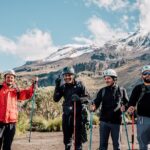
The walk uphill: from oyamel and mountain roses to alpine scrub
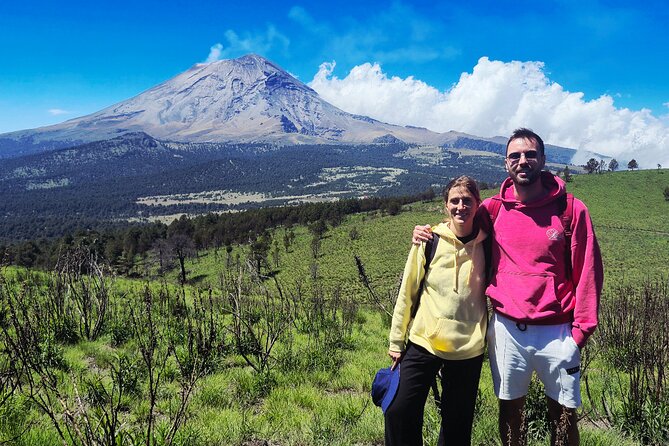
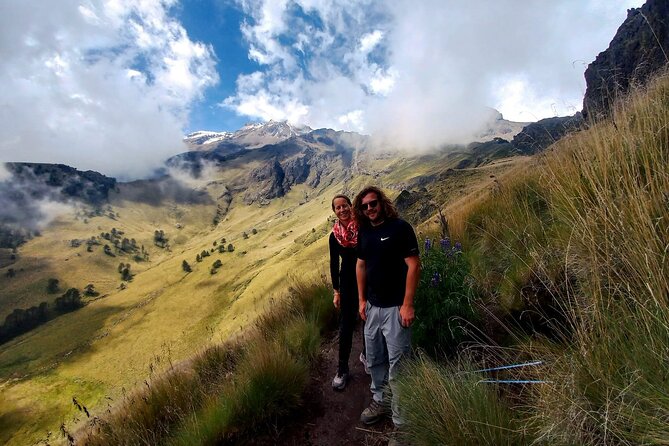
The trail follows a classic high-elevation progression. You’ll start in a forest with pines, oaks, and oyameles, where you may also spot mountain roses and the endemic Teporingo rabbit. As you gain height, the vegetation shifts into alpine scrub, and later the ground turns more rocky and volcanic.
That gradual change is one of the best parts for me because your eyes stay busy. You’re not just walking toward one view; you’re watching the ecosystem morph as the air thins and the terrain tightens.
Expect multiple technical stops for rest, hydration, and food. Those pauses make a big difference on a 7-hour walk, especially if you’re not used to mountain climbs.
Popocatépetl stops: seeing an active volcano up close
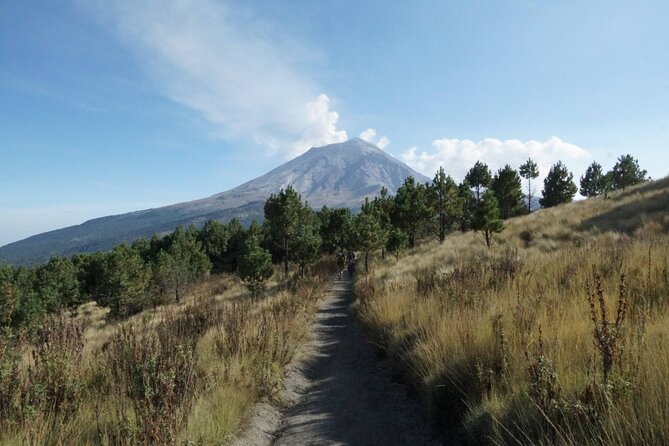
Popocatépetl is the star attraction during the ascent. You’ll observe the active volcano with fumaroles while you hike, with the mountain looming over the route. In clear conditions, it feels much more immediate than seeing a volcano from a distance in a city viewpoint.
This is also where good shoes and pacing pay off. As the climb gets steeper, you’ll want your steps to stay smooth so you can stop for photos without feeling breathless.
It helps that the route isn’t only about one mountain. From high points, you can also see other dramatic peaks like Pico de Orizaba, the Malinche, and the Sierra Negra. Even when Popocatépetl is hidden behind cloud, these surrounding views often keep the day visually satisfying.
Iztaccíhuatl stop at altitude: what it feels like to reach 4,000 m
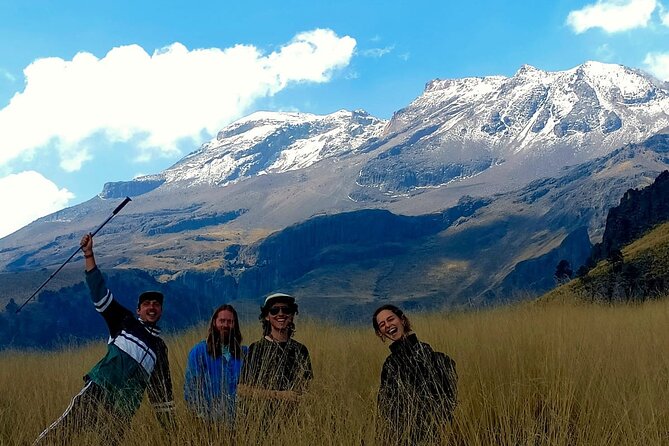
The hike’s main “destination” focus becomes Iztaccíhuatl, ending around 4,000 meters (with an option to go higher). The itinerary includes a stop labeled for Iztaccíhuatl, and the experience is designed so you get enough time at altitude to absorb the landscape rather than sprint through it.
Ending at 4,000 m doesn’t mean you’re at the absolute top the whole time, but it does mean the environment is unmistakably high. Your body will likely notice the thin air, even if you’re fit. That’s why the included snack-and-rest rhythm matters; it helps you keep the climb enjoyable instead of just exhausting.
The terrain near the end turns more rugged. That’s part of the charm, but it’s also why you should wear proper hiking footwear and stay aware of your footing on rocky sections.
Optional extension to 4,200 m: for the people who want more
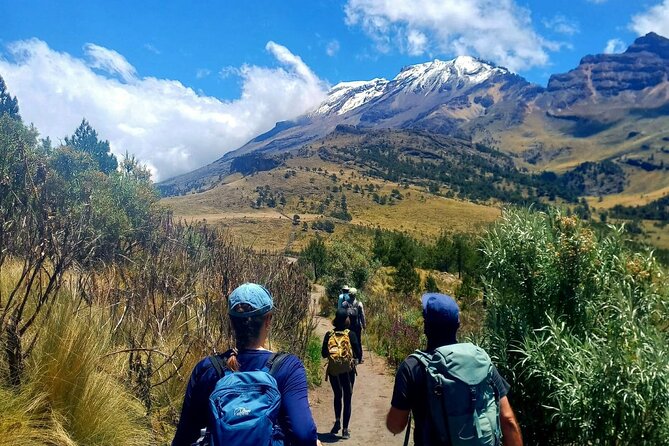
If you’re feeling strong, there’s an optional extension up to 4,200 meters. This is for the more adventurous and it comes with extra effort—distance can increase too, since you can extend from about 15 km up to 18 km depending on how you do the day.
I like having the choice because not everyone’s energy matches their ambition. If you’re pushing the higher option, treat it like a bonus hike, not a second promise you have to keep at all costs.
The key is to manage the last push the same way you did the beginning: steady steps, use the rest moments, and don’t try to “win” the climb. The best views often show up when you’re not rushing your breathing.
How the guides shape the day (Carlos and Mario)
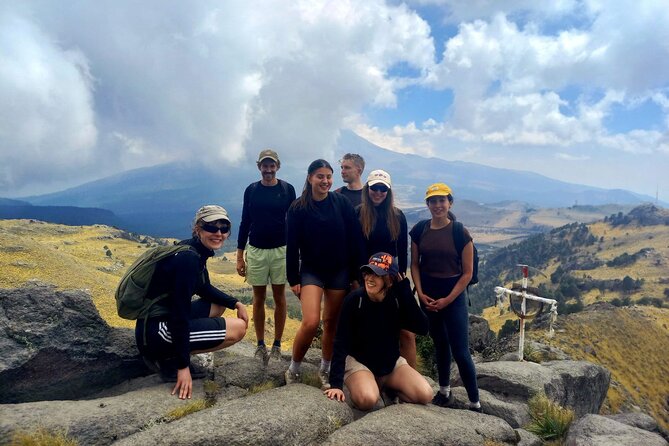
This is a private tour, meaning it’s just your group. You won’t be mixed into a large crowd, which helps the guides keep the pace comfortable and responsive.
In the feedback, Carlos comes up as especially reliable and considerate. Mario is also praised alongside Carlos as an excellent guide. I take that seriously because on a route like this—high altitude, changing terrain, and weather-dependent conditions—good guidance is what turns a tough hike into a satisfying one.
You can expect several planned stops with hydration and included food. That’s not just convenience; it’s how the day stays doable at altitude.
What’s included during breaks: snacks, fruit, and energy drinks
You’re not expected to carry everything. The hike includes foods during the trek: snacks, fruit, and energy drinks, served across multiple stops for rest and hydration.
This matters for value because high-elevation hikes can be harder than they look on paper. If you get hungry before the climb is done, the whole day starts to feel longer. Having steady “fuel points” keeps your energy more stable.
One more practical note: since the itinerary is weather-sensitive, you’ll want the calories and water while conditions are workable. Included drinks and snacks help you make the most of the day you’re given.
Price and value: is $119.56 worth a 12-hour high-altitude hike?
At about $119.56 per person, this isn’t a bargain-bucket excursion, but it also isn’t an out-of-reach luxury hike. You’re paying for a full day (about 12 hours total with roughly 7 hours walking), private guiding, pickup across much of Puebla, and included trekking food.
When I judge value here, I focus on what can’t be easily DIY’d: the logistics of getting from Puebla into the park, having a guide who manages pacing and breaks, and knowing how to structure the day around high-altitude hiking. If you tried to do this on your own, you’d still need transport, planning, food strategy, and a route approach—and the weather factor can be unpredictable.
If you’re someone who wants volcano scenery close to Puebla with minimal hassle, this pricing starts to make sense. If you’re already a very experienced mountain hiker and you want total freedom, you might weigh the cost against building your own day.
Timing, distance, and the real effort level
The tour lasts around 12 hours total, with about 7 hours of walking. The distance is listed as 15 km, with an option to extend to 18 km. That’s a lot of ground even for fit walkers, so the main question is how comfortable you are with a long, high-altitude trek.
Because the trail changes from forest to alpine scrub to rocky terrain, the “effort” isn’t uniform. The start can feel like a steady climb through trees, then later you’ll deal with more open terrain and rockier footing. You’ll feel it in your legs by the time you reach the higher end.
What to wear and bring for 3,500–4,200 m conditions
You only need sports clothing and shoes, but I’d treat that as the minimum, not the whole plan. Go with footwear you trust on uneven ground. Choose breathable layers, because altitude days can feel cool at the start and change as you climb.
Since the experience requires good weather, your clothing should also handle temperature swings and potential mist or wind. Pack a practical approach: comfortable layers, solid socks, and a plan to stay hydrated during stops.
If you’re considering the optional extension, plan for it early in the day. Legs and breathing can change fast at altitude, and having a “more effort later” mindset helps you avoid burning out before the option even matters.
Who this hike fits best (and who should think twice)
This hike fits well if you want real volcano scenery near Puebla and you’re okay with a long mountain day. It also suits solo travelers who prefer a private group dynamic; the guides and group setup come through as friendly and well-paced.
It may be less ideal if you’re very new to hiking or if you struggle with altitude. The route reaches about 4,000 m, with an optional higher push to 4,200 m. Even with breaks and snacks, that’s still a lot for the unprepared.
If you like changing landscapes—forest to scrub to volcanic rock—this trail gives you that progression in one outing.
Should you book this Iztaccíhuatl hiking day?
Book it if you want a guided, high-altitude volcano hike from Puebla with Popocatépetl views during the climb, private attention, and included food that keeps the day manageable. The combination of scenery variety and a structured pacing plan makes it a strong choice for travelers who want adventure without chaos.
I’d think twice if you’re set on a low-effort walk, because 15–18 km at 3,500–4,200 m is serious. Also, if your schedule is tight and you can’t be flexible for weather, you’ll want to plan your Puebla days so you have options.
FAQ
How long is the hike?
The walking time is about 7 hours, and the overall experience is approximately 12 hours.
Where does the hike start and what altitude do you reach?
It starts at Paso de Cortés at about 3,500 meters. The end of altitude is around 4,000 meters, with an optional extension up to 4,200 meters.
How far is the hike?
The distance is about 15 km, with an option to extend to 18 km.
Do you get pickup in Puebla?
Yes. Pickup covers most of Puebla, and you share your accommodation name and/or address when booking.
What food and drinks are included?
Meals during the hike include snacks, fruit, and energy drinks, served during technical rest stops.
What happens if the weather is bad?
This experience requires good weather. If it’s canceled due to poor weather, you’ll be offered a different date or a full refund.