REVIEW · BANYUWANGI
Ijen Crater Blue Fire Night Hike
Book on GetYourGuide →Operated by Sunny Go Tour and Travel · Bookable on GetYourGuide
Blue fire at 2 a.m. is real. This Ijen Crater Blue Fire Night Hike is a rare mix of night hiking, eerie volcanic light, and a sunrise view over one of the world’s most acidic crater lakes. You also get close to the human side of Ijen, where sulfur miners work in a place most of us would never choose.
I love the way the small team keeps things organized and calm, especially on the tricky dark descent and early rim time. I also like that the tour supplies key gear like a gask mask and a headlamp, so you’re not guessing what you’ll need in the volcanic highlands. Guides such as Qim Qim, Ron Ron, Bagus, Sule, Wahyu, and Kiki often lead the group energy, with a safety-first vibe and lots of encouragement.
One thing to plan for: you may not see the blue flames if conditions make footing slower or visibility changes, and the path can be slippery. That’s not a reason to skip the hike, but it is a reason to go prepared, follow guide instructions, and start early.
In This Review
- Key things that make this Ijen hike worth your time
- The pull of Ijen: blue flames, sunrise colors, and real sulfur work
- Starting at Lapangan Paltuding: the 15-minute safety reset
- Night hiking to the rim: headlamp life and the slippery parts
- Seeing the blue flames: what to expect in the dark
- Sunrise at Ijen: the lake’s turquoise-green shift
- Watching the sulfur miners: the hardest part to look away from
- Transport reality: small group comfort across long pickup routes
- Price and value: what $35 buys you at Ijen
- What to pack for a cold, volcanic night
- Who should go, and who should skip this one
- Booking tips that can make or break your experience
- Should you book the Ijen Crater Blue Fire Night Hike?
- FAQ
- How long is the Ijen Crater Blue Fire Night Hike?
- What time does the hike start?
- Are blue flames guaranteed?
- What gear is included?
- Is food included?
- What is the difficulty level?
- What should I bring?
- Do I need to provide a passport copy?
- Is Mount Ijen always open?
- Where do pickup and drop-off happen?
Key things that make this Ijen hike worth your time
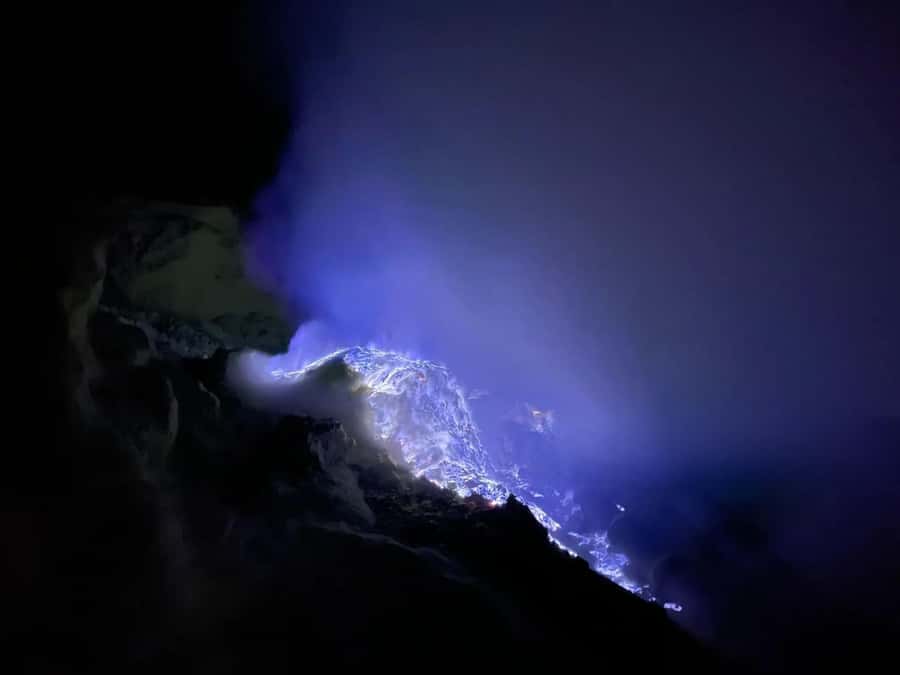
- Blue flames you can only really see in the dark, which is why the schedule is so early
- Gask mask and headlamp included, helping you focus on the hike instead of last-minute gear runs
- Guides known for early arrival and steady pacing, with extra attention on safety
- Sunrise crater-lake views after the night climb, with turquoise-green color that shifts as light changes
- The sulfur-miner reality check, where you witness serious, daily labor at the crater
- Small group size (up to 8), which usually means less waiting and more breathing room
The pull of Ijen: blue flames, sunrise colors, and real sulfur work
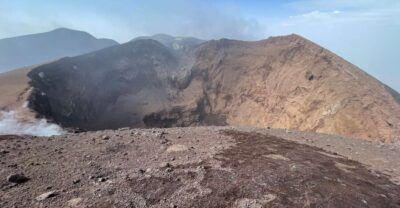
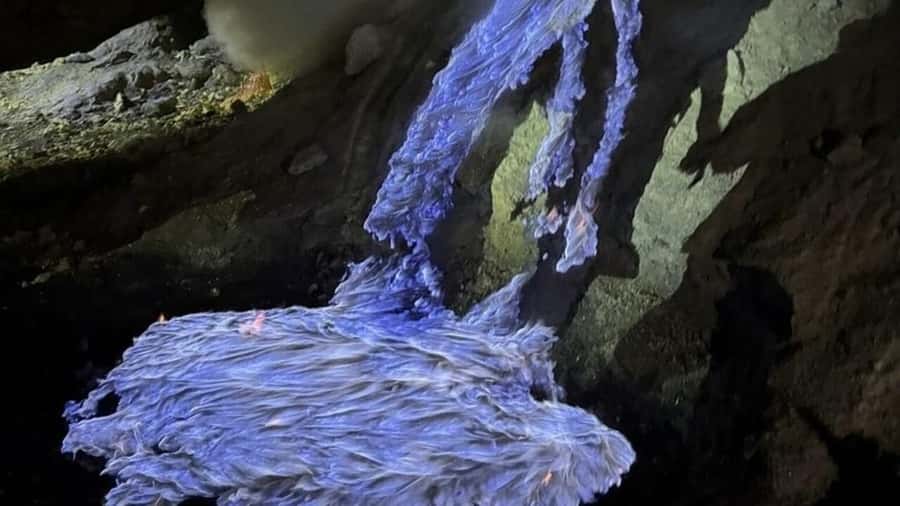
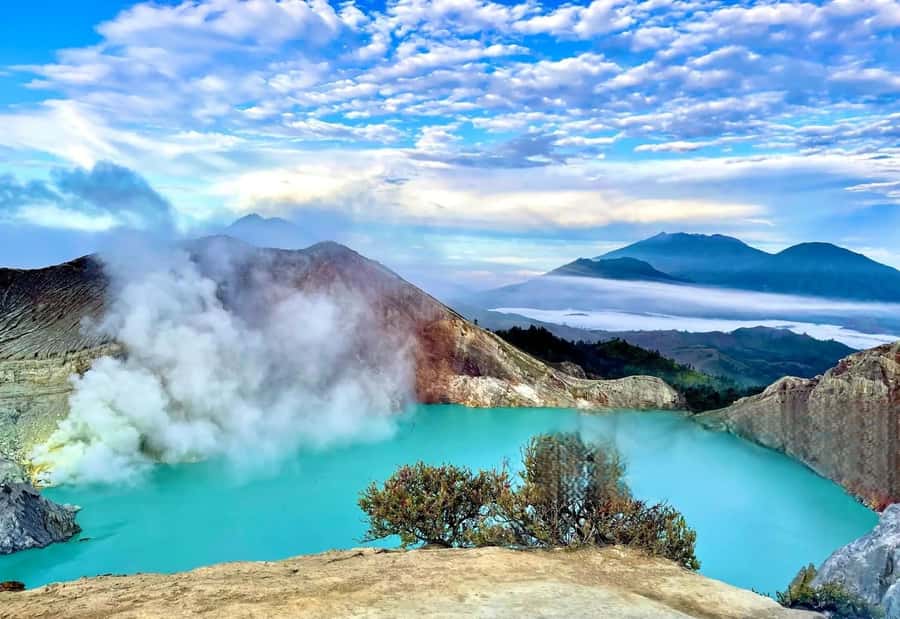
Mount Ijen on Java has a habit of feeling unreal. In the dark, the crater can look like a science-fiction set, with blue flames that only show up when you’re there at the right time and with the lights low. Then the scene flips at dawn: the crater lake comes into view as a glowing turquoise-green pool inside a raw volcanic bowl.
This tour matters because it doesn’t just sell a photo. You’re also there to see the intense work around sulfur, which makes the whole place feel grounded and human. That contrast is a big part of why people remember Ijen after the adrenaline wears off.
You can also read our reviews of more tours and experiences in Banyuwangi.
Starting at Lapangan Paltuding: the 15-minute safety reset
Before you head into the dark route, you’ll do a short safety briefing at Lapangan Paltuding. It’s only about 15 minutes, but it sets the rules for what matters most: moving carefully, handling volcanic air exposure, and using the gear you’re given.
That briefing is a quiet advantage. When you’re tired and the path is dim, you’ll be glad the safety talk already happened and you’re not improvising. If you’re prone to getting anxious on hikes, this is the kind of early structure that keeps you steady.
Night hiking to the rim: headlamp life and the slippery parts
The hike begins well before dawn, with pickup options that can be far across Java and even from Bali. Your total day length can run from about 9 to 20 hours depending on where you’re collected and returned. That early start is non-negotiable here because the blue flames are tied to nighttime conditions.
On the trail, you’ll hike under a star-filled sky with a headlamp, and your eyes will need time to adjust. The included headlamp helps a lot, but the real challenge is uneven ground. One practical point: in some conditions, the descent or sections of the route can feel slick, so you’ll want to take it slow and stick to the guide’s pace.
You’re not meant to rush. The best results come from steady movement, especially because your attention has to switch between footing and looking for the blue flames. If you’re the type who overdries your legs early, this is a good place to calm down and conserve energy.
Seeing the blue flames: what to expect in the dark
The blue flames are the headline, and they do show up in the right darkness. The tour is designed so you can reach the crater rim area before dawn, when the view is most dramatic and when you’re positioned for that eerie glow.
Still, “possible” and “guaranteed” are different things. If you have to slow down due to safety or footing changes, your view can be affected because timing matters. That’s why the guide style matters so much here. Groups that reach the rim early typically have more flexibility to find the best angles and settle in.
If you care about getting the shot, remember this: your camera is only as useful as your stability. Many people focus on the flames first and shoot second, but the ones who get better photos often do both by taking one or two minutes to stop moving, stabilize, then frame.
Sunrise at Ijen: the lake’s turquoise-green shift
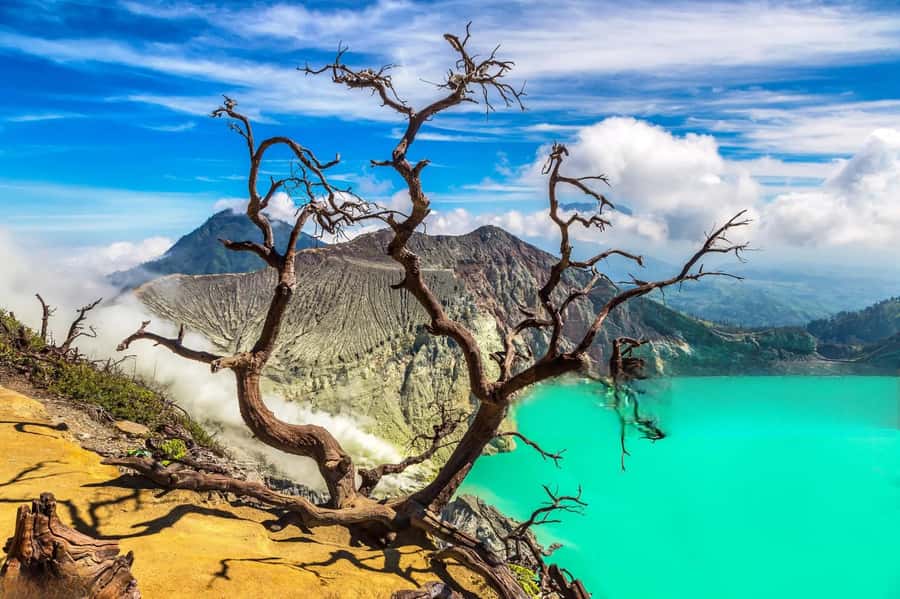
After the night viewing comes daylight, and sunrise is where the entire crater transforms. You’ll see the world’s largest acidic crater lake, and it can look bright turquoise to green depending on light and viewing conditions. In plain terms, you’ll be staring at a big, unusual water color that’s changing minute by minute.
This part of the experience is long because sunrise isn’t a quick moment. Your schedule includes a generous sunrise window, so plan on waiting, staying warm, and adjusting to shifting views. Bring layers you can actually move in, not just something you can zip up once and forget.
If you’re the type who likes landscape photography, this is also where you can stop thinking like a hiker and start thinking like a watcher. Look for how the cliffs frame the lake and how the light changes the “glow” effect on the crater basin.
Watching the sulfur miners: the hardest part to look away from
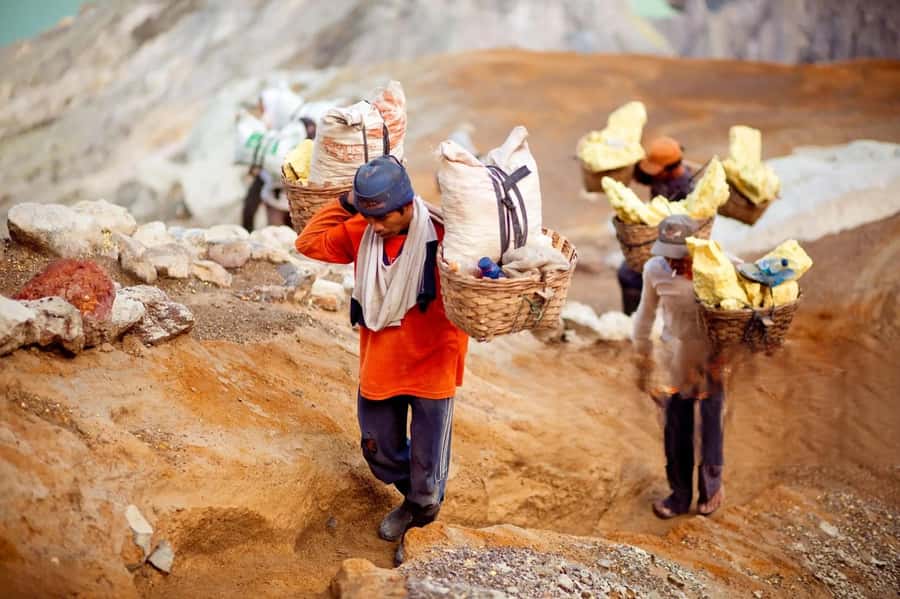
One of Ijen’s most powerful features is what’s happening around the crater, day after day. The tour includes time where you can learn about the intense labor of local sulfur miners who extract bright yellow sulfur from the crater area.
This isn’t a comfortable spectacle. It’s labor in harsh conditions, and seeing it close up gives you a better understanding of why people live here the way they do. Even if you only spend a short time watching, it changes how the whole crater feels—from a tourist attraction into a working environment.
The included gask mask isn’t just gear for the hike. It signals that this isn’t a normal walk-through. Take it seriously, and follow the guidance on when to use it and how to manage exposure.
Transport reality: small group comfort across long pickup routes
The logistics can be a little intense, mostly because Ijen sits in East Java’s volcanic highlands. You may be picked up from multiple cities, including options around Bali (Licin and Denpasar City), plus Ubud, Kalipuro, and Banyuwangi, with drop-offs mirroring those zones.
Because pickup routes vary, the tour duration is listed as 9 to 20 hours. That range is a big deal. If you’re coming from closer areas, you’ll feel it as a long half-day to full-day outing. If you’re coming from far across the water and out to the highlands, you’ll feel it as a full travel day, where comfort on the ride and punctual timing matter.
One reason this tour gets praise for transport is simple: it’s scheduled and organized enough that you can relax during the drive back and forth instead of constantly worrying about delays. That kind of reliability helps when you’ve already given your body an early start.
Price and value: what $35 buys you at Ijen
At about $35 per person, this hike can be good value if you factor in what’s covered. You get pickup and drop-off service, entry ticket fee for Mount Ijen National Park, hiking support including reaching the crater, plus the viewing for blue flames and guided trek portions.
You also get the practical items that cost money elsewhere: a gask mask and a headlamp. On top of that, there’s a health certificate and parking fee included. Meals and personal expenses aren’t included, so budget for those separately, but the core “Ijen access + safety gear + guide” piece is handled.
If you’re comparing tours, this is the value angle to focus on. The more you’re paying for early access, guide time on the route, and crater entry permissions, the more that base price makes sense.
One extra note: if your lodging is in the Ijen Resort or Licin region, there’s an extra fee of 150,000 IDR for group pickup. That’s not a reason to avoid the tour, but it is a detail worth checking before you confirm.
What to pack for a cold, volcanic night
The packing list for Ijen is straightforward, and you should treat it like a must-do. Wear comfortable shoes and plan on bringing warm clothing, plus a jacket and rain gear. Bring water, and if you have trekking gear, use it.
A few practical packing tips from the reality of nighttime hikes:
- Pack layers so you can cool down and warm up without changing everything at once
- Bring rain gear even when skies look calm, because mountain weather can turn
- Use shoes with grip for slippery sections of trail
If you’re unsure, err on the side of warmer. Nights near volcanoes can feel colder once you stop moving.
Who should go, and who should skip this one
This hike is described as moderately challenging and it demands reasonable fitness. It’s not the kind of route you can “power through” if you’re currently sedentary or dealing with persistent knee or ankle issues.
It’s not suitable for:
- pregnant women
- people with mobility impairments
- people with heart problems
- people with respiratory issues
- people with low level of fitness
If any of those apply to you, choose a safer alternative. The crater environment and the early timing make this a serious hike.
If you’re generally healthy and enjoy early starts, you’ll likely find the climb doable with the guide pacing. The small-group size also helps because you’re not stuck behind a slow-moving line.
Booking tips that can make or break your experience
Two details matter more than people think. First, Mount Ijen is closed every first Friday of the month, so your plans need to avoid that day. Second, you’ll be asked to send a copy of your passport to handle the Ijen ticket.
For the best chance of a strong viewing moment, you also want to be on time for pickup. If pickup is arranged, wait in the hotel lobby about 10 minutes before the scheduled time. With a hike this early, being even a little late can push the group’s timing off track.
Finally, if you’re considering a pay-later option, it can be helpful if your Java schedule is still in motion. Just make sure you’re confident about your travel days around the first-Friday closure rule.
Should you book the Ijen Crater Blue Fire Night Hike?
You should book if you want a bucket-list experience that mixes blue flames, sunrise over the acidic crater lake, and a real look at sulfur mining labor. The combination of included gear (gask mask and headlamp), small group size, and guided support makes this feel more manageable than doing it on your own, especially with an early-night start.
Skip it if you need accessible routes, have heart or respiratory concerns, or if you know you struggle with moderately challenging hikes on uneven terrain. Also be honest about expectations: blue flame visibility depends on timing and conditions, and sometimes the route pace changes for safety.
If you match the fitness level and you’re ready for an early, long day, this is one of those rare tours that delivers more than a single moment. You get the whole arc: dark climb, flame glow, then dawn light turning the crater lake into something you can’t explain away as just scenery.
FAQ
How long is the Ijen Crater Blue Fire Night Hike?
The duration is listed as 9 to 20 hours, depending on your starting pickup time and location.
What time does the hike start?
You depart before midnight and hike under the stars to reach the crater rim before dawn.
Are blue flames guaranteed?
The blue flames are a nighttime phenomenon, and visibility depends on conditions and timing. The tour is scheduled for the right darkness window, but you might not see them in every situation.
What gear is included?
You get a gask mask and a headlamp. Guides also provide a safety briefing before the main crater hike.
Is food included?
No. Meals are not included, so plan to buy food separately or eat before and after the hike.
What is the difficulty level?
The hike is moderately challenging and requires a reasonable level of fitness.
What should I bring?
Bring comfortable shoes (hiking shoes if you have them), warm clothing, a jacket, rain gear, trekking gear if possible, and water.
Do I need to provide a passport copy?
Yes. You’ll be asked to send a copy of your passport for the Ijen ticket.
Is Mount Ijen always open?
No. Mount Ijen is closed every first Friday of the month.
Where do pickup and drop-off happen?
Pickup and drop-off are available across several East Java and Bali-area locations, including Licin, Bali, Denpasar City, Kalipuro, Ubud, and Banyuwangi. If you’re in the Ijen Resort or Licin region, there may be an extra 150,000 IDR group pick-up fee.