REVIEW · YULARA
Kata Tjuta: Valley of the Winds Circuit Hike
Book on GetYourGuide →Operated by SEIT · Bookable on GetYourGuide
One step into Kata Tjuta and the scale hits you fast. This guided Valley of the Winds circuit is great because you get a tight, informative walk with expert guide context on both natural and cultural history, plus a simple morning tea to keep energy up. The one real catch: it’s a challenging hike and not suitable if you have low fitness, mobility limits, or certain medical concerns.
I also like that this is a small-group style experience with personalized attention, not a cattle-call. And yes, you’ll be up close to those towering red-rock domes while you learn what the place means to the Traditional Owners, along with a bit of the region’s European history. The main drawback to plan around is physical: you’ll be walking for hours, so come ready with good shoes, water, and sun protection.
In This Review
- Key Things You’ll Notice on This Hike
- Kata Tjuta’s Valley of the Winds: what you’re really hiking
- 5-hour day, including a real walk: how the timing works
- Getting there from your hotel: the remote-day advantage
- Morning tea on the day you hike: small break, big impact
- The circuit hike between giant formations: where the effort shows up
- Natural history with a human voice: plants, animals, and context
- The sacred men’s area: respectful exploration, not a free-for-all
- The European history segment: how the guide expands the story
- Guides who make the hike better: what to look for
- What to bring (and what to skip): your comfort kit for the red rock
- Price and value: is $176 fair for a remote guided hike?
- Who should book this Valley of the Winds circuit?
- Should you book this Kata Tjuta hike?
- FAQ
- How long is the Valley of the Winds circuit hike tour?
- Where does hotel pickup happen?
- Is the Uluru Kata Tjuta National Park entry ticket included?
- What’s included in the tour price?
- Does the tour have a live guide?
- What should I bring for the hike?
- Is the hike suitable for people with mobility impairments?
- Can I bring children on this tour?
- Are there any rules about smoking?
- Can I cancel for a refund?
Key Things You’ll Notice on This Hike
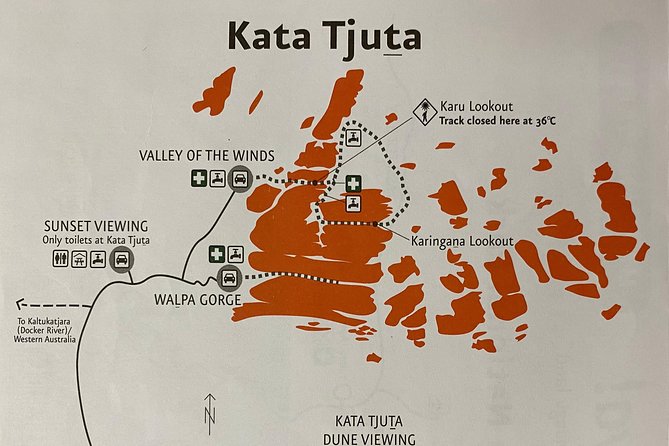
- Red-rock scale up close: giant geological formations that you literally walk between
- Guide-led natural and cultural stories: not just scenery, but meaning and history
- A challenging circuit, not a stroll: expect steady effort on the trail
- Morning tea and light refreshments: a small reset during a long walk
- Flora and fauna spotting: you’ll learn to notice what you’d otherwise miss
- Small-group attention: easier to ask questions and keep your pace
Kata Tjuta’s Valley of the Winds: what you’re really hiking
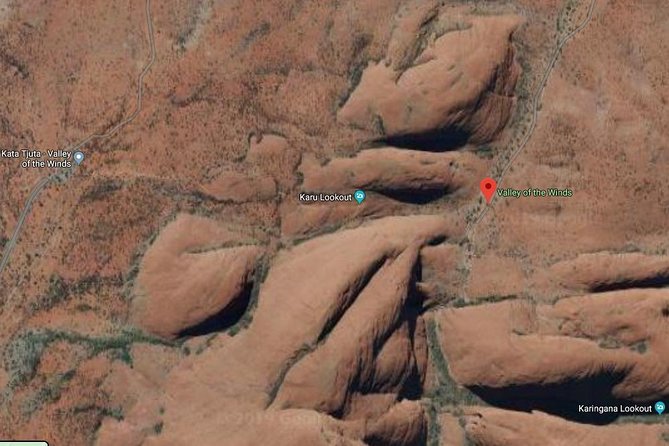
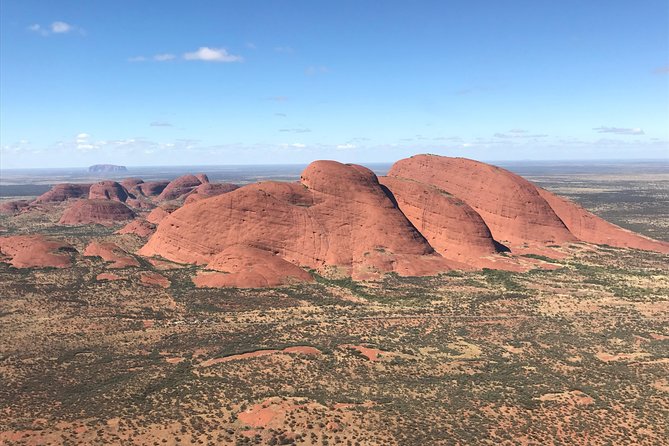
The Valley of the Winds hike at Kata Tjuta is all about seeing how the red-center “super domes” shape the land—and your walk—at human scale. Kata Tjuta is known for those huge, rounded rock formations, and the Valley of the Winds circuit gets you close enough that you notice textures, shadows, and how the air feels as you move between walls of stone.
What makes this tour more than a viewpoint hike is the guide’s focus. You’re not just getting a route; you’re getting interpretation. Your guide shares the natural and cultural history of the area, plus a segment on European history in the region. That combo matters. It turns the hike from scenery consumption into a place you can understand while you’re standing inside it.
Also, this tour includes time in a sacred area described as a sacred men’s area. If you’re curious, respectful, and willing to follow instructions, that part of the experience can make the whole walk feel more grounded and less like a photo stop.
5-hour day, including a real walk: how the timing works
This is scheduled for 330 minutes, but that doesn’t mean you’re walking for the full 5.5 hours. The day breaks down into the parts you actually feel:
- About 1 hour by van to get you from your pickup point to Kata Tjuta
- About 3 hours hiking on the Valley of the Winds circuit
- Plus the time that fills in the gaps: briefing, movement between areas, and morning tea with light refreshments
That timing is important for planning your energy. You’ll likely feel the hike most during the 3-hour walk, but the van time and breaks can make the whole experience feel longer than you’d expect if you only think of “three hours of hiking.” Bring what you need so you’re not trying to scramble for water or shade mid-circuit.
If you’re someone who runs cold or hot easily, this is also the kind of day where you’ll want layers and sun protection ready—because the red rocks can mean bright glare and strong heat.
Getting there from your hotel: the remote-day advantage
Kata Tjuta is remote, so the fact that this tour includes transfers to and from your hotel is a real value. You won’t need to rent a car or wrestle with long distances on your own. The tour offers four pickup location options at Ayers Rock Resort-area stays, including Sails in the Desert, Outback Pioneer Hotel & Lodge, Desert Gardens Hotel, and Ayers Rock Campground.
That matters if you want a smooth, low-stress start. The logistics of the Outback can be part of the friction, and here they’re handled for you.
Drop-off is also handled back at the same style of locations (including Sails in the Desert, Desert Gardens Hotel, Outback Pioneer Hotel & Lodge, and Ayers Rock Campground). So your day ends the way it began: no extra driving, no guesswork about how long it’ll take you to get back.
Morning tea on the day you hike: small break, big impact
This tour includes morning tea and light refreshments. In a remote place, that’s not just a perk—it’s practical. A longer walk in heat and bright sun can turn “I’m fine” into “I need fuel now” faster than you think.
Having refreshments included also helps you travel light. You still bring your water (you should), but you don’t need to plan a full snack stash just to get through the morning. It’s a gentle reset before or during the hike portion, depending on how the day is scheduled.
My advice: use the break to check your gear—water level, sunscreen coverage, and whether your shoes feel secure. Those small checks can prevent a rough second half.
The circuit hike between giant formations: where the effort shows up
The heart of this experience is the 5-hour Valley of the Winds circuit with a challenging walk between the giant geological formations. “Challenging” here is the key word for your planning. This is not a flat path and it’s not designed for people with mobility impairments or low fitness.
What you can take from the tour info:
- You’re walking for about 3 hours
- You’ll be moving through sections tied to the formations and circuit route
- You need comfortable shoes and you should come prepared with water and sunscreen
So how do you pace it? Here’s what usually works best on red-rock circuits:
- Start slightly slower than you think. The first part can feel easier than the later sections.
- Use the guide’s stops as a natural cadence. The tour is built around interpretation, so waiting a few minutes for context is normal.
- Keep your eyes on footing, not just the view. You can admire the domes and still avoid the “trip and ruin the moment” problem.
One more thing: the tour is not suited for low fitness or people with certain medical needs, including respiratory issues. If you fall into that category, be honest with yourself about your ability to manage sustained walking.
Natural history with a human voice: plants, animals, and context
One of the strongest reasons to book a guided version is that the guide helps you notice what matters. This hike is framed around natural history—including a diverse range of flora and fauna you can see while you walk.
On a self-guided visit, you might photograph a plant without knowing what it is or why it matters here. With a guide, you’re more likely to learn what you’re looking at, how it survives in the red-center conditions, and how the local ecology connects to the landscape.
You’ll also get help understanding why the formations and the environment work together. When you’re given that context, the walk starts to feel more like learning—and less like just getting exercise in a scenic location.
And yes, you’ll probably get plenty of chances to ask questions. In small-group settings, those questions don’t feel awkward. You can ask what you’re seeing and get answers while the view is still in front of you.
The sacred men’s area: respectful exploration, not a free-for-all
The tour includes walking through an area described as a sacred men’s area. That’s a big part of why the experience feels different from a generic nature hike.
I recommend bringing a respectful mindset:
- Listen when your guide explains what’s appropriate
- Follow instructions quickly, especially around where you stand and how you move
- Keep the focus on understanding, not just photographing
This section can be meaningful because it connects the natural features to cultural importance. Even without heavy prior knowledge, the guide-led framing can help you appreciate the difference between viewing a rock formation and understanding its cultural place.
The European history segment: how the guide expands the story
Your guide also shares European history of the region. The tour doesn’t list every detail in advance, but the inclusion signals that the experience aims to cover multiple layers of meaning: Indigenous cultural significance, plus the later European timeline.
Why this helps you as a visitor: it gives you context for what you’re seeing in the broader “red-center” story. When you know a little about how different peoples interacted with the region over time, your day feels less like an isolated hike and more like part of a larger human history.
If you like your travel with context (and not just facts-for-facts’ sake), this is a plus.
Guides who make the hike better: what to look for
This tour is led by a live English-speaking guide. Some names you might hear along the way include Jackie and Ali—both highlighted for strong explaining and good energy on the walk.
In practical terms, what I’d watch for in a good guide here:
- They explain geological background in a way you can remember while you walk
- They point out plants and help you connect them to the environment
- They handle the pace of the group so everyone can enjoy the scenery
One more useful tip: bring your own water and sunscreen, but it’s comforting to know guides often help keep people supported during the day. Still, don’t plan to rely on anyone else for essentials.
What to bring (and what to skip): your comfort kit for the red rock
The checklist is simple, and you should take it seriously:
- Comfortable shoes (you’ll be walking for hours)
- Sun hat
- Sunscreen
- Water
And a key rule: no smoking.
Also, because the hike is not suitable for wheelchair access and is not designed for mobility limits, plan as though you’ll be on foot for the main hike segment. That means:
- Don’t wear new shoes the day before
- Avoid sandals or anything that doesn’t support your stride
- Keep your water accessible, not buried somewhere you’ll need to stop and dig for later
If you’re tempted to skip sunscreen because the light feels manageable, don’t. In the red center, sun can hit hard even when you’re focused on the view.
Price and value: is $176 fair for a remote guided hike?
At $176 per person, this tour isn’t the cheapest thing on your schedule—but it’s also not inflated for what you get. Here’s what you’re paying for that matters in this part of Australia:
- A guided hike (expert guide)
- Small-group style attention
- Transfers from multiple hotel pickup options
- Morning tea and light refreshments
- The structure of a longer circuit with stops for interpretation
The cost becomes more reasonable when you remember the setting. Remote travel has real costs: time, fuel, staffing, and the logistics of getting you there safely.
One item not included: Uluru Kata Tjuta National Park entry ticket. So treat the $176 as the tour fee and expect to add the park ticket on top. If you’re trying to budget tightly, check the ticket cost early so there are no surprises at checkout.
If you’d otherwise skip guided interpretation, this is where the money can justify itself. A good guide turns the hike into something you carry home in your memory, not just on your camera roll.
Who should book this Valley of the Winds circuit?
This is a great match if you:
- Want a challenging guided hike
- Like learning about natural and cultural history
- Prefer small-group attention
- Are ready for sustained walking and have decent fitness
You should think twice (or choose a different option) if you:
- Have mobility impairments, need wheelchair access, or struggle with walking for long stretches
- Have back problems, respiratory issues, or other pre-existing medical conditions that could be affected by physical effort
- Have a low level of fitness
- Are traveling with children under 5 years
Also, if you’re someone who gets overwhelmed by heat or sun, plan carefully. Bring the essentials, pace yourself, and don’t treat this as a casual stroll.
Should you book this Kata Tjuta hike?
I’d book the Valley of the Winds Circuit if you want your red-center time to include both a real workout and real meaning. The guide-led mix of geology, plants and animals, plus cultural and European history makes it feel like more than “walk and take photos.” Add transfers and morning tea, and you get a day that runs smoothly without you managing logistics in the outback.
Skip it if you’re not comfortable with a challenging multi-hour walk, or if health issues could make sustained hiking risky. This isn’t built for gentle mobility, and the setting doesn’t forgive last-minute changes.
If you’re physically up for it, though, this is exactly the kind of guided hike that helps you understand why Kata Tjuta leaves people quiet for a minute.
FAQ
How long is the Valley of the Winds circuit hike tour?
The tour duration is 330 minutes, with about 3 hours spent hiking and about 1 hour on van transfers.
Where does hotel pickup happen?
Pickup is available from several locations around Ayers Rock Resort, including Sails in the Desert, Outback Pioneer Hotel & Lodge, Desert Gardens Hotel, and Ayers Rock Campground.
Is the Uluru Kata Tjuta National Park entry ticket included?
No. The park entry ticket is not included in the tour price.
What’s included in the tour price?
Included are morning tea and light refreshments, an expert guide, transfers to and from your hotel, and language audio if requested (advice needed on language).
Does the tour have a live guide?
Yes. The tour includes a live English-speaking guide.
What should I bring for the hike?
Bring comfortable walking shoes, a sun hat, sunscreen, and water.
Is the hike suitable for people with mobility impairments?
No. It is not wheelchair accessible and is not suitable for people with mobility impairments.
Can I bring children on this tour?
Children under 5 years are not suitable for this experience.
Are there any rules about smoking?
Smoking is not allowed.
Can I cancel for a refund?
Yes. Free cancellation is available up to 24 hours in advance for a full refund.