REVIEW · KYOTO PREFECTURE
Kyoto: Hike and Hot Springs in Kurama
Book on GetYourGuide →Operated by Kyoto Fun · Bookable on GetYourGuide
Kurama turns a busy Kyoto day into fresh air. This half-day hike pairs a mountain train ride, cedar-forest trails, and temple stops that feel a world away from the city center.
I really like the way the route mixes easy-to-follow paths with frequent pauses for views and stories, so you feel “spent in a good way” by the time you reach the top. I also love ending with onsen options in Kurama village, because your legs get to relax fast.
A big consideration: the climb is real. You’ll be walking steep steps on Kurama Mountain (you’ll reach the peak in about 30–40 minutes once you start the ascent), so you need comfortable shoes and a decent fitness level.
In This Review
- Key things to know before you go
- From Demachiyanangi to the mountains: the day gets quieter fast
- Kibune shrine and the relationship prayer stop
- Hiking up through cedars toward Kurama Temple
- The Kurama Temple summit: power-spot feeling and valley views
- The descent to Kurama village, plus food and wandering time
- Kurama hot springs: what you’re paying for and how to plan it
- Price and value: is $80 for 4 hours fair?
- Who should book this Kurama hike, and who should skip it
- Should you book this Kyoto Fun Kurama hike and hot springs?
- FAQ
- How long is the Kyoto hike and hot springs tour in Kurama?
- Where do I meet for the tour?
- What’s included in the $80 price?
- What is not included in the tour price?
- Is the hot spring part mandatory?
- What should I bring?
- Is the tour suitable for kids or mobility needs?
Key things to know before you go
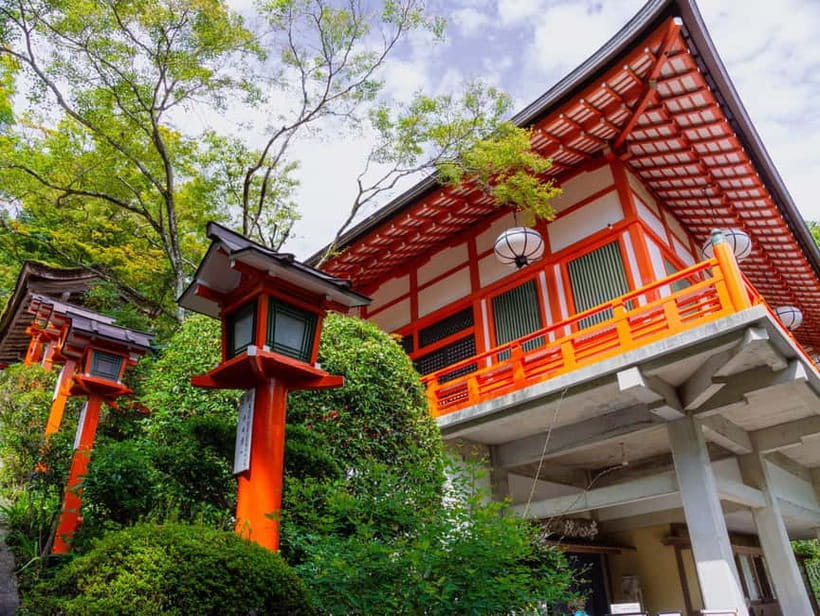
- Demachiyanangi Station start: meet at exit 7 by the Eizan railway, then head into the gorge by train.
- Kibune shrine prayer: you’ll make a wish connected to relationships, not just take photos.
- Ancient cedar forest hike: crisp air, quiet scenery, and planned stops along the way.
- Kurama Temple “power spot” visit: mountain views up high, plus extra temple areas if accessible that day.
- Hot spring finish is optional: onsen fees aren’t included, but you may get a discount ticket.
From Demachiyanangi to the mountains: the day gets quieter fast
Your day starts at Demachiyanangi Station exit 7, right in front of the Eizan railway. From there, you’re not immediately “on the hike.” You ease into it with a train ride that tracks through the mountains and toward the gorge area. That sounds simple, but it’s smart. It gets you out of Kyoto’s noise early, and you arrive already in hiking mode.
What I like about this pacing is how it helps you reset. You’re not sprinting to hit a temple before you’re even warm. Instead, you’re slowly switching from city-brain to mountain-brain: notice the river gorge, watch the scenery change, and start thinking about the places you’re going to walk toward.
The ride also sets expectations for the terrain. Even before you step off the train, you can feel you’re leaving flat ground behind. If you’re prone to underpacking, this is the moment to double-check your water and your footwear.
Kibune shrine and the relationship prayer stop
Early in the outing, you visit Kibune shrine as part of the hiking circuit. This isn’t framed as a quick sightseeing stop. You’ll actually do a prayer connected to good relationships, which gives the morning a more personal feel than just “walk, snap, move on.”
This part matters because Kurama and Kibune are connected by more than scenery. The area is about reverence—small rituals and steady attention. You’ll be guided through what to do and what the stop means, so you’re not left guessing in front of sacred spaces.
One practical note: this tour includes temple admission, so you’re not paying multiple small fees mid-day. It’s easier on your head and your schedule. Just keep in mind you’ll still want to dress for bugs and ground conditions.
Hiking up through cedars toward Kurama Temple
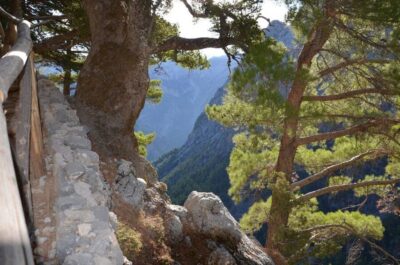
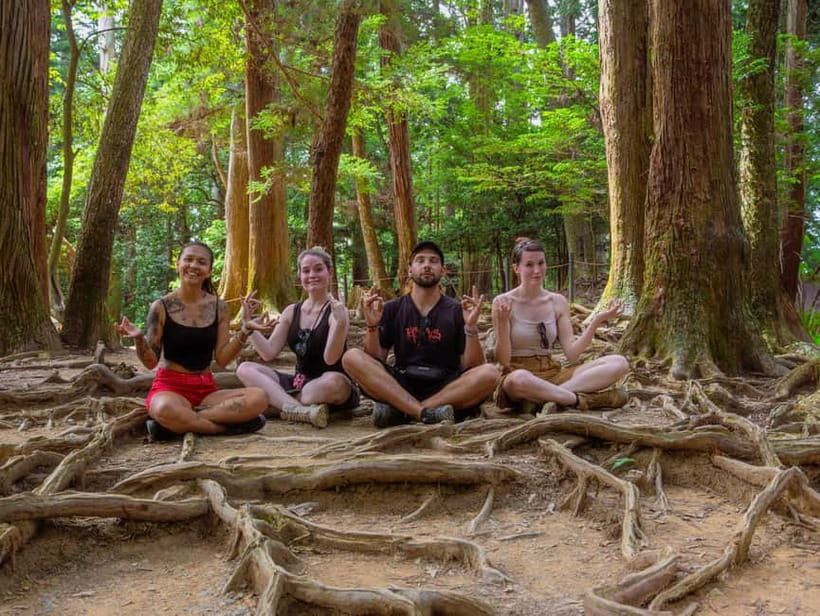
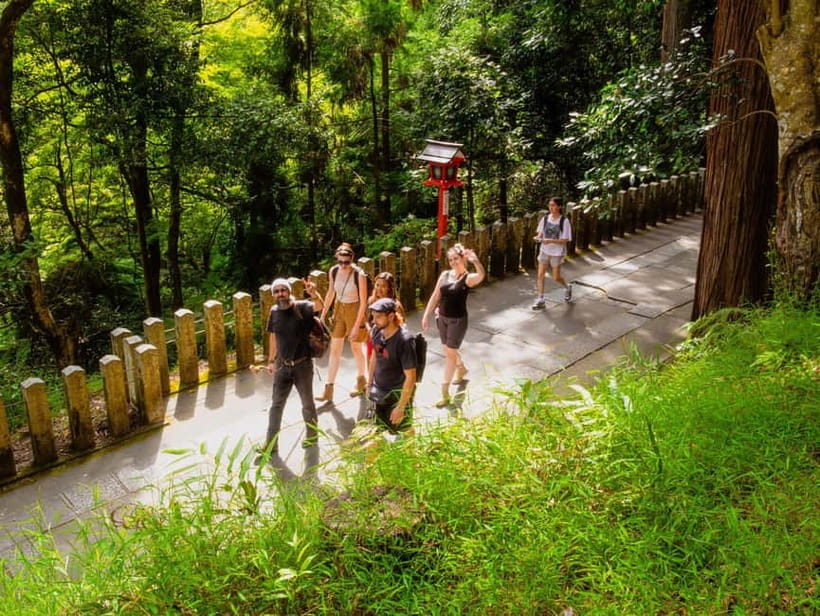
Once you start hiking, you’re in the ancient forest vibe: towering cedars, a trail that feels established, and lots of chances to pause without falling behind. The hike is described as moderate, but there’s one part you should treat as the “main boss”: the ascent toward the temple area. You can expect the peak to be reached within 30–40 minutes once you start climbing the steps, and the pace is affected by heat, humidity, and your own comfort with stairs.
The best way to prepare is boring but effective:
- Wear comfortable shoes with solid grip.
- Bring water and sip often, not only when you feel thirsty.
- If you want fewer bug bites, plan on long pants.
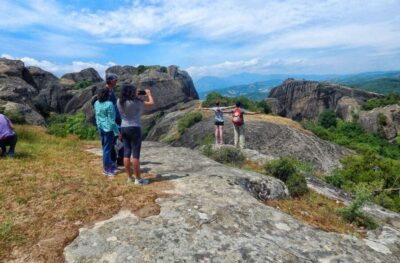
Along the way, your guide shares stories and local context. Guides linked with this tour (people have mentioned Philippe, Chris, Kevin, Salomé, and Eric) tend to go beyond the “name and date” basics. You get legends tied to the mountain, shrine traditions, and why these places are considered spiritually meaningful in everyday Kyoto life.
What you’re really buying with a guided hike like this isn’t just navigation. It’s interpretation. Without guidance, the forest trail can feel like scenery you pass through. With guidance, it becomes a route you understand while you walk.
The Kurama Temple summit: power-spot feeling and valley views
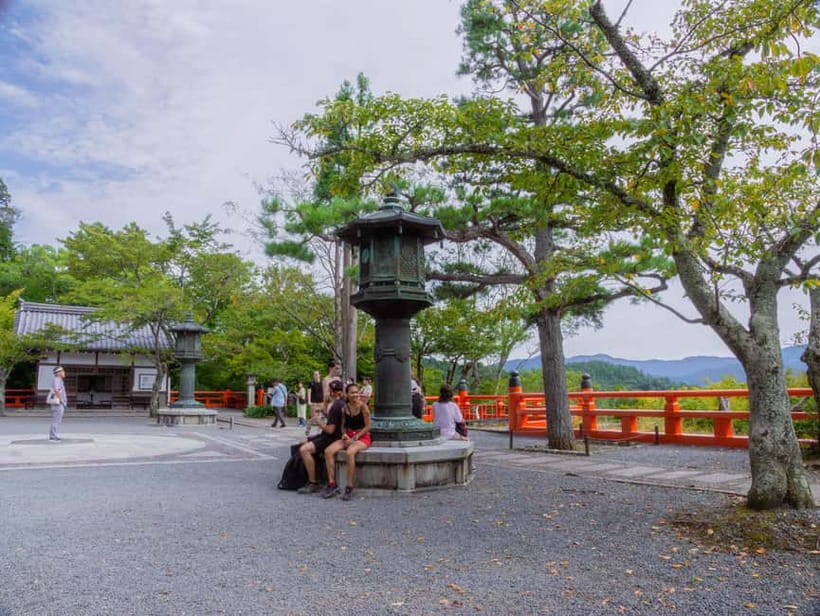
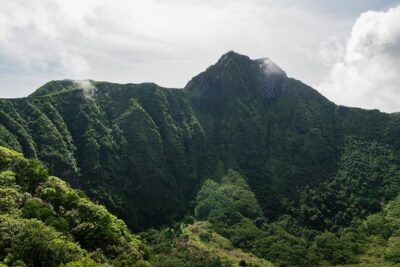
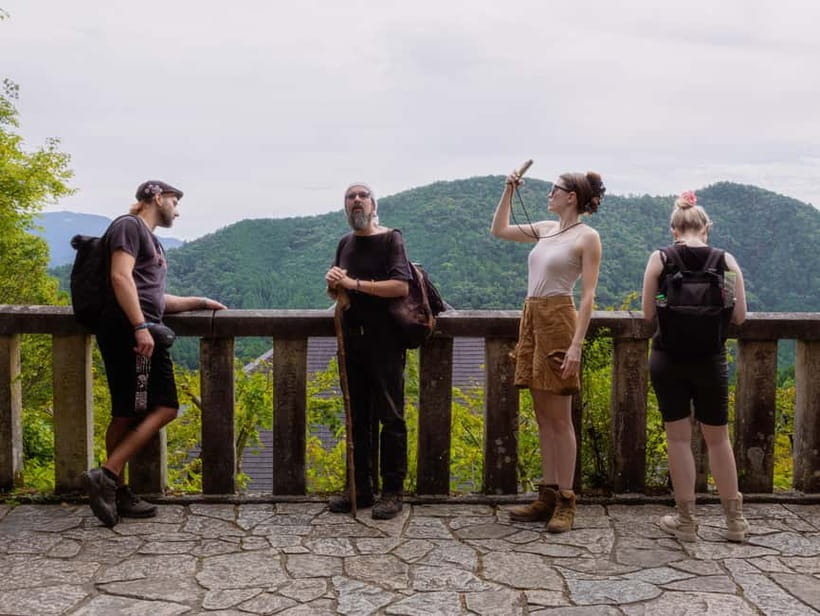
When you reach Kurama Temple at the top, the experience shifts from hiking effort to mountain calm. Locals describe Kurama as a power spot, and whether you call it that or not, the setting does something to your attention. The air feels different up there, and the views across the valley help you “come up for oxygen” after the climb.
You’ll also have time to offer prayers at the temple. That’s an important piece of the day, because it ties the physical climb to the spiritual reason people come here. It’s not just a workout with a prize at the end.
Views are a highlight, but so is the temple itself. Depending on how things are set up that day, you might even get details that many visitors miss. One example from past guests: some guides have led people to see the crypt and maze underneath the temple when those areas are accessible.
There’s also a practical reality to keep in mind. Temple areas can be under maintenance. If scaffolding or limited access affects visibility on your day, you may still be able to enter parts of the temple grounds, but the visual experience of the outer structure might be reduced. Your guide can help you focus on what’s available.
And yes, there’s often that satisfying moment: you’ve climbed. Now you’re taking in the place from the “I earned this” angle.
The descent to Kurama village, plus food and wandering time
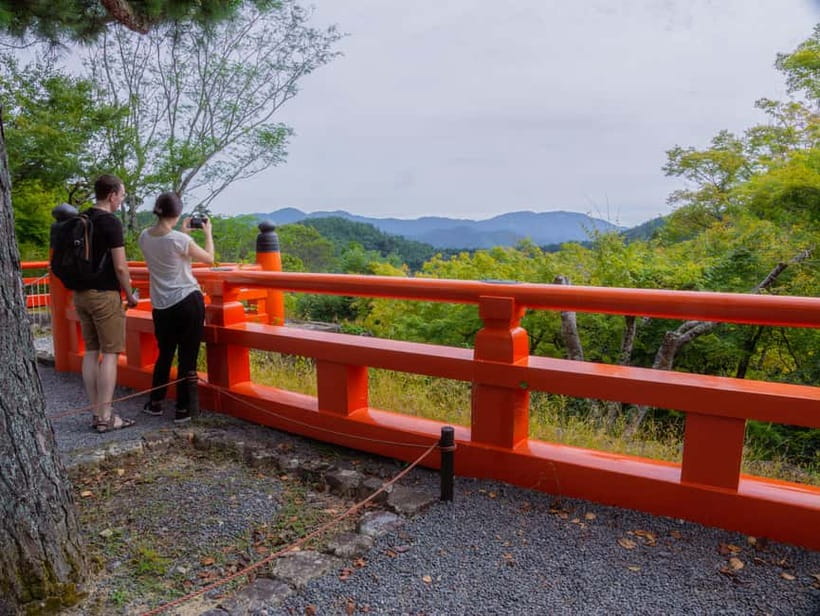
After the temple visit, you walk back down the steps toward Kurama village. This is where the tour stops feeling like a continuous climb and becomes a genuine break. You end up in a small mountain town feeling distinctly less touristy than central Kyoto.
This is also the moment when you choose your next move:
- You can grab lunch in the village (not included in the tour price).
- You can stroll around and take in the river area and streets at a slower pace.
- If you want the full payoff, you can add the hot spring.
I like this design because it prevents the “hike then straight back to the hotel” problem. You’re given a breathing space where your body can catch up and your eyes can slow down.
Also, since transportation back toward Kyoto is part of the included logistics, you’re not stuck planning your own timing while you’re tired. You get guidance at the end about options, so you can decide what feels best after you’ve walked.
Kurama hot springs: what you’re paying for and how to plan it
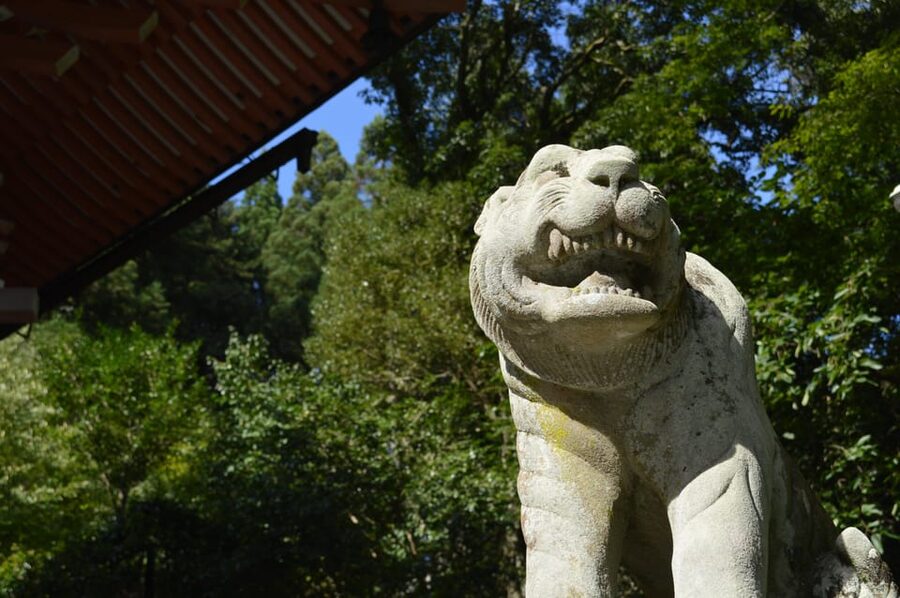
The Kurama hot spring finish is a major reason people choose this outing. Hot water after stairs is the simplest kind of relief, and the baths are known for impressive outdoor views of the mountainous setting. Since the onsen fee isn’t included, treat it as an optional add-on that you decide on once your legs tell you what they need.
Good news: the tour may offer a discounted ticket for the bath. That matters for value because it keeps the hot spring option from feeling like a separate “tax” tacked on after you’ve already paid for the hike.
If you’re deciding on the spot, think like this: if you’re the type who loves the ritual of soaking while the air cools around you, add it. If you’re worried about time or don’t enjoy hot baths, you can skip it and still end the day in the village before returning by train.
One more practical note: water and long pants matter for the hike, but don’t forget the basic hot-spring prep you’re personally comfortable with. The tour provides guidance on the experience flow, but it can’t swap your preferences.
Price and value: is $80 for 4 hours fair?
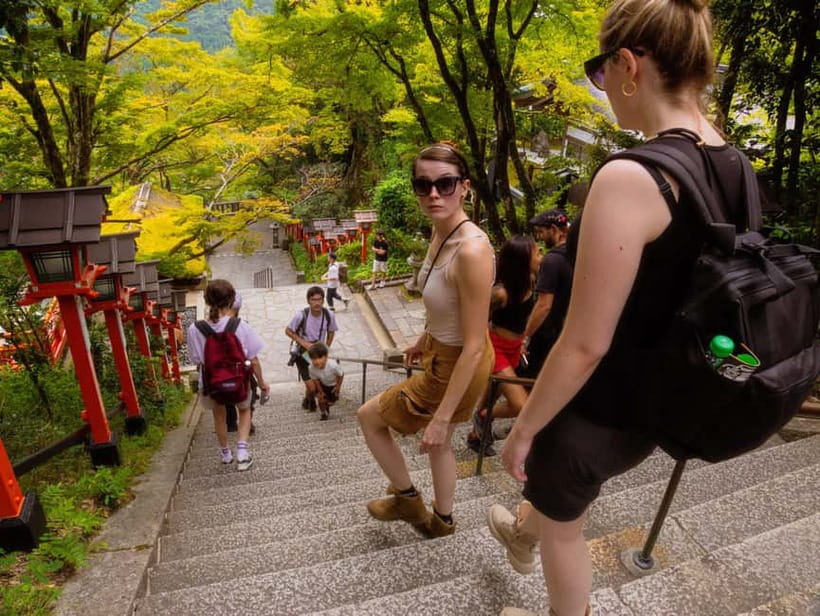
At $80 per person for about 4 hours, the value comes from the mix of what’s included. You’re paying for:
- A live guide (English or French),
- Temple admission,
- And the transportation used for the day’s route.
Lunch is not included, and the hot spring fee is not included. Also, transportation back to the meeting point isn’t included (you’re ending the tour in Kurama village with guidance, and returning to town by train is part of the overall plan). So you should budget a little extra for food and possibly the bath.
For me, the value equation is this: you’re buying a guided half-day with temple access plus a mountain route that’s easier with local help. The alternative—trying to piece it all together on your own—can be done, but you’ll spend more time figuring out connections and which shrine bits matter. Here, you’re handed a plan and a guide who can explain what you’re seeing while you walk.
It’s also a price that stays relatively “fair” because you’re not juggling multiple standalone attractions. The day’s components are connected: train ride, shrine prayer, hike, temple visit, village time, optional onsen.
If you want a calmer Kyoto experience without paying for a full day of private guiding, this one hits a sweet spot.
Who should book this Kurama hike, and who should skip it
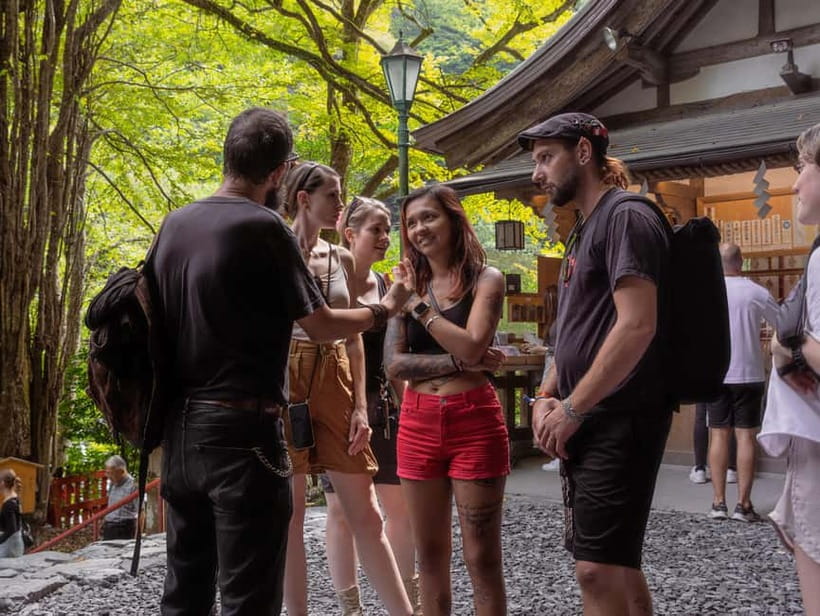
This tour is best for people who want a meaningful break from Kyoto crowds and don’t mind walking stairs. You’ll get nature, temple reverence, and a reset for your body in one half day.
Book it if:
- You have decent fitness and you’re comfortable climbing steps.
- You want a guided hike with cultural context, not just exercise.
- You like ending the day with a soak in a mountain setting.
Skip it if:
- You’re traveling with children under 11 (not suitable).
- You use a wheelchair or have mobility impairments (not suitable).
- You don’t have hiking experience or prefer flat, easy walking.
A final tip: match your timing and clothing to the season. In warmer weather, the climb can feel harder. In cooler weather, the air can feel sharp in a good way. Either way, wear layers you can manage as you heat up on the ascent.
Should you book this Kyoto Fun Kurama hike and hot springs?
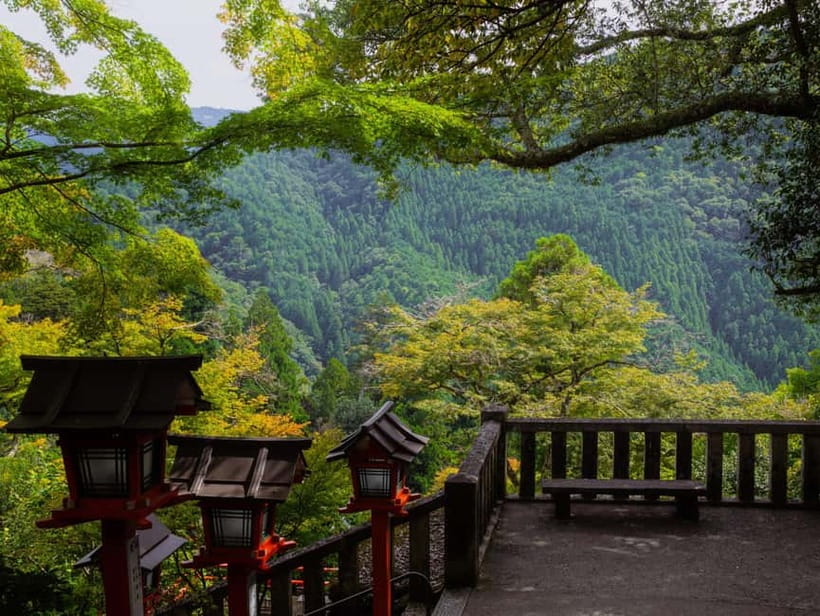
I’d book it if you want a half-day that feels both energizing and spiritually refreshing—the kind of Kyoto experience that doesn’t rely on getting in line for another famous photo spot. The combination of train ride, shrine prayer, Kurama Temple at the top, and the optional onsen finish is a strong formula for value.
But go in with honest expectations: this is a stair-and-steps climb. Bring good shoes, bring water, wear long pants if bugs are a concern, and plan for a real workout for your calves.
If that sounds like your idea of a perfect Kyoto day, reserve your spot and plan to enjoy Kurama at human speed, not tour-bus speed.
FAQ
How long is the Kyoto hike and hot springs tour in Kurama?
The tour duration is about 4 hours.
Where do I meet for the tour?
You meet at Demachiyanangi Station exit 7, in front of the Eizan railway, Kyoto.
What’s included in the $80 price?
The price includes the guide fee, temple admission, and transportation used during the tour.
What is not included in the tour price?
Lunch is not included, and the hot springs fee is not included.
Is the hot spring part mandatory?
No. It’s an option you can choose after you reach Kurama village.
What should I bring?
Bring comfortable shoes and water. Long pants are recommended to help avoid bug bites.
Is the tour suitable for kids or mobility needs?
The tour is not suitable for children under 11, wheelchair users, or people with mobility impairments. It also isn’t suitable for people without experience.