REVIEW · LAKE TEKAPO
Lake Tekapo: Mountaintop Stargazing at Mount John Summit
Book on GetYourGuide →Operated by Dark Sky Project · Bookable on GetYourGuide
Clear skies over Tekapo feel like a cheat code. Up on Mount John at 1,029m, you get guided views of the Southern Hemisphere night sky from one of New Zealand’s best dark-sky locations. It’s a focused, grown-up astronomy show: start with the naked eye, then level up with telescopes—while you’re sheltered (as much as one can be) from the cold with provided gear.
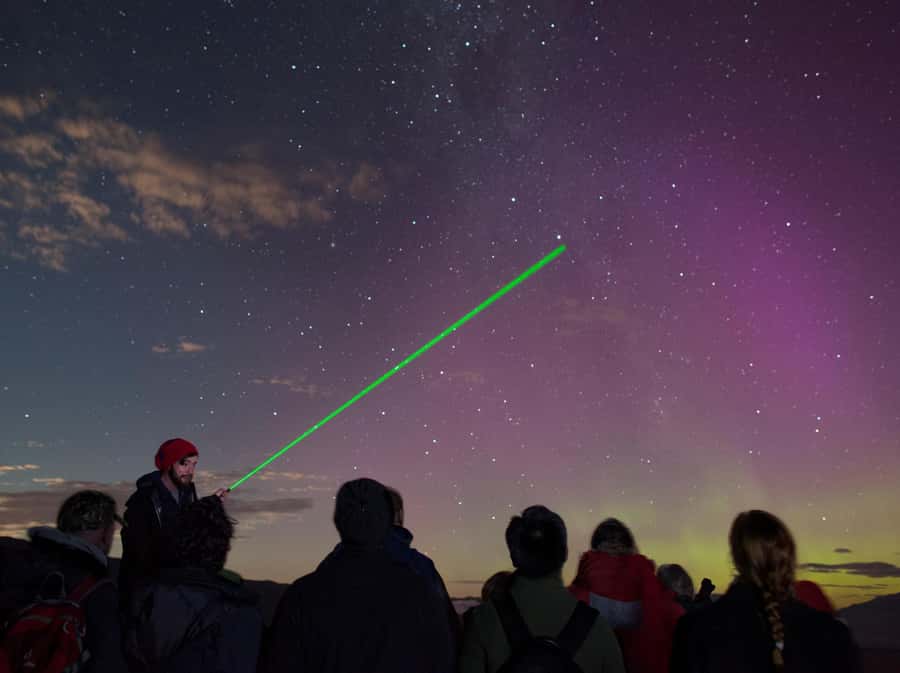
What I like most is how hands-on the instruction feels. The guides use handheld lasers to help you spot real targets fast, and then you switch to high-powered telescopes so you’re not just admiring a picture-perfect night—you’re learning how to find what you’re seeing. I also love the access aspect: you’re taken to the summit area with exclusive stargazing around the University of Canterbury research centre.
One thing to consider is that this is weather dependent and it’s cold. If you don’t mind brisk conditions and a bit of walking on gravel plus climbing a couple of steps in the dark, you’re in good shape; if you need mobility-friendly access, this isn’t the right fit.
In This Review
- Key things to know before you go
- Mount John Summit: Why this stargazing spot is so special
- The 105-minute rhythm: what happens during the night
- Start at the Dark Sky Project base (arrive early)
- The drive up: set your expectations
- Guided naked-eye stargazing with laser pointers
- Telescope time: where the night turns personal
- The “something new” feeling
- Cold-weather gear and comfort: what you’ll actually feel
- Walking in the dark: the fitness requirement that matters
- Your guide makes or breaks the night
- Moon and timing: when the Milky Way actually shows up
- What’s included, what’s not, and how to plan your evening
- Included
- Not included
- Price and value: is $130 per person worth it?
- Weather dependence and backup options: how to handle plan B
- Who this tour is best for (and who should skip it)
- Should you book Lake Tekapo mountaintop stargazing at Mount John?
- FAQ
- How long is the Lake Tekapo Mount John summit stargazing experience?
- How much does it cost?
- Where do I meet for the tour?
- What should I bring and wear?
- Is flash photography allowed?
- What languages are available for the live guide?
Key things to know before you go
- Mount John summit access at 1,029m above Lake Tekapo, with a prime dark-sky setting
- Laser-guided southern skies so you learn the constellations and major targets quickly
- Telescopes included, with guided viewing that changes night to night
- Extreme cold weather jackets provided for real summit conditions
- Return transport between the Dark Sky Project base and the summit
- No flash photography, which helps keep the darkness intact
Mount John Summit: Why this stargazing spot is so special
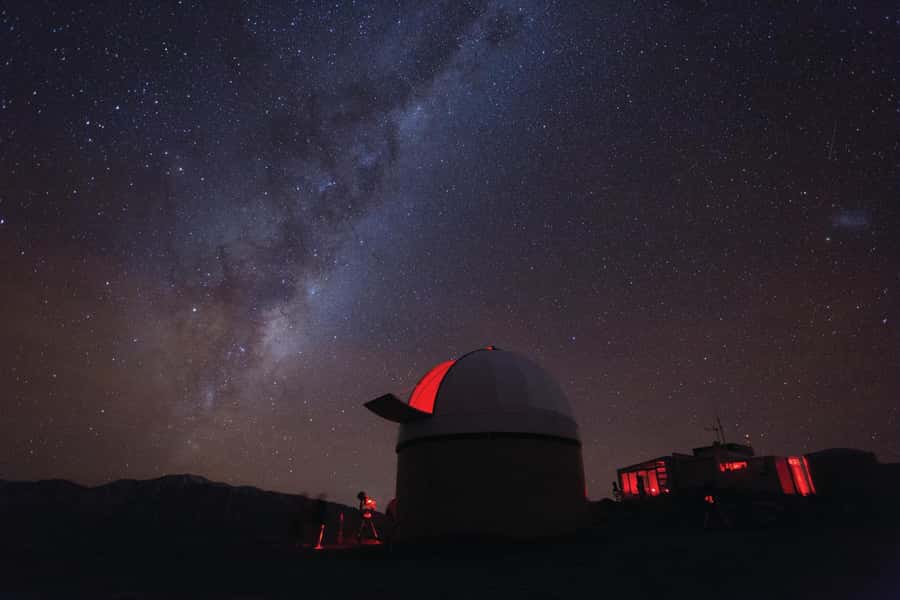
If you’ve only seen stargazing from a city, Mount John will reset your expectations. Here, the sky is dark enough that you can actually build a mental map. That matters, because the point of the night isn’t just a couple of telescope peeks—it’s learning how the Southern skies work.
Lake Tekapo sits in a part of New Zealand that’s known for low light pollution, and Mount John is the kind of elevation that turns darkness into clarity. You’re looking out over the Southern Hemisphere sky from a spot that’s part of the Gold Standard International Dark Sky Reserve environment. In plain terms: you get more stars you can see, and the objects you find stand out more cleanly.
The experience is run by Dark Sky Project, and the setting feels purpose-built. You’re not wandering around alone in the cold. You’re guided at the summit, with a structured flow that moves from big sky to close-up sky.
The 105-minute rhythm: what happens during the night
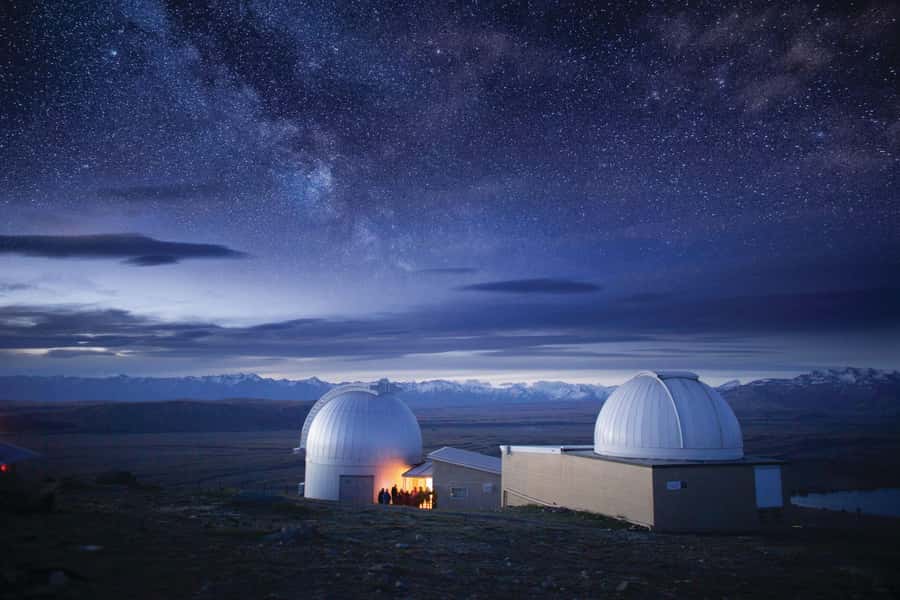
This tour is short on purpose. At 105 minutes, you get a complete stargazing arc without spending your whole evening frozen. The schedule is built around what the human brain can handle: first orient, then focus, then enjoy the show.
Start at the Dark Sky Project base (arrive early)
You meet at the Dark Sky Project base at the Takapō (Tekapo) lakefront. Plan to check in at least 20 minutes early. That buffer matters because you’ll want time to get set with warm layers and get briefed before the trip up.
A small but helpful detail from experience notes: there’s typically parking near the centre, and you’re driven up after check-in. That reduces stress. You’re not trying to find your way at night on your own.
The drive up: set your expectations
The ride up to the summit is part of the experience. It gives you time to get comfortable and mentally switch modes. Even if the sky isn’t spectacular yet, you’ll know what the guides are about to do: teach you how to find targets and then put you at the eyepiece.
In the tour flow, guides also help you understand what you’re looking at—so the night doesn’t feel like a random star tour. It becomes a guided astronomy lesson, paced for real life in cold air.
Guided naked-eye stargazing with laser pointers
Once you’re on the summit, you begin with the “big sky” view. The guides use handheld lasers to point out celestial sights. This is one of the best ways to learn quickly because it removes the guesswork. You’re not scanning for something you can’t even locate.
You’ll likely build your bearings by working from well-known anchors in the Southern sky. Notes from past visitors include learning how to find the southern celestial pole, plus spotting major objects like Alpha Centauri and Jupiter. That kind of instruction is exactly what you want on your first or second time under a truly dark sky.
Also, don’t worry about feeling lost. The lanyard torch you may be given (mentioned in feedback) helps you see enough for safe movement and setup without ruining the darkness for everyone.
Telescope time: where the night turns personal
After you’ve got a sense of where things are, you move to high-powered telescopes. This is where the sky shifts from pretty to physical. Stars become sharper points, and certain deep-sky objects look more than just tiny dots when you’re shown where to look.
One useful reality check: telescope output depends on what’s up that night and how the sky conditions cooperate. Some people love every minute; one review noted that certain targets can appear only slightly larger than with the naked eye. That disappointment usually comes from expectations—telescopes don’t always turn everything into a giant photo-size spectacle. The win is in learning what you’re seeing and seeing it clearly.
The “something new” feeling
A clear sky reveals a different mix of targets depending on the season and the night. That’s part of why this tour earns consistent praise. Even for repeat visitors, there’s often a new object or a different view angle to chase.
One visitor specifically highlighted the excitement of seeing Mercury through the telescope on a night that was favourable for it—though not every night will deliver the same line-up, and that’s normal.
Cold-weather gear and comfort: what you’ll actually feel
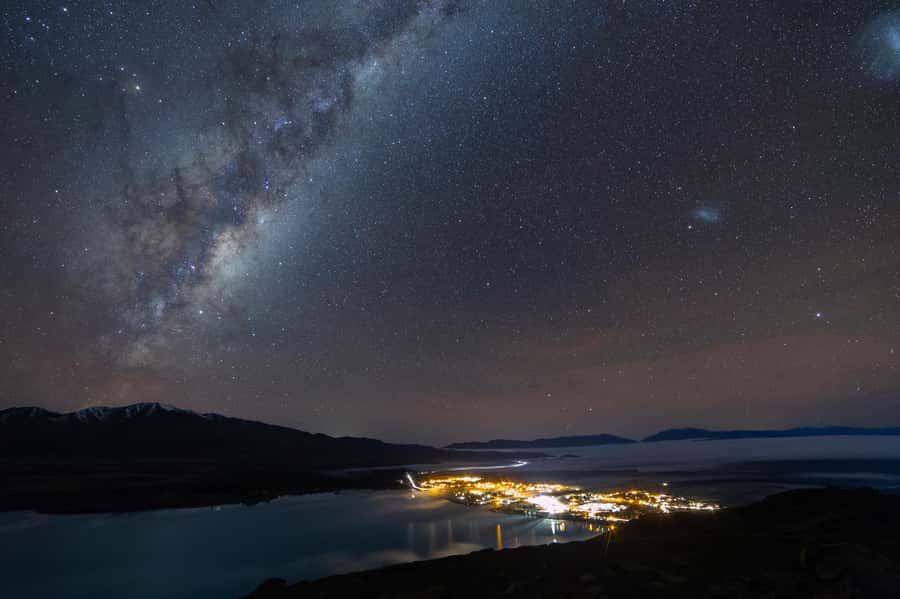
Mount John isn’t just “cool.” It can be genuinely cold. That’s why this tour includes an Extreme cold weather jacket for check-in. It’s not a throwaway perk. When you’re standing outside at altitude, warmth is part of seeing well. Shivering doesn’t help anyone focus.
I’d still follow the tour’s advice and come dressed for cold conditions year-round. Weather-appropriate clothing is listed, and the safest move is layered clothing you can adjust.
Also remember the experience runs at night and includes walking. You’ll be standing around while the guides talk and while you switch between naked-eye viewing and the telescopes. Warmth helps you stay steady on your feet and enjoy the entire 105 minutes.
Walking in the dark: the fitness requirement that matters
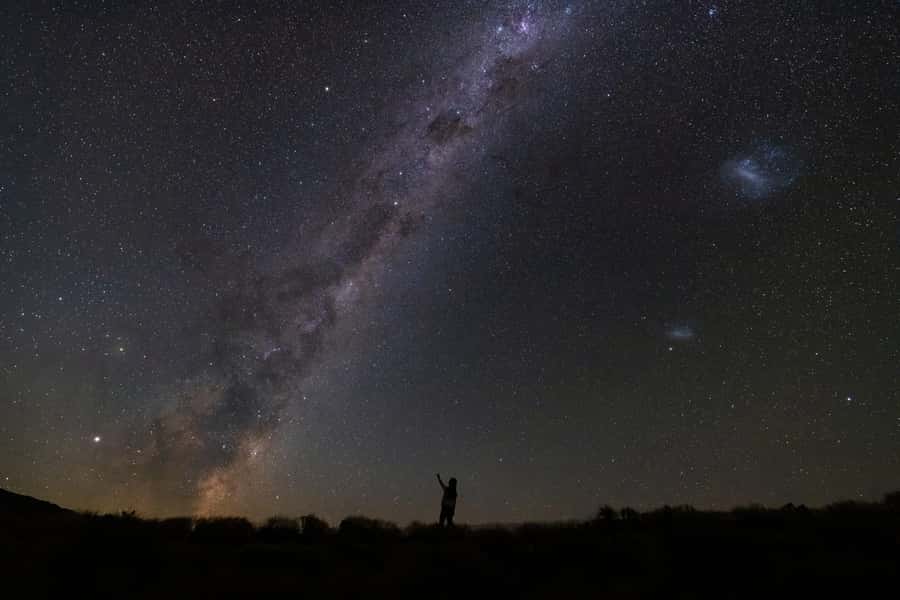
This is a summit experience. It asks a small but real commitment from your body.
You need to be confident walking about 100 meters on a gravel incline and climb a couple of steps in the dark. The tour also says it requires a minimal level of fitness, and it’s not suitable for people with mobility impairments.
So if you’re comfortable with uneven ground and short steps in darkness, you’ll likely be fine. If you struggle with those things, consider a different astronomy option closer to ground level.
Your guide makes or breaks the night
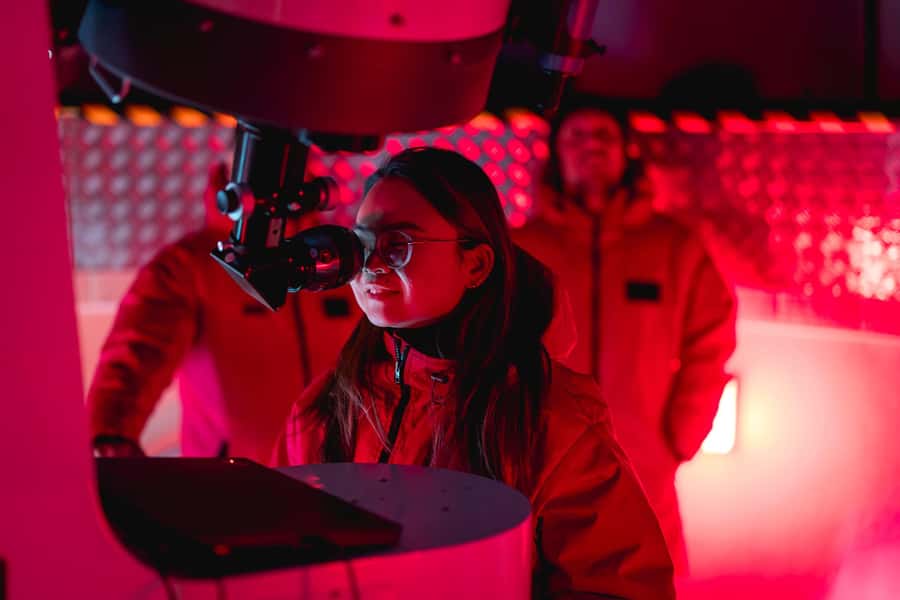
This kind of tour lives or dies by communication. The guide brings the sky to you in a way you can follow.
One review called out Oscar for huge enthusiasm and deep knowledge. Another praised guides tied to the University of Canterbury and how the explanations added real value, not just facts. Across feedback, the pattern is the same: people leave feeling like they learned how to find things, not just that they saw them.
If you want the experience to feel personal, choose a night when you can pay attention. When the sky is clear, the explanations land better because the targets are sharper and easier to locate.
Moon and timing: when the Milky Way actually shows up
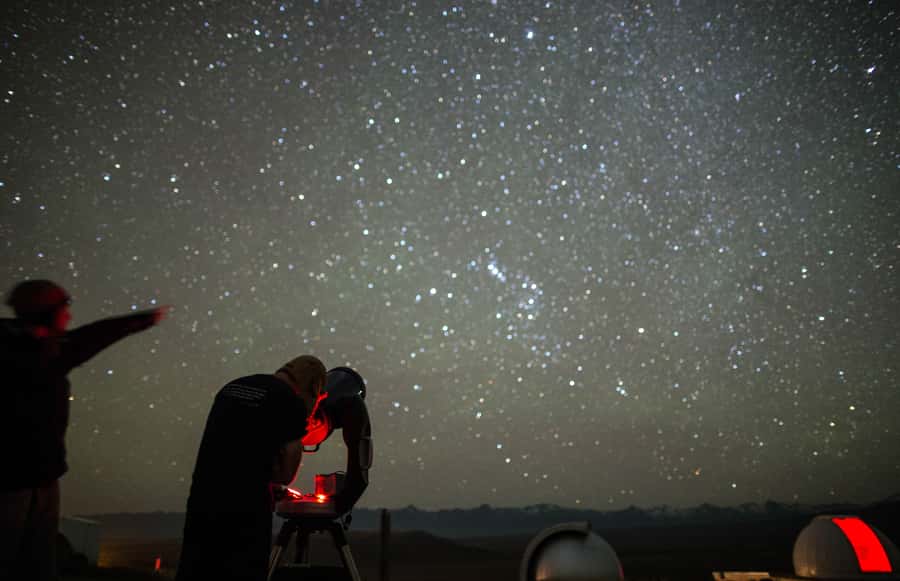
Here’s a key practical tip: the moon can change the whole night. One review specifically mentioned that on a night that was too bright, the Milky Way was harder to see, even though telescopes still delivered a stunning view.
So if you have flexibility, try to time your booking when the moon won’t overpower the sky. One visitor even suggested waiting for a new moon period. That doesn’t guarantee a clear sky (weather still rules), but it improves your odds of seeing more of the faint stuff.
What’s included, what’s not, and how to plan your evening
Included
You’re paying for a full guided block:
- 1 hour 45 minute stargazing atop Mount John
- Exclusive access for summit stargazing
- Stargazing set around the University of Canterbury research centre
- An astronomy guide with structured explanations
- Extreme cold weather jacket
- Return transport from the Dark Sky Project base to the summit
That package is what makes it work. You’re not coordinating transport, you’re not hunting for a spot, and you’re not trying to figure out where the telescopes are or how to use them.
Not included
- Food and drinks
- Hotel pickup and drop-off
Plan to eat before you go, and bring your own water if you like. Since there’s no hotel pickup, build your day around getting to the lakefront base on time.
Price and value: is $130 per person worth it?
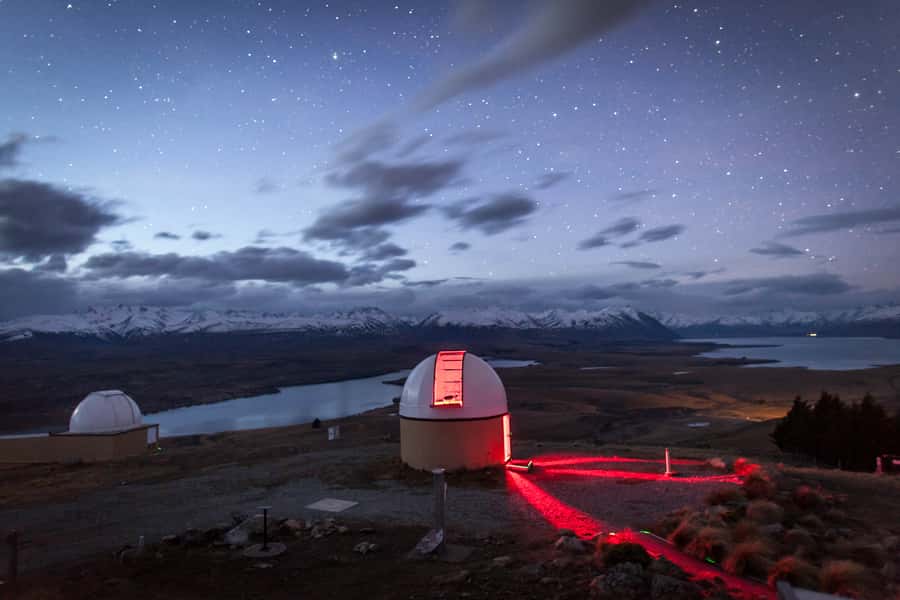
At $130 per person, this isn’t a casual add-on. But it also isn’t just paying for access to a dark sky. You’re paying for trained astronomy guidance, exclusive summit time, telescopes, cold-weather gear, and transport.
So the value question comes down to two things:
- Will the sky cooperate? If the night is clear, the experience tends to feel transformational—people use words like amazing and mind-blowing for a reason.
- Will you get the learning? The best sessions are the ones where you leave knowing what to look for next time.
There is one value concern worth stating clearly: at least one review felt it was not great value compared with the telescope results, especially when key solar system targets like Saturn, Venus, or the Moon didn’t appear. That’s a real consideration, because you can’t control the sky line-up on any given night.
My take: if you want a guided, summit-based stargazing experience with real teaching and structured viewing, this price fits. If you’re expecting the telescope to deliver constant major planet views, set your expectations to the reality that the targets depend on the night.
Weather dependence and backup options: how to handle plan B
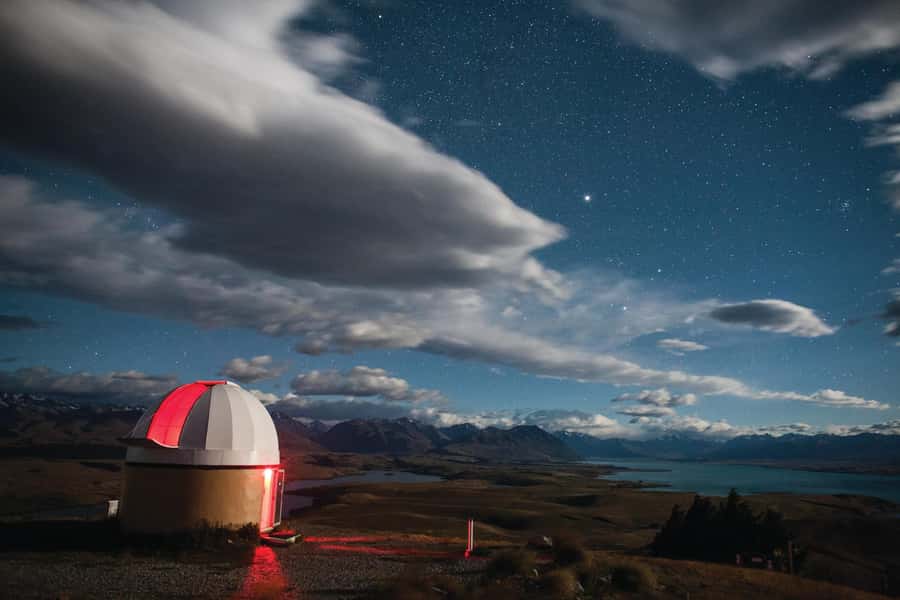
This tour is weather dependent. If conditions are poor, tours can be cancelled in bad weather. The tour also states you’ll be offered an indoor alternate or you’ll receive a full refund.
Practical approach: treat your visit like a flex night. If you’re on a tight itinerary, you may want to book with some breathing room so you can shift if the first attempt doesn’t work.
Who this tour is best for (and who should skip it)
This is a strong match if you:
- want a guided learning night, not a casual star walk
- like structured astronomy explanations with hands-on pointing
- can handle cold and short walking in the dark
- want one of New Zealand’s top dark-sky stargazing experiences
It’s not a fit if you:
- need mobility-friendly access for mobility impairments
- are traveling with kids under 10 (age restriction is 10 and over)
- rely on flash photography (it’s not allowed)
- can’t meet the requirement to speak the tour language for health and safety purposes
Should you book Lake Tekapo mountaintop stargazing at Mount John?
Yes—if you can handle the cold and the timing risk. This is one of those activities where clear skies make everything click. When it works, you get a genuine learning experience: laser-guided targets, telescope views, and explanations that help you understand what’s above you.
Book it when you:
- want a night that feels guided and purposeful
- are excited to see the Southern sky from one of the best dark-sky areas
- can bring warm clothing and arrive early to check in
Skip it if you:
- can’t manage walking on gravel inclines and steps in the dark
- expect a guaranteed list of specific planets every night
- aren’t comfortable with a weather-dependent experience
If you’re aiming for the best possible “first time under real dark skies” moment in New Zealand, Mount John is a smart bet—especially with the guides, gear, and summit transport handled for you.
FAQ
How long is the Lake Tekapo Mount John summit stargazing experience?
The tour lasts 105 minutes (about 1 hour 45 minutes).
How much does it cost?
The price is $130 per person.
Where do I meet for the tour?
Check in at least 20 minutes prior at the local supplier’s Dark Sky Project base at the Takapō (Tekapo) lakefront.
What should I bring and wear?
Wear weather-appropriate clothing. Warm clothing is recommended year-round, and you’ll also receive an Extreme cold weather jacket on check-in.
Is flash photography allowed?
No. Flash photography is not allowed during the experience.
What languages are available for the live guide?
The live tour guide is offered in Japanese, English, and Chinese, and you’re required to speak the language of the tour for safety purposes.