REVIEW · GARDINER MONTANA
Lamar Valley: Safari Hiking Tour with Lunch
Book on GetYourGuide →Operated by Yellowstone Hiking Guides · Bookable on GetYourGuide
Bison sightings start early in Lamar Valley. I love how this wildlife-focused hike pairs prime viewing time with a real out-on-the-trail lunch, starting at 8 am right at the Lamar River Trailhead.
I especially like that the guide doesn’t just name animals; they help you find what’s happening on the ground, using binoculars plus a group spotting scope and staying attentive to what your group spots best.
One drawback to plan around: it’s a 6-mile hike at about 6,500 feet with up-and-down sections, rain or shine, so you’ll want solid walking legs and good footwear.
In This Review
- Key things I’d circle on your planner
- Lamar Valley at 8 am: why this hike feels like a real “safari”
- Finding the Lamar River Hiker Trailhead (not the horse trail)
- The start routine: coffee, snack, and a quick safety briefing
- The “Serengeti of North America” feeling: how the guide helps you spot wildlife
- Hiking toward the Lamar River: distance, elevation, and pacing that actually matters
- Picnic lunch by the water: why the timing feels right
- Native American history and plant/geology talk that fits the trail
- What’s included (and what you’ll still need to bring)
- Price and value: is $192 a fair deal for 6 hours?
- Who should book this (and who should skip it)
- Should you book the Lamar Valley safari hike with lunch?
- FAQ
- Where is the meeting point?
- What time does the tour start, and how long is it?
- Is the hike rain or shine?
- What wildlife can you spot during the tour?
- Is lunch included?
- What gear is provided, and what do I need to bring?
- Are park entrance fees included?
- Are pets allowed?
- Who is this tour not suitable for?
Key things I’d circle on your planner
- Morning wildlife coaching with binoculars and a spotting scope so you’re not guessing at every turn
- Bear spray and a safety presentation built into the start of the hike
- A riverside picnic lunch at Lamar River with time to slow down and look
- Guided bison travel habits in Yellowstone’s famous bison country
- Stop-and-learn moments that connect plants, geology, and Native American history to what you see
Lamar Valley at 8 am: why this hike feels like a real “safari”
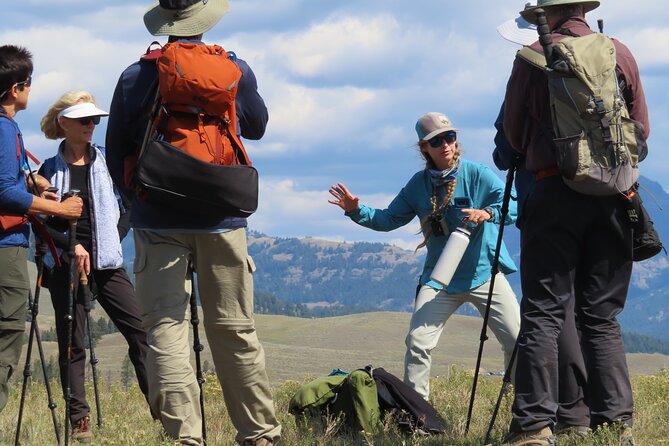
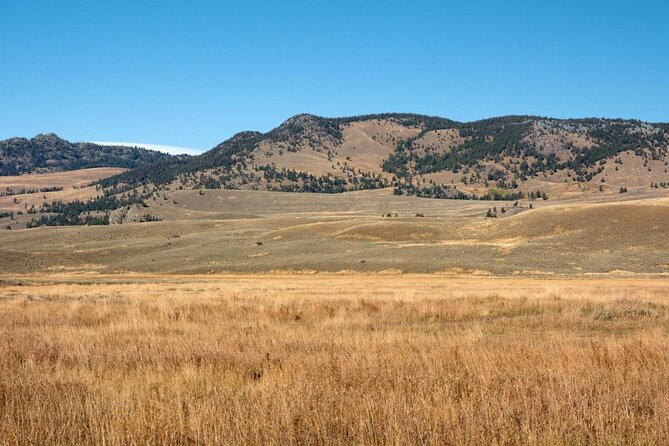
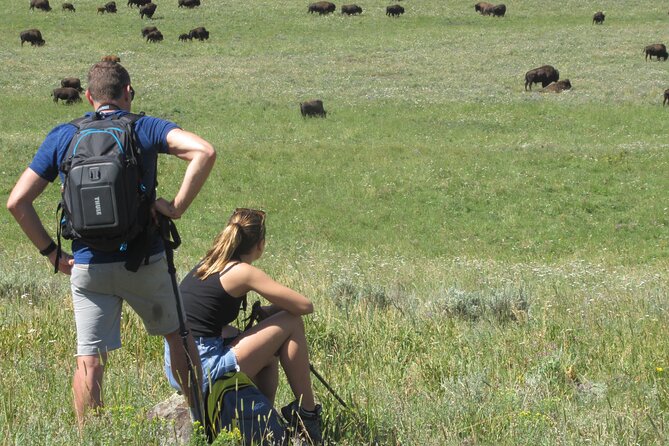
Lamar Valley is one of Yellowstone’s best places for classic wildlife encounters, and this tour is scheduled to meet you at 8 am—right when animals often feel most active. You’ll start from the Lamar River Trailhead and then move at a careful, observer-friendly pace through bison and pronghorn country.
The biggest reason I like this format is that it’s built around spotting, not just walking. You get binoculars and a group spotting scope, and the guide uses them to help you read the scene—so pronghorn and other animals don’t just appear on luck alone. In past groups led by guides like Bob, Dallas, and Mark, the day has been praised for staying practical while still sharing context about the park and what you’re looking at.
The other strong pull is the lunch. This isn’t a quick grab-and-go moment; you hike across the valley toward the Lamar River, then eat a brown bag picnic out on the trail. It’s an easy way to turn the day into an actual experience, not a checklist.
Finding the Lamar River Hiker Trailhead (not the horse trail)
This meeting point matters. You meet at the Lamar River Trailhead (the Hiker Trailhead), not the Lamar River Stock Trailhead. If you park at the stock side by mistake, you’ll be walking farther than you planned.
If you’re coming from Tower Junction (about 25 minutes away), you’ll turn onto Highway 212 toward Cooke City. As you drive through Lamar Valley you’ll pass the Lamar River Stock Trailhead (horse users). That’s the last place with latrines: there are two there. The hiker trailhead is about 0.25 mile upstream from that stock turn, and the larger parking lot there has no latrines. There’s a small footbridge visible from that hiker parking area, which helps confirm you’re in the right spot.
From Cooke City, MT it’s about 18.3 miles (around 30 minutes). Look for the trailhead about 0.5 mile past the small white Soda Butte thermal formation.
The start routine: coffee, snack, and a quick safety briefing
Your day begins with coffee, tea, and a morning snack. It’s a simple touch, but at 8 am in the park, it helps you settle in and focus on spotting instead of shivering and fumbling.
Right after you gear up, you’ll get a safety presentation. You’re carrying bear spray as part of the included package, and you’ll learn how it fits into the day. That’s not theory; it’s the kind of setup that makes you feel confident if you get close to animal activity at a distance.
You’ll also be issued the essentials for comfort and viewing: a backpack for necessities and trekking poles for support. Binoculars and a group spotting scope are included too, so you’re not stuck holding a camera with shaky hands when the action starts.
The “Serengeti of North America” feeling: how the guide helps you spot wildlife
Once you’re on the trail, the goal is to move through Yellowstone’s wildlife corridors with the guide’s help. You’ll hike across Lamar Valley toward the Lamar River, and you’ll regularly stop to look.
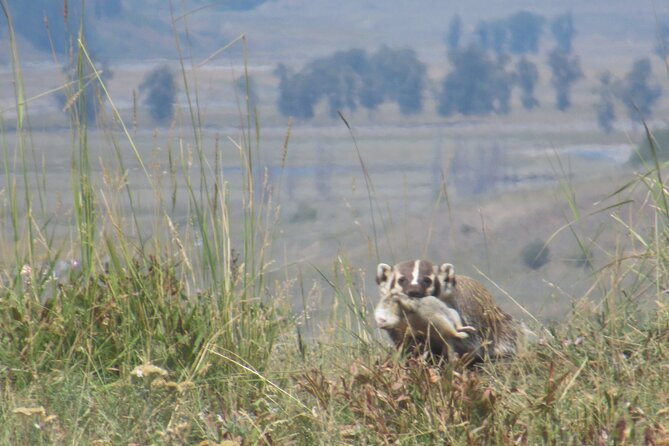
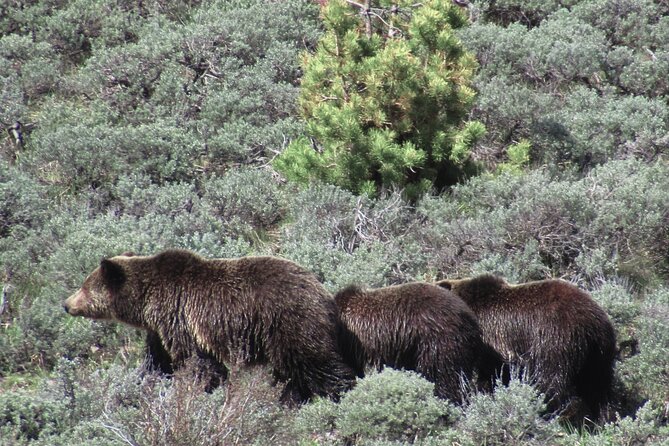
The guide is tracking multiple species you might see in this area, including bison and pronghorn (the big two), plus the chance of bear, wolf, elk, badgers, and lots of birds. You’ll use your binoculars often, and the group spotting scope helps you check distant movement when you’re unsure what you’re seeing.
Two things I think you’ll notice fast:
First, your guide’s eye changes how you walk. People who come without a guide tend to stare at the closest ground cover. With a wildlife guide, you start scanning lines of sight—valley edges, open patches, and where trails and river bottoms funnel animal movement.
Second, guides also manage the “bison logistics” of the day. At least one group on a similar route was rerouted twice because of bison, and the guide kept everyone feeling safe. That’s a real advantage: bison are powerful animals, and the tour is designed to keep you observing rather than trying to create a close encounter.
Hiking toward the Lamar River: distance, elevation, and pacing that actually matters
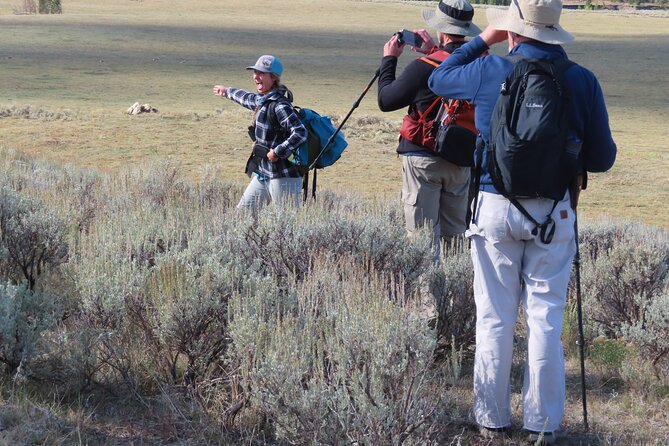
This tour is about 6 hours total, with roughly six miles of hiking that includes up and downhills. It runs at about 6,500 feet elevation. That means you should plan like this is a moderate hike, not a casual stroll.
Pacing can make or break a wildlife day. Several groups describe guides who matched the pace to the group size and checked in frequently. For example, Bob tailored the hike to a group of five, and Dallas was noted as exceptional for getting everyone to the right spots without leaving slower hikers behind.
Also, this is rain or shine. If the weather rolls in, the route and viewing strategy stay the same—you just adjust clothing. That’s why you need your own rain gear even though the tour provides the hiking support pieces.
Picnic lunch by the water: why the timing feels right
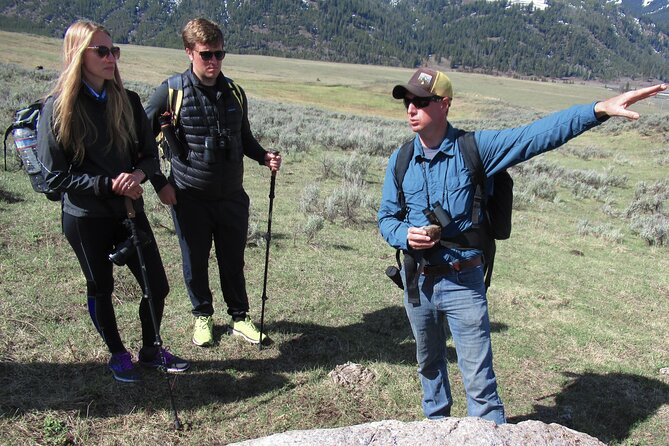
Lunch happens riverside near the Lamar River. You’ll stop for a brown bag picnic lunch and get some time to eat without rushing immediately back into walking. This is one of the best “reset” moments on the tour because it gives your eyes a break from scanning and lets you watch the scene again from a stationary viewpoint.
There’s also a small, memorable nature habit built into the walk: you’ll stop to smell the sage along the way. It sounds small, but those little pauses are a big part of why guided hikes feel different. You notice scents, textures, and plants instead of only counting animal sightings.
In one standout account, lunch was described as the highlight of a week in Yellowstone. That doesn’t happen every time, but it’s a good sign: the tour doesn’t treat lunch as an afterthought.
Native American history and plant/geology talk that fits the trail
This isn’t just animal spotting with a side of facts. The hike includes history context, including Native American history, as you move through the valley.
You’ll also hear about what you’re seeing—plants, geology, and animal behavior. One review described the guide pointing out plants and sharing animal information in a way that made the hike feel like it had layers, not just motion. Another said a guide was receptive to suggestions about where to explore, which matters because it means the guide is watching you, not reading a script.
For me, the value here is simple: when you understand a little about why the area looks the way it does and how wildlife uses it, the sightings start to feel more meaningful.
What’s included (and what you’ll still need to bring)
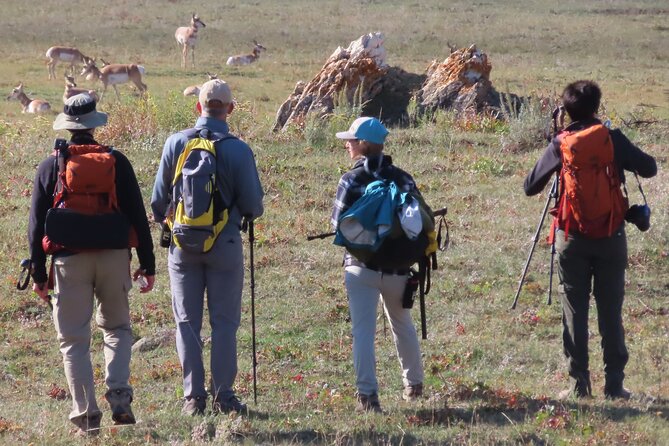
The tour includes a lot of the “don’t-worry-about-it” items that cost time or money if you DIY:
- Binoculars and a group spotting scope
- A backpack for your necessities
- Trekking pole(s)
- Bear spray
- Morning snack and hot drink
- Brown bag picnic lunch
- Professional wildlife guide
What you still need:
- Water
- Rain gear (required but not included)
- Comfortable shoes
No pets, and no drones. Also no feeding animals, touching animals, or riding the animals.
Price and value: is $192 a fair deal for 6 hours?
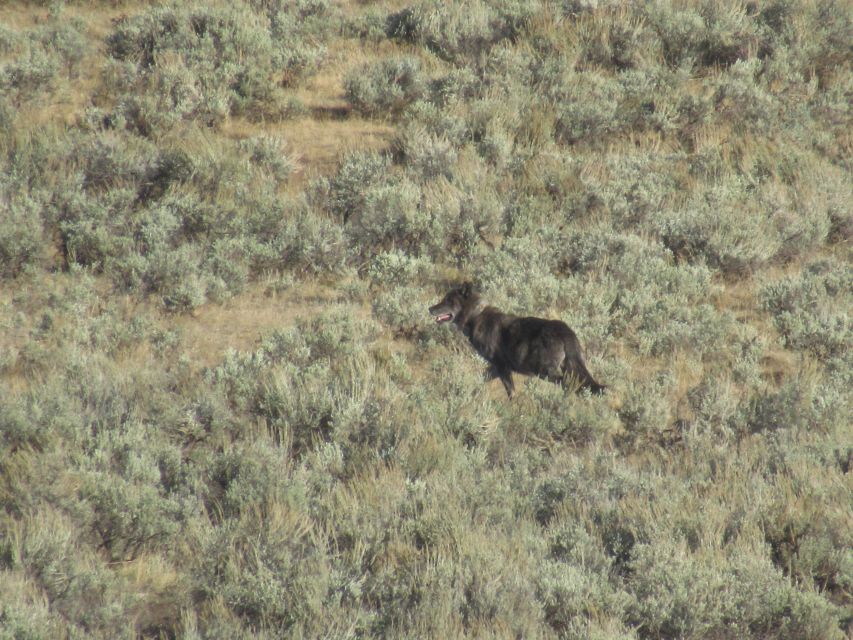
At $192 per person for a 6-hour guided experience, this isn’t a budget add-on. But the value stacks up in ways that go beyond just “someone leads you on a hike.”
You’re paying for:
- A professional wildlife guide who helps you spot and interpret what you see
- Included gear that most people would otherwise bring or rent (binoculars, scope, trekking pole, bear spray)
- A real midday meal out on the trail (not a quick snack)
- Time dedicated to wildlife viewing in a park area where animals are the main event
Also, note what’s not included: park entrance fees, hotel pickup/drop-off, water, and rain jacket. Those missing pieces can affect your total cost, so I’d budget for them before you book.
If you’re the kind of person who enjoys nature on your own, you can do Yellowstone without a guide. But if you want the fastest path to better viewing—especially in a place as wildlife-heavy and wide-open as Lamar Valley—this price starts to make more sense.
Who should book this (and who should skip it)
This tour is a great fit if you want a guided, wildlife-first day and you’re comfortable walking for about six miles with elevation changes. You’ll get the most out of it if you like looking closely, not just passing through.
It isn’t suitable for:
- Children under 8
- People with heart problems
- Wheelchair users
- People over 80
If your group includes anyone with mobility limits, this is worth rethinking because of the up-and-down trail and the rain-or-shine hike style.
Should you book the Lamar Valley safari hike with lunch?
I’d book it if you want a structured Yellowstone wildlife day with the right gear and a guide who helps you see more than you would on your own. The mix of binocular-based spotting, bear safety readiness, and a riverside picnic makes the day feel complete instead of stretched thin.
I’d hesitate if you’re sensitive to elevation, you don’t like hiking in changing weather, or you don’t want to commit to a moderate six-mile walk. Bring water, plan for rain gear, and wear shoes that handle uneven ground.
If you’re okay with that, you’ll likely leave with the kind of Yellowstone day that makes the rest of your trip feel easier to plan around—because you already hit one of the park’s best wildlife corridors on purpose.
FAQ
Where is the meeting point?
Meet at the Lamar River Trailhead, specifically the Hiker Trailhead (not the Stock Trailhead).
What time does the tour start, and how long is it?
The tour meets at 8 am and runs for about 6 hours.
Is the hike rain or shine?
Yes. The hike takes place rain or shine.
What wildlife can you spot during the tour?
You may spot bison, pronghorn, bear, wolf, elk, badgers, and many birds, with help from binoculars and a group spotting scope.
Is lunch included?
Yes. You get a brown bag picnic lunch, served on the trail near the Lamar River.
What gear is provided, and what do I need to bring?
Included: binoculars, a group spotting scope, a backpack, trekking pole, bear spray, and morning snack/hot drink. You need to bring water and rain gear, plus comfortable shoes.
Are park entrance fees included?
No. Park entrance fees are not included.
Are pets allowed?
No, pets are not allowed.
Who is this tour not suitable for?
It’s not suitable for children under 8, people with heart problems, wheelchair users, or people over 80.