REVIEW · LAOS
Luang Prabang: Hiking Off the Beaten Track with Picnic Lunch
Book on GetYourGuide →Operated by Wander Laos Tour Co.,Ltd · Bookable on GetYourGuide
Ridgetop hiking in rural Laos feels personal. This off-the-beaten-track day pairs Hmong and Kamu village visits with a tough hike toward a skyline ridge above Nong Tok, plus a picnic in the valley.
I especially like the way you learn practical village life along the trail, from crops and herbs to how people use the forest and fields. And I like the payoff: panoramic views you earn after a steady climb, with stops that feel connected to the local rhythm rather than a scripted photo tour.
The main tradeoff is simple: it can be more physically demanding than it first sounds, with steep sections and footing that may be slippery in the wet months. If you’re not used to hiking for hours, this one asks for a bit of grit.
In This Review
- Key Things You’ll Remember
- From Luang Prabang Into Nong Tok Valley: The Setup Matters
- Hmong and Kamu Villages: Why This Trip Feels Different
- The Skyline Ridge Climb: Views, Work, and Plant-Spotting
- Nong Long Koot Stop: Watering Point Breaks Up the Grind
- Picnic Lunch in the Middle of the Trail: Real Food, Real Rest
- The Descent Through Forest Toward Ban Long Lao
- Price and Value: What $85 Covers (and What It Doesn’t)
- How Hard Is It, Really? Fitness and Trail Reality
- What to Bring (and What Gets Left Behind)
- Guides and Care: The Human Side of the Trail
- Should You Book This Nong Tok Off-the-Track Hike?
- FAQ
- How long is the tour, and how many hours do you hike?
- What should I expect from the trail conditions?
- How big is the group, and who leads the hike?
- What should I bring, and what footwear is required?
- What’s included in the price, and what isn’t?
- When do you get picked up, and how long do they wait?
- Is the tour refundable if plans change?
Key Things You’ll Remember
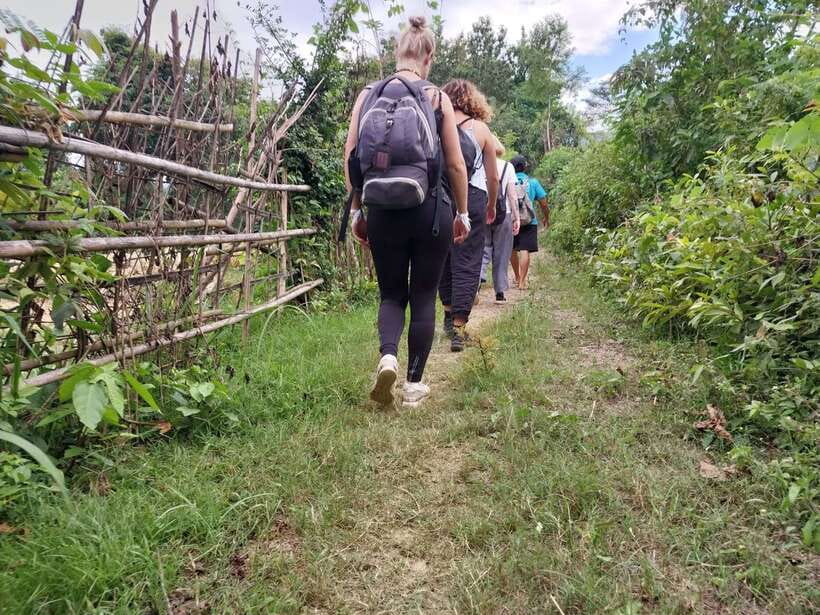
- Small group (up to 6) means more time with your guides and less crowd pressure on narrow trails
- Village-led hiking includes a Hmong trekking guide and a local trail leader who know the route
- Skyline ridge views over Nong Tok valley make the climb feel worth it
- Plant-and-crop spotting (rice, coriander, chilli, and herbs) turns the hike into an outdoor lesson
- Picnic lunch with local flair, often eaten on a banana-leaf tablecloth
- A longer day outdoors (about 6–7 hours of walking) with sun exposure and real trail conditions
From Luang Prabang Into Nong Tok Valley: The Setup Matters
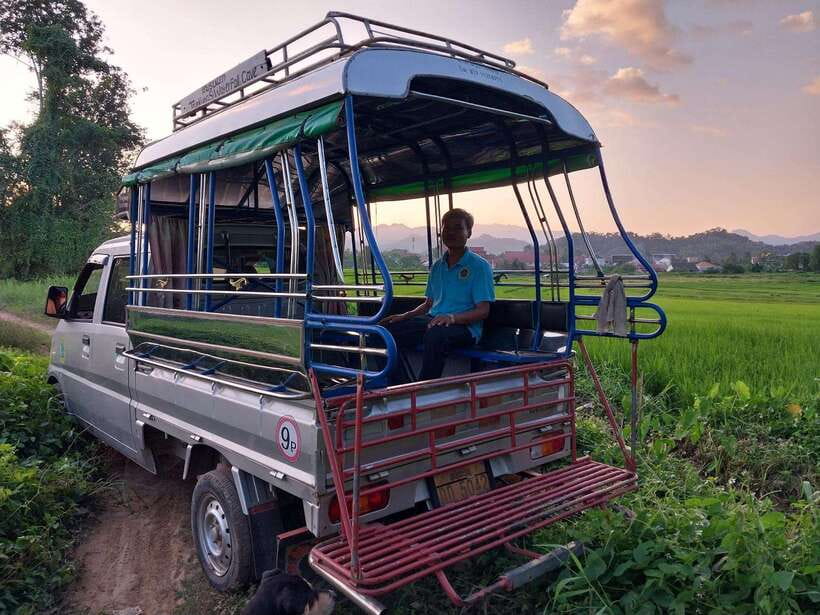
This is a day that starts early and goes rural fast. You’ll leave your Luang Prabang hotel around 8:30 AM for roughly a 50-minute drive to Nong Tok, the trail starting point. Once you’re there, the day shifts from town convenience to valley work-life—far fewer tourists, more people going about their day.
The route is built around walking time, not speed. You should plan for about 6–7 hours of hiking, with a total day lasting about 8 hours and returning you around 4:00 PM. That timing matters because you’ll feel the heat more than you might expect, especially in bright dry-season sun. This isn’t a short culture stop and back—it’s a long, active way to see the area.
The small group size (limited to 6 participants) is also a big deal. Narrow paths and uneven ground make crowds annoying. Here, you’ll stay spaced out enough to actually hear explanations from the guides.
Hmong and Kamu Villages: Why This Trip Feels Different
The cultural part isn’t just a quick look. The day focuses on ethnic Hmong and Kamu enclaves within the Nong Tok valley. Even though Hmong people are often associated with higher mountain living, this specific valley village is a lower-altitude resettlement area. That detail changes the tone of what you see and how people work the land.
Along the hike, you’ll get chances to learn how crops and herbs fit into daily life. Expect to see things like rice, coriander, chilli, and local herbs planted by villagers. Your guide’s explanations can turn a hillside into a classroom—how people choose what grows, what the plants are used for, and how knowledge gets passed down.
The value here is that the tour is guided by local expertise. You don’t just walk through a place; you walk with people who can point out what matters and why. In the best moments, guides like Mr. Tip are the reason the day sticks—sharing stories tied to jungle medicine, fruits, and plants in a way that feels practical, not just theatrical.
The Skyline Ridge Climb: Views, Work, and Plant-Spotting
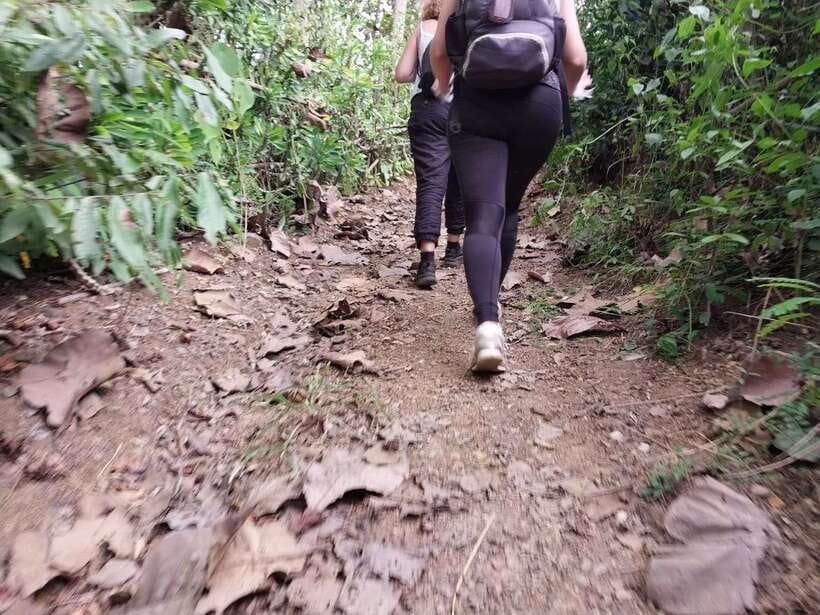
The main hiking arc begins with an ascent to a skyline ridge with views over Nong Tok village and its surrounding valley. This is the part where you’ll feel the day’s effort most clearly. The trail is described as steep in sections, and in the wet season (April to September) it can be slippery, so shoe grip becomes your best friend.
Here’s what I’d focus on while climbing:
- Pace, not speed. You’ll move uphill for a while. Slow steps help you stay steady and keep your breathing controlled.
- Watch for what’s on the ground. Crops and herb patches aren’t uniform. The explanations come when the trail gets close to what villagers have planted.
- Use short breaks. There’s a lunch stop later, but you’ll also get smaller pause moments to take in the view and reset.
One advantage of this type of hike is that you’re never just grinding uphill. You’re working and learning at the same time. On the steep parts, you may not want to stare at views constantly, but the ridge rewards you later with a wider perspective over the valley.
If you want a rough idea of effort level, one participant described it as about 12 km with around 500 m of vertical climbing. Even if your exact stats differ, that gives you a realistic picture: this is not a gentle stroll.
Nong Long Koot Stop: Watering Point Breaks Up the Grind
About partway through the walk, you’ll stop at Nong Long koot, a watering point for local animals. It’s in a picturesque setting, but the practical value is that it breaks up the hiking rhythm. You get a short pause where the day feels less like nonstop movement and more like a sequence—walk, explain, rest, continue.
This kind of stop also connects you to the land’s everyday use. Instead of only seeing farms and forests as scenery, you see them as systems: where animals drink, how routes connect, and how people manage land around their livelihood.
Picnic Lunch in the Middle of the Trail: Real Food, Real Rest
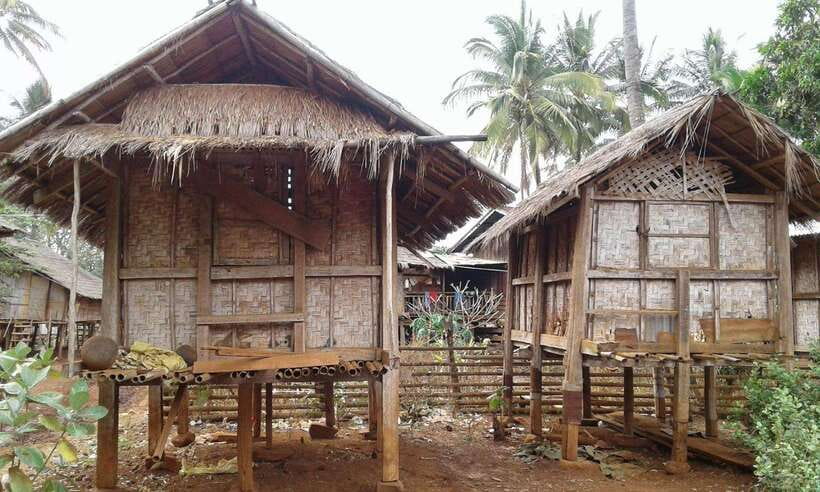
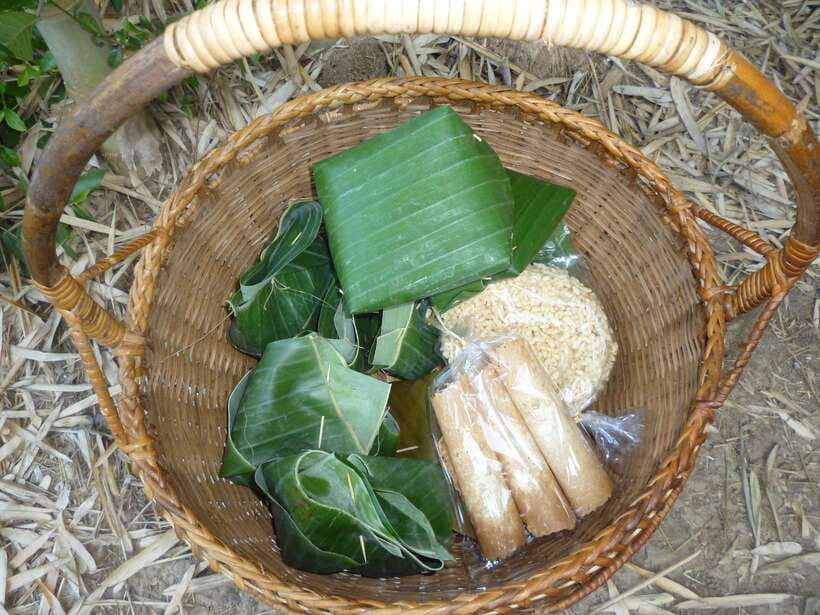
Around halfway into the hike, you’ll stop for a picnic lunch (included) and a short rest. This is a key part of why the day works. After hours of hiking, lunch is not a minor detail—it’s what keeps your energy steady for the descent.
The lunch itself can stand out. One detail that comes up often is eating together on a tablecloth made from a banana leaf. It’s a small thing, but it makes the break feel local and intentional rather than like a hurried lunch stop.
What you should take into it:
- Hydrate during the meal. Drinking water is included, but you’ll still want to sip regularly earlier in the hike too.
- Use the pause wisely. Stretch a little, let your legs cool, and then get ready for the next downhill stretch.
- Enjoy the surrounding hills while you can. The descent can take focus off views, so lunch is a good moment to slow down and look.
A balanced note: not everyone loves the lunch equally. One person felt it was tasty but not special. Still, for most, it’s a welcomed break that fits the day’s theme—simple, practical, and eaten in place rather than rushed out of a car.
The Descent Through Forest Toward Ban Long Lao
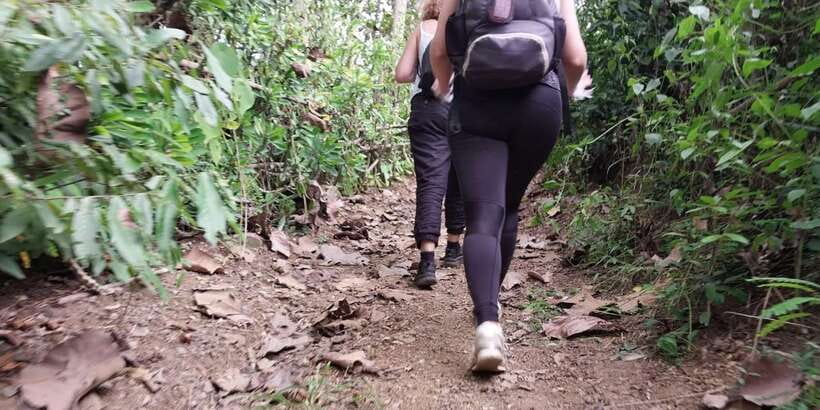
After lunch, the hike shifts from climb to descent. The latter half is described as a descent through forests toward Ban Long Lao. This part is often easier on paper than it feels, because downhill walking can be tough on knees and ankles, especially on steep or muddy sections.
A few things to watch for:
- Foot placement. Don’t just step fast downhill—place your foot fully.
- Dry vs wet conditions. In rainy months, slippery ground can make descent more hazardous than the ascent.
- Stay mentally ready. The terrain can change quickly, and forest shade can trick you into forgetting how hard you’ve worked.
Once you reach Ban Long Lao, your driver meets you and takes you back to Luang Prabang. The goal is to return you to your hotel by around 4:00 PM, so the day feels like a complete arc—walk out into the valley, work your way back, and land in town before evening.
Price and Value: What $85 Covers (and What It Doesn’t)
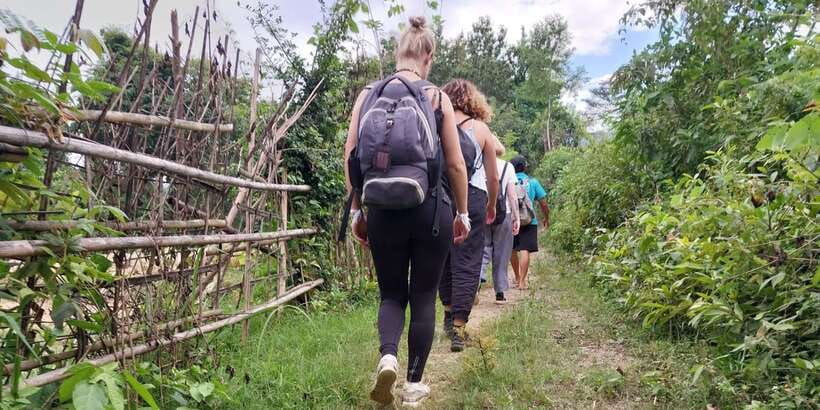
At $85 per person for a roughly 8-hour experience, the price is not cheap, but it’s not random either. You’re paying for several things that tend to be expensive in practice:
- Hotel pickup and drop-off
- Local English-speaking guide
- Local village guide / trail leader
- Picnic lunch
- Drinking water
- First-aid kit
- Small group size (up to 6)
When a hike includes both a regional guide and a local trail leader, the day becomes more than walking from A to B. You’re getting explanations rooted in village knowledge, and that often takes extra staffing and planning.
The missing pieces are also clear. Insurance isn’t included, and tipping for guides and driver is not included either. If you dislike tipping, you’ll want to factor that into your budget ahead of time.
One drawback that comes up in real-world thinking is that the hike is physically demanding, so if you’re not fit enough, you might feel the value isn’t there. If you are reasonably active and want a real workout with cultural context, the pricing starts to feel fair—because you’re not just buying a view; you’re buying time with people who can interpret what you’re seeing.
How Hard Is It, Really? Fitness and Trail Reality
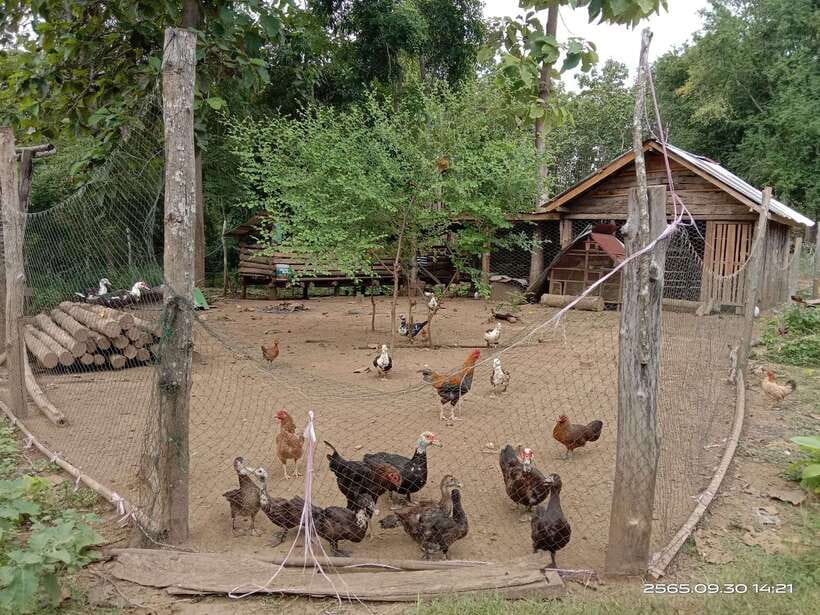
This is the section where you should be honest with yourself. The trail includes steep parts, and it can be slippery in the wet season. You’ll also be walking for 6–7 hours. That means the day demands endurance and comfort with uneven footing.
Based on participant feedback and the described climb, you can expect a hike that feels like a serious workout, not a light walk. If you walk a lot at home and you’re used to hills, you’ll likely handle it in the middle of the pack. If you rarely hike, you’ll likely find it challenging.
It’s also not recommended for people with certain health limitations. The tour is not suitable for:
- children under 12
- pregnant women
- anyone with back problems or heart problems
- wheelchair users
- people with animal allergies or insect allergies
- people with a cold
- people with high blood pressure
- people with recent surgeries
- people with low fitness
- people over 70
If any of those apply to you, skip this one and choose something gentler. A beautiful view isn’t worth pushing your body beyond safe limits.
What to Bring (and What Gets Left Behind)
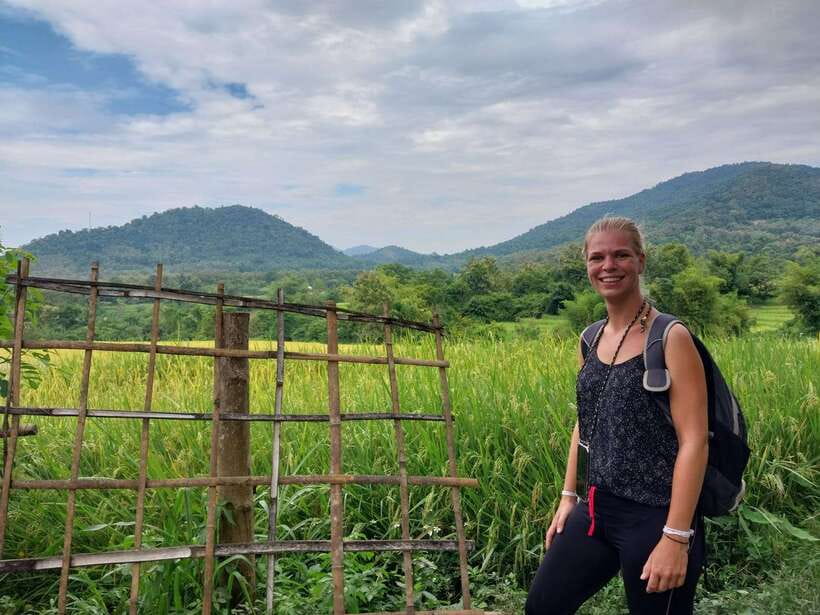
This hike is outdoors-first, sun-exposed, and active. You’ll want gear that keeps you safe and comfortable.
Bring:
- Hiking shoes (not just any sneakers—grip helps)
- Sunscreen
- Biodegradable insect repellent
Wear:
- Long clothes or trekking gear
The tour is described as taking place in shine, so plan for sun and bugs.
Not allowed:
- sandals or flip-flops
- pets
- shorts and short skirts
- bikes
- alcohol and drugs
- open-toed shoes
- slippers
- feeding animals or touching animals
- bare feet
- riding the animals
- skirts
It’s strict, but it’s also practical. Hiking rules keep you safe on steep ground and help avoid accidental animal-contact problems.
Guides and Care: The Human Side of the Trail
This type of hike lives or dies by guidance. The trip uses:
- a local English-speaking guide
- a Hmong trekking guide
- a local village guide who leads the trail
People praised the guides for taking real care, especially with how they look after you during the day. That matters when you’re dealing with steep trail segments, changing conditions, and long walking hours. A good guide doesn’t just explain—they help you stay steady and comfortable.
Names that come up include Mr. Tip, known for sharing knowledge about jungle medicine, fruits, and plants, and Phieng, paired with another local guide who supported the hike through hillside Hmong and Khmu villages. Even if your exact pairing differs, it’s a sign of the kind of local expertise you should expect.
Should You Book This Nong Tok Off-the-Track Hike?
Book it if:
- you want a real hiking day with culture tied to actual village life
- you enjoy learning about crops, herbs, and plant uses
- you’re reasonably fit and okay with long walking hours
- you value small group pacing and guide attention
Skip or choose another option if:
- you’re looking for a relaxed, easy stroll
- you’re sensitive to steep terrain or long descents
- you fall into the tour’s health and fitness limitations list
- you feel $85 is hard to justify for a workout rather than a gentle day out
If you match the fitness level, this is one of those tours that makes Laos feel specific—down to the plants you notice and the conversations you can’t get from a bus window.
FAQ
How long is the tour, and how many hours do you hike?
The full tour runs about 8 hours, with 6–7 hours of walking time.
What should I expect from the trail conditions?
The trail includes steep sections and can be slippery in the wet season (April to September), so good traction matters.
How big is the group, and who leads the hike?
The group is limited to 6 participants. You’ll have a local English-speaking guide plus a local village guide (trail leader) and a Hmong trekking guide to lead the hike.
What should I bring, and what footwear is required?
Bring hiking shoes, sunscreen, and biodegradable insect repellent. Sandals/flip-flops and open-toed shoes are not allowed.
What’s included in the price, and what isn’t?
Included: hotel pickup and drop-off, guides, picnic lunch, drinking water, a first-aid kit. Not included: insurance and tipping for guides and driver.
When do you get picked up, and how long do they wait?
Pickup happens from your hotel around 10 minutes before scheduled pickup time. The guide and driver wait no longer than 15 minutes after the scheduled pickup time.
Is the tour refundable if plans change?
You can cancel up to 24 hours in advance for a full refund. The booking also offers a reserve now, pay later option.