REVIEW · LAKE SEGARA ANAK
Mount Rinjani Trek 3D-2N To Summit – Lake – Hotspring
Book on GetYourGuide →Operated by Cakrawala Rinjani Trekking · Bookable on GetYourGuide
The night-to-sunrise rhythm is the whole point. This Mount Rinjani 3D-2N route strings together summit sunrise views, Segara Anak lake scenery, and real relief at the hot springs, all with a small, guided team. I like how the itinerary forces you to move smart, not just fast, so the views actually feel earned.
I especially love two things: the summit payoff at 3,726 m, where you get big-sky views over Lombok and beyond, and the crater-rim camps at Sembalun and Senaru, which turn sunsets into a full event instead of a quick photo stop. Between meals cooked for you and the strong guide/porter setup, you’re not doing logistics while also trying to climb.
One drawback to plan for up front: this is not a casual hike. Day 2 includes a very early summit push and long, continuous ascent/descent, plus loose volcanic scree near the top—so if your fitness is shaky, the trip can feel like pure survival.
In This Review
- Quick hits
- Why this 3-day Rinjani trek feels worth the effort
- Day 1: Sembalun climb to Sembalun crater rim (sunset camp at ~2,639 m)
- Day 2: Midnight summit push, sunrise at 3,726 m, then Segara Anak hot springs
- Day 2 night: Senaru crater rim camp and the Mount Agung sunset
- Day 3: rainforest descent to Senaru village, plus a black monkey chance
- Guides, porters, and the small-group advantage
- What’s included (and why it matters for a 3-day summit trek)
- Fitness reality check: who this trek is for
- What to pack: the gear that actually helps
- Money and value: is $237 a fair deal for this trek?
- Should you book this Mount Rinjani 3D-2N Summit–Lake–Hotspring trek?
Quick hits
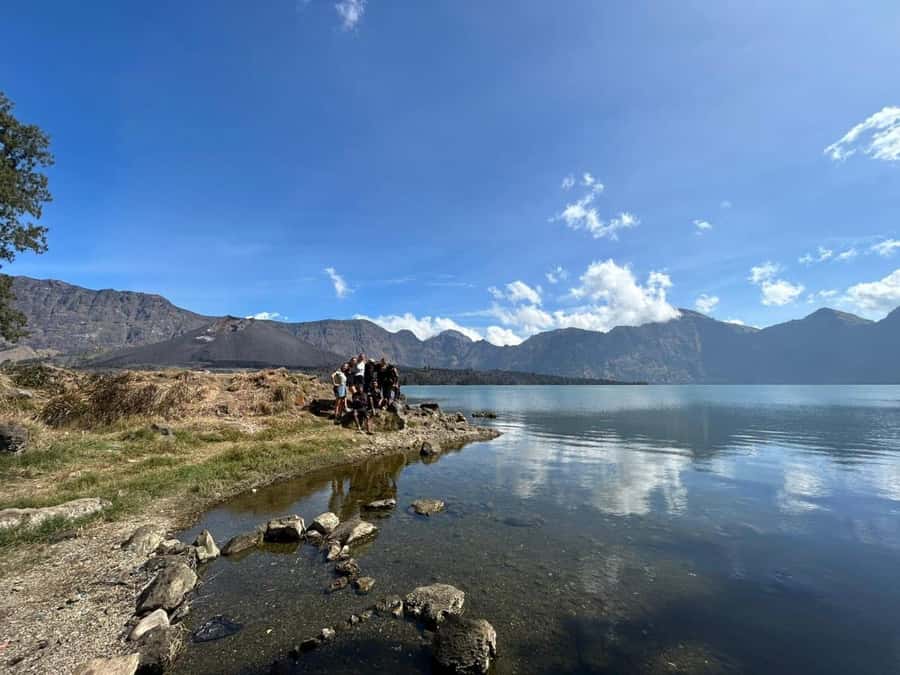
- Summit sunrise at 3,726 m with panoramic views over Lombok, Bali, Sumbawa, and Segara Anak Lake
- Segara Anak lake + a volcano inside the caldera, with time to rest and swim plus hot-water baths
- Crater-rim camps at Sembalun and Senaru for sunset and late-afternoon views that feel cinematic
- Small group cap (8 people), which usually means you don’t get left behind on the harder sections
- Guide/porter attention shines in the reviews, with names like Sun, San, Rin, Awan, Jojo, and Sultan showing up repeatedly
- Headlamp + gloves included, which matters for the midnight start on summit day
Why this 3-day Rinjani trek feels worth the effort
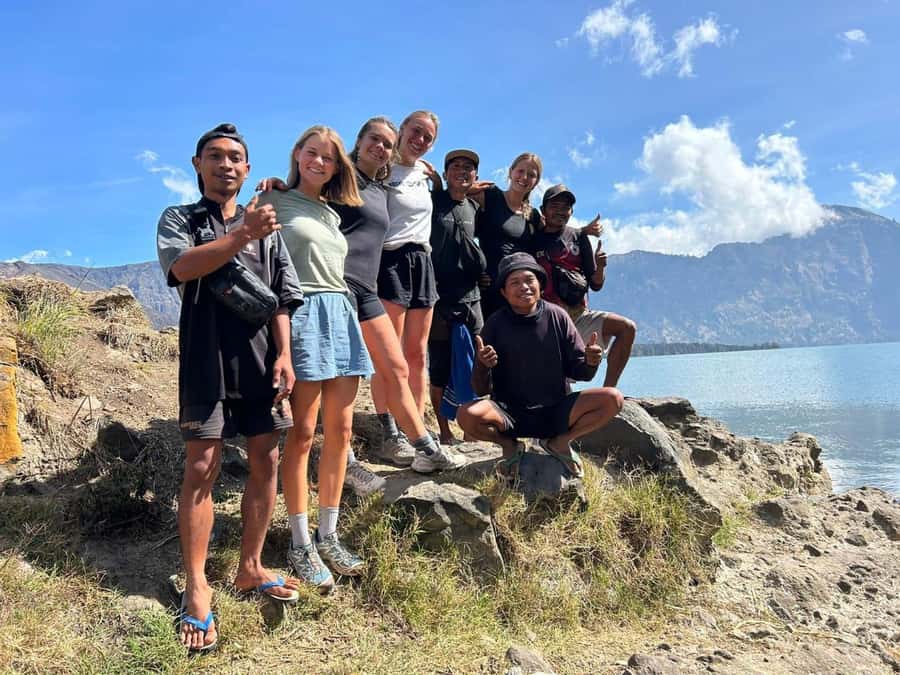
Mount Rinjani is famous for two reasons: the big altitude moment (the summit) and the surreal scenery inside the caldera (Segara Anak). This 3D-2N package hits both, with crater-rim camping on Day 1 and Day 2, so you’re not only rushing to the top—you’re living inside the mountain’s changing moods.
The big value here is that the route is set up to pace you across three very different “zones.” You start in the greener Sembalun area (around 1,100 m), climb into savanna/meadow terrain, then move into the high volcanic world around the crater rim, and finally drop toward rainforest on the way out. That variety helps the days feel like more than one long climb.
And about price: at $237 per person, you’re not just paying for a trail guide. You’re also getting a whole support package—English guide, porter crew, tents and sleeping gear (plus mattress), meals (breakfast/lunch/dinner), and even headlamp and gloves. For many people, that’s what makes this trip realistic: you can focus on stepping carefully instead of managing a bunch of gear.
Day 1: Sembalun climb to Sembalun crater rim (sunset camp at ~2,639 m)
Day 1 starts with a wake-up, breakfast, then a drive from the Senaru area to Sembalun for registration at the Rinjani information center. You begin trekking around 8:00 am from Sembalun (about 1,100 m), which is a smart way to warm up before the real altitude work.
The walk starts easy-ish through open meadow. After about two hours, you reach Pos 1 (around 1,300 m), then Pos 2 (about 1,500 m) roughly 40 minutes later. After another stretch, you arrive at Pos 3 (about 1,800 m) for lunch. I like this structure because it breaks the day into manageable chunks—especially helpful if you’re feeling your legs getting used to the slope.
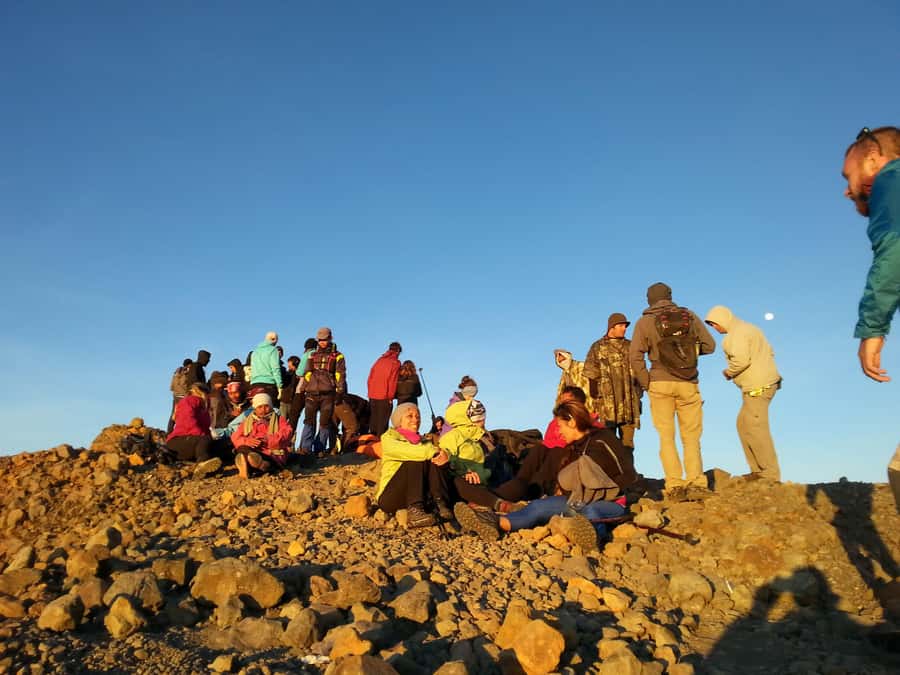
After lunch you push to Sembalun crater rim (around 2,639 m). The estimate is about three hours, including a prolonged steep climb. This is the moment where the mountain starts asking for steady effort, not just speed. Once you reach the rim, you camp there and wait for sunset. That crater-rim sunset is a key highlight of this whole trek—because it’s both scenic and practical. You’re tired, you’re high up, and the reward is immediate.
Practical tip: bring warm layers even if the first hours feel comfortable. Higher altitude nights can get cold quickly, and you’ll appreciate having proper warm clothing before the temperature drops.
Day 2: Midnight summit push, sunrise at 3,726 m, then Segara Anak hot springs
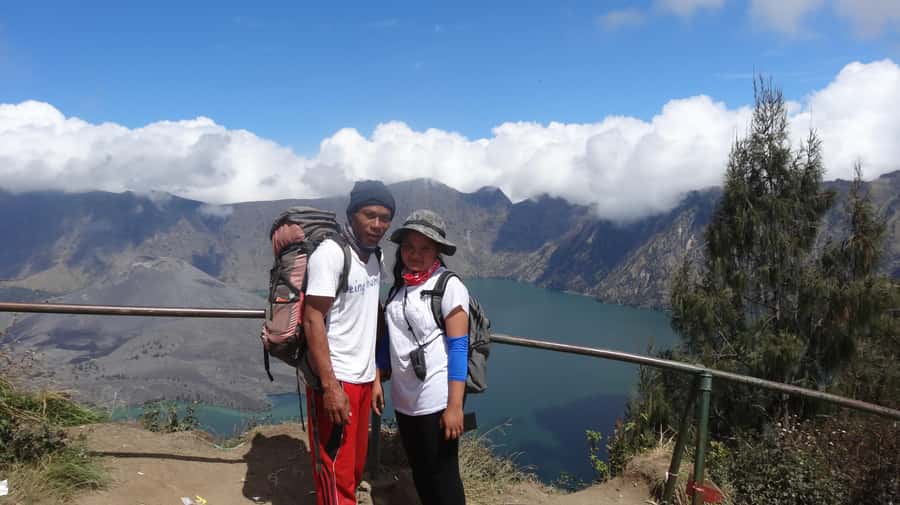
Day 2 is the long one. You wake around 2:00 am with a hot drink and a light breakfast, then start toward the summit at about 3:00 am. Early starts don’t exist because organizers love sleep deprivation. They exist because summit conditions and timing are everything in volcanic terrain.
The trek begins with a moderate climb, then turns into a longer, easier-but-still-work section, and finally a steeper approach involving loose volcanic scree. This last part is where good technique matters: short steps, stable footing, and using trekking poles if you have them. Some guides in the reviews even recommend poles before you go, specifically for the heavy walking and descent fatigue.
At 6:00 am, you reach the summit (3,726 m). You’re looking at sunrise plus panoramic views over Lombok, Bali, Sumbawa, and Segara Anak Lake. That view is why people sign up for the hardest part of the trek.
After summit time, you descend back to Sembalun crater rim within about two hours for breakfast. Then you continue descending toward Segara Anak Lake for about three hours. You’ll stop along the way to rest and finally spend time at the lake itself.
This is where the experience becomes special in a different way. Segara Anak sits inside the caldera, and there’s a small volcano in the lake area that makes the scenery feel unreal. You can rest, swim, and take in the turquoise lake views. Then comes the payoff for your body: bath time in hot water. Hot-water soaks are widely known for easing travel aches and pains, and on Rinjani that’s not a luxury—it’s the difference between finishing Day 2 feeling okay versus feeling wrecked.
Day 2 night: Senaru crater rim camp and the Mount Agung sunset
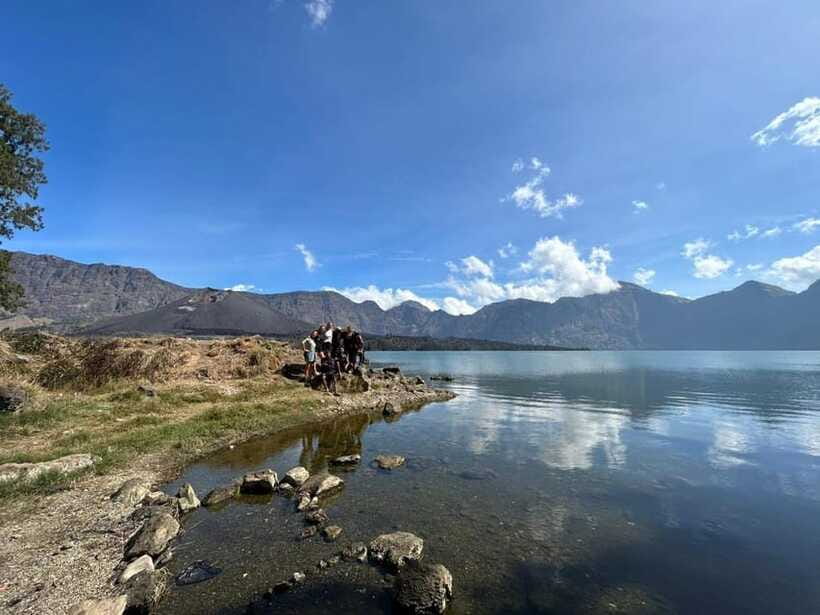
After lunch time prepared by the porters at the lake, you leave Segara Anak and head up to Senaru crater rim (around 2,641 m). This is another climb-day section, and it’s long enough that you’ll notice your energy level compared to Day 1.
You’ll camp at Senaru crater rim. This is one of the most praised parts of the trip because the view is dramatic. You get an incredible sunset over Mount Agung in Bali, plus smoke from the edge of a newer volcano on the lake side. It’s the kind of visual contrast you don’t get on ordinary hikes: quiet crater camps, distant island silhouettes, and active volcanic atmosphere all at once.
Also, this camp is a psychological reset. After the summit and hot springs, you’ve earned a calmer evening. You’ll probably feel it: the mountain stops feeling like work and starts feeling like a place you’re lucky to stand.
Day 3: rainforest descent to Senaru village, plus a black monkey chance
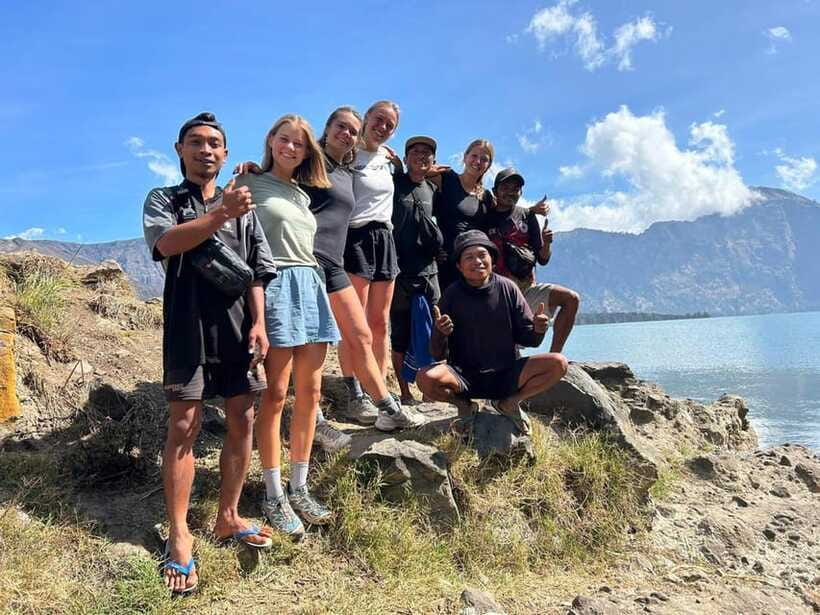
Day 3 begins with breakfast and a sunrise, then you descend from Mount Rinjani to Senaru village through rainforest. This is a huge contrast from the high, volcanic feel of Days 1 and 2.
The walk down takes around 5 hours, with lunch along the way. You’ll end at Senaru village (about 601 m), where the car transfers you to your next destination.
One fun detail: if you’re lucky, you can see a rare black monkey on the route. No guarantees are mentioned, so I treat this as a bonus moment, not a checklist item. Still, rainforest trails do give you more chances to spot movement and wildlife than pure volcanic paths.
When you finish, transportation is included to Bangsal, Senggigi, and Mataram. That matters because it keeps the trek from turning into another day of complicated travel.
Guides, porters, and the small-group advantage
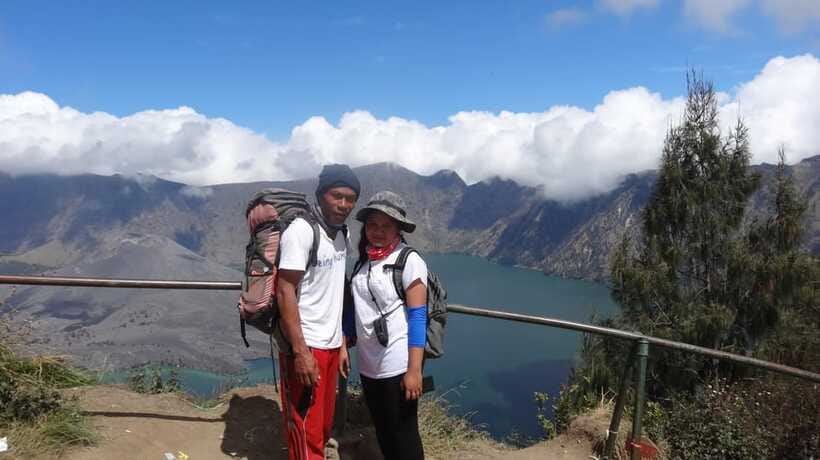
This is the part that consistently earns top marks in the reviews. You’ll be with a professional guide and a porter team, and the group size is limited to 8 participants. In practice, that usually means the group moves with fewer bottlenecks and you’re less likely to get strung out on steep sections.
I also like how the operator shows up in the details. Reviews mention guides by name—Rin, San, Ringo, Sun, Awan, Jojo, Ryan, and others—and the porter crew is described as attentive with hot food, smart pacing, and caring support on tough moments. Sultan is also mentioned as an organizer who helps with problems and keeps things organized beyond the trail.
Food support is another big deal on Rinjani. You get breakfast, lunch, and dinner, plus fried banana appetizer and fruit dessert. Hot food at the right times isn’t just nice. On long days, it directly affects your energy and how steady you can stay with foot placement.
One more practical touch from reviews: some organizers provide gear like head torches (and in one case, walking sticks) the night before. Even if you bring your own, it’s a sign they take readiness seriously.
What’s included (and why it matters for a 3-day summit trek)
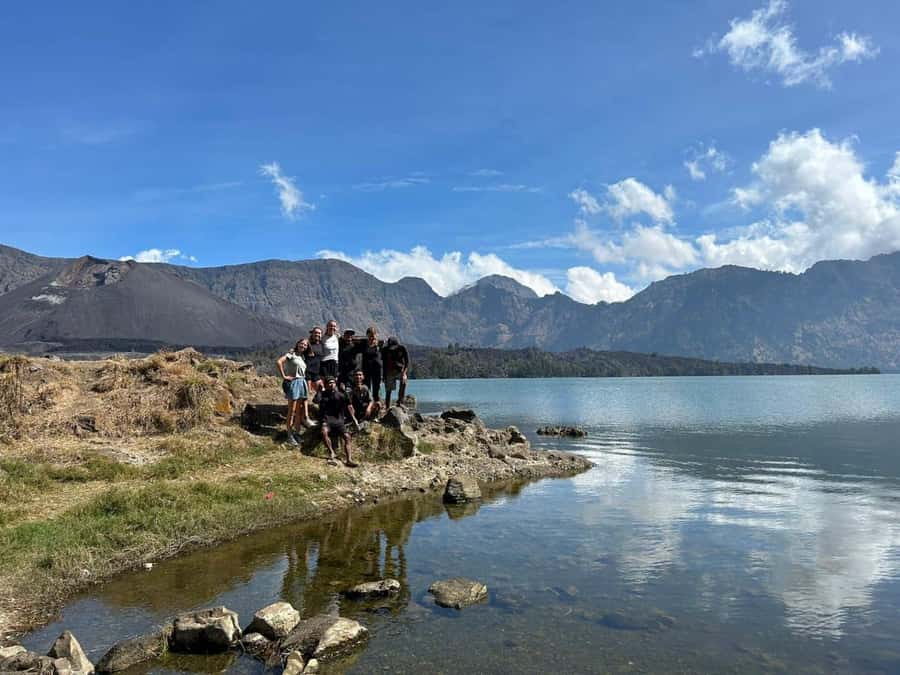
Here’s what you should expect to be taken care of, based on what’s included in the package:
- Pick-up transport from Senaru area hotels to the start point trek
- National park entrance fee included (listed as IDR 250/Day and also IDR 750k/person)
- Professional English guide + porter support
- Tent and toilet tent, plus sleeping bag and mattress
- Mineral water and spring water for drinking on the mountain
- Cooking equipment and all meals (breakfast/lunch/dinner)
- Appetizer: fried banana; dessert: fruits
- Trekking insurance
- Headlamp + gloves
- Luggage storage available at the Cakrawala Rinjani office
- Transport after finishing the trek to Bangsal, Senggigi, and Mataram
Why this matters: on a trek with an early summit start, you don’t want to be thinking about whether your gear is missing or your meals are uncertain. When the package handles the basics, your time and attention can go into altitude management and careful movement.
Fitness reality check: who this trek is for
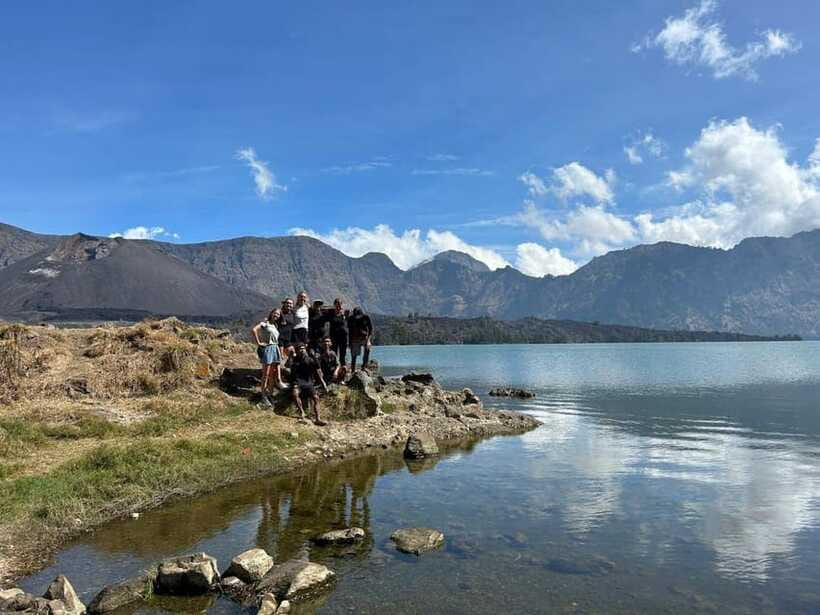
Cakrawala Rinjani’s 3 Day 2 Night climbing program is designed for experienced climbers with strong energy to handle the full route. That’s not marketing fluff. This trip includes continuous ascent and descent, plus a midnight summit push and loose scree near the top.
From the experience feedback, the challenge isn’t technical rock climbing. It’s endurance and stamina. People who were fit and had decent hill-walking ability generally felt the summit was doable. People who weren’t used to long climbs found the day 2 effort especially tough.
If you’re new to hiking, consider whether you can comfortably handle sustained uphill/downhill for multiple days with altitude. If not, a shorter option may fit you better. Even within the same trek style, the 3-day format adds extra hiking time—so it’s best for people who want the whole arc, not just the fastest summit version.
What to pack: the gear that actually helps
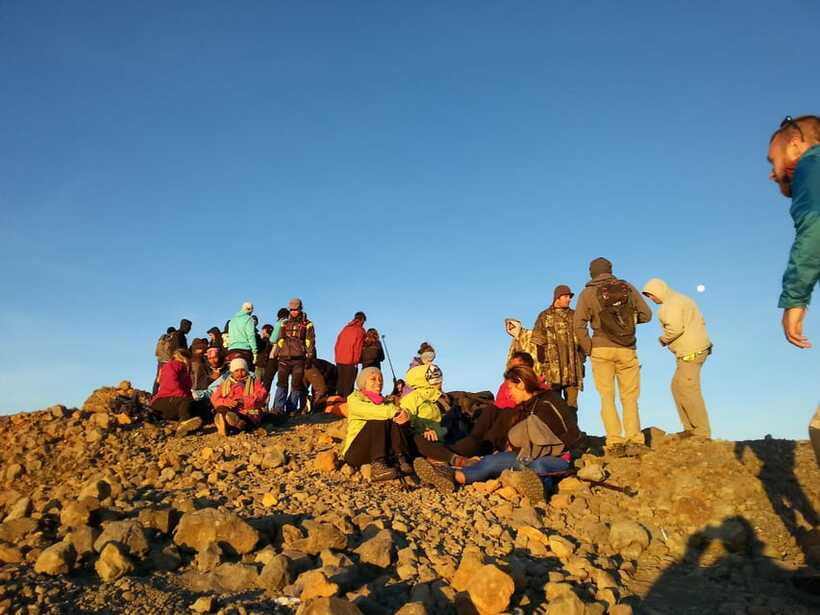
The package provides key items like a headlamp + gloves, plus sleeping gear, tent setup, and meals. You still need to bring personal trekking essentials.
Bring:
- Comfortable shoes (or better, hiking shoes you trust)
- Warm clothing for crater-rim nights and early mornings
- Trekking gear (pack list can be basic, but bring what you already use)
- Camera
- Water and hiking support items (even with provided water, you’ll want your own comfort system)
- Trekking shoes with good grip for descent surfaces
Two things I strongly recommend based on how people describe the hike:
- Use trekking poles if you can. Reviews mention asking for them and that they help a lot, especially on the descent.
- Don’t skimp on layers. Cold + wind at altitude is common sense, and your comfort affects how well you move.
Money and value: is $237 a fair deal for this trek?
At $237 per person for 3 days and 2 nights, you’re getting a lot of structured support: guide, porters, meals, tent and sleeping setup, and transport after finishing. For a summit trek, that’s where value lives—logistics handled, energy protected.
Could you do it cheaper on your own? Maybe, if you already have experience, gear, and the ability to manage permits, carriers, timing, and the little details that keep a trek safe and smooth. But for most people, the cost feels fair because you’re paying for a functioning team that carries equipment, cooks hot meals, and runs the mountain schedule.
The trip’s “worth it” reputation also makes sense. You’re not only paying for a sunrise photo. You’re paying for summit views, two crater-rim camping experiences, lake time, hot-water bathing, and a rainforest exit with wildlife chances.
Should you book this Mount Rinjani 3D-2N Summit–Lake–Hotspring trek?
Book it if you want the full Rinjani arc: summit sunrise, Segara Anak lake time, and hot springs recovery, with crater-rim sunsets at both Sembalun and Senaru. This is a strong choice for hikers who are comfortable with hard endurance days and want a small-group experience where the team can actually keep an eye on everyone.
Hold off or choose a lighter option if you’re not ready for a midnight start, long continuous walking, and loose volcanic scree near the summit approach. This is a physically demanding route, even if it’s not described as technically dangerous.
One last decision tip: if you already hike regularly and you enjoy being in the mountains for multiple days, this trek’s pacing will likely feel like a satisfying challenge. If you’re still building fitness, you’ll enjoy Rinjani more by choosing a version that matches your current legs.