REVIEW · TETEBATU
Mt Rinjani Trekking 2 Days 1 Night Summit
Book on Viator →Operated by HaLoMi Trekker · Bookable on Viator
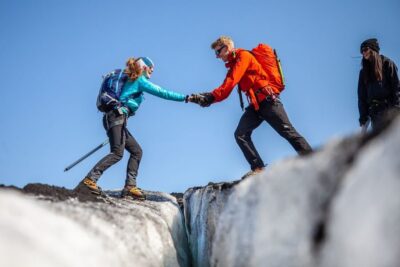
Rinjani hits hard, then rewards fast. This private 2D/1N summit trek from Sembalun is built for people who want a real physical challenge, with camping on the crater rim and a guide who keeps things moving (and snaps photos along the way).
I like that the day-to-day logistics are handled for you. You get meals, bottled water, camping, park fees, local taxes, and the kind of guide support that matters when the weather and altitude start talking back.
One thing to consider: with only two hiking days, the pace is quick and the weather can turn cold on the rim. If you’re not solid on long climbs and chilly nights, you’ll feel it.
In This Review
- Key things you’ll like about this trek
- First, what this 2D/1N Rinjani plan actually means
- Price and value: what $280 covers on Lombok
- Getting to the start: pickup, timing, and where it lands you after
- Day 1 on Rinjani: briefing plus Sindang Gile and Tiu Kelep waterfalls
- Day 2: the push to Sembalun crater rim camp
- Day 3: summit attempt, sunrise-style timing, and the walk down to the village
- Guides, porters, and photo help: why names keep coming up
- Camping on the crater rim: the part people don’t forget
- Waterfalls, then mountains: how day 1 helps you handle day 2
- The Gili connection: free transfer after the trek
- What to pack (and what’s not included)
- Who this trek suits best (and who should rethink)
- Should you book HaLoMi Trekker’s 2D/1N Rinjani Summit?
- FAQ
- What time does the Mt Rinjani trek start?
- Is this a private tour or shared with other groups?
- What’s included in the trek package?
- Is there a vegetarian option?
- What’s not included that I should plan for?
- Do I get transportation to Gili after the trek?
- Is this trek refundable if I cancel?
Key things you’ll like about this trek
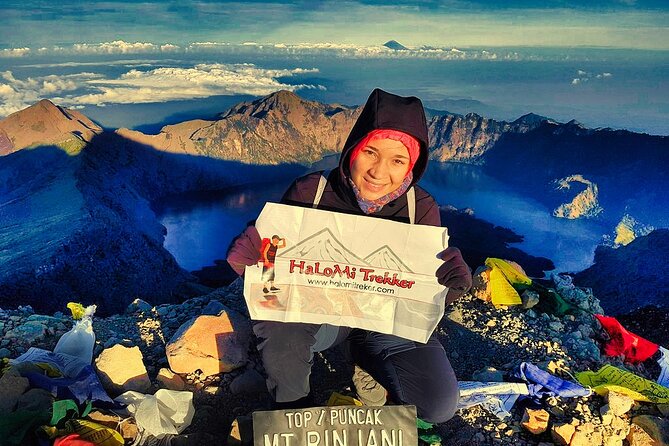
- Private hike plus a photo-focused guide so you don’t have to fumble with your phone at the worst time
- Sindang Gile + Tiu Kelep Waterfalls added on arrival day to break up the intensity
- Crater rim camping included, with meals and water planned around the hike
- Sunrise-style summit push (timing is designed for an early top-of-mountain experience)
- Free boat transfer to Gili after the trek so you can roll straight into island time
First, what this 2D/1N Rinjani plan actually means
Mt Rinjani is the kind of volcano where you earn the view. This version is a private 2 days / 1 night summit trek: day 2 carries you toward the crater rim campsite, and day 3 is the big summit effort followed by a descent back toward the village area.
Because it’s only 2 days of hiking, you should expect a “get it done” rhythm. You won’t have the slow, flexible feel of longer itineraries. Instead, it’s more like: climb hard, camp, climb harder, then get down while you still have energy. If you like structured challenges and you’re comfortable pushing through discomfort, this fits nicely.
The “private” part matters too. Your group stays together with a guide team and porters, and you’re not stuck waiting on strangers. That can make a big difference on a mountain with changing conditions.
Price and value: what $280 covers on Lombok
At $280 per person, the value here is mostly about what’s included around the mountain itself. You’re not just paying for someone to point at a trail.
Your package includes:
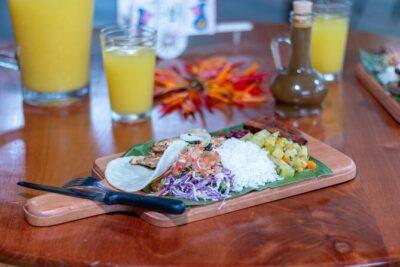
- Breakfast, lunch, and dinner during the trek (plus coffee/tea and snacks)
- Bottled water and beverages
- Overnight accommodation (before/around the trek)
- Camping setup for the crater rim stay
- National Park fees plus environmental management charges (reef tax) and local taxes
- Driver/guide + local guide + professional guide
- Professional photographer guide (they help with photos while you hike)
- Hotel/port pickup and drop-off, plus transport by private vehicle
- A mobile ticket
In other words, you’re paying for the mountain experience and the surrounding machine that makes it run: permits, food, water, transport, and the guide team.
If you’re the type who wants to show up with your body ready and not negotiate details while you’re tired, this price starts to make sense.
Getting to the start: pickup, timing, and where it lands you after
The tour starts at 8:00 am, and the plan is built around private transport. A driver will collect you from Lombok the day before departure and drop you at your next Lombok destination after the trek.
Practically, that means you can base yourself on Lombok and not worry about coordinating separate rides to the trailhead area, plus later onward transport. It’s one less stress layer right before you start climbing.
You’ll also see references to pickups at hotels/ports and the ability to arrange pickup and drop-offs anywhere on mainland Lombok that works for you. That’s helpful if you’re mixing Lombok with Gili before or after.
Bonus: there’s a free boat transfer to Gili Island after the trek, which can turn your post-hike day from “travel day misery” into “sit by the water.”
Day 1 on Rinjani: briefing plus Sindang Gile and Tiu Kelep waterfalls
Day 1 is not a summit day. It’s about getting oriented and landing in the right mindset for what’s coming.
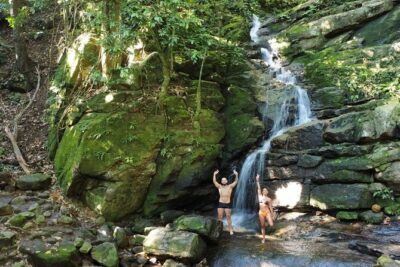
You’ll begin with briefing time, then head out for a waterfall visit at Sindang Gile and Tiu Kelep. This is smart scheduling. Waterfalls give you a scenic hit without the altitude strain. They also let you stretch your legs and get a taste of the island’s nature before the crater rim night.
What to watch for: this is still part of the outdoors circuit on Lombok, so footwear and basic weather readiness matter. If you’re tempted to wear flip-flops because it’s “just day 1,” don’t. You’ll be happier with shoes that can handle muddy, uneven ground.
This waterfall add-on is also a good “mental warm-up.” By the time you’re trekking day 2, you already feel like you’re in motion, not just waiting for the hard part to begin.
Day 2: the push to Sembalun crater rim camp
Day 2 is where Rinjani turns serious. You start trekking from Sembalun and work your way up to the campsite on the crater rim.
This is the day that decides how you’ll feel on day 3. If day 2 is paced well, day 3 feels doable even when it hurts. If you blow too fast too early, the summit climb can feel like it’s writing your biography in sweat.
I like that the package includes meals and enough water planning during the trek. In guide-led treks, nutrition and hydration aren’t “nice to have.” They’re part of whether you can keep moving efficiently.
Also, camping on the rim is a distinct experience. You’re not just sleeping in a tent—you’re dealing with wind, temperature swings, and a different kind of quiet. Reviews often highlight how guides and porters help carry much of the heavy load, leaving you with your personal belongings, which keeps the main effort on the climb.
If you’re picky about comfort, you might wish for more gear options, but the core point is: the trek team handles the essentials so you can focus on the hike.
Day 3: summit attempt, sunrise-style timing, and the walk down to the village
Day 3 is the summit day. The plan is a hike up to the summit and then a descent back down to the village area.
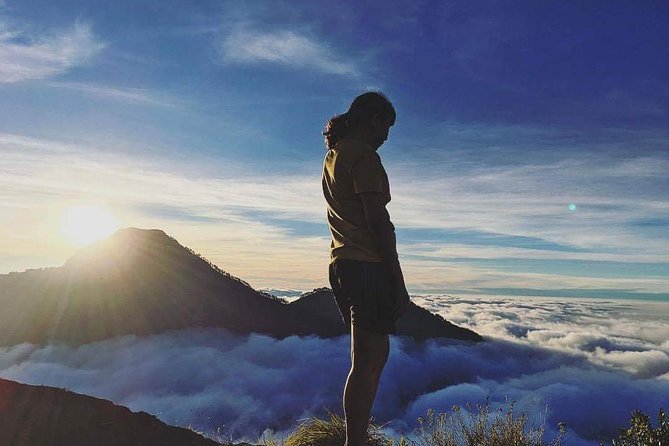
You should expect an early start to make the timing work. Many trek experiences around Rinjani aim for a sunrise-style top moment, because the payoff is best when the air is clearer and the mountain feels less chaotic.
Even with a good guide, the summit portion is hard. That doesn’t mean it’s unsafe. It means you need to treat it like a real climb: slow, steady breathing, steady steps, and communication if you feel overheated or chilled.
Here’s a fair note: one outlier experience in the feedback raised concerns about health and cold-weather decision-making when someone became hypothermic near the summit area. That doesn’t define the whole trip, but it tells you what to take seriously. Before you go, you should ask how the team handles cold stress and emergency decisions. And if you start feeling off, say so early. Don’t wait.
Once the summit is done, the descent is still work. Your legs will feel every step. But you’ll also feel something else: relief mixed with pride.
Guides, porters, and photo help: why names keep coming up
One of the strongest parts of this trek is the guide team. In the feedback, guide names show up again and again—people talk about support, pacing, and making sure you feel taken care of.
You might hike with guides such as Mul, Adi, Edi, Andy, Aji, Eddie, Wir, Mul again in different groups, and Hendri (with specific praise for taking a trip from great to incredible). There are also porters praised by name, including Wirnadi and Jitrani.
What I take from that: the difference between a frustrating climb and a memorable one is often how the leader handles the middle parts. The middle is where fatigue, shortness of breath, and small weather changes show up. A good guide keeps you together, keeps you moving, and handles the logistics so you don’t spend mental energy on the wrong problems.
The professional photographer guide is also a practical bonus. On steep sections, you’ll want someone who knows how to capture you without slowing the line. It’s a comfort for people who don’t want to sacrifice the view for photos.
If you care about photos, ask your guide about timing during the ascent and what they’ll be shooting. Then relax and just climb.
Camping on the crater rim: the part people don’t forget
Camping is included, and it changes the whole feel of a 2D/1N climb. Instead of just passing through, you sleep with the volcano right there, close enough that it feels personal.
You’ll likely experience a temperature drop after sunset. Even if daytime trekking feels warm, nights on volcanic rims can get cold fast. The trip doesn’t list trekking jacket or headlamp as included, so you’ll need to plan your clothing and lighting accordingly.
The best camping setups are the ones where you don’t waste time sorting gear. Reviews often mention that guides and porters help handle camp details, and hikers only carry personal belongings. That’s a big deal for morale. When your hands are free, you hike better, and you recover better.
Waterfalls, then mountains: how day 1 helps you handle day 2
I like that the trek doesn’t start with the hardest thing first. You get a waterfall outing on arrival day—Sindang Gile and Tiu Kelep—then move into the ascent plan.
That order matters. It gives your body a chance to wake up to the terrain. It also gives your mind a break before the long climb. If you’re the type who gets nervous before a tough physical day, this gentle landing can calm you down.
It’s also a nice reminder: Rinjani isn’t the only highlight. Lombok has its own nature moments, and this trek lets you see them without buying a separate tour.
The Gili connection: free transfer after the trek
After the summit, you’re not stuck repeating the same travel loop. This package includes a free boat transfer to Gili Island after the trek.
That’s a smart pairing. You’ll likely be tired (even if you feel amazing), and getting to Gili right away can turn your post-hike day into recovery plus fun. Instead of hunting for transport when you’re sore, you can just follow the plan.
If you’re thinking of combining Rinjani with beach time, this is one of the easier ways to stitch the days together.
What to pack (and what’s not included)
Some key things are not included, so plan for them. The listing calls out:
- Head lamp/hand torch
- Trekking shoes
- Trekking jacket
- A small bag/daily pack and a small backpack/daily pack
- Long pants/trousers
- Tips for guide and porters
You don’t have to pack like a survivalist, but you do need the essentials. For this route, I’d treat these as non-negotiables:
- Wear shoes with grip and ankle support
- Bring a headlamp even if you think you’ll be done before dark
- Pack layers. A mountain can go from warm to cold fast
- Bring long pants for comfort and to protect your legs on rough sections
One review also encouraged following the provider packing list and specifically praising a guide (Hendri). That’s a good signal: don’t show up improvising. Even small omissions can make a night on the crater rim miserable.
Who this trek suits best (and who should rethink)
This is for you if:
- You want a real summit effort in a short time window
- You’re comfortable with a physically demanding climb over two hiking days
- You like having a team handle food, water, camping basics, and key logistics
- You want photos on the way, not just phone snapshots
You might think twice if:
- You dislike cold nights and long early starts
- You’re new to hiking and can’t handle a steep, fast-moving climb
- You need very strict medical support planning (especially for cold stress). One feedback item raised a concern about how health decisions were handled when someone became hypothermic. That doesn’t mean the whole operation fails, but it does mean you should ask your team directly about their process.
If you have any health concerns, bring them up before you go. A good guide can’t help if the plan changes only after the problem starts.
Should you book HaLoMi Trekker’s 2D/1N Rinjani Summit?
If you’re chasing a summit with strong organization, this looks like a solid choice. The overall recommendation rate is high (96%) and the rating is strong (4.8 from 26 reviews). The repeat theme is clear: well-run logistics, good food, enough water planning, and guides who genuinely help you succeed. Names like Mul, Adi, Wir, Edi, Andy, Aji, and Hendri keep showing up in positive notes, plus the porter teams credited with doing much of the heavy work.
My practical recommendation: book it if you’re ready for a fast, tough climb and you pack properly (headlamp, warm layers, proper shoes). If you’re sensitive to cold or you’re not sure you can handle altitude effort, ask pointed questions about health and cold-weather handling before you pay—and don’t assume the mountain will be kind to you just because the itinerary is short.
Do your homework, bring the right gear, and you’ll probably walk away with the kind of sunrise memory you can’t replace with a beach selfie.
FAQ
What time does the Mt Rinjani trek start?
The meeting/start time listed is 8:00 am.
Is this a private tour or shared with other groups?
It’s a private tour/activity. Only your group will participate.
What’s included in the trek package?
Included items cover overnight accommodation, park and environmental charges, meals (breakfast, lunch, dinner during the trek), coffee/tea, snacks, bottled water/beverages, guides and a photographer/guide, plus hotel/port pickup and drop-off and private vehicle transport.
Is there a vegetarian option?
Yes, a vegetarian option is available. You need to advise at the time of booking.
What’s not included that I should plan for?
Not included are alcoholic drinks, small bag/daily pack and small backpack/daily pack, head lamp/hand torch, trekking shoes, trekking jacket, and long pants/trousers, plus tips for guide and porters.
Do I get transportation to Gili after the trek?
Yes. There’s a free bonus boat transfer to Gili Island after the trek.
Is this trek refundable if I cancel?
No. The experience is non-refundable and cannot be changed for any reason.