REVIEW · PAGE ARIZONA
Page: Antelope Valley Canyon Stargazing Night Hike
Book on GetYourGuide →Operated by Ligai Si Anii Tours 2 DBA Antelope Valley Canyon Tours · Bookable on GetYourGuide
Stars look different in a canyon. This moonless night hike in Page’s slot canyons turns stargazing into the main event, with a guide pointing out what you’re seeing overhead.
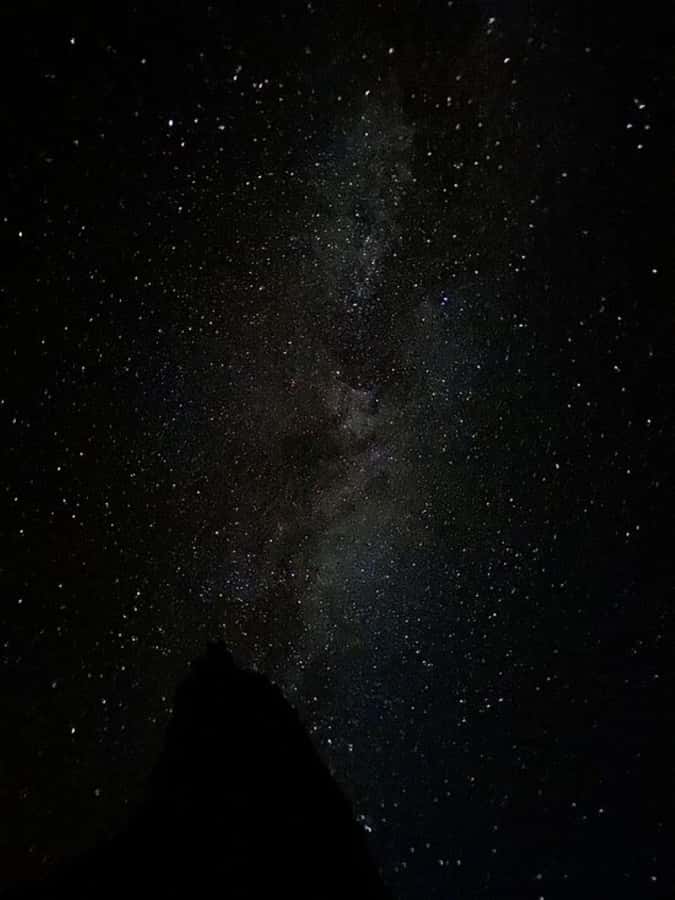
I especially love the chance to find the center of the Milky Way Galaxy from right inside the canyon setting. I also like how the guide connects the stars to stories and constellation lore, and one guide named Wally was specifically called out as outstanding.
One consideration: the whole experience is only 2 hours, so pacing can feel a bit rushed when groups are larger.
In This Review
- Key Things to Know Before You Go
- Why Moonless Nights and Slot Canyons Change the Stars
- The 2-Hour Flow: From Parking Lot to Milky Way Spot
- What You’ll Learn Under the Constellations (and Why It Matters)
- Gear Check: Headlamp, Warm Layers, and No Flash
- Price, Permits, and Real-World Value in Page
- Weather, Group Size, and How to Set Your Expectations
- Who This Hike Fits Best, and Who Should Skip It
- Final Call: Book This Stargazing Hike or Not?
- FAQ
- How long is the Antelope Valley Canyon stargazing night hike?
- What does the tour cost, and what extra fees might apply?
- What’s included in the tour?
- What should I bring for this hike?
- Is flash photography allowed?
- Is this tour suitable for children?
- Who should avoid this experience?
- What happens if the night is cloudy?
Key Things to Know Before You Go
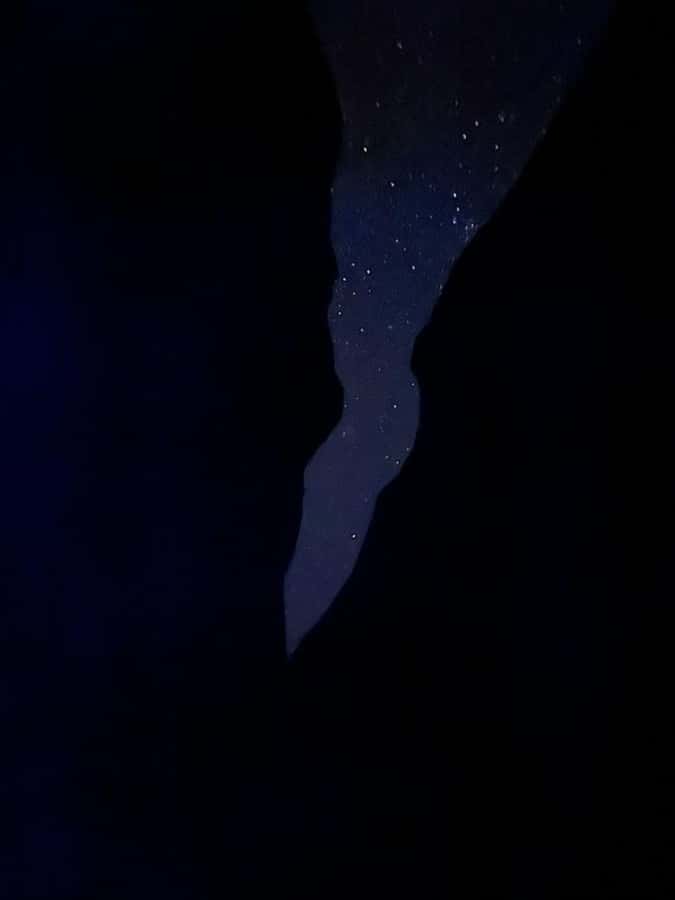
- Moonless sky time is the point: your best views depend on darkness and clear enough conditions.
- You hike first, then stop: the stargazing moment comes after you reach a chosen spot.
- Headlamps are provided: you’ll still want comfortable shoes for the canyon path.
- Constellation stories are part of the value: it’s not just looking up, it’s learning as you look.
- No flash photography: it’s a dark-sky experience, so keep cameras respectful.
Why Moonless Nights and Slot Canyons Change the Stars
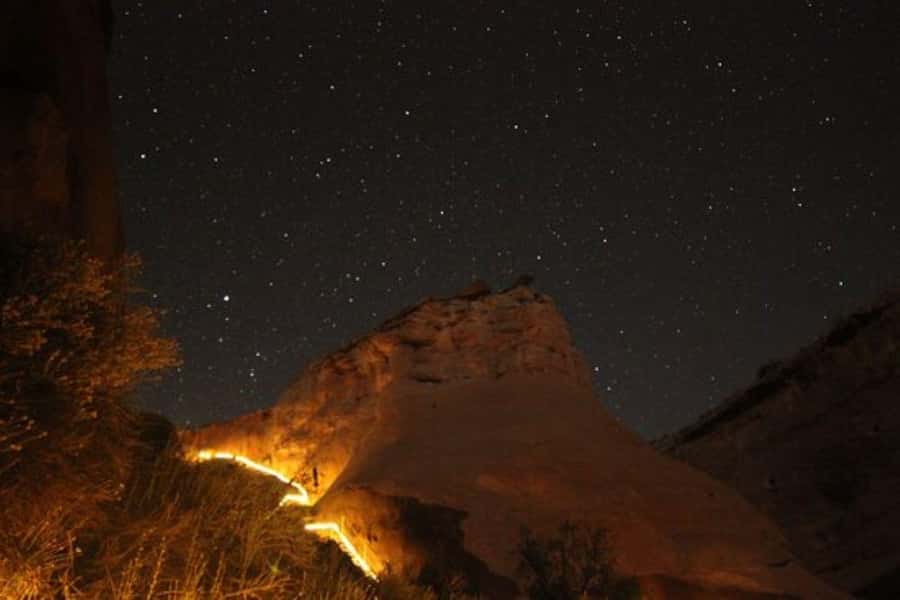
There’s a reason night skies can feel flat in everyday life. City light washes out faint stars, and even rural areas rarely give you true darkness. In the slot canyons of Antelope Valley, the canyon walls help frame your view upward, so you’re looking into a deeper, more concentrated sky.
This hike leans hard into a moonless night plan. When the moon isn’t doing its bright job, stars and the Milky Way get more contrast. And the canyon setting makes the moment feel more physical than a typical “stand and point at the sky” tour.
You can also read our reviews of more tours and experiences in Page Arizona.
The 2-Hour Flow: From Parking Lot to Milky Way Spot
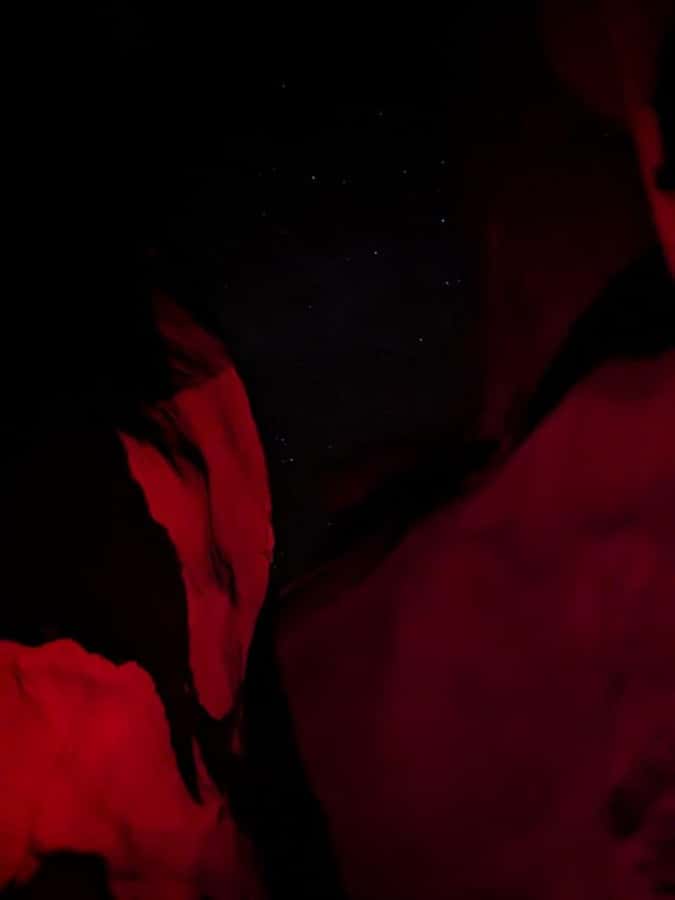
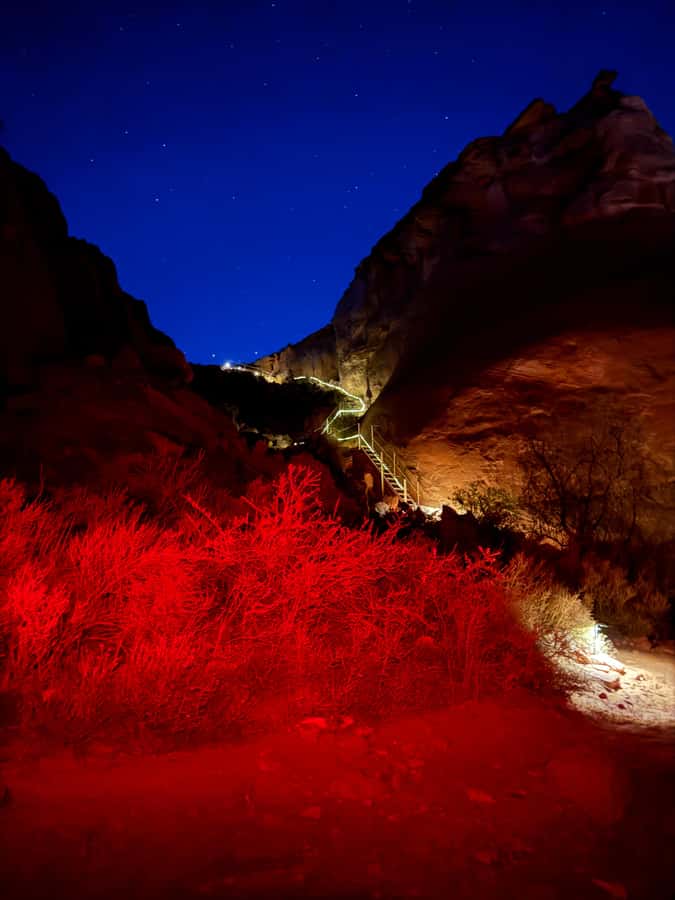
You start at the Antelope Valley Canyon parking lot and meet your guide there. From there, you head into the canyon on foot at night, with a headlamp to help you move safely while keeping things dark.
The hike itself is more than walking. As you go, you’ll learn about the area’s history and the geology of the slot canyons—how the canyon formed, and why the rock shapes matter for the whole experience. It’s a good reminder that you’re not just doing stargazing; you’re moving through the place that makes the stargazing special.
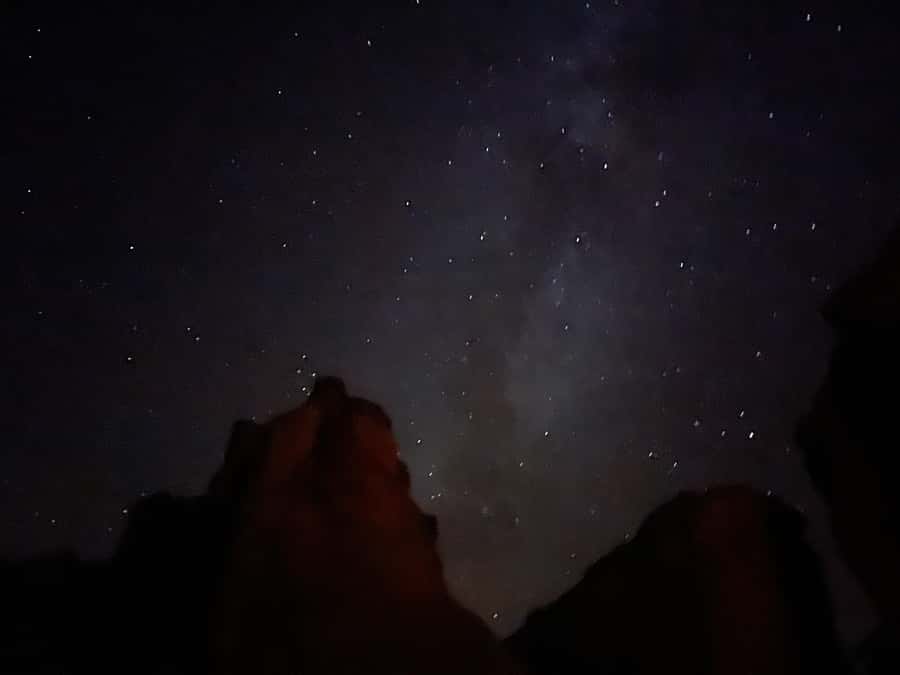
After you reach the best spot, you pause and look up. This is when the guide helps you connect constellations with the stories people have told for generations. You’ll also be aiming your gaze for the center of the Milky Way Galaxy, which is the headline view on a truly dark night.
Then it’s back the same way to the parking lot to wrap up the tour. With a total duration of 2 hours, don’t plan to linger for long on any one moment. The schedule is built for a clean, focused experience.
What You’ll Learn Under the Constellations (and Why It Matters)
Stargazing is easy to enjoy, but it’s also easy to forget. What makes this tour worth your time is that the guide gives you a framework to make the sky memorable.
Expect a guided look at constellations, plus the stories behind them. The goal isn’t memorizing star names like a homework assignment. The goal is to connect patterns you see overhead with meaning—so after the tour, you can recognize at least a few star groups again the next time you look up.
You’ll also be guided toward one of the most striking views available to casual night hikers: the Milky Way’s center. Even if you’ve seen photos before, the center region looks different when you’re standing under it. The canyon setting changes the feeling. Instead of a distant band in a photo, it becomes a bigger, closer “direction” in the sky.
If you’re the type who likes connecting dots—science, culture, and story—this part is the heart of the tour. If you’re strictly after silence and stillness, you might prefer stargazing on your own later, because you’ll be listening to a guide for part of the experience.
Gear Check: Headlamp, Warm Layers, and No Flash
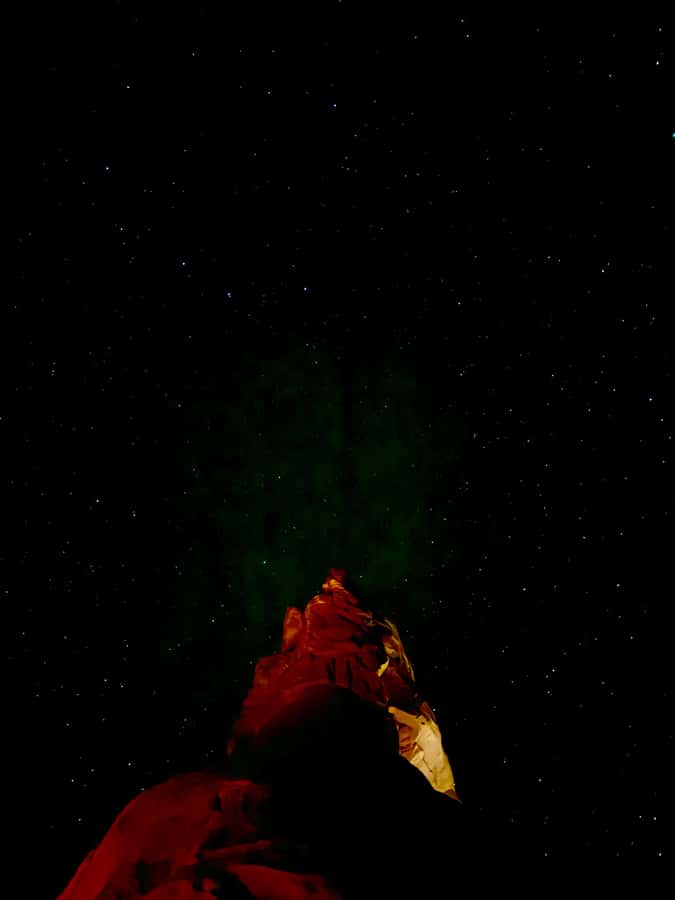
You’ll get a headlamp as part of the tour, which is a big help. It means you don’t have to guess whether your own gear will work in the dark, and it also keeps the group safer on the trail.
Still, you should pack smart. Bring:
- Comfortable shoes (the path is night hiking in canyon terrain)
- Warm clothing (nights can be cold)
- Water (hydration matters even when it doesn’t feel hot)
One rule to plan around: flash photography isn’t allowed. That’s not just for etiquette. Flash ruins the dark adaptation you need for seeing faint stars. It also distracts others who are trying to watch the sky unfold.
For me, the best “gear” isn’t fancy equipment—it’s comfort. If you’re warm and steady on your feet, you’ll spend less energy worrying and more energy actually looking up.
Price, Permits, and Real-World Value in Page
The tour price is $65 per person for a 2-hour guided night hike, with headlamps included. That’s reasonable for a guided, dark-sky-style experience, especially when someone is handling navigation, timing, and the constellation teaching.
But the final number isn’t just the $65. There are additional Navajo-related fees that are required and not included. In the details provided, you’ll see two figures mentioned:
- an $8 Navajo Permit Fee
- a $15 Navajo Nation Park fee
Because both are listed as required-but-not-included, you should check the total due at booking or with the operator so there are no surprises.
Is it a deal? It can be, if:
- you care about guided stargazing (not just the hike)
- you want help finding the Milky Way center without guessing
- you’re traveling on a short timeline and want a structured plan
If you’re hoping for hours of hiking or a lot of “free time,” you may feel the tour is short for the cost. One booking described it as having little activity for the money, which lines up with the fact that this is tightly scheduled.
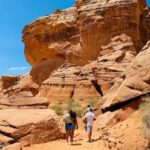
Weather, Group Size, and How to Set Your Expectations
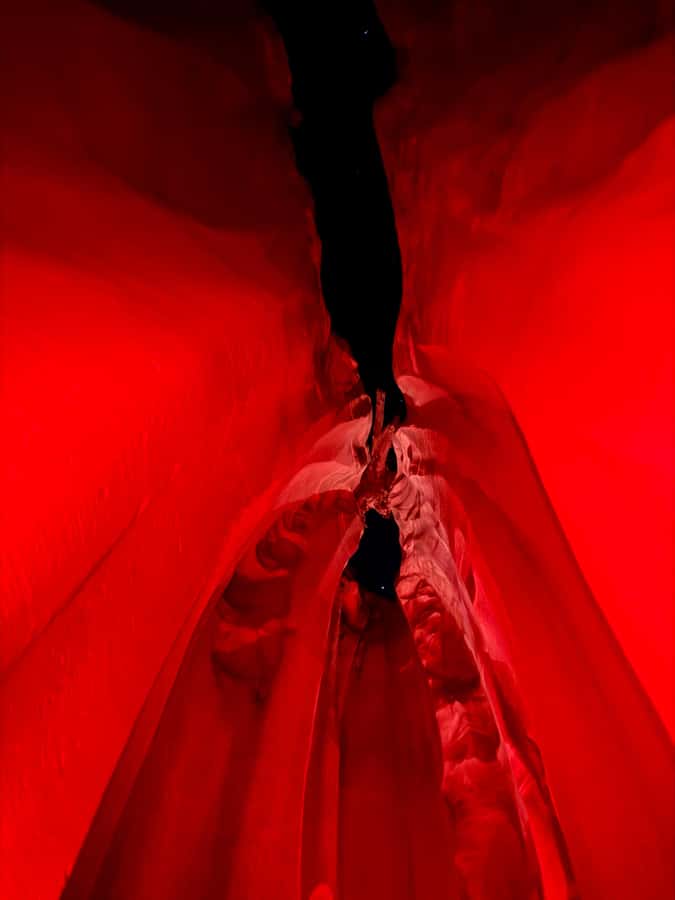
A star tour lives and dies by the sky. Even with the best planning, clouds can swallow the view. One verified booking reported a night that was fully cloudy, and the operator offered either a refund or the chance to go on another day. That’s a useful signal: if you’re flexible, you may have options if conditions aren’t ideal.
Group size also affects how it feels. Several parts of the experience happen in a short window—walking in, reaching the viewing spot, then listening and looking. If your group is large, the pace can feel rushed and you’ll have less time to linger in one moment.
Here’s how I’d set expectations:
- Treat the canyon walk as part of the experience, not a long hike.
- Treat stargazing as a guided “window,” not a private sky viewing session.
- If weather looks questionable, plan for possible changes.
Who This Hike Fits Best, and Who Should Skip It
This tour is well-suited for adults and older teens who enjoy night hiking and want guided stargazing. It’s also a strong fit if you’re curious about constellations and the cultural stories tied to them.
It’s not suitable for:
- children under 6
- people with mobility impairments
- people with claustrophobia
That last one matters. Slot canyons can feel tight, and even a short hike can create discomfort for people who don’t like enclosed spaces. If you know claustrophobia is a concern for you, it’s better to skip this specific canyon setting.
Also, think about your comfort with darkness. There’s a headlamp, but you’ll still be walking in uneven conditions at night and focusing on moving safely.
Final Call: Book This Stargazing Hike or Not?
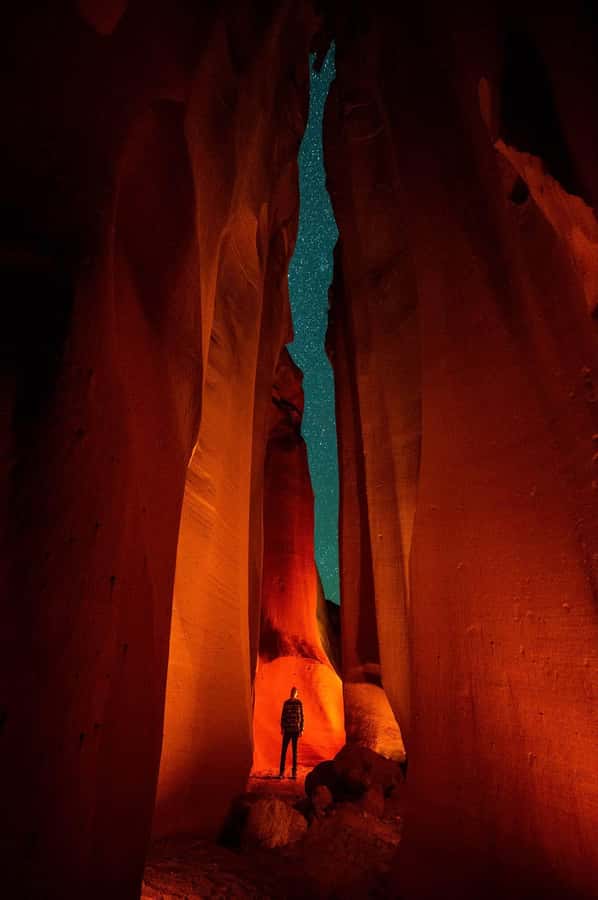
Book it if you want an efficient, guided way to see the night sky from inside the Antelope Valley slot canyons—with a real chance at the Milky Way’s center and a guide who connects constellations to stories. The headlamps, the short format, and the focus on stargazing are a good match for most visitors.
Skip or choose carefully if you hate tight canyon spaces, aren’t comfortable hiking after dark, or need a very slow, unhurried pace. Also, check the total fees in advance because you may owe additional Navajo permit/park charges on top of the $65 base price.
If you’re flexible and the sky cooperates, this is the kind of Page night experience that sticks with you—stars framed by stone, with someone translating the patterns above you into something you can actually remember.
FAQ
How long is the Antelope Valley Canyon stargazing night hike?
It lasts 2 hours total.
What does the tour cost, and what extra fees might apply?
The listed price is $65 per person. An $8 Navajo Permit Fee is required but not included, and there is also a Navajo Nation Park fee listed as $15 per person (also not included). Check the total due when you book.
What’s included in the tour?
You get a guided night hike, a stargazing experience, and headlamps.
What should I bring for this hike?
Bring comfortable shoes, warm clothing, and water.
Is flash photography allowed?
No. Flash photography is not allowed.
Is this tour suitable for children?
It is not suitable for children under 6 years old.
Who should avoid this experience?
It’s not suitable for people with mobility impairments or for people with claustrophobia.
What happens if the night is cloudy?
Sky conditions matter for stargazing. In at least one case, the program was canceled due to cloudy weather, and the operator offered a refund or another day option.