REVIEW · FUJIKAWAGUCHIKO MACHI
Private Local Hiking to enjoy the nature and culture of Mt.Fuji
Book on Viator →Operated by Yuki(ゆうき) · Bookable on Viator
Fuji hike, but make it local. This private 5 to 6 hour outing at the foot of Mt. Fuji takes you off the main crowds to shrine sites, quieter lakes, and volcanic trails, all guided by Yuki. I like that you get both culture stops and real walking time, and you also plan your views around clear-sky chances. One thing to weigh: the route is weather dependent, and pickup only works for people staying in the Kawaguchiko or Fujiyoshida areas.
Two things I really like: you’ll see Fuji from the trail when conditions cooperate, and your guide ties that view to how the area’s eruptions shaped sacred places. I also like that the day includes practical recovery time: a local meal with Yoshida Udon and then matcha in a Japanese garden setting.
One possible drawback is that you’re not guaranteed Fuji-on-peak glory. If skies are gray, you’ll still hike and visit, but you may need to adjust expectations for the iconic panorama.
In This Review
- Quick Hits Before You Go
- Why This Mt. Fuji Tour Works Better Than a Usual Sightseeing Day
- Meet Yuki: The Guide Who Connects Views to Meaning
- Morning Route: From Lake Kawaguchiko Views to a Quieter Fuji Side
- Fuji Omuro Sengen Shrine: Where Volcano Fear Becomes Worship
- Saiko Lake: A Peace Break Before the Trees Take Over
- Aokigahara Forest and the Sea of Trees Viewpoint Feel
- Ryugudoketsu-Iriguchi Lava Cave: A Sacred Place Underfoot
- Sankodai: The Viewpoint Hike That’s Worth the Effort
- Mentyo-Kaiden Stop: Yoshida Udon and a Lunch You’ll Actually Remember
- Fujisan Onsen Hotel Kaneyamaen: Matcha in a Japanese Garden
- What’s Included in the Price (and Why It’s Not Just a Guide Fee)
- Pickup and Timing: The Stuff That Can Make or Break Your Day
- Who This Tour Fits Best
- Should You Book This Private Mt. Fuji Nature and Culture Hike?
Quick Hits Before You Go
- A certified guide (Yuki) with decades on Mt. Fuji and deep local know-how
- Route choices that balance shrine culture, lake calm, and volcanic terrain
- A moderate hike (about 1 hour up, 30 minutes down) that many ages can handle
- Free gear: trekking shoes, poles, rain jacket/pants, and gloves
- Yoshida Udon lunch on the plan, plus optional matcha sweets
- Private format with your group only, and guidance paced to you
Why This Mt. Fuji Tour Works Better Than a Usual Sightseeing Day
This is the kind of Mt. Fuji day that feels like it has a pulse. Instead of only stopping at famous photo spots, you’re walking through the natural and spiritual logic of the Fuji area: lakes shaped by volcanic activity, forests born from past eruptions, and shrines tied to the idea of settling fear and asking for protection.
I also like that it’s private. Your pace matters on hikes, especially if you’re a slower walker, traveling with family, or you just want time to look at details instead of power-walking for photos. The guide is there to keep the day flowing—without rushing you.
The one tradeoff is planning around weather. When Fuji is visible, it’s spectacular; when it isn’t, you’re still getting a meaningful hike and culture stops, but the peak views may be limited.
Meet Yuki: The Guide Who Connects Views to Meaning

Yuki (ゆうき) is a certified mountain guide with more than 40 climbs of Mt. Fuji. That matters because this isn’t just “walk and look.” Yuki also has a license as a local hunter, which usually translates to sharper instincts for reading the forest, the terrain, and the seasonal rhythm around you.
In practice, that means you’re more likely to hear why a place feels important beyond the usual postcard explanation. Expect stories that connect worship sites and volcanic history to the lived experience of the people who have lived near Fuji for generations.
Morning Route: From Lake Kawaguchiko Views to a Quieter Fuji Side
The day starts at 9:00 am from your agreed meeting point, with private transportation included. After pick-up (only for people already staying in Kawaguchiko or Fujiyoshida), you head toward the lake area where the Fuji vibe starts right away.
Your first big “okay, wow” moment is centered on Lake Kawaguchiko. It’s the most popular of the Fuji Five Lakes, so yes, it’s busier than the quieter alternatives you’ll see later. But it also gives you the right setup: the iconic combination of the mountain and lake works as a visual warm-up for the rest of the hike.
A key idea here: your timing is meant to catch Fuji from the trail when conditions allow. Some days Fuji is hidden, and that’s just Japan’s weather game. But the route is built with that in mind—so you’re not stuck staring at clouds all day with nothing to do.
Fuji Omuro Sengen Shrine: Where Volcano Fear Becomes Worship
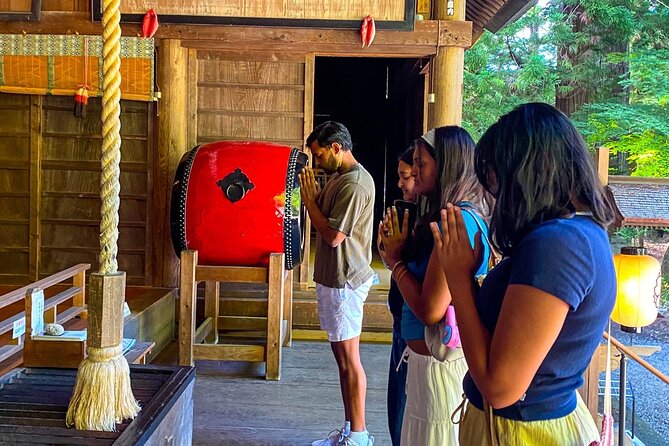
First up is Fuji Omuro Sengen Shrine. This is an ancient site with deep connections to Mt. Fuji worship and the idea of handling major eruptions. The shrine is free to enter, and it’s short—about 15 minutes—so it doesn’t eat your hiking energy.
What makes it special is the framing. Even if you don’t speak Japanese, you can feel the logic: when eruptions are real threats, religion becomes a way to respond with structure and hope. It’s a calm start before you step into the louder world of forests, lava shapes, and steep paths.
Practical note: bring a little attention here. Before you enter the trail, you’re better able to notice how the surroundings connect to the shrine’s purpose.
Saiko Lake: A Peace Break Before the Trees Take Over
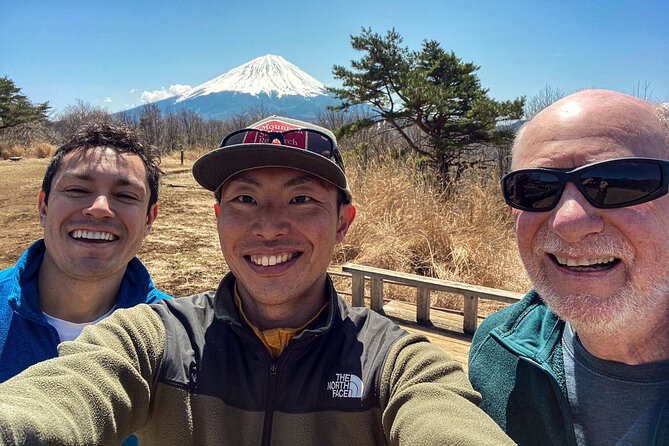
Next is Saiko Lake. Compared with Lake Kawaguchiko, this one is quieter, and that difference is the whole point. You’ll have a short stop (about 10 minutes), again with free admission.
If you like moments where the world slows down, this is one. The view of Mt. Fuji with the lake can be stunning on clear days, but even without the peak, the lake still gives you a softer horizon line before the forest parts of the hike.
This stop also helps with timing. It gives you a reset before you shift from open views into the more shaded, volcanic-terrain walking.
Aokigahara Forest and the Sea of Trees Viewpoint Feel
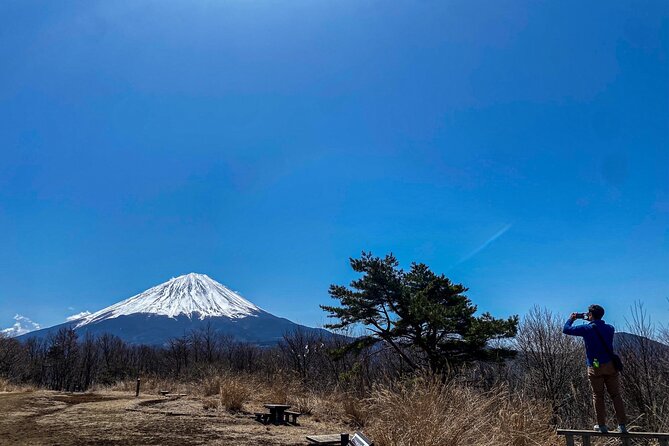
Then comes Aokigahara Forest, often described as “Jukai,” meaning sea of trees. The vibe you’re going for is exactly that: from a viewpoint, the forest looks like it stretches endlessly, like water but made of trunks.
The tour also frames the forest through volcanic history. One of the big eruptions from about 1,200 years ago is tied to the landscape you’re walking in now. You don’t have to be a geology nerd to appreciate it. You just need to look around and notice how the ground feels different than gentler landscapes.
This is a good place to move slowly. Trees plus shadowed paths can make you walk faster than you mean to. Pause for a second, take in the scale, and then keep going.
Ryugudoketsu-Iriguchi Lava Cave: A Sacred Place Underfoot
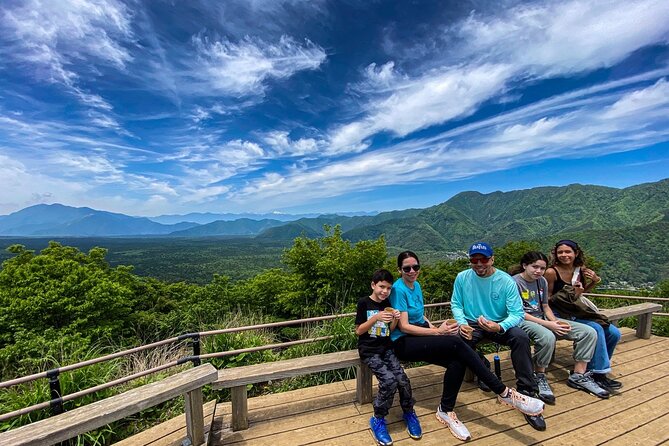
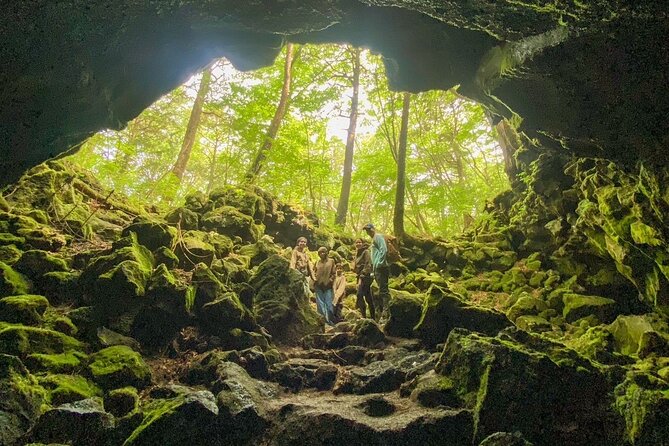
Stop four is Ryugudoketsu-iriguchi, a sacred cave area linked to prayers to the goddess of Mt. Fuji before people climbed. The idea was that the inside of the cave represented the inside of the goddess—so people would come here seeking protection and spiritual readiness.
This stop runs about 30 minutes, and admission is free. It’s one of those places where the “culture” part becomes more than a quick photo—because you’re stepping into a space that has a role in local belief.
Just keep expectations grounded. It’s not a theme park. You’re there to respect the setting, notice the quiet, and then continue your day.
Sankodai: The Viewpoint Hike That’s Worth the Effort
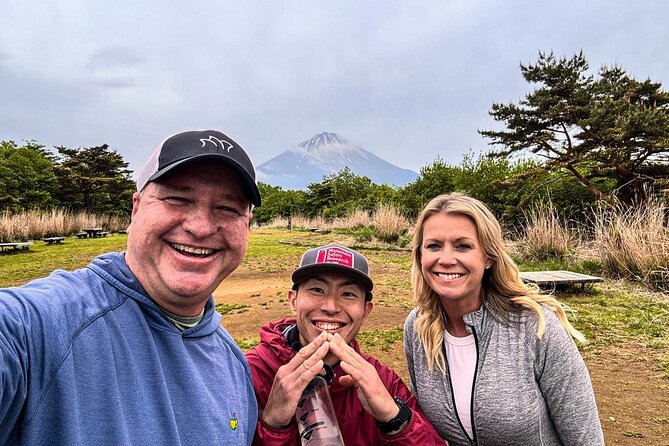
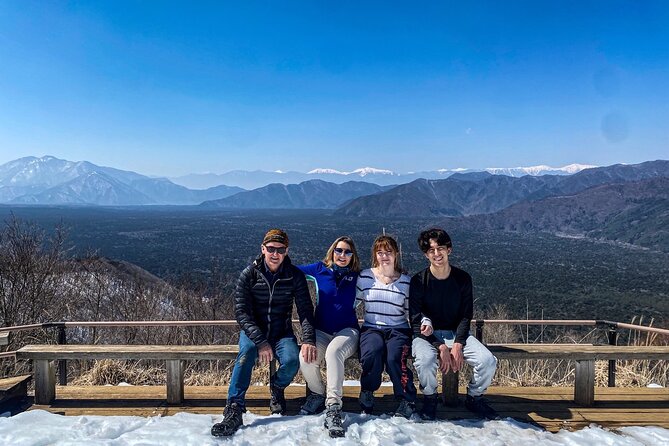
This is the walking highlight: Sankodai. The plan includes about an hour hike one way to the viewpoint, with stop time around 1 hour 30 minutes. The goal is a wide view that combines Mt. Fuji, the “sea of trees” Jukai, and Lake Saiko at the same time.
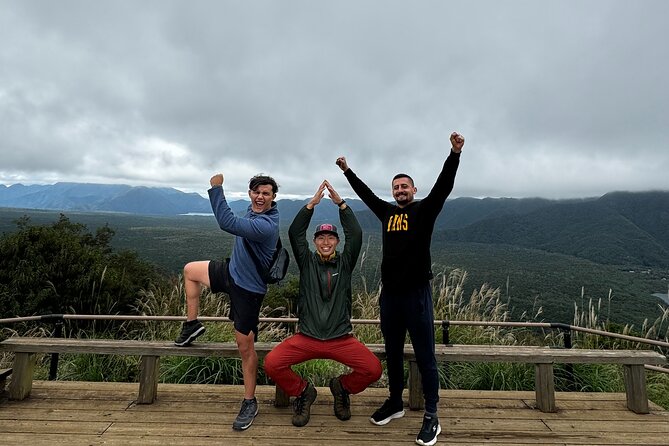
Here’s the simple truth: on a clear day, this is the kind of view that sticks with you. On a cloudy day, you still get the payoff of the hike itself—fresh air, a break from crowds, and a route that makes the forest make sense.
The hike is described as suitable for outdoor beginners. Still, give yourself credit: the climb is long enough to matter. Wear the trekking shoes provided, and use poles if you’ve got them. Your knees will thank you later.
Mentyo-Kaiden Stop: Yoshida Udon and a Lunch You’ll Actually Remember
After the main nature section, you move into food mode. At the local restaurant, your guide brings you to a place where tourists are less likely to wander in on their own.
The signature food here is Yoshida Udon, and there’s an estimated cost of around 1,000 yen per person. Lunch isn’t included in the tour price, so you’ll want to budget that extra amount. The good news is that it’s planned, not left as a random hunt after hiking.
I like this setup because your energy is timed well. You’ve walked enough to want something warm and comforting, but not so long that you’re ready to eat anything in sight.
Fujisan Onsen Hotel Kaneyamaen: Matcha in a Japanese Garden
To close the day, you head to Fujisan Onsen Hotel Kaneyamaen, one of the older hotels in Fujiyoshida city, known here for its large Japanese garden. You’ll have about 30 minutes, with garden entry open for public.
You can relax with matcha tea and a Japanese sweet. The sweet is optional and listed at around 1,000 yen per person. If you’re not in a sweets mood, plain matcha is still a nice reset after walking.
This part matters more than it sounds. A hike day can turn into “move, move, move” unless you build in a calm ending. Here, you get exactly that—quiet garden time while the day’s effort settles into your body.
What’s Included in the Price (and Why It’s Not Just a Guide Fee)
At $131.38 per person, this is positioned as private local hiking with real support. Included items are:
- trekking shoes, trekking poles
- rain jackets and pants, and gloves
- private transportation
- guide fee
Lunch and insurance are not included. Lunch is about 1,000 yen, and matcha sweets are optional at about 1,000 yen.
So what do you get for the cost? You get the hard parts handled: transportation, guiding, and the equipment so you’re not stuck renting gear last-minute. In a region like this, that can be the difference between enjoying the hike and spending your day solving logistics.
If you prefer a tailor-made pace and you’re willing to pay a bit more for privacy and guidance, this price can feel fair. If you’re traveling super budget and just want to walk a public trail with no guidance, then you’ll find cheaper options. But you’d lose the structure, the culture context, and the gear safety net.
Pickup and Timing: The Stuff That Can Make or Break Your Day
Pickup is available only for guests already staying in the Kawaguchiko or Fujiyoshida area. If you’re not in that zone, you’ll need to reach the meeting areas on your own.
Start time is 9:00 am. That early timing helps for two reasons: lighter crowds and a better shot at clearer visibility for Fuji from the trail.
Plan to wear your comfort-first mindset. This tour mixes short stops (10–30 minutes) with actual walking time, so you’ll want layers and rain-ready clothing even if the morning feels pleasant.
Who This Tour Fits Best
I think this tour is a great match if you want:
- Mt. Fuji views but also the local meaning behind the places
- a private guide who can pace a hike without turning it into a race
- a moderate trail that’s beginner-friendly with provided gear
- a day structure that includes both nature and food plus a calm ending
It may be less ideal if you’re chasing only the most dramatic, uninterrupted peak photos. The plan is built for experiences around Fuji, not for guarantees.
Should You Book This Private Mt. Fuji Nature and Culture Hike?
Yes, if you like your Mt. Fuji days with more than photo stops. The combo of shrine culture, quieter lake time, Aokigahara forest walking, a sacred lava cave, and a viewpoint hike makes this feel like a real local outing—not a drive-by.
Book it especially if you value a guide like Yuki, someone who connects the terrain and the worship sites to why this region matters. And bring flexibility for weather—because Fuji will choose how visible it wants to be.