REVIEW · PURMAMARCA
Purmamarca: Hiking with Llamas through multicolored mountains
Book on GetYourGuide →Operated by Purmamarca Aniacho Turismo · Bookable on GetYourGuide
Colorful hills turn gentler with llamas. This Purmamarca nature walk pairs close llama interaction with an Andean culture lesson, all in a relaxed 2-hour outing near the main square.
I love the up-close llama contact—you’re allowed to touch, caress, and even share little hugs—without riding them or pushing them past comfort. I also love that the guide turns the scenery into a class: geology, medicinal plants, and camelid biology, tied together with the idea of Pachamama and human-to-nature reciprocity.
One thing to factor in: the walk is still a walking experience on outdoor terrain, and it’s not suitable for wheelchair users, people with mobility impairments, people with recent surgeries, or babies under 1 year.
In This Review
- Key things that make this llama hike worth your time
- Purmamarca’s Cerro de Siete Colores effect, with a llama twist
- Where you meet: 200 meters from the main square, by the cemetery side
- First lesson: how to hold the llamas (and what the rules are)
- The walk itself: a friendly pace with photo stops built in
- What the guide teaches you: geology, medicinal plants, and camelids
- Pachamama in context: why this worldview changes how you look at a trail
- Meet the guides: why small groups feel personal
- Practical tips so your llama time stays smooth
- The value question: why 2 hours can be a smart use of your day
- Who this llama hiking experience is best for
- Should you book this Purmamarca llama hike?
- FAQ
- How long is the llama hiking experience in Purmamarca?
- Where exactly do we meet for the tour?
- Do you ride the llamas during the hike?
- How demanding is the walk?
- What languages are the live guides?
- How many people are in the group?
- What should I bring with me?
- What is not allowed during the activity?
- Can I get a full refund if I cancel?
Key things that make this llama hike worth your time
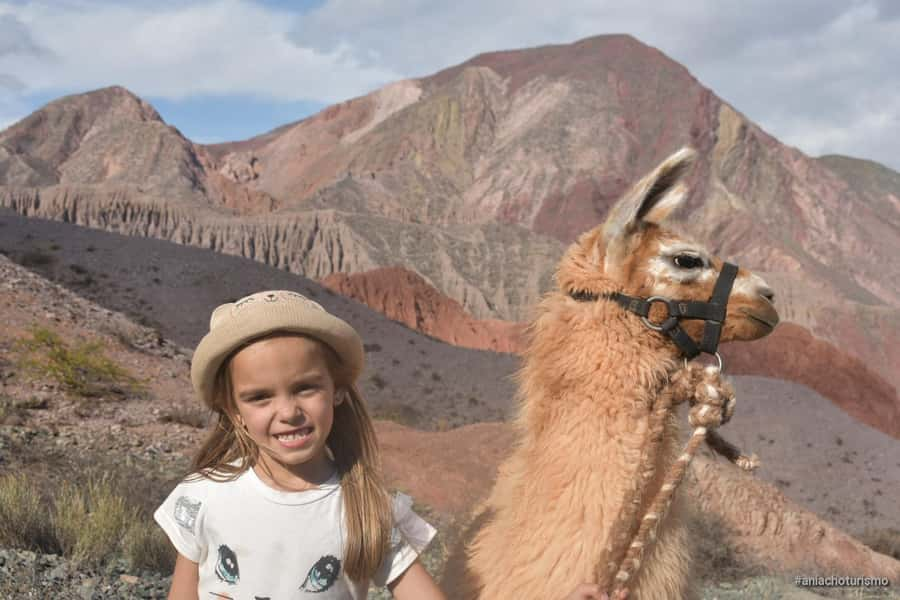
- Real llama contact (no riding): you hold and interact with the animals, but the animals never become a mount.
- Tiny group size: limited to 8 participants for a more personal feel and more attention from the guide.
- Andean cosmovision built in: Pachamama isn’t just a word; you get it explained alongside nature.
- Short circuits for different needs: the walk adapts to participants’ physical conditions and includes different routes.
- Good photo moments, naturally: you’ll pause for pictures and video while staying respectful with the llamas.
Purmamarca’s Cerro de Siete Colores effect, with a llama twist
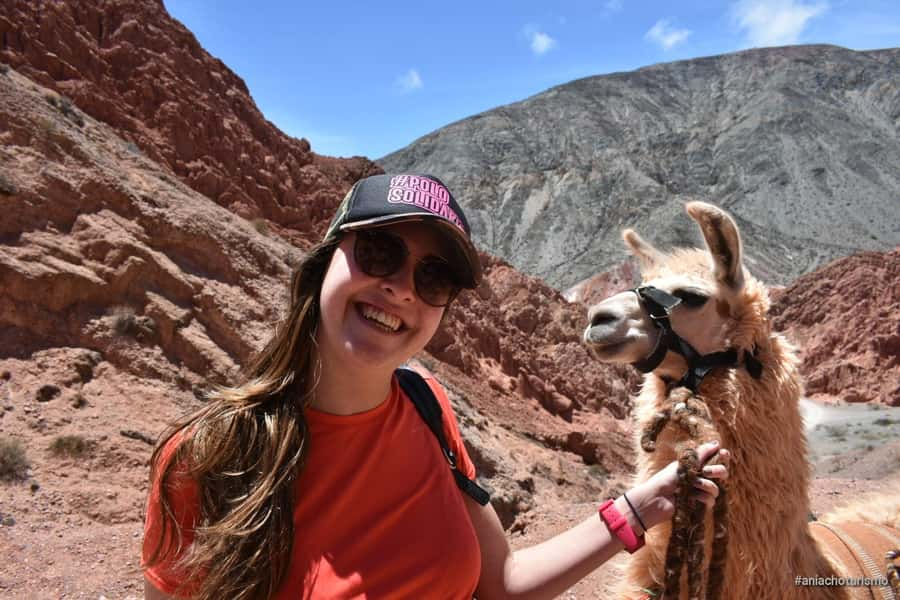
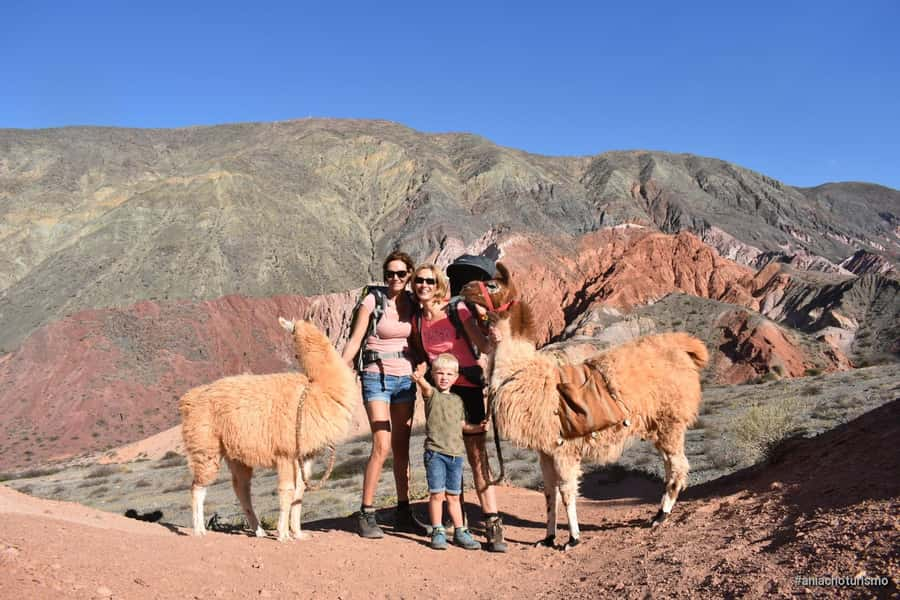
Purmamarca is often first pictured as color on a hillside—Cerro de Siete Colores is the headline people remember. This tour gives you more than the color. You also get the story behind how those colors exist in the first place, plus the way local life folds nature into daily thinking.
What makes this experience feel different is the balance. You’re not just hiking for views. You’re walking with llamas that set the pace emotionally. They encourage slow attention. And that matters in a place where the land is doing most of the talking.
And yes, the llamas are a big part of the fun. The contact is hands-on: caresses, embraces, and direct closeness—handled carefully and respectfully. That gives the hike a “quiet connection” vibe rather than a checklist vibe.
Where you meet: 200 meters from the main square, by the cemetery side
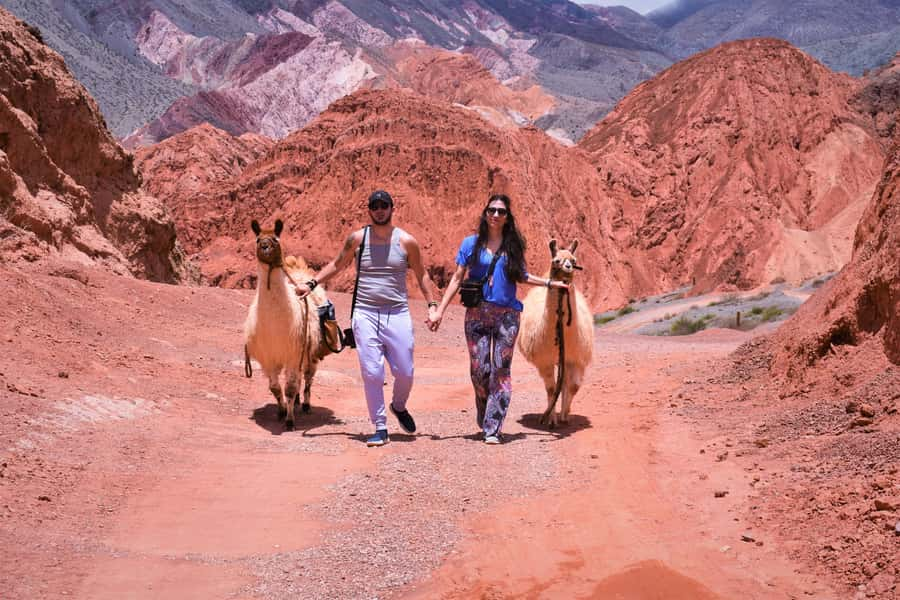
You’ll meet at Paseo de los Colorados, on the cemetery side. If you’re orienting yourself in town, it’s about 200 meters from the town square of Purmamarca.
The meeting point is more than a pin on a map. It’s where you check the essentials for the activity and start your first contact with the llamas. You’re not thrown into the walk cold. You get a short setup so you understand what comes next and how to behave around the animals.
At the end, you return to the same spot—around 200 meters from the main square—so you’re not dealing with a long transfer back into town.
First lesson: how to hold the llamas (and what the rules are)
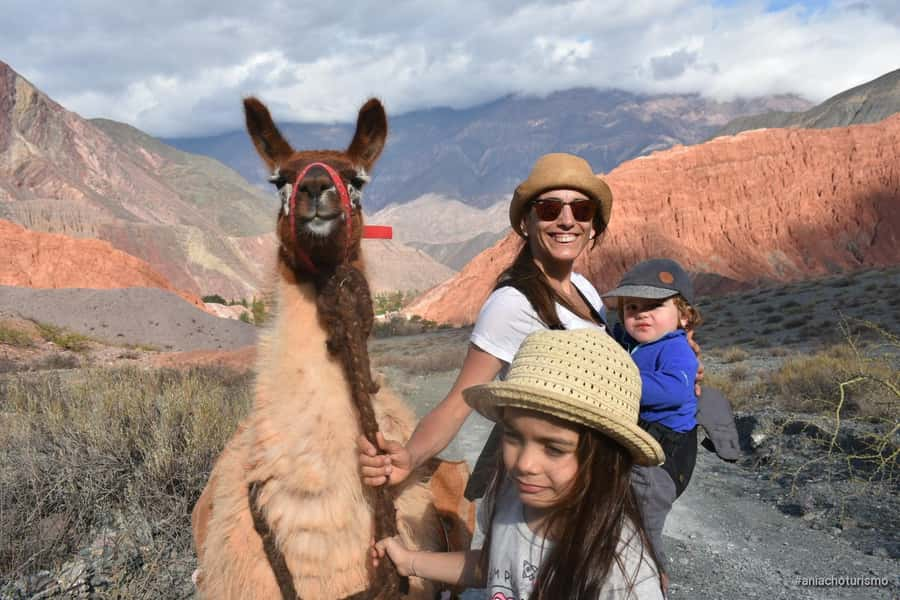
Before you start moving, the guide teaches you how to hold the llamas properly so the interaction stays calm for everyone. That part is practical and reassuring. You’ll know what you’re doing, instead of guessing.
A key detail: you do not ride the llamas. There’s also an explicit commitment that the animals are not hurt, and there’s no forcing or demands made on them. The tour description also notes the llamas do not attack participants, which helps you relax and focus on the interaction.
This is one of the biggest quality signals of the whole experience. Animal time can go wrong when it becomes performance. Here, it’s positioned as reciprocity—nature and humans meeting in a respectful way.
The walk itself: a friendly pace with photo stops built in
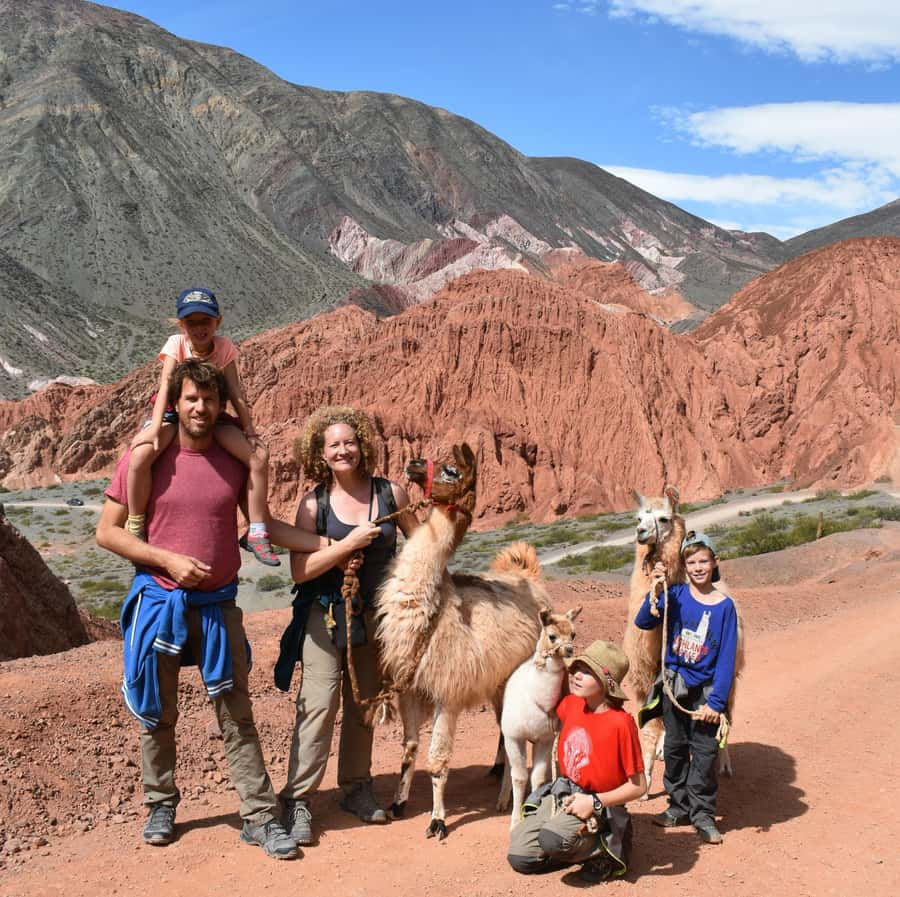
The walking portion is designed to match a range of physical conditions. The description makes it clear the walks are not demanding, and different circuits are offered depending on ages and needs.
That flexibility matters in real life. You can still enjoy the outing if you’re not looking to train for a summit. It’s also a good option for families with children of different ages, as long as they can handle an outdoor walk for about 1.5 to 2 hours.
During the tour, you take pictures and videos. This is not a strict “no stopping” hike. You’ll pause when the scenery and the llamas make it worth it, and you’ll get chances to frame that famous Purmamarca color from the path.
Practical note: you’ll want steady footwear. Sandals and flip-flops aren’t allowed, so plan on closed-toe shoes you can trust on uneven ground.
What the guide teaches you: geology, medicinal plants, and camelids
This is where the tour becomes more than cuddles with cute animals.
The guide explains:
- Geology of the landscape: how the colored mountains form, and what you’re seeing.
- Flora characteristics and medicinal use: plants and why they matter to Andean life.
- Biology of the camelids: how these animals live and how to understand their behavior.
- Syncretism between humans and nature: tied to what’s called Pachamama.
That last piece—Pachamama—isn’t treated like a museum concept. The tour frames it as reciprocity between us, the landscape, and the llamas. In plain terms, the guide connects human actions to the natural world, and the animals become part of that lesson, not a separate attraction.
If you’ve ever felt that tours in South America can be either “only walking” or “only talking,” this one tries to blend both. You move through the colored mountains while learning how to read what you’re walking through.
Pachamama in context: why this worldview changes how you look at a trail
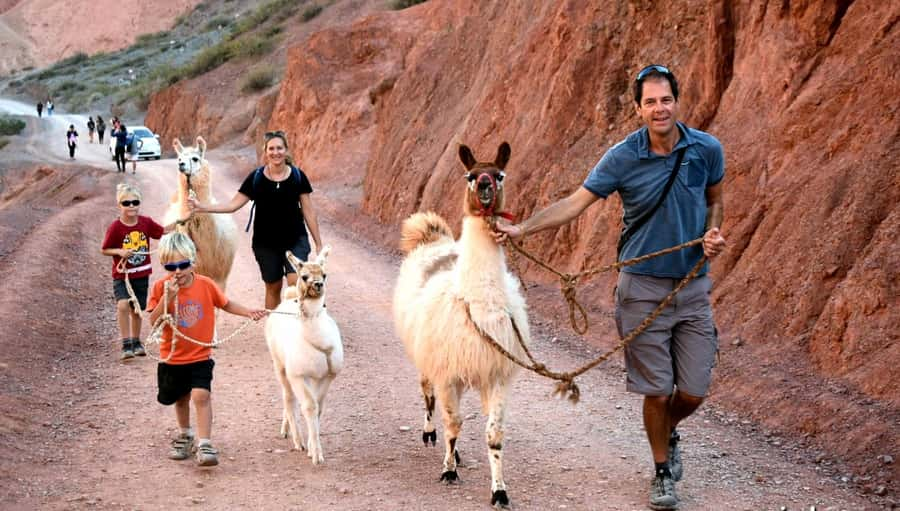
I find the best cultural tours do one simple thing: they change your attention.
Here, the attention shift is toward reciprocity. Instead of treating the land as scenery, you’re encouraged to treat it as a relationship—one that includes the animals in the daily rhythm of Andean life. That’s why the tour includes hands-on contact with llamas and why it discusses plants and camelid biology.
Even if you don’t share the worldview, it still gives you a better frame for the place. You’ll likely walk slower. You’ll notice plants you’d normally skip. And you might see why locals talk about these hills as living and active, not just pretty.
Meet the guides: why small groups feel personal
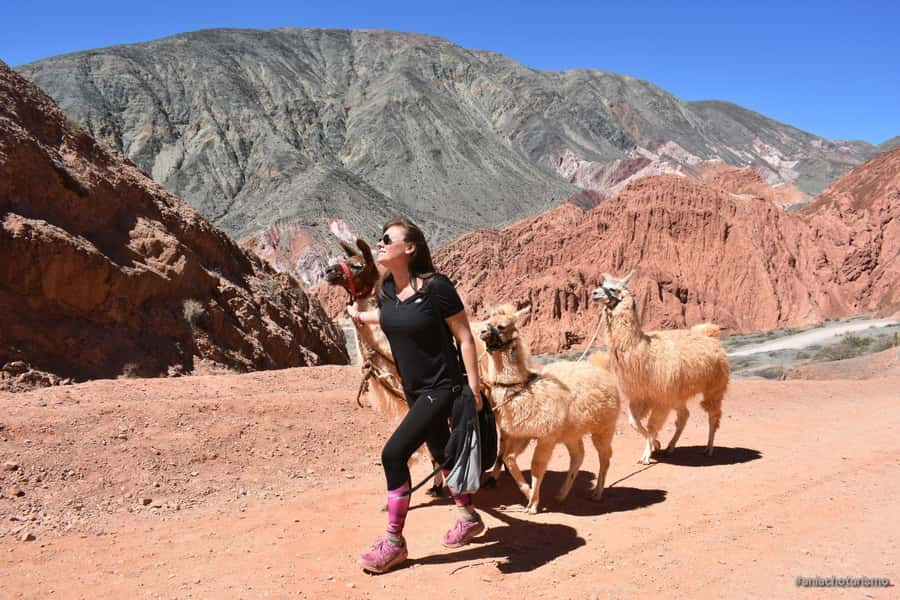
This experience runs as a small group—limited to 8 participants—with a live guide in English and Spanish.
In the reviews data you provided, guide attention comes up again and again. People mention guides like Fabrizio as attentive and good at answering questions, and Aniacho as caring about comfort during the activity. That makes sense with how this tour is set up: when you’re interacting with animals, you can’t ignore the group’s energy level, spacing, and comfort.
Smaller groups also mean fewer distractions while you’re learning. You’re not just herded to a viewpoint. You can ask questions, get instructions on handling, and keep the pace calm.
Practical tips so your llama time stays smooth
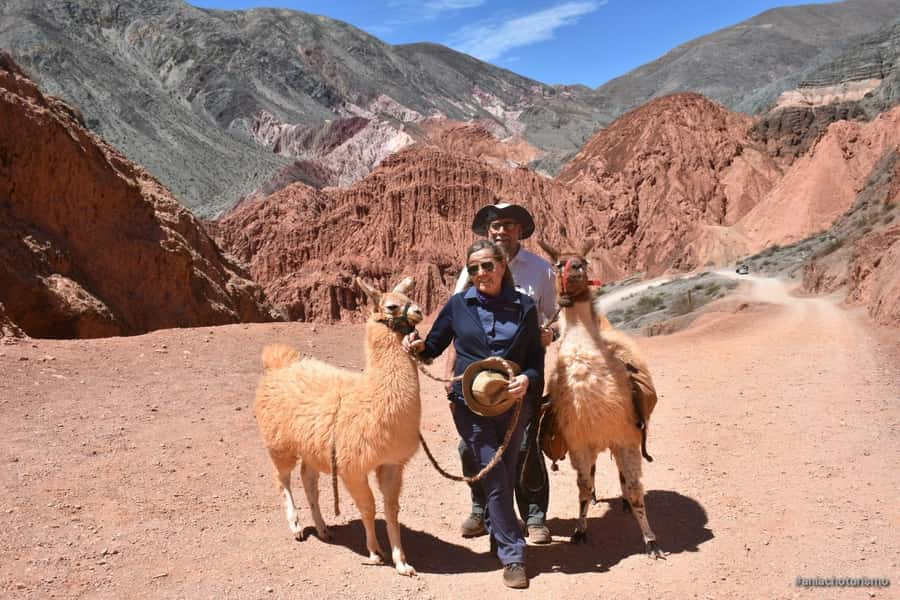
Here’s how to set yourself up for a good 2-hour outing without stress:
Bring:
- Sun hat
- Water
- Biodegradable sunscreen
- Daypack
Wear:
- Closed-toe shoes (sandals and flip-flops are not allowed)
Avoid bringing:
- Alcohol and drugs
- Baby carriages
If you’re traveling with a baby, the tour notes that babies under 1 year are not suitable. It also says that babies who participate must be carried in baby backpacks, not in a carriage. Wheelchairs are not possible for this experience.
One more reality check: the tour isn’t designed for everyone. It’s not suitable for people with mobility impairments, wheelchair users, visually impaired people, or those with recent surgeries. If any of those apply, it’s best to look for a different Purmamarca option.
The value question: why 2 hours can be a smart use of your day
You might think, 2 hours with animals sounds short. That’s exactly the point.
This is a high-attention activity. Your time isn’t wasted in long transfers or long speeches. You start with instruction on llama handling. Then you walk with guided pauses for photos and learning. You finish back near the town square.
That rhythm is practical, especially if you’re also visiting other Purmamarca stops like the main square, viewpoints, or the wider Quebrada de Humahuaca region. The short format also helps people with different energy levels enjoy it without getting stuck in a long trek.
What you’re paying for is not just “being near llamas.” You’re paying for:
- supervised, respectful animal interaction
- interpretation of the mountains (geology + plants)
- a culture framework (Pachamama)
- and a small group size that keeps the experience personal
Who this llama hiking experience is best for
You’ll likely love this tour if you:
- want a gentle nature walk instead of an intense hike
- care about animal welfare rules (no riding, no forcing)
- like learning while you move—geology, plants, and camelids
- appreciate a quieter, more intimate group size
It’s also a strong fit for families, since the tour emphasizes non-demanding routes and circuits based on needs. Just remember the restrictions for very young babies and mobility-related limitations.
Should you book this Purmamarca llama hike?
If you want Purmamarca in a way that’s more personal than just photo stops, I’d book it. The combination of hands-on llama contact, a small group, and real teaching about the mountains and Andean cosmovision is the winning mix.
But choose carefully if you have mobility limitations, visual impairments, recent surgery, or you’re bringing a baby under 1 year. Also take seriously the footwear rules and sun protection—this is outdoors time in a sun-heavy region.
If you’re planning one short activity that feels both authentic and well-managed, this is a good call.
FAQ
How long is the llama hiking experience in Purmamarca?
The service lasts between 1.5 hours and 2 hours.
Where exactly do we meet for the tour?
The meeting point is Paseo de los Colorados, on the cemetery side. It’s about 200 meters from the town square of Purmamarca.
Do you ride the llamas during the hike?
No. You do not ride the llamas at any time.
How demanding is the walk?
The walk is enjoyable according to participants’ physical conditions and is not described as demanding. The tour offers different circuits for different ages and needs.
What languages are the live guides?
The live tour guide offers English and Spanish.
How many people are in the group?
The group is limited to a small size, with up to 8 participants.
What should I bring with me?
Bring a sun hat, water, biodegradable sunscreen, and a daypack.
What is not allowed during the activity?
Sandals or flip-flops are not allowed. Alcohol and drugs are also not allowed. Baby carriages are not allowed either.
Can I get a full refund if I cancel?
Yes. Free cancellation is available up to 24 hours in advance for a full refund.