REVIEW · SIPI
Sipi Waterfall Hike and Swimming Experience
Book on Viator →Operated by Massif Montane Expedition, Mt Elgon · Bookable on Viator
Waterfalls here are worth the early start. I love the way this outing mixes three waterfall visits with a mid-hike natural pool swim, so it’s not just “look, walk, look.” I also like the pacing—there’s time for photos and for your guide to explain what you’re seeing, including plants and birds along the way. One real consideration: you’ll be on uneven trails, and the hike can feel slippery in wet conditions, so solid grip shoes matter.
You’ll meet at Massif Montane Expedition along the Mt Elgon road near Sipi and then drive about 20–30 minutes with a couple quick photo stops. Once you arrive, your guide (often mentioned as Ian or Juma) walks you through the route: a loop that includes areas inside and outside the national park, plus time to interact with the Sebei people as you move toward the falls.
At $20 per person for about 5 hours (roughly four hours on the walk plus drive and wrap-up), this is a good value day if you want Sipi Falls in a way that feels social and active, not just sightseeing. It’s best for travelers who enjoy hiking for a couple hours and want to cool off, snack, and keep going—rather than doing a quick roadside stop.
In This Review
- Quick hits before you go
- Getting to Sipi: the 20–30 minute drive that sets the day’s tempo
- The waterfall loop: three series, one connected walking day
- What makes this loop especially worth it
- A realistic drawback to plan for
- Mid-hike swim and snack: the best kind of break
- Sebei culture along the way: interaction that feels part of the trail
- Karamoja views, birds, and plants: the “slow down and notice” benefit
- Guides and pace: why the people running the hike matter
- Price and value: $20 for a full Sipi Falls day
- What to pack and how fit you need to be
- Should you book the Sipi waterfall hike and swim?
- FAQ
- How long is the Sipi Waterfall Hike and Swimming Experience?
- What time does the tour start?
- Where is the meeting point?
- Is pickup included, or do I need my own transportation?
- What is included in the $20 per person price?
- What will I do during the hike?
- Is the hike suitable for me if I’m not very athletic?
- What happens if weather is bad?
Quick hits before you go
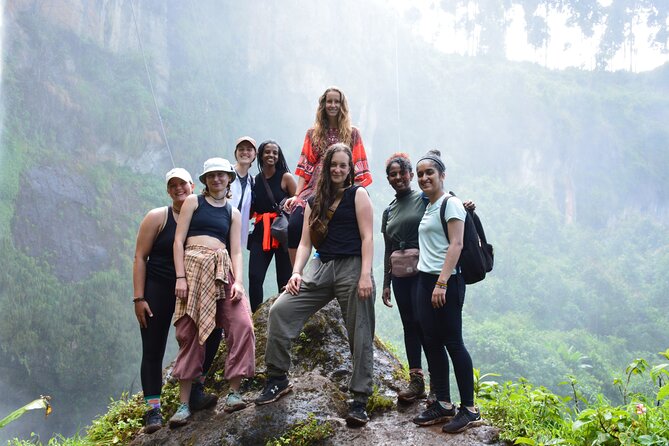
- A loop hike that crosses inside and outside the national park for variety in scenery and setting
- Three waterfall series on one trail day, with viewpoints you can actually take in
- Natural pool swim mid-hike plus snack time before you head to the next falls
- Sebei culture on the route, including face-to-face interaction as you walk
- Bird and plant spotting built into the guide-led pace
- Friendly, patient guiding mentioned by name, with time for photos
Getting to Sipi: the 20–30 minute drive that sets the day’s tempo
Most Sipi trips feel like they start the moment the car leaves town, and this one is the same. You start at Massif Montane Expedition along the Mbale–Kapchorwa Road in Sipi, Kapchorwa, Uganda, with a start time of 6:00 am. Then it’s about 20–30 minutes of driving, and you’ll stop along the way for photo moments before heading to the office area.
That early start matters more than you might think. In this part of eastern Uganda, morning light makes the falls look sharper and the surrounding valleys easier to read. It also gives you more daylight buffer if you hit any rain or cloud cover later on.
This isn’t a complicated logistics tour—there’s a mobile ticket, and pickup is offered. It’s also a private tour, meaning it’s just your group. That helps a lot on a hike, because you can set a comfortable pace without feeling rushed by a crowd.
The waterfall loop: three series, one connected walking day
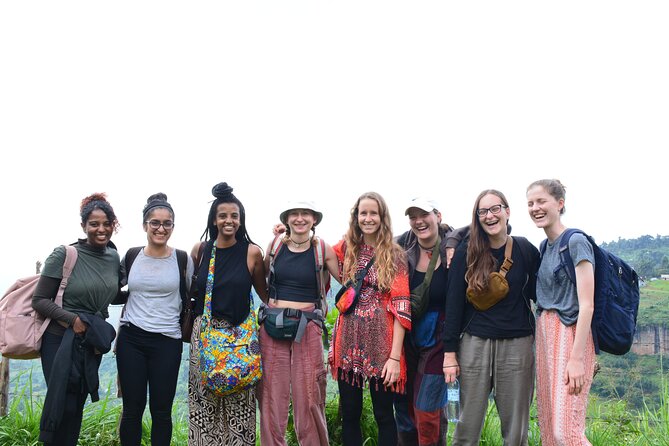
Here’s the heart of the day: a loop trail that takes you to three series of waterfalls. Instead of doing one waterfall and turning back, the route links viewpoints so the day feels like a progression. You start moving toward the first falls, then continue along the loop through changing terrain and vegetation until you reach the taller, popular final stops.
What I like about this structure is that it keeps your brain engaged. You’re not just repeating the same look three times. The guide’s job—explaining what you’re seeing, pointing out plants and birds, and keeping the group moving—helps each section feel distinct.
What makes this loop especially worth it
- Inside + outside the national park. That means your scenery and trail feel can change, and you get more than one “type” of Sipi experience in the same day.
- Off-the-beaten feel. The route is described as nature-forward and a bit away from the most obvious track, which is where you tend to notice more birds, more greenery, and more everyday life around the edges.
- A steady, practical rhythm. The walk is broken up so you’re not constantly “just walking.” You’ll have moments to stop for views, photos, and explanations, and there’s a scheduled refresh point mid-hike.
A realistic drawback to plan for
Even with a guide managing the route, you’re still hiking on paths that can get wet. If your shoes have worn-down tread or you hate getting your feet dirty, this is the part where you’ll feel it. Bring grippy footwear and expect to step carefully—especially when you’re close to waterfall areas.
Mid-hike swim and snack: the best kind of break
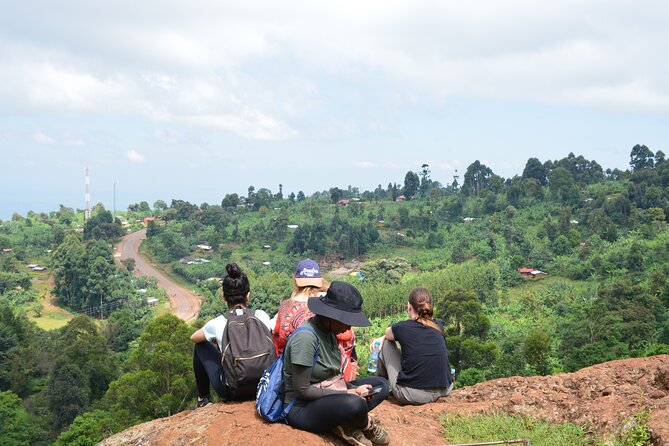
The standout “you’ll remember this” moment is the natural pool stop in the middle of the hike. This is not a wet-legs-and-regret splash; it’s described as a proper refresh break where you can swim and reset.
And you don’t just get water time. After the pool, you’ll snack before connecting to the next waterfall section. That matters because Sipi days can feel like a sequence of effort, views, effort, then views again. Eating mid-way keeps your energy up and makes the second half of the loop feel lighter.
If you’re traveling in a group, this swim stop is also a great social moment. It’s one of those pauses where people naturally talk, laugh, and compare photos—then you regroup and continue.
Practical tip: even when you plan to swim, wear quick-drying clothes or something you don’t mind getting damp. The hike involves movement, and you’ll keep walking after the water break.
Sebei culture along the way: interaction that feels part of the trail
One of the most valuable aspects is that this isn’t just about waterfalls. The hike route includes areas within and outside the national park, and that is tied to a cultural experience of the Sebei people.
As you walk to the falls, you’ll have opportunities to interact with local people as part of the experience. This is the kind of travel that’s harder to fake from a viewpoint. You’re seeing Sipi not as a photo backdrop, but as a lived-in place where people work, farm, and carry on daily routines in the hills around you.
A good guide makes this work. Guides such as Ian and Juma are specifically praised for friendliness and for explaining the region and community, with a pace that lets you take questions and photos without feeling like you’re on a timer.
When you go, treat it like you’re meeting people—not like you’re “collecting” moments. A respectful attitude goes a long way, and it also helps you understand what you’re seeing beyond the dramatic water.
Karamoja views, birds, and plants: the “slow down and notice” benefit
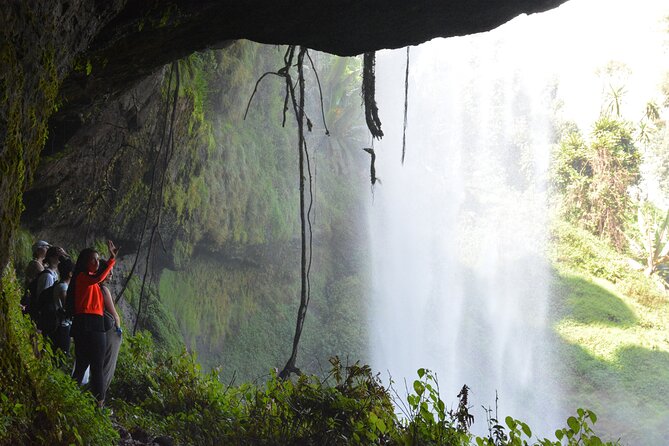
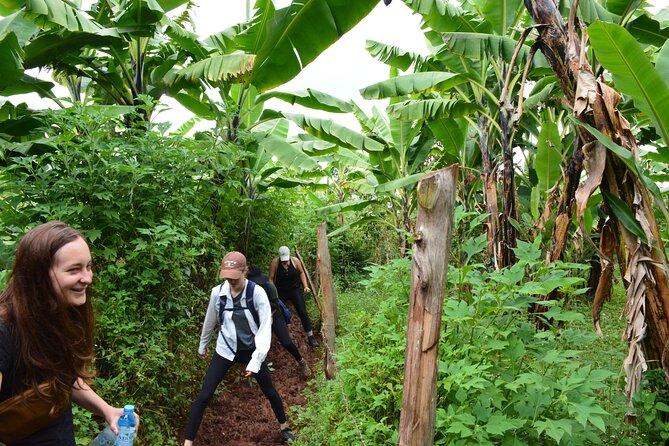
The falls are the headline, but you’ll get more if you lean into what your guide points out. The route includes green, lush vegetation and opportunities to spot birds and plant species while you walk.
This is where the hike style pays off. You’re not stuck in a single viewing spot for your entire visit. You’re moving through the hills, and that movement gives your eyes chances to adjust—so birds and plants actually become part of the day instead of an afterthought.
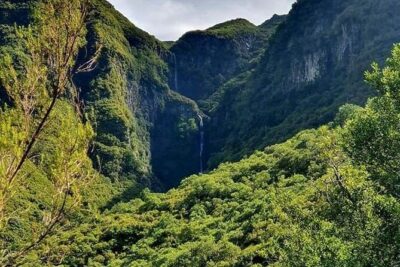
Also, you’ll get epic views of the Karamoja region. This is the kind of view that changes as you climb and descend, and it helps explain why Sipi is such a magnet for hikers and nature lovers in Uganda.
One practical note: if you’re the type who loves wildlife, consider bringing binoculars or a phone with a good zoom—but don’t stress it. Your guide’s spotting focus is built into the experience.
Guides and pace: why the people running the hike matter
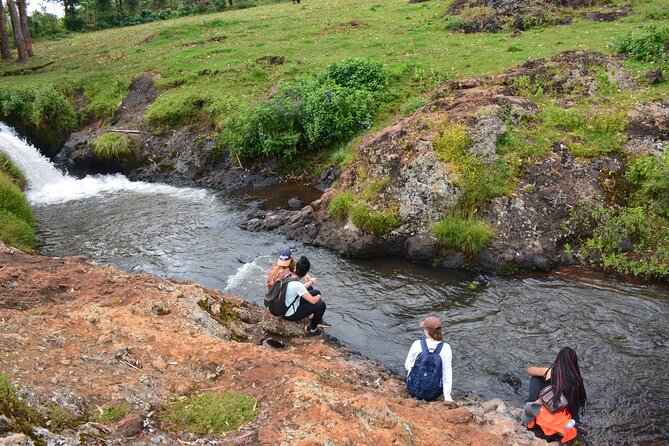
In a place like Sipi, the guide is the difference between a scenic walk and a meaningful one. The names that come up again and again include Ian and Juma—both described as friendly, helpful, and comfortable at a pace that leaves room for questions and photos.
I’d read that as a promise of practical travel value: you’re less likely to feel lost, and you’re more likely to understand what you’re seeing. That transforms the hike from scenery consumption into real context.
There’s also a fun extra sometimes. One visitor mentioned doing abseiling during the same kinds of Sipi days. That doesn’t mean it’s guaranteed for every booking, but it tells you that the operator ecosystem can include higher-adrenaline options if you want them.
Price and value: $20 for a full Sipi Falls day
Let’s talk money in a grounded way. The listed cost is $20 per person, and it includes all fees and taxes, plus an admission ticket. The tour description also says pickup offered and a private tour setup (your group only).
Not included: private transportation. So, if you’re not being picked up, you might still need to get yourself to the meeting point area.
So is $20 good value? For me, it’s strong if you want:
- three waterfall stops rather than one
- a swim stop (not just a viewpoint)
- a guide-led route with cultural interaction
- a day that feels active for roughly half a day
Where you might feel less thrilled is if you want a super short, low-effort visit. This is a hike. You’ll need moderate physical fitness and the willingness to step carefully.
What to pack and how fit you need to be
This experience lists moderate physical fitness as the requirement. You don’t need to be a mountain athlete, but you should expect steady walking on uneven ground, plus waterfall-area steps that can be slippery.
Pack for real trail conditions:
- Grippy shoes (this is the big one)
- a light rain layer just in case
- swim-ready clothing if you plan to use the natural pool
- a small towel or something that can dry quickly after swimming
- water and a bit of sun protection (the snack is helpful, but you may still want your own water)
If you’re traveling with kids or older adults, I’d treat moderate fitness as a serious hint—not a suggestion. If you’re unsure, ask your operator directly before you go.
Should you book the Sipi waterfall hike and swim?
Book it if you want Sipi Falls with motion, not just photos. This day hits the sweet spot of three waterfall series, a natural pool swim, and Sebei culture built into a loop hike. It’s also a great fit for travelers who appreciate a friendly guide pace—especially if you like learning as you walk, spotting birds and plants, and taking your time at viewpoints.
Skip it (or at least re-think expectations) if you hate hikes on uneven ground or you’re not comfortable with trails that can feel wet near waterfalls.
If you do book, go early, wear good shoes, and treat the cultural interactions with respect. The reward is a Sipi day that feels like it belongs to Uganda—not just a checklist stop.
FAQ
How long is the Sipi Waterfall Hike and Swimming Experience?
The experience is listed as about 5 hours approximately.
What time does the tour start?
The start time is 6:00 am.
Where is the meeting point?
You meet at Massif Montane Expedition, along the Mt Elgon Along Mbale-Kapchorwa road in Sipi, Kapchorwa, Uganda.
Is pickup included, or do I need my own transportation?
Pickup is offered, but private transportation is not included.
What is included in the $20 per person price?
All fees and taxes are included, and an admission ticket is included. You also receive a mobile ticket.
What will I do during the hike?
You’ll hike to see the three series of waterfalls, enjoy views of the Karamoja region, spot birds and plant species, interact with the Sebei people, take a refresh break in a natural pool (swimming), and have a snack before continuing to the next waterfall area.
Is the hike suitable for me if I’m not very athletic?
It’s described as requiring moderate physical fitness level.
What happens if weather is bad?
The experience requires good weather. If it’s canceled due to poor weather, you’ll be offered a different date or a full refund.