REVIEW · CHILE
Stargazing Hiking Valle de Elqui
Book on Viator →Operated by Collasuyo Astronómico SPA · Bookable on Viator
Stargazing feels different in the Elqui Valley. This 4.5-hour night hike pairs a mountain sunset, guided astronomy, and a culture-led way to look at the sky, with a guide (Loreto) who clearly cares about doing it right.
Two things I’d put near the top: the sunset viewpoint plan sets the mood fast, and the constellation observing uses proper gear—Celestron 20×80 binoculars on a tripod—so you’re not guessing at what you’re seeing. You also get a meditation and sound-therapy segment with bowls, plus a short indigenous worldview angle that ties people and astronomy together, not just stars and facts.
One possible drawback: this runs on a specific evening schedule and depends on good weather. If clouds roll in, you may need to switch dates or your money may be refunded.
In This Review
- Quick Key Points Before You Go
- A Night Plan That Feels Thoughtful, Not Just Scenic
- Meeting Points and Timing: The Evening Window Matters
- From Casa Pumagui: Safety First, Then the Sky
- The Sunset Viewpoint: Train Your Eyes Before Astronomy
- Meditation and Sound Therapy With Bowls
- Indigenous Worldview: Astronomy as a Human Story
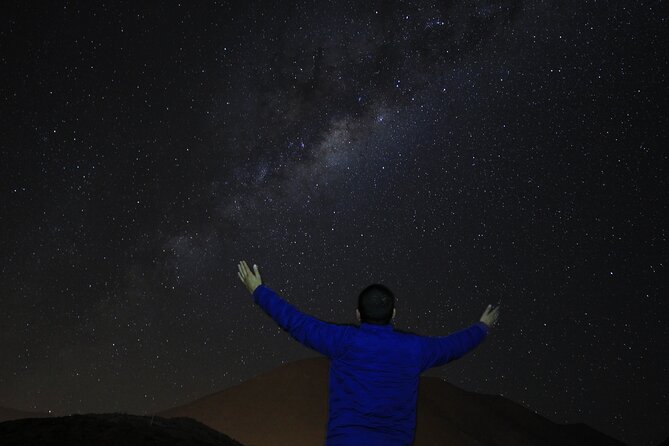
- Guided Constellations Through the 20×80 Binoculars
- Astrophotography: Leave With More Than Memories
- Weather and Comfort: What Can Affect Your Night
- Value for $100: What You’re Paying For
- Who This Tour Fits Best (And Who Might Not)
- Should You Book Stargazing Hiking in Valle de Elqui?
Quick Key Points Before You Go
- Casa Pumagui safety start: you begin with practical recommendations so you know what to expect on the trail and at night.
- Sunset viewpoint first: you warm up with mountainside colors before you switch gears to constellations.
- Sound therapy with bowls: you get a calm, guided moment designed to help you connect with the surroundings.
- Andean constellations, guided directly: you don’t just look—you get pointed, explained, and guided.
- Astrophotography included: you’ll leave with a star-memory, not only photos you took by luck.
- Private group with transport from Vicuña: you’re taken from Vicuña to the activity area and back to your meeting point.
A Night Plan That Feels Thoughtful, Not Just Scenic
The Elqui Valley is famous for night skies, but this experience adds structure and meaning to that idea. I like that the evening doesn’t jump straight to stargazing. You build up to it: first safety and orientation, then a sunset viewpoint to train your eyes and your expectations, and only then do you settle into the slower, darker part of the night.
The tour is designed for ages 14 and up, and it expects you to walk at least a bit on uneven ground in the dark. You’ll want to treat the night like a small expedition: good shoes, a steady pace, and the willingness to pause and look up. If you’re chasing only a photo-op, you might find the cultural and meditation portion takes time. If you’re the type who likes why things matter as much as what you can see, this will land well.
Meeting Points and Timing: The Evening Window Matters
This is a private tour/activity, and it starts and ends back at your meeting point. Your pickup is tied to the listed start locations: Navarino, Peralillo, Vicuña, or Coquimbo (all in Chile). You’ll return the same way at the end.
The scheduled evening hours shift by month:
- January: 8:00 PM to 9:00 PM
- February: 7:30 PM to 9:00 PM
- March: Monday to Saturday 7:00 PM to 9:00 PM
The full experience runs about 4 hours 30 minutes. Plan on that being a real evening commitment, not a quick stop. Also note the rule: arrive 15 minutes before departure. If you’re late by more than 10 minutes, you can be excluded from the experience. At night, that matters for everyone’s timing.
One more practical note: the transport described is from Vicuña to Villaseca for the activity area. Transfers from other places aren’t included, so if you’re staying outside the mentioned pickup options, you’ll want to confirm your connection ahead of time.
From Casa Pumagui: Safety First, Then the Sky
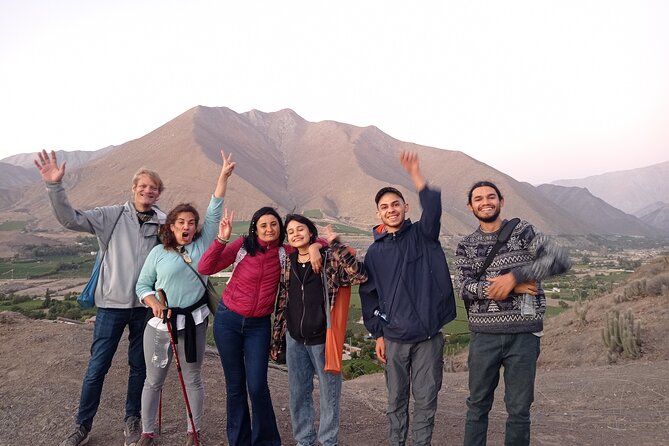
You start at Casa Pumagui, where the guide begins with safety recommendations. That first step is underrated. Night hiking can be physically fine but still risky if you don’t know how the route works, how the terrain changes in the dark, and what to do with your eyes when you’re switching between warm lights and night sky.
You’ll also have gear to make walking easier:
- trekking poles
- a portable chair for the stargazing pauses
- snacks and coffee and/or herbal tea
I like that the tour takes comfort seriously. A chair means you’re less likely to get sore or impatient when you’re waiting for your eyes to adjust. And poles help if the trail is rocky or uneven, which is common in mountain areas.
The Sunset Viewpoint: Train Your Eyes Before Astronomy
Before you go full “stars,” you head toward a majestic viewpoint to watch the sunset over the mountains. This matters more than it might sound. After sunset, the sky goes from bright and forgiving to dark and precise. Watching that color shift in person helps you adapt faster once you’re looking for faint constellations.
Expect the sunset phase to be your emotional gear shift: you go from thinking about warmth and colors to focusing on night detail. It’s also a great time to set expectations, because you’ll learn what you’ll be looking for once it’s fully dark.
This segment is also where the tour’s tone shows. It’s not only about scenery; it sets up the idea that the sky is part of the landscape and part of local understanding.
Meditation and Sound Therapy With Bowls
After the sunset viewpoint, the experience slows down for a meditation and sound therapy session using bowls. This isn’t just “relax for a minute.” It’s part of how the guide helps you connect to your surroundings, which then makes the stargazing feel less like a performance and more like a shared quiet activity.
If you’re someone who usually skips meditative moments on tours, consider trying it anyway. Even if you don’t follow the ritual exactly, sound therapy can make you more aware of stillness and breathing—useful when you’re standing outside for a while waiting for stars to pop.
And if you do enjoy this style, you’ll likely appreciate that the tour doesn’t treat meditation as random fluff. It’s placed before the cultural worldview piece and the astronomy guidance, so it becomes the doorway into the rest of the night.
Indigenous Worldview: Astronomy as a Human Story
One of the most praised aspects of this experience is its respect for cultural content. The guide, Loreto, is highlighted for her passionate approach and for creating an experience with strong care and respect. That shows in how the evening links astronomy to an indigenous worldview.
The tour includes an introduction to the indigenous worldview and the idea of ancestral links between cultures and astronomy. Instead of presenting constellations as just scientific objects, you’re guided toward how people have understood the sky as part of life, memory, and knowledge passed through generations.
You don’t need to be an astronomy expert to get value from this. In fact, this portion can be the most rewarding if you like meaning behind what you’re seeing. It turns a night out into something closer to a lesson—one where you actually get to look up and connect the concepts.
Guided Constellations Through the 20×80 Binoculars
Then it’s time for the main event: you learn the Andean constellations as you observe through astronomical binoculars (Celestron 20×80) on a tripod.
Here’s why this upgrade matters. Handheld binoculars are fine for casual viewing, but they’re hard for long focus on small points of light. A tripod keeps the view stable, so the constellations look sharper and it’s easier to follow along as the guide points out features.
I also like that the guide helps “your gaze,” meaning you’re not stuck guessing what’s what. The night sky is big. Most people need direction to avoid the letdown of thinking they see nothing. With guided pointing and stable optics, you’re much more likely to walk away feeling like you really learned something.
This is also where your earlier sunset transition pays off. By the time you start viewing, your eyes are more likely to be adjusted and you can actually enjoy the details.
Astrophotography: Leave With More Than Memories
The tour includes astronomical photography, plus snacks and drinks during the wait. That means you’re not only relying on your own phone or camera hoping to catch stars. You’ll get help turning the moment into a usable memory.
Even if you plan to shoot your own photos, astrophotography support can still be valuable because it helps you understand timing and setup basics. In a sky-watching experience, that can be the difference between a few blurry shots and something you’re proud of.
Also, don’t underestimate how much darkness and cold can affect your hands. Having a plan for photography within the experience keeps you from spending half the night running around with gear.
Weather and Comfort: What Can Affect Your Night
This experience requires good weather. If it’s canceled due to poor weather, you’ll be offered a different date or a full refund. Since you’re dealing with stargazing, this is the reality check: clouds and haze can erase the whole point.
Dress for nighttime outside. The tour includes herbal tea and/or coffee, but drinks won’t replace layers if temperatures drop. Bring a warm layer you don’t mind using for a while. And stick to hiking shoes—that footwear requirement is clear for a reason.
Physical fitness matters too. You only need moderate fitness, but you should feel comfortable walking on trails. If you expect flat ground and minimal movement, you might be surprised by the night terrain.
Value for $100: What You’re Paying For
At $100 per person for roughly 4.5 hours, the value depends on what you’d otherwise have to arrange yourself. Here’s the practical breakdown:
- Binoculars plus tripod + included astronomy photography support: you’re not just paying for a guide’s speech; you’re getting specific observing tools.
- Gear included: trekking poles and a portable chair reduce what you must bring.
- Food and hot drinks included: snacks plus coffee and/or herbal tea help you stay comfortable while waiting.
- Transport included from Vicuña to Villaseca: that removes the need to figure out night logistics on your own.
- Private group setup: you’re not competing for attention in a crowd, and you can move at the group’s pace.
What’s not included is air-conditioned vehicle and transfers from locations not listed in the pickup details. That doesn’t automatically make it bad value, but it does mean you should plan your start point carefully so you get the included ride.
If you want the Elqui Valley sky experience with real observing equipment, a calm guided flow, and cultural context, this price can feel fair fast.
Who This Tour Fits Best (And Who Might Not)
This one fits best if you:
- want astronomy with guidance, not just self-guided staring
- care about the cultural storytelling around the sky
- enjoy a paced evening that includes meditation and sound therapy
- are comfortable hiking moderately at night with proper footwear
It may be less ideal if you:
- dislike meditation or cultural content and only want a quick stargazing session
- want an easy, short walk with minimal standing
- are traveling with small kids (the tour isn’t suitable for children under 14)
- can’t be punctual, since arriving late can mean exclusion
Should You Book Stargazing Hiking in Valle de Elqui?
I’d book it if you’re after a night that mixes sunset, guided constellations, and real observing tools—with a guide who’s serious about the cultural side, not only the tech.
Skip it only if weather risk would ruin your plans or if you’re the type who needs a purely casual, no-structure viewing session. Otherwise, this is a solid choice for anyone who wants the Elqui Valley sky with a plan, a bit of calm, and a guided eye pointing you toward what’s worth seeing.
If you do book, my one practical tip is simple: show up early enough to settle in. In the dark, being 10 minutes late is not a small thing.