REVIEW · CUXHAVEN
Sylt: Guided Mudflat Hike on the Island
Book on GetYourGuide →Operated by Watt & Meer · Bookable on GetYourGuide
Sylt’s mud is magic under your feet. On this guided hike, I love the way Jan Krüger turns the Wadden Sea into a story with humor, and I also like the hands-on twist of walking barefoot in milder seasons or in rubber boots when it’s cooler. The only catch is weather: if you dress wrong, the mud and rain can make the hike less fun.
This is a low-cost way to experience the heart of the Schleswig-Holstein Wadden Sea National Park, a huge protected area and a UNESCO World Heritage Site (since 2009). Over 1.5 to 2 hours, you’ll get real context for what lives here—mussels, shore crabs, brown shrimp—and why the tide rules everything.
You’ll start at the Vogelkoje bus stop between Kampen and List, so you can get there without a car. One more note: the tour is in German and it isn’t suitable for wheelchair users, so plan around that.
In This Review
- Key things I’d mark on your map
- Sylt’s Mudflats: The Walk That Makes the Tide Feel Personal
- Where You Start: Vogelkoje Bus Stop Between Kampen and List
- Barefoot in Warm Months, Rubber Boots in Cooler Seasons
- Walking with Jan Krüger: Humor, Stories, and Tide Rules You Can Use
- What You’ll Spot: Mussels, Crabs, Brown Shrimp, and Bird Seasons
- The 1.5–2 Hour Rhythm: How the Tour Fits a Day on Sylt
- Price and Value: Around $19 for an Eco-Guide Experience
- Who Should Book This Mudflat Hike—and Who Might Skip It
- Should You Book This Sylt Mudflat Hike?
- FAQ
- How long is the guided mudflat hike on Sylt?
- Where is the meeting point?
- What language is the tour guide speaking?
- Are rubber boots included in the price?
- Do you walk barefoot or in boots?
- Is the mudflat hike wheelchair accessible?
Key things I’d mark on your map
- Jan Krüger’s island perspective: Westerland-born, Wadden Sea guide, and big on humor
- Barefoot or boots depending on temperature, so you feel the mud differently through the seasons
- The Wadden Sea National Park’s UNESCO status and why it matters for how you should treat the environment
- Wildlife you can often connect to what you’re walking on: mussels, shore crabs, brown shrimp
- Migratory birds in spring and autumn, plus the chance to see seals (and maybe more)
- A tight 1.5–2 hour format that fits into a day on Sylt without dragging
Sylt’s Mudflats: The Walk That Makes the Tide Feel Personal
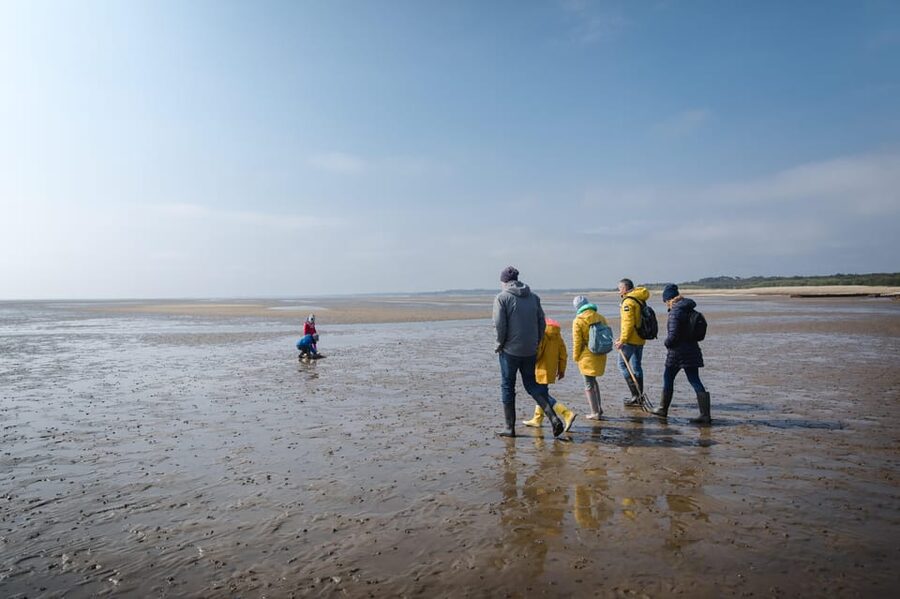
A mudflat hike sounds simple until you’re standing in it and realize the ground is actually moving beneath your feet—sometimes slowly, sometimes fast enough to change your plans. That’s why this kind of guided walk is worth your time. On Sylt, you’re not just touring scenery. You’re learning the logic of the Wadden Sea: tides shape everything, and the animals and plants have adapted to that rhythm.
I like the way this tour frames the Wadden Sea as a living system rather than a postcard scene. You’ll get the big-picture context for why it’s protected: the Schleswig-Holstein Wadden Sea National Park covers almost 4,500 km² and is Germany’s largest national park. It was also declared a UNESCO World Heritage Site in 2009, which isn’t just a label—it reflects how important these ecosystems are.
At the same time, the experience stays human-scale. You’re walking with other people for about 1.5 to 2 hours, and your guide keeps the group engaged with practical explanations and stories. That matters because the Wadden Sea can feel intimidating if you don’t know what you’re looking at.
Where You Start: Vogelkoje Bus Stop Between Kampen and List
Your meeting point is the Vogelkoje bus stop between the villages of Kampen and List. That’s a useful detail because it tells you this hike is built for public transport. You don’t need to stitch together private transfers to make it happen.
Practically, plan your day with a little buffer. You’ll want to arrive early enough to find the stop, check the weather, and be ready when the guide begins. Since the tour language is German, having your phone set up for quick translation can help if you need last-minute clarification.
If you’re staying far from Kampen or List, give yourself time to catch the right bus. The hike itself is only about two hours, so you’ll feel any transport delays more than you would on a longer tour.
Barefoot in Warm Months, Rubber Boots in Cooler Seasons
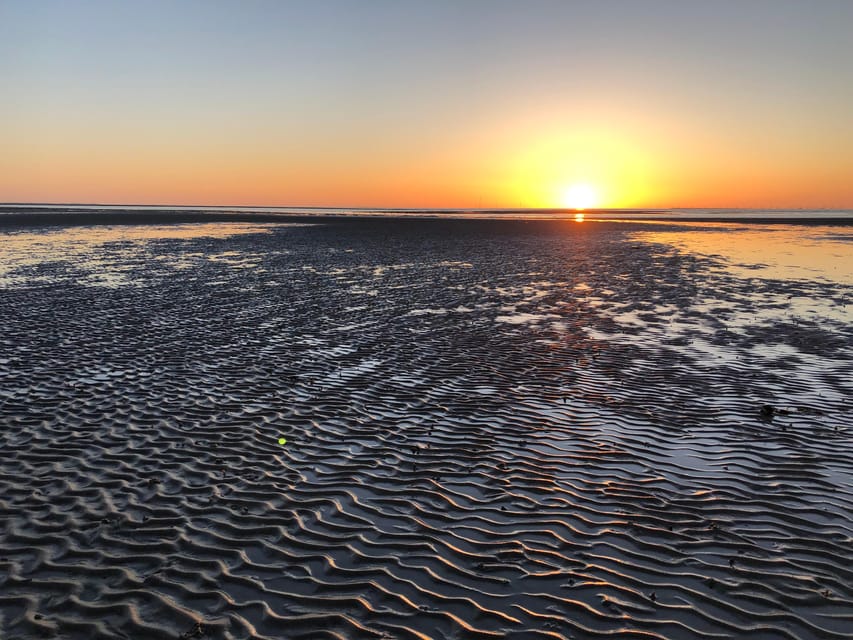
One of the most interesting parts of this outing is that your feet become part of the lesson. The guide uses the season to decide how you’ll walk:
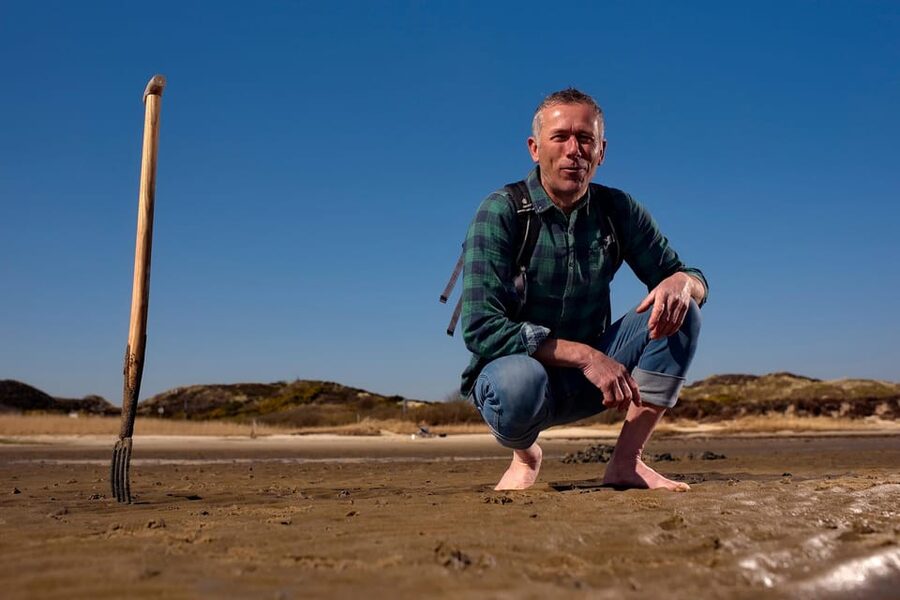
- When temperatures permit, you’ll go barefoot
- In spring, autumn, and winter, you’ll go into the mudflats with rubber boots
That choice changes the vibe of the hike. Barefoot is more sensory—you feel the mud and the texture underfoot in a direct way. Rubber boots, on the other hand, help you stay comfortable in colder or wetter conditions, which can make it easier to focus on the guide’s explanations.
Two practical notes:
- Rubber boots are not included, so bring your own if you’ll be walking in boots.
- Food and beverage aren’t included, so if you’re doing this in a long day, plan a snack or drink before or after.
Also pack weather-appropriate clothing. The Wadden Sea can be windy, and the mud isn’t the same as dry ground. You’ll enjoy the experience more if you dress for both weather and wet feet.
Walking with Jan Krüger: Humor, Stories, and Tide Rules You Can Use
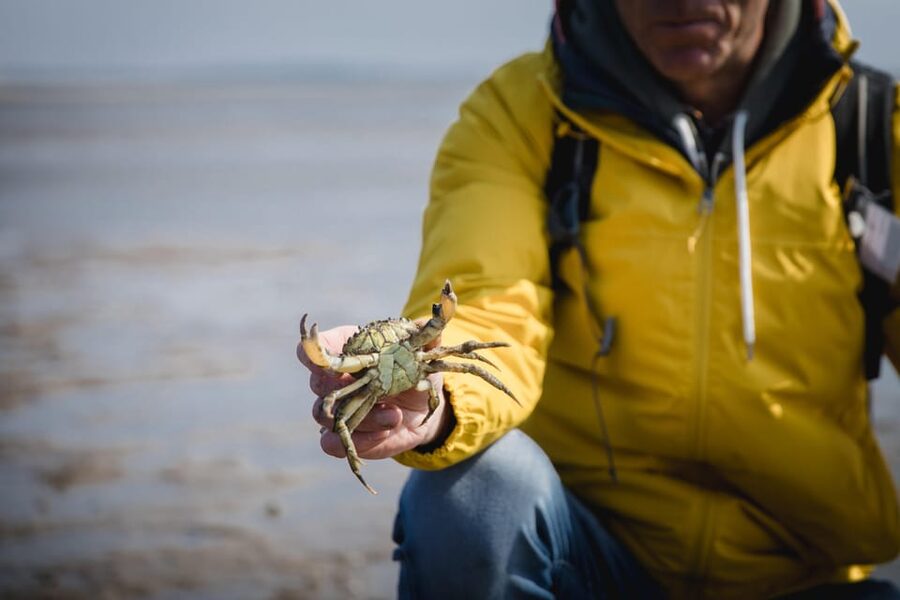
Jan Krüger is a Westerland-born outdoorsman and a national park mudflat guide. In other words, he’s not just telling facts—he’s interpreting what’s happening out there, in a way you can understand on the spot.
The standout thing I’d expect from his guidance is tone. The guide keeps the group entertained and answers questions as you walk. That sounds like a soft benefit, but it actually affects the whole tour. When people aren’t just tolerating the hike, they pay closer attention. You notice small things. You remember the key points because they’re wrapped into stories instead of delivered like a lecture.
What you’ll learn isn’t only about animals. You’ll also get the core idea that unpredictable tides are part of why this ecosystem works—and why the guide matters. Even if you’re a confident walker, mudflats are not the kind of place to “wing it.” The tour is structured so you experience the mudflat environment with the right timing and explanations.
Expect a discovery-style walk: short pauses to look, interpret, and connect what you’re seeing to how the Wadden Sea functions. You’re out there long enough to feel you’ve crossed a threshold, but short enough that you’ll still feel fresh at the end.
What You’ll Spot: Mussels, Crabs, Brown Shrimp, and Bird Seasons
The Wadden Sea National Park is packed with life, and the tour gives you a framework for understanding it. Here are the main animals you can connect to what you’ll encounter and what your guide will likely point out:
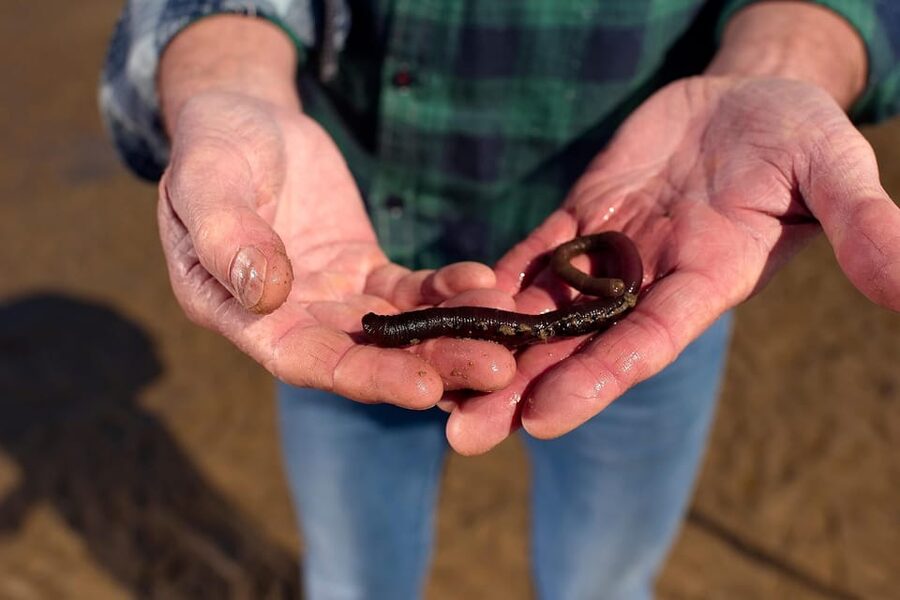
- Mussels: These are part of the Wadden Sea’s foundation, and they’re tied to the food web that supports other species.
- Shore crabs: You’ll learn why they matter and how the tide cycle affects what you can see.
- Brown shrimp: Another key species in the system, important to local life.
Then there’s the bird story. In spring and autumn, millions of migratory birds stop here on their journey north or south. That’s one of the reasons the timing of a visit matters. If your dates line up with migration season, you’ll likely feel like the whole mudflat is holding its breath.
Seals add another layer. Seals and gray seals live on the sandy beaches, and with a bit of luck you might even catch a glimpse of a porpoise. This doesn’t mean you’ll see everything—nature has its own schedule—but it does mean the region has enough wildlife density that the guide can point you toward what to watch for.
The 1.5–2 Hour Rhythm: How the Tour Fits a Day on Sylt
This isn’t a half-day marathon. The mudflat hike runs about 1.5 to 2 hours, which makes it a smart choice if you want a memorable Sylt experience without giving up your whole day.
That short duration changes how you should think about what to do afterward. You won’t come out exhausted—you’ll come out curious. You’ll want to walk around Sylt with new context, maybe looking at shore areas differently or paying attention to what the tide might be doing in the background.
It’s also long enough for the guide to set the scene and explain multiple parts of the ecosystem. You’ll likely start with a brief orientation about what to expect, then move into the walking phase where the tide, the mud, and the wildlife connections become the main theme.
One small practical tip: if the forecast is unsettled, don’t cancel automatically. The tour is designed for normal weather swings, but dress for it. The guide’s job includes keeping things moving and the group engaged even when conditions aren’t perfect.
Price and Value: Around $19 for an Eco-Guide Experience

At about $19 per person, this tour is priced in a way that feels realistic for most budgets, especially for an experience that’s built around a protected national park environment. You’re not paying for a long ride or a big indoor facility. You’re paying for a local guide and guided time in a place where the tide and ecosystem really matter.
Here’s what makes the value stand out:
- You get a guide who knows Sylt from the inside, not just as a destination
- The experience is time-efficient (1.5–2 hours)
- The guide helps you connect what you see—mussels, crabs, shrimp, seasonal birds—to how the Wadden Sea functions
- The tour format reduces the guesswork of tide timing and what to look for
What you need to factor in: rubber boots are not included, and food and beverages aren’t included. If you don’t already have boots, the total cost could rise a bit depending on what you bring. Still, the core guided portion is a strong deal given the setting and expertise.
If you like keeping plans flexible, this tour offers reserve now and pay later and has free cancellation up to 24 hours in advance for a full refund—handy when weather on the coast can be unpredictable.
Who Should Book This Mudflat Hike—and Who Might Skip It
This hike is a great match if you like nature but also like learning something you can actually use. If you enjoy wildlife, seasonal patterns, and learning why ecosystems work, you’ll likely get a lot out of the time with Jan Krüger.
You’ll also enjoy it if you like tactile experiences. Choosing barefoot in the right temperatures, or wearing rubber boots when it’s cooler, makes the walk feel different from a typical viewpoint stop.
It’s not suitable for wheelchair users. That’s an important limitation, so if mobility access is part of your planning, look for another Sylt nature experience that fits better.
Language is German, so if you don’t speak German comfortably, decide based on how well you manage in-language tours. For some visitors, the experience is still manageable with your own interest and quick translation help.
Should You Book This Sylt Mudflat Hike?
If you want a Sylt highlight that’s active, hands-on, and grounded in a real ecosystem, I’d book it. The price is reasonable, the time is manageable, and the guide’s style—humor and clear answers—makes the Wadden Sea come alive instead of feeling like a checklist.
I’d especially choose it if:
- You’re visiting in spring, autumn, or winter and you want someone to guide you through the boots-and-cold reality
- You’re visiting in warmer weather when barefoot is possible and you want a more sensory experience
- You want context for what you’ll see, not just time outdoors
I’d think twice only if you hate getting wet, don’t have weather-appropriate clothing, or you need wheelchair access. For everyone else, this is one of those experiences where the “walk” is really the lesson.
FAQ
How long is the guided mudflat hike on Sylt?
The hike lasts about 1.5 to 2 hours, with a listed duration of 2 hours.
Where is the meeting point?
The meeting point is the Vogelkoje bus stop between the villages of Kampen and List.
What language is the tour guide speaking?
The live tour guide speaks German.
Are rubber boots included in the price?
No. Rubber boots are not included.
Do you walk barefoot or in boots?
It depends on the temperatures. When conditions permit, the hike goes barefoot. In spring, autumn, and winter, you go into the mudflats with rubber boots.
Is the mudflat hike wheelchair accessible?
No, the tour is not suitable for wheelchair users.