REVIEW · CORK
Toe Head Clifftop Hike in West Cork
Book on Viator →Operated by Gormú · Bookable on Viator
Toe Head Clifftop Hike turns coast views into real stories. You’ll get small-group company (max 10) and a Wild Atlantic Way walk that mixes big views with history on lesser-used paths. One thing to keep in mind: this hike depends on good weather, so you’ll want to dress for wind and check conditions.
I like how the pace is set for fun, not fitness. Expect about 2 hours 45 minutes of easy walking over roughly 7km, with lots of short stops for photos and tales from your guide, often highlighted as Conor in past groups. You’ll meet at the Toe Head Coast Guard Station area in Bawnishall at 9:00 am, then finish back near where you started after wrapping up on Tráigh Liceach.
In This Review
- Key highlights at a glance
- Toe Head clifftops: why this hike feels special in West Cork
- Price and value: what $60.07 really covers
- Getting ready: what to expect from the 7km easy pace
- Meeting at Toe Head Coast Guard Station and the warm-up flow
- Stop on Tráigh Liceach: battlefield history with a beach finish
- The Iron Age promontory fort: where the coast becomes a time machine
- Deserted famine village: when scenery comes with scars
- Móin Rua heathland and wild orchids: a named place that rewards patience
- Cnoc na nGabhar and the Wild Atlantic Way detours
- What you carry: pack light, but plan for the coast
- Who should book the Toe Head clifftop hike
- Should you book this Toe Head clifftop hike?
- FAQ
- How long is the Toe Head Clifftop Hike?
- About how far do we walk?
- What group size is this hike capped at?
- What time and where does it start?
- Is it offered in English?
- What happens if the weather is poor?
- FAQ
- Can I get a full refund if I cancel?
- What if I need to make changes to my booking?
Key highlights at a glance
- Max 10 people: sociable group size, easier conversations, less crowding.
- Light snacks and water provided: you can keep your pack lighter on the day.
- Móin Rua heathland for wild orchids: a named coastal heath with a reputation for orchids.
- Iron Age promontory fort: clifftop archaeology with local-style storytelling.
- Deserted famine village: history that adds weight to the scenery.
- Tráigh Liceach beach finish: Battle of Tráigh Liceach and WWI submarine activity stories.
Toe Head clifftops: why this hike feels special in West Cork
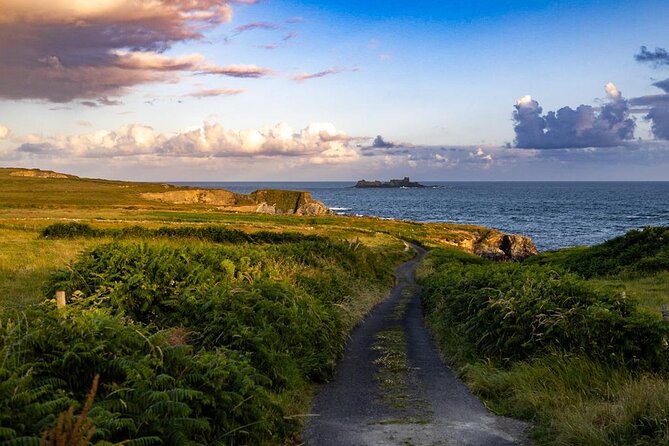
This is the kind of West Cork outing that makes you slow down without forcing a slow pace. You’re walking a clifftop route where the views are strong, but the real payoff is the way your guide connects each spot to a story—language, folklore, and local history—so the scenery doesn’t feel like it’s happening without context.
The small group size matters more than you might think. When you’re capped at 10 hikers, questions don’t get stuck in the back of the pack. You’ll also have an easier time getting quick photos at the stops without fighting for position.
What I’d call the tour’s “secret sauce” is the mix of well-known and less-seen places along the Wild Atlantic Way. You won’t just walk past one or two points of interest. You’ll be taken along a route that includes named features, a heathland stop tied to wild orchids, and dramatic coastal history that shows up again at the beach finale.
Price and value: what $60.07 really covers
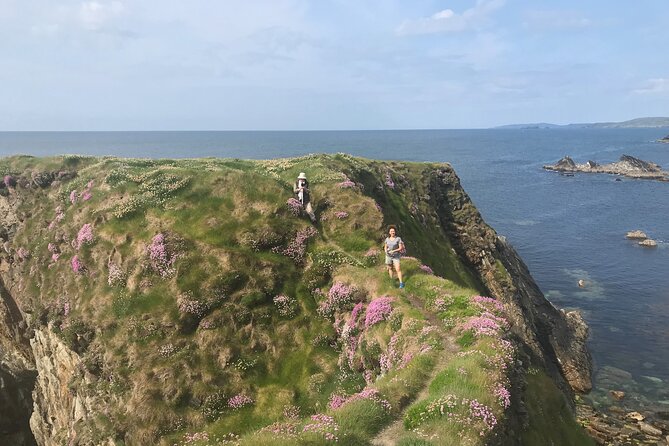
At $60.07 per person for about 2 hours 45 minutes, you’re paying for more than a walk. You’re getting guided interpretation, a managed pace, and the convenience of included basics like light snacks and water. For a small-group hike, that’s part of what makes the value feel fair—especially if you’d otherwise have to rent a car, book parking, and still pay for a guide to explain what you’re seeing.
Think of it like this: this isn’t just “a trail with views.” It’s a guided route that threads through multiple named historical and natural areas—Iron Age fort scenery, a deserted famine village, and Tráigh Liceach beach history—so one payment covers a lot of stops instead of one big moment.
Possible drawback on value: if you’re the type who wants zero guidance and full self-directed wandering, you might feel the structure a bit controlling. But if you enjoy learning as you go (and you want fewer people around), the price starts to make sense fast.
Getting ready: what to expect from the 7km easy pace
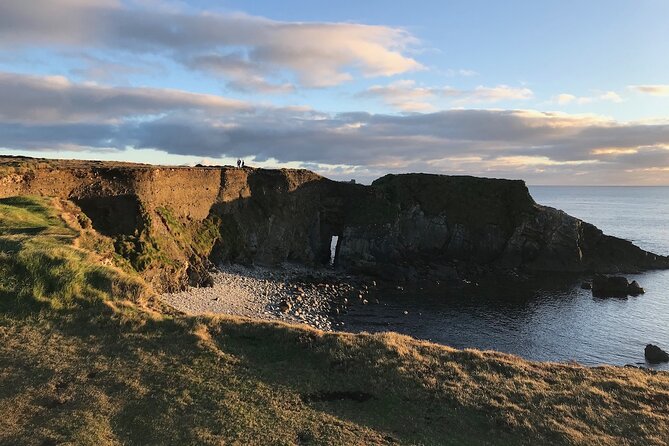
The route is about 7km, and the pace is very easy and fun for all abilities. That doesn’t mean it’s flat or boring. It means you’ll get time to enjoy the place. You’ll also get lots of short stops for photos and stories, so your legs don’t feel like they’re being “used up” for the sake of distance.
Plan your day around this being an actual hike, not a sightseeing bus tour. Wear good footwear for uneven ground and coastal surfaces. Bring a layer for wind off the water. If you run cold easily, add an extra top—even in mild months, Atlantic breezes can cut.
One practical note: you’ll be given light snacks and water, so you don’t need a huge supply. Still, I like the idea of carrying a small personal extra (like a refillable bottle) if you prefer it. The point is: you can pack light, but you’re not stuck with only what’s provided.
Meeting at Toe Head Coast Guard Station and the warm-up flow
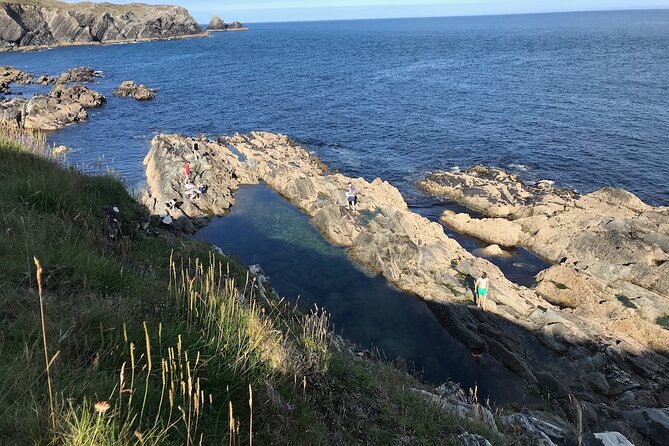
You start at the Toe Head Coast Guard Station area on Unnamed Rd in Bawnishall, Co. Cork, with the hike beginning at 9:00 am. That timing is a plus if you like calmer coastal light and fewer crowds, especially in summer.
The early minutes matter because your guide sets the rhythm: easy walking, frequent photo stops, and short story breaks so the group stays together. With a maximum of 10 hikers, it’s easier to pause without the usual herd-motion of larger tours.
You’ll also want to show up with your bearings. Clifftop hikes can feel like a blur once you’re moving. If you’re the type who likes to remember names, this is a tour where you’ll hear specific place names repeatedly—so listening closely at the start pays off.
Stop on Tráigh Liceach: battlefield history with a beach finish
Tráigh Liceach is where this tour makes its emotional turn. You’ll see the beach as part of the hike and then return for the wrap-up end. It’s not just a scenic shore—it’s tied to the Battle of Tráigh Liceach and stories about WWI submarine activity along this coastline.
That matters because it turns “views” into “place.” Instead of snapping photos and moving on, you’ll likely look closer at the coastline knowing there’s conflict history here. Even if you’re not a military-history person, the guide’s story approach makes it feel human—how people used this coastline, how events shaped what happened afterward.
Drawback to mention: because this stop has heavy context, it may feel less like a relaxing picnic moment and more like a thoughtful guided moment. If you’re hoping for purely carefree scenery, the beach history is still worth it—but go in knowing it carries weight.
The Iron Age promontory fort: where the coast becomes a time machine
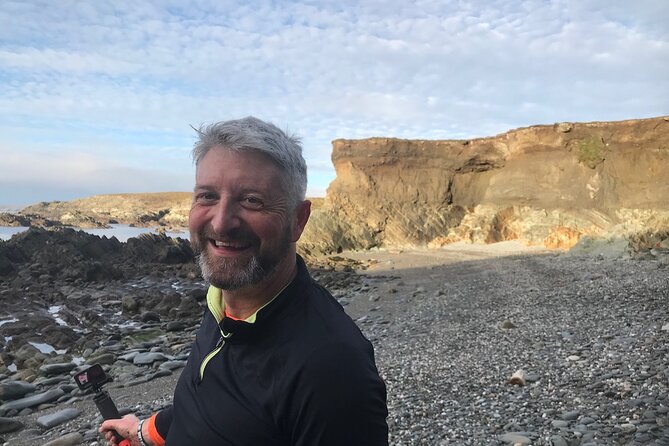
At some point in your walk, you’ll reach an Iron Age promontory fort—a location your guide ties to a bigger story about earlier communities and how they used terrain. A promontory fort is a great match for clifftop walking because you can actually read the geography. Higher ground, protective positioning, and lines of sight all make sense when you’re standing there.
What I like about stops like this is the way they anchor your imagination. The coastline stops being just “pretty” and turns into a strategic setting. You’ll also get local-style explanation—your guide shares the kind of stories you can’t get from a generic map.
One practical consideration: promontory fort areas can mean uneven ground and exposed viewpoints. Take your time at the edge moments and keep your phone secure. The best photos usually come from slowing down, not sprinting for the perfect angle.
Deserted famine village: when scenery comes with scars
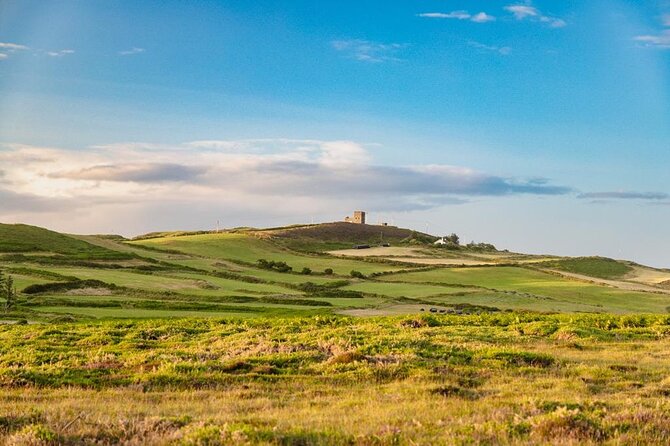
This hike includes a stop at a deserted famine village. That’s one of the hardest parts of the route, but it’s also one of the most meaningful. The coastline looks timeless, yet you’re standing in a place connected to a period of deep hardship.
The value here isn’t in memorizing dates. It’s in feeling the contrast: where people once lived, worked, and survived, and how the land keeps its quiet even after major human events.
If you’re traveling with kids or you prefer lighter stories, you might want to prepare for a more serious tone in this section. It doesn’t derail the day, but it adds a clear emotional chapter to the walk.
Móin Rua heathland and wild orchids: a named place that rewards patience
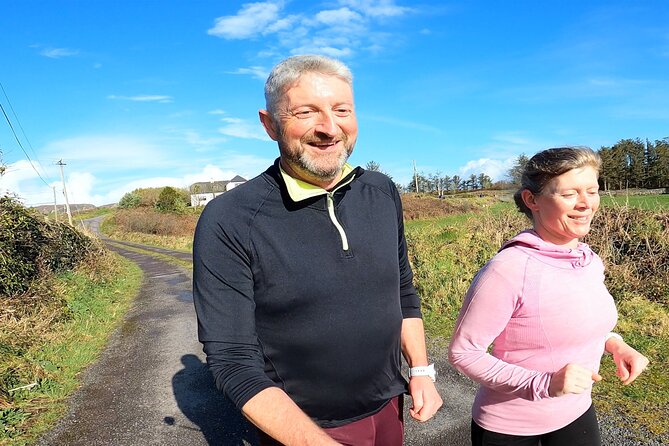
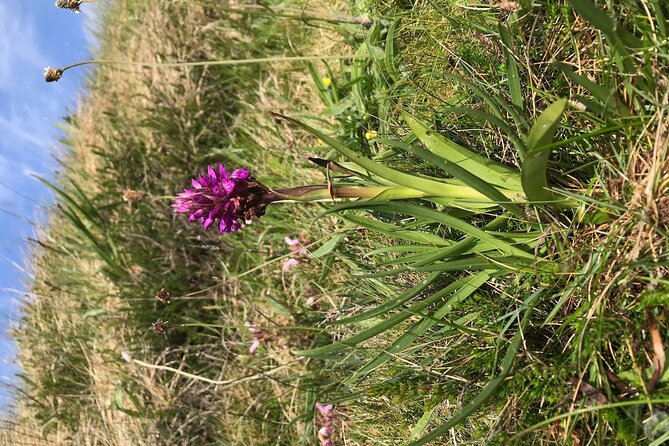
Another named feature on the route is Móin Rua heathland, described as famous for wild orchids. Even if you don’t spot orchids on the day (nature doesn’t run on a human schedule), the stop still works because it’s about habitat. Heathland has its own textures, colors, and feel—different from rock-and-cliff moments.
What you’ll likely enjoy is the guidance. Your guide won’t just point and walk. You’ll have time to pause, listen, and look. That’s part of why this hike suits people who enjoy learning through stops.
Possible drawback: if you’re planning this solely for orchids and you’re traveling at the wrong time of year, you might be disappointed. The tour still delivers the heathland experience and the guided route, but flower lovers should be realistic and treat orchids as a bonus rather than a guaranteed sighting.
Cnoc na nGabhar and the Wild Atlantic Way detours
You’ll also see Cnoc na nGabhar mountain, plus “secret” style trails along the Wild Atlantic Way. The point of these detours is simple: you don’t feel like you’re following a checklist of the busiest viewpoints. Instead, you’re guided to lesser-used paths where the coastline feels more open.
These sections are where a guided approach really shines. When you don’t have local context, trails can feel random. When you do, they feel purposeful. You’ll be hearing how each named area fits together—so you walk with a sense of direction, not just distance.
You may also pass an EIRE sign, which is one of those “Irish road culture” markers that tends to look better on a guided walk than in a quick photo stop. The guide’s talk helps it land as part of the place’s identity rather than just a prop.
What you carry: pack light, but plan for the coast
One of the smartest hints for this hike is to pack light. Light snacks and water are provided, so you don’t have to tote the usual “half-day hike kit.” That said, you should still come ready for coastal weather. Bring a wind layer and shoes that grip well on uneven or rocky surfaces.
For the best experience, think “comfortable hands and calm mind.” If you want photos, remember that clifftop winds can make it harder to steady your shot. If you’re wearing a hat, secure it. If you’re wearing sunglasses, keep them handy early so you can enjoy the bright coastal glare.
Because your pace is easy, you can also plan your day around this without exhausting yourself afterward. It’s the kind of outdoor activity that helps you feel like you actually experienced the area—not just looked at it.
Who should book the Toe Head clifftop hike
This tour fits best if you like guided walks, small groups, and learning as you go. It’s ideal for travelers who want West Cork views but also want the stories behind them: Iron Age fort history, a deserted famine village, and beach history tied to major events.
It’s also a good match if you’re traveling solo or as a couple and you want an easy social rhythm. The small cap of 10 hikers keeps the group chat alive without feeling like you’re stuck in someone else’s tour bubble.
If you’re a hardcore hiker chasing steep climbs, fast pace, and big elevation goals, this may not satisfy your fitness goals. But if you want an easy, fun, story-rich coastal walk that still feels like an adventure, you’ll probably love it.
Should you book this Toe Head clifftop hike?
Book it if you want a small-group coastal experience with included snacks and water, plus real context at named sites like Tráigh Liceach, the Iron Age promontory fort, the deserted famine village, and the Móin Rua heathland.
Consider skipping or waiting if weather timing is tight for you. This hike requires good conditions, and Atlantic clifftops can turn slippery fast when the day is wet or windy.
My quick decision rule: if you enjoy history told in a human way—while walking—you’ll get your money’s worth out of the guide-led stops. If you prefer to “do trails” without interpretation, you might feel the guidance takes away from your freedom.
FAQ
How long is the Toe Head Clifftop Hike?
The hike runs for about 2 hours 45 minutes.
About how far do we walk?
You’ll hike about 7km at an easy, fun pace.
What group size is this hike capped at?
This activity has a maximum of 10 travelers.
What time and where does it start?
It starts at 9:00 am at the Toe Head Coast Guard Station area on Unnamed Rd, Bawnishall, Co. Cork, Ireland.
Is it offered in English?
Yes, it’s offered in English.
What happens if the weather is poor?
This hike requires good weather. If it’s canceled due to poor weather, you’ll be offered a different date or a full refund.
FAQ
Can I get a full refund if I cancel?
You can cancel for free up to 24 hours before the experience’s start time for a full refund. If you cancel less than 24 hours before, the amount you paid is not refunded.
What if I need to make changes to my booking?
Changes made less than 24 hours before the experience start time aren’t accepted.