REVIEW · TONGARIRO ALPINE CROSSING
Tongariro Alpine Crossing: Premium Guided Hike
Book on GetYourGuide →Operated by Adrift Tongariro Guiding · Bookable on GetYourGuide
This is Mt. Doom, and you hike it. The Tongariro Alpine Crossing strings together volcanic craters, scoured rock, and the famous Emerald and Blue Lake basins, with a guide who helps you keep moving and dodge the worst crowds. It is spectacular—but weather can force route changes, and reaching the Ketatahi end is not guaranteed.
I like two things most: first, the geology is in your face, from red craters to mineral-stained rocks and mountain springs. Second, the day feels managed and supported, with guides adjusting pace and even the exact route when conditions shift. The main consideration is simple: it is a serious, weather-dependent hike, and the final section may be modified or shortened for safety.
In This Review
- Key highlights I’d bet on
- The Tongariro Alpine Crossing is geology you can actually hike
- Getting there: the 25 minutes that set your head right
- The 8-hour walk: volcanic craters, bush, and the lake zones
- Why the guide’s route choices matter
- Ketatahi end and gorge crossing: what can change on the day
- Guides are the difference between suffering and managing
- Price and value: $254 per person, and what you get for it
- What to pack (and what to borrow) so the weather can’t bully you
- About clothing and footwear hire
- Fitness and footwear: it’s not an easy walk
- Who this guided crossing is best for
- Should you book this Tongariro Premium Guided Hike?
- FAQ
- How long is the Tongariro Alpine Crossing premium guided hike?
- Where do I meet for the hike?
- Is lunch included?
- What gear is provided?
- Do I need alpine hiking experience?
- Do I need to bring warm clothes and layers?
- What fitness level do I need?
- Can I get return transfers from Taupo, Turangi, or Whakapapa Village?
- Is cancellation flexible?
Key highlights I’d bet on
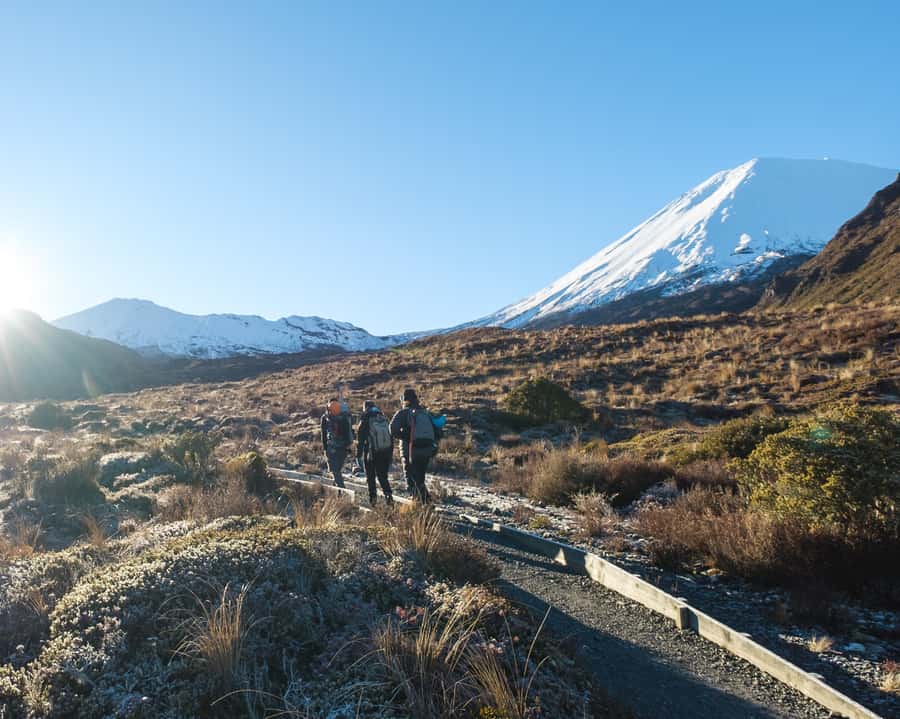
- Volcanic scenery you can walk through: craters, geothermal colors, and mineral textures
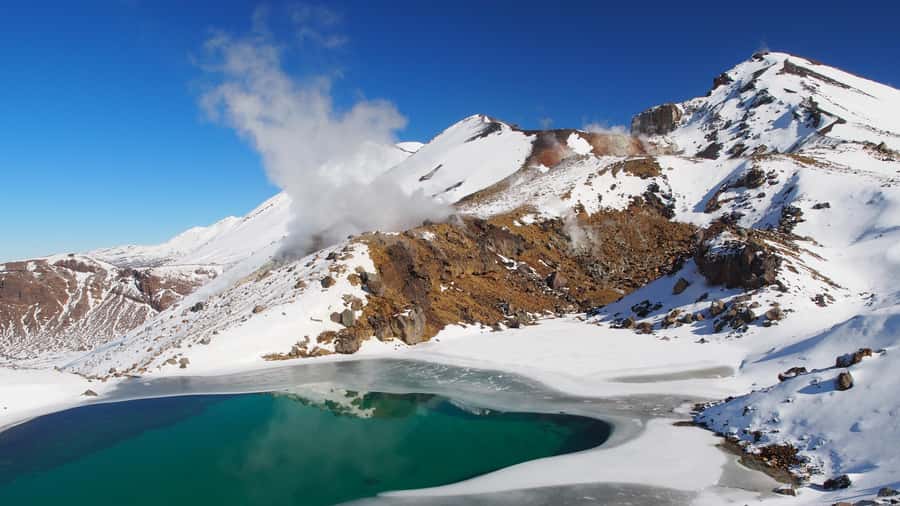
- Emerald Lakes and Blue Lake payoff after a long stretch of tough terrain
- Guides who manage crowds and conditions with alternative paths
- Winter help when snow hits (crampons and ice axes supplied if needed)
- Real-time route decisions based on wind, ice, avalanche risk, and hypothermia concerns
The Tongariro Alpine Crossing is geology you can actually hike
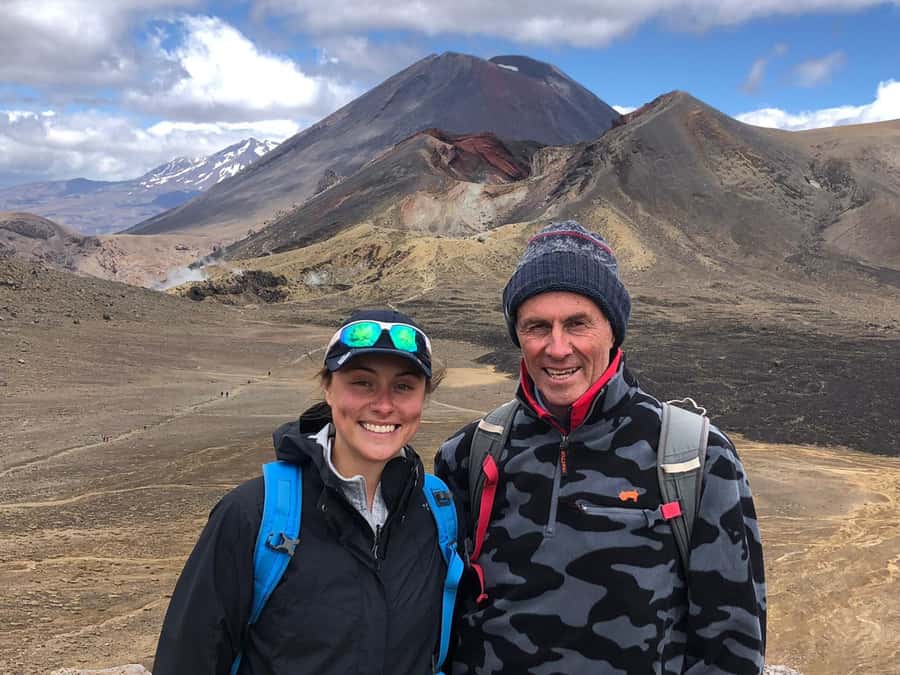
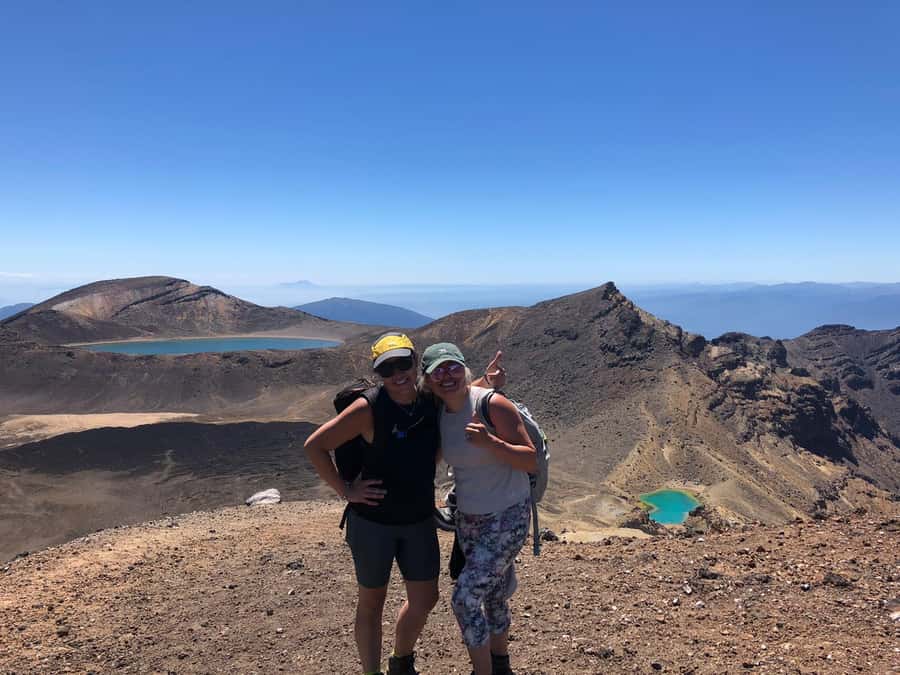
Tongariro Alpine Crossing is one of those hikes where the views don’t stay still. The terrain keeps changing: dark volcanic rock, lighter pumice-like areas, and crater rims with different colors and shapes. You pass indicators of past activity—craters formed and affected by eruptions at different times—so the ground tells a story even when you’re just trying to breathe and keep your footing.
What makes it extra memorable is that it feels both wild and readable. You’ll see the evidence of sulphur, aluminium, silica, and other mineral deposits in the textures and staining across the rock. Add mountain springs into the mix, and the route goes beyond pretty photos. It feels like walking across a living science exhibit.
Getting there: the 25 minutes that set your head right
You start at Adrift Tongariro base and shop, 53 Carroll St, National Park. Then you transfer by van for about 25 minutes to the trail area. That short drive matters more than you might think. It’s the moment your guide can do a quick reality check: the day’s conditions, how your group is likely to handle pace, and what the weather might do next.
Because this is a guided experience, you also get training for the day. Even if you have never done an alpine-style hike, you’re not walking in blind. In winter, that support becomes even more important, since gear like crampons and ice axes may be issued if conditions require it.
The 8-hour walk: volcanic craters, bush, and the lake zones
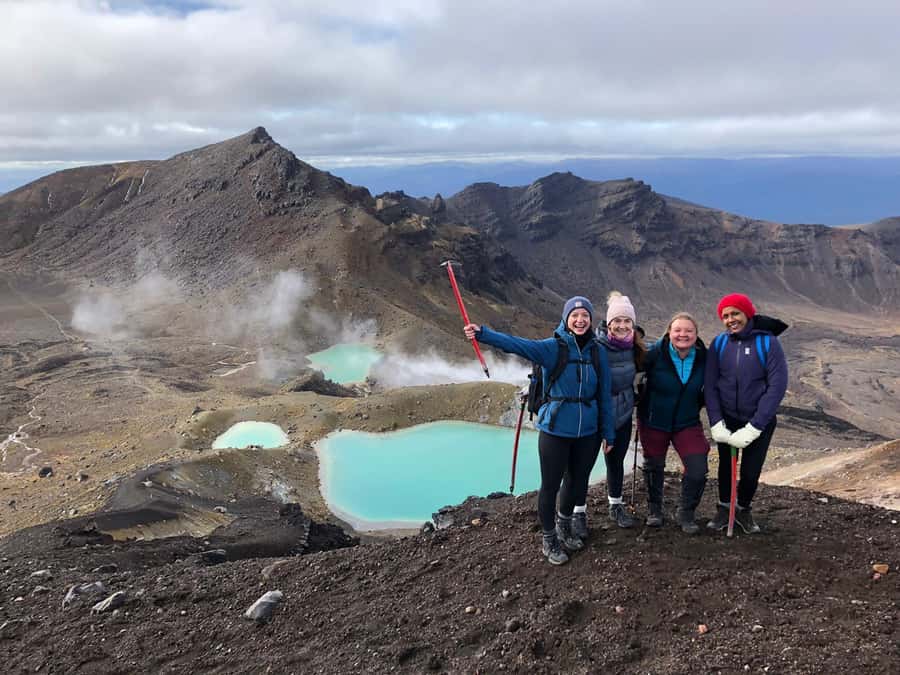
The core of the experience is an 8-hour guided hike through the section between Mt Ngauruhoe and Mt Tongariro. Along the way, you’ll move through volcanic terrain and through native bush sections that change the vibe from raw rock to New Zealand-green.
Expect:
- Crater viewpoints where the rock looks freshly carved and the reds stand out
- Winter-leaning stretches where wind and temperature can flip fast
- Lake areas that feel like a reward for your legs, especially Emerald Lakes and Blue Lake
In summer, the route often feels like a dramatic open-air classroom—recent volcanic results show up in color shifts and patterns. In winter, you’re trading dry rocks for snow-covered footing and harsher wind exposure. Either way, the day is visually intense, and the guide’s job is to keep you safe while still hitting the sights.
Why the guide’s route choices matter
One of the best-value parts of this specific setup is the idea of alternative paths. You still get the popular moments, but guides can route you around the worst of the crowd pressure when possible. That can make a huge difference on a single-day hike: you lose less time waiting at chokepoints, and you get more breathing room for the viewpoints.
Ketatahi end and gorge crossing: what can change on the day
Here’s the honest part: you might not get to the Ketatahi end. Safety decisions take priority, and the route can be shortened based on weather, avalanche risk, ice conditions, and hypothermia concerns.
Wind is a big factor too. One of the most practical warnings I picked up is that a gorge crossing (where included in the plan) can become impossible when wind is strong—you won’t know for sure until you’re up there. That’s why having a guide matters. They can adjust the plan on the fly without you guessing.
I also saw evidence that the day can compress in extreme conditions. On a blizzard-approaching day, the group pushed hard to reach key points before conditions worsened, finishing the crossing faster than normal. In nicer weather, the same hike would feel less frantic—but the takeaway stays the same: you’re buying a managed day, not a guaranteed exact script.
Guides are the difference between suffering and managing
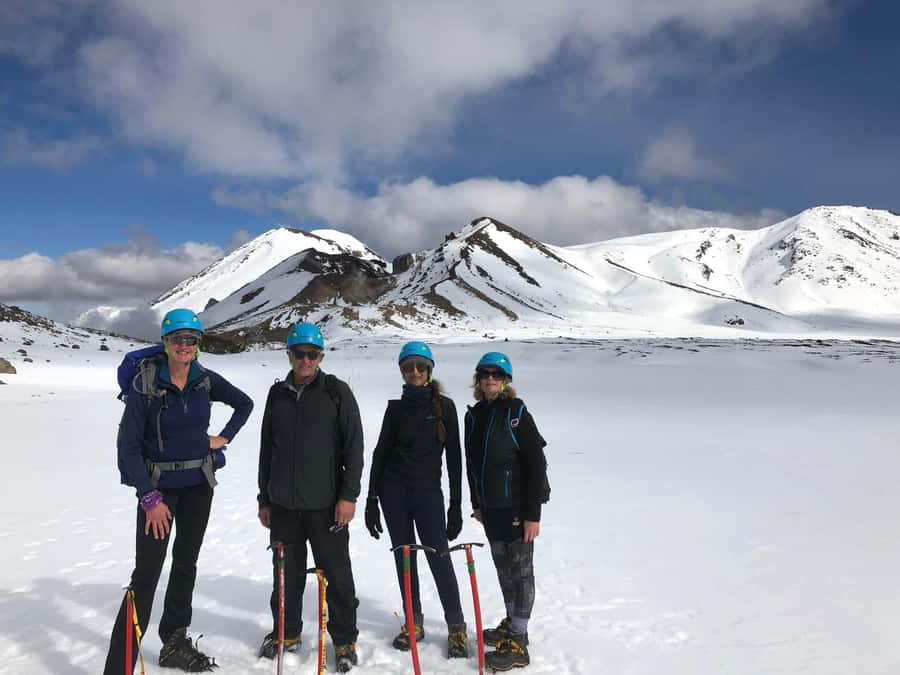
People consistently praise the guides for being supportive, organized, and calm under pressure. Names that came up include Ty (who shared Mauri culture context), Kayla and Ty (praised as outstanding), Hannah (keeping everyone safe and looked after), and Stu (motivating the group and dropping humor along the way).
There’s also the safety credibility angle. One guide, Kenny, was described as having long park and rescue experience, including time in the rescue unit. On a severe weather day, that kind of background doesn’t just sound good—it likely influences the kind of decisions you see on-route.
And then there are the small, very real-help details. One hiker started getting quad cramps and the guide provided practical guidance—plus electrolyte-style support like gels and sugar gummies—to help the person keep going. Another first-time hiker admitted they felt exhausted, and the guide plus a helpful stranger (walking sticks shared) got them down safely. The point: the day is tough, but you’re not left alone to brute-force it.
Price and value: $254 per person, and what you get for it
At $254 per person for a 9-hour day (with roughly 8 hours hiking), the price isn’t cheap. But it’s easier to judge when you look at what’s included:
- A live guide on the crossing
- Transport between the base and the activity area
- Crampons and ice axes if required for winter conditions
- $60 clothing and footwear hire credit
You also need to plan for what is not included: lunch and return transfers from Taupo CBD, Turangi, or Whakapapa Village. Still, even without those, the cost can make sense if you value planning plus safety over DIY.
If you’re confident navigating changing trail conditions and you have the gear, self-guiding can be tempting. But with a route that can change for wind, ice, or weather risk—and where completion of the Ketatahi end isn’t guaranteed—this guided structure feels like insurance plus comfort.
What to pack (and what to borrow) so the weather can’t bully you
Tongariro Alpine Crossing punishes bad layering. One of the most repeated pieces of advice is simple: bring multiple layers because conditions can flip dramatically within the same day.
Bring:
- Warm clothing and windbreaker
- Sunglasses and sunscreen, plus a sun hat and/or warm hat
- Rain gear (waterproof layers that actually work)
- A packed lunch and snacks
- Insect repellent
- A daypack
- Hiking shoes/boots with good grip
- Quick-dry or breathable clothing
- Personal medication and thermal clothing (especially in winter)
- Winter-specific extras: thermal layers, over-trousers, gloves
Water matters too. The guidance is 1–2 litres for summer, and the same order of magnitude for winter.
About clothing and footwear hire
You can use $60 of clothing and footwear hire. That’s useful if you arrive without proper hiking shoes or you don’t want to buy cold-weather layers for one hike. Still, don’t treat hire as a reason to underpack. Winter-ready layering is what keeps you functional when wind bites.
Fitness and footwear: it’s not an easy walk
This is a strenuous outing. The requirement is a reasonable fitness level—and if you’re concerned, tell the guide before you start. Guides can discuss options, including pace adjustments and how you’ll manage stops.
A few practical truths from real experiences:
- Some people had their first hike ever and finished with sore legs but felt it was worth it.
- Getting down can be harder than getting up, especially near the end when fatigue stacks up.
- Expect leg ache after the day. Even when you manage it well, your muscles will remember.
Shoes are key. Wear footwear that can handle uneven volcanic rock. If you’re unsure, use hire credit toward boots with real traction. Trekking poles might help, but the specific use of poles isn’t stated here—so I’ll keep that as optional in your planning and focus on what’s explicitly covered: solid hiking shoes, layers, and water.
Who this guided crossing is best for
I’d recommend this if you want:
- A one-day hit on New Zealand’s signature volcanic walk
- A guide-led day with safety decision-making when wind and weather change
- The chance to see Blue Lake and Emerald Lakes without doing all the route homework
It may not be ideal if:
- You’re traveling with children under 12 (this hike is not suitable for them)
- You’re expecting a gentle stroll. Even first-timers often say it’s not easy.
- You hate uncertainty. The route can change, and completion of the Ketatahi end is not guaranteed.
Should you book this Tongariro Premium Guided Hike?
If you’re fit enough for a long, challenging day and you want the comfort of trained decision-making, I think it’s a strong booking. The price is justified by guide support, transport, and winter safety gear, plus the fact that the route can be adapted when conditions demand it. That matters when the weather is the boss.
If you’re the type who needs a guaranteed exact endpoint, plan to be flexible. You may not reach the Ketatahi end, and gorge conditions can change with wind. If that uncertainty would stress you out more than the hike itself, consider keeping your expectations realistic or looking at other ways to experience Tongariro.
Either way, do it prepared. Layer well, eat and drink, and listen to your guide—because on this trail, good choices keep the day fun instead of miserable.
FAQ
How long is the Tongariro Alpine Crossing premium guided hike?
The total experience runs about 9 hours, including approximately 8 hours of guided hiking.
Where do I meet for the hike?
Meet at Adrift Tongariro base and shop, 53 Carroll St, National Park 3948, New Zealand.
Is lunch included?
No. Lunch is not included, so you’ll need a packed lunch and snacks.
What gear is provided?
A guide is included, plus transport. Crampons and ice axes are supplied if required for winter conditions. There’s also $60 of clothing and footwear hire available.
Do I need alpine hiking experience?
No alpine experience is required. Training and tuition are provided on the day.
Do I need to bring warm clothes and layers?
Yes. You’ll want warm clothing, wind protection, rain gear, and weather-appropriate layers (thermal layers in winter). The day can change fast.
What fitness level do I need?
A reasonable fitness level is required. If you’re concerned, let the guide know before starting so they can discuss options for pace and comfort.
Can I get return transfers from Taupo, Turangi, or Whakapapa Village?
Return transfers are available for a surcharge from Taupo CBD, Turangi, or Whakapapa Village, with a minimum of 2 people.
Is cancellation flexible?
Yes. There is free cancellation up to 14 days in advance for a full refund.