REVIEW · HAPUTALE
Tuk-Tuk Safari Liptons seat,Tea Fields Hike,TeaFactory Tour
Book on GetYourGuide →Operated by Sri Lanka Trekking Club · Bookable on GetYourGuide
Tea hills with wheels beat a bus ride.
This 7-hour day trip mixes a tuk-tuk safari through Eastern Province scenery with a guided tea factory visit at Dambatenne, built by Thomas Lipton in 1890. I like that the route is built around real tea country moments: a viewpoint stop, a walking segment through estate paths, then a factory walkthrough where you see how leaves become black tea. One practical consideration: weather can be messy, and the day may shift lunch from outdoors to a sheltered spot if it rains.
I also love the pacing. You get a guided tea fields hike and then a proper picnic lunch in the countryside before the factory tour explains how Ceylon black tea is produced. If you’re going to spend a single day in the Ella–Haputale area, this kind of mix usually gives you the most “this is what tea is like here” payoff.
In This Review
- Key points before you go
- Tuk-tuk safari: the tea-country ride you can actually feel
- From Ella pickup to Lipton Seat: the view stop that frames the whole day
- Tea Fields Hike: how walking the plantation makes tea feel real
- Picnic lunch in the countryside: when rain changes the plan
- Dambatenne Tea Factory tour: seeing Ceylon black tea made step by step
- Where the day lands: Haputale finish and why it helps
- Price and value: what $60 buys you for a full tea day
- What to pack and how to pace your day (so it feels good)
- Who should book this tuk-tuk tea day trip
- Should you book it?
- FAQ
- Where does the tour start?
- How long is the tour?
- Where does the tour end?
- What’s included in the price?
- What is not included?
- What language is the tour guide?
- Is the picnic lunch served outdoors?
- What will I learn at the tea factory?
- What’s the cancellation and booking flexibility like?
Key points before you go

- Tuk-tuk safari rides through Bandarawela/Haputale tea country, with open-air vibes
- Lipton Seat viewpoint stop with a wide look across 7 districts at once
- Guided tea plantation hike on estate paths (good for photos and context)
- Picnic lunch included, with a workable rain plan when needed
- Dambatenne Tea Factory visit, including the big processing steps for Ceylon black tea
Tuk-tuk safari: the tea-country ride you can actually feel
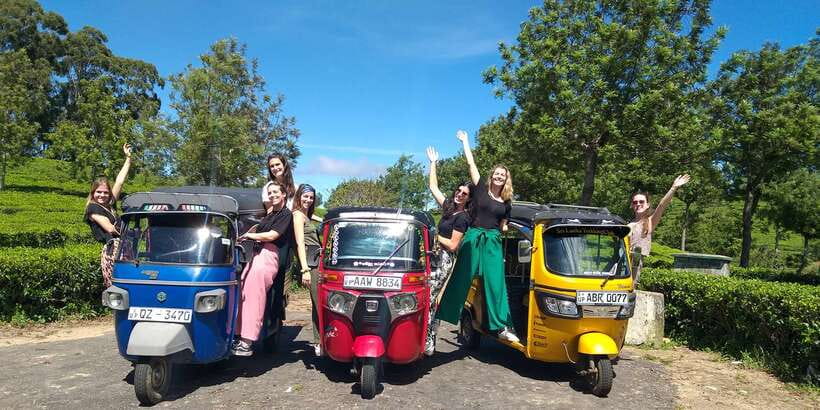
The biggest difference here is the transport. A tuk-tuk isn’t just a way to get from A to B. It puts you right in the middle of the hill roads where tea grows. You’ll get wind in your hair as you roll through the countryside, and that physical sense of place matters in Sri Lanka’s hill region. The day is designed so the ride connects to viewpoints and walking, not just sightseeing from a window.
You also get a clear sense of the tea landscape as you pass through the Ella area down toward Bandarawela and onward to Haputale. That matters because tea hills don’t look the same at every angle. From the road, you see the spacing of fields and slopes. From a viewpoint, you see scale. And on foot, you see texture—leaf rows, cut lines, and the steepness you can’t judge from a vehicle.
From Ella pickup to Lipton Seat: the view stop that frames the whole day
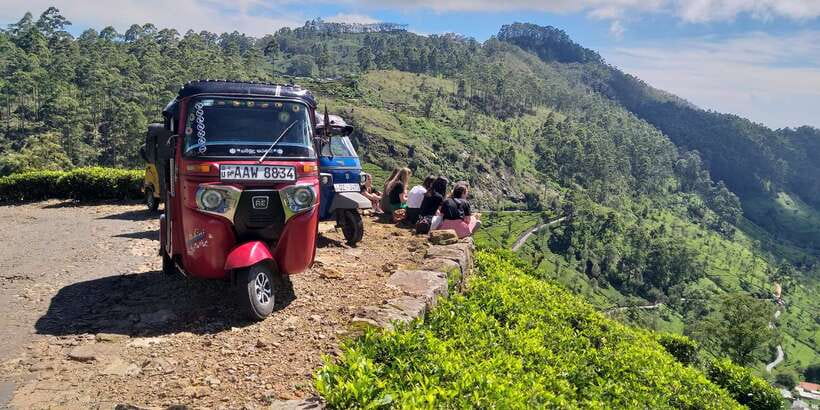
The trip starts with pickup from your accommodation in Ella, so you don’t waste time arranging transport. Once you’re out in the tea hills, you’ll make your way toward the Lipton Seat viewpoint—the kind of stop that helps you understand why tea is such a big deal here.
At Lipton Seat, the payoff is the panorama: you can admire 7 districts at once. Even if you’re not great at naming places on a map, wide views like this give you a mental map for later. When the factory guide explains how tea is produced, you’ll have the geography in your head. When you walk through the tea fields, you’ll understand why the terrain and climate matter.
Tip: plan on taking it slow at the viewpoint. The trip runs for 7 hours, so if you rush the photos and don’t pause for the view, you’ll feel it later during the hike or factory time.
Tea Fields Hike: how walking the plantation makes tea feel real
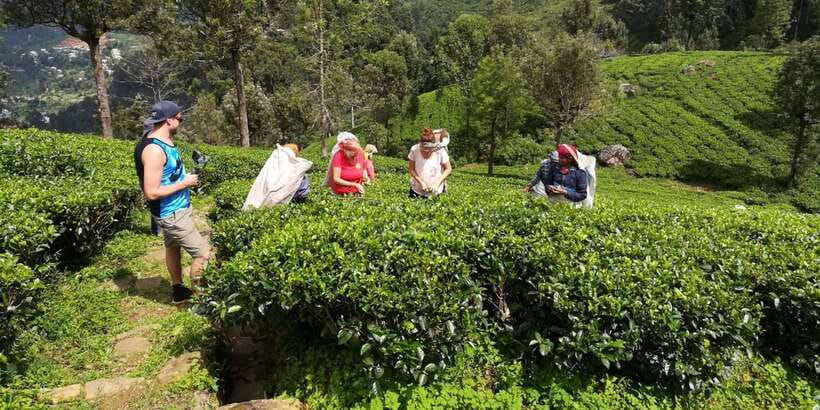
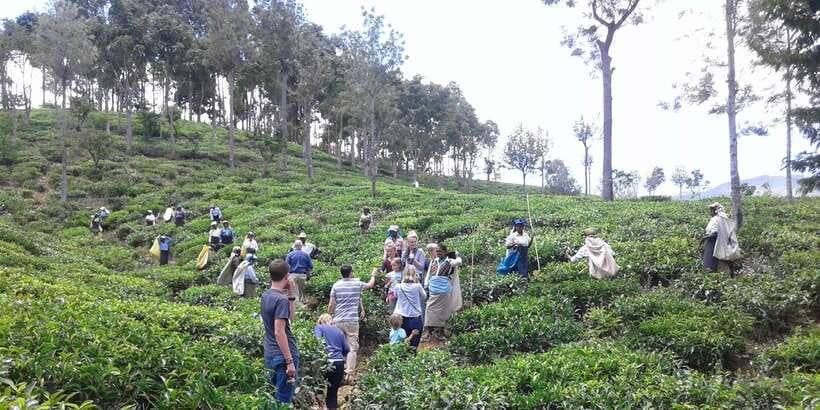
After the big scenery stop, the day turns practical with a guided hike on a tea plantation. This isn’t just a “stretch your legs” detour. The point is to walk the estate paths where the tea-growing landscape is visible up close.
On the hike, you’ll get the story of where the popular beverage in Sri Lanka is grown and why plantations are laid out the way they are. You can see the shape of the fields, how the land is managed, and how the rows follow slope and drainage. That hands-on perspective is exactly what turns tea from a product into a living process.
One thing to keep in mind: the tea-hill terrain can be uneven, and you’re on a schedule for the rest of the day. Wear shoes you trust on slopes. Bring a layer for misty weather. If rain rolls in, follow the guide’s lead on where to step and how to time the hike.
Picnic lunch in the countryside: when rain changes the plan
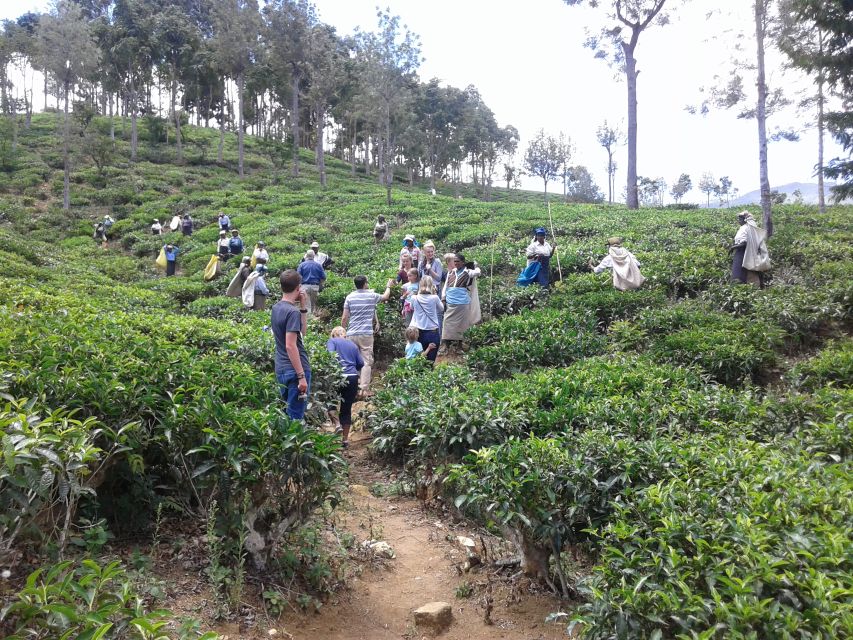
A major reason to pick this tour is lunch. You stop for a picnic lunch in a verdant countryside setting, which makes the tea day feel like an actual day out—not just a checklist of stops.
The menu details aren’t huge, but they’re substantial enough for a full day: sandwiches, bananas, mangoes, some cake, and water. The best part is how lunch sits between the walking and the factory visit. You get a break before you shift into production explanations.
Now the real-world issue: weather. Heavy rain can happen in this region, and the day needs flexibility. In at least one case, the picnic didn’t happen outdoors; the guide guided the group to a small over-covered place where you could eat comfortably and continue the tour without stress. That’s a smart thing to look for in any countryside tour, because you don’t want your day ruined by one storm.
Dambatenne Tea Factory tour: seeing Ceylon black tea made step by step
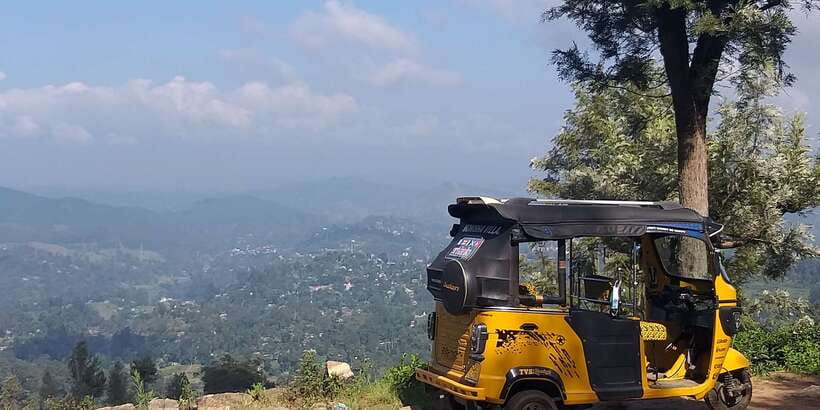
Then you get to the heart of the experience: the Dambatenne Tea Factory. It was built in 1890 by Thomas Lipton, and it’s described as the largest tea factory in the country. That matters because bigger factories usually mean more standardized processing and a clearer “this is the workflow” story.
What you’ll learn is the transformation of tea leaves into black tea. The tour covers the processing sequence, including fermentation, rolling, drying, cutting, grinding, sieving, and grading. Those words might sound technical on paper, but seeing the steps in order makes it click. Tea isn’t just “picked and dried.” It’s controlled processing that shapes flavor and strength.
You’ll also learn how the factory ties to the tea brand story. The tour specifically references Lipton Ceylon black tea production, so you’re not only watching machinery—you’re connecting the product to the landscape you just walked through.
Practical note: factory visits usually involve standing and walking through areas with active explanations. Bring patience and keep your focus on the process, not on trying to read every label. The value is in understanding how the steps work together.
Where the day lands: Haputale finish and why it helps
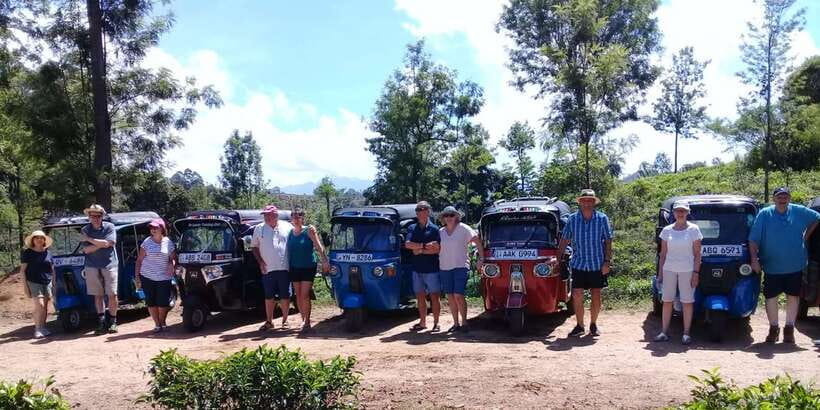
The tour ends in Haputale rather than looping back to Ella. That’s a small detail, but it can be a big win for your overall itinerary. If you’re moving from Ella toward Haputale (or beyond), finishing there reduces backtracking time and keeps your travel flow smoother.
Also, the experience includes hotel pickup but does not include hotel drop-off. Translation: you should have a plan for getting from Haputale onward. That said, one example in the experience history shows a guide going out of the way to drop guests back to a homestay, even though drop-off isn’t guaranteed. Consider it a nice-to-have, not a promise.
Price and value: what $60 buys you for a full tea day
At $60 per person for about 7 hours, this tour is priced like a structured day out with multiple paid components bundled together. You’re not just paying for a viewpoint. The included items are the core value drivers:
- hotel pickup
- tuk-tuk safari
- picnic lunch
- entrance fees
- guided tea plantation hike
- guided tea factory visit
When you add up transport + guide time + lunch + factory access, the price starts to look fair, especially if you’d otherwise have to arrange separate rides and pay separately for entry to the factory. The biggest “value” risk would be if you hate hiking or don’t care about tea production. If you do care, you’re getting a full arc: landscape → walking → meal → factory processing → finish in Haputale.
One more value angle: the day is concentrated. You get multiple experiences in one shot, which is ideal when you’re short on time and you want a meaningful slice of Sri Lanka’s tea culture.
What to pack and how to pace your day (so it feels good)
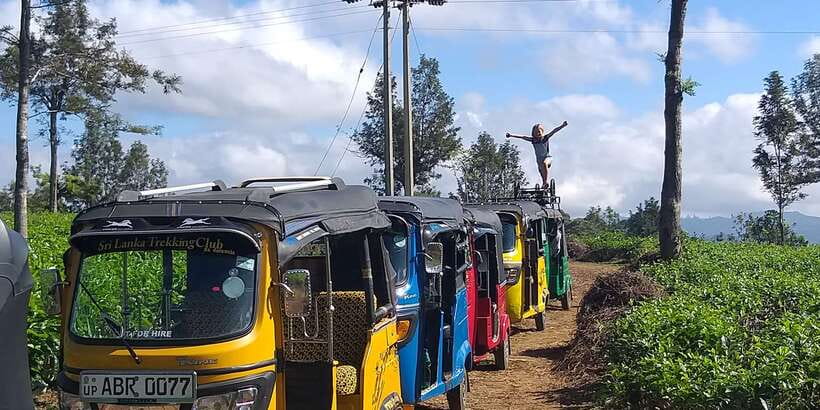
This is a hill-country day, so comfort matters. Even without knowing your exact weather, you can prepare for the common patterns you’ll face on tea tours.
Bring:
- shoes with grip for plantation paths
- a light rain layer in case clouds turn into showers
- sun protection for viewpoint time
- a small day bag for water and essentials
Pace-wise, treat it like a sequence:
1) viewpoint for the big picture
2) hike for close-up understanding
3) lunch to reset
4) factory to learn the production logic
If you try to “power through” all four, you’ll remember less and enjoy less. Let the guide’s schedule do the heavy lifting.
Who should book this tuk-tuk tea day trip
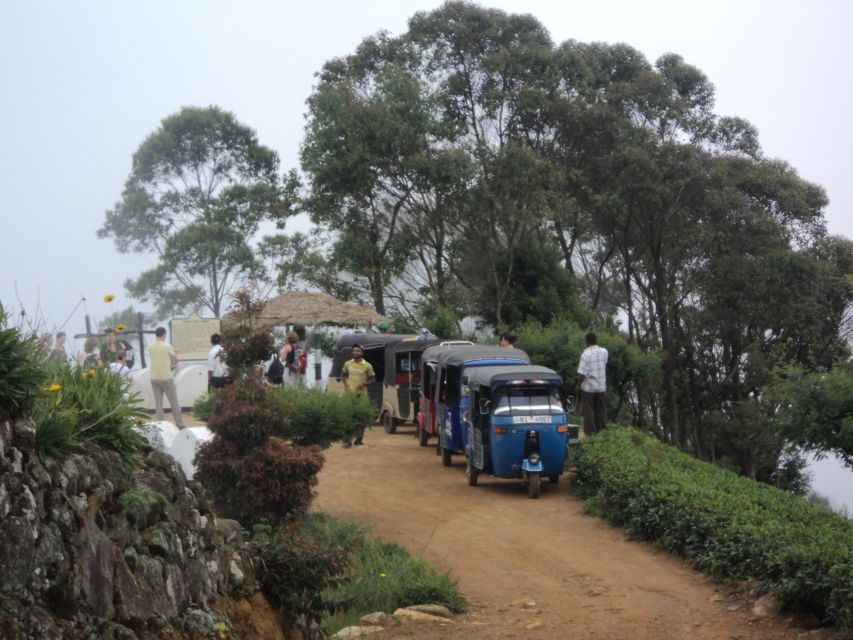
This tour fits best if you want:
- a scenic ride that feels more fun than a standard transfer
- an actual guided hike, not just a photo stop
- lunch included in the middle of the day
- a factory tour that explains the steps behind Ceylon black tea
It’s also a good fit if you enjoy learning through place-based context: walking the fields right after seeing the tea hills from a viewpoint makes the factory tour easier to follow.
You might skip it if:
- you strongly dislike walking on uneven ground
- you’re looking for a long, leisurely countryside stay rather than a scheduled 7-hour run
- you’re mainly after beaches or city nightlife (this is rural tea country, all day)
Should you book it?
If your goal is to get a real sense of how Sri Lanka’s tea world works in one day, I think this is a solid pick. The tuk-tuk safari, the Lipton Seat panorama, the guided hike, and the Dambatenne Tea Factory processing steps create a clean storyline from landscape to product.
Book it if you’re comfortable with a moderate hike and you want a structured day that ends in Haputale. If rain worries you, take comfort in the fact that the experience has handled heavy weather by adjusting where lunch happens and keeping the tour moving.
FAQ
Where does the tour start?
You’re picked up from your accommodation in Ella.
How long is the tour?
The duration is 7 hours.
Where does the tour end?
The tour finishes in Haputale.
What’s included in the price?
Hotel pickup, tuk tuk safari, picnic lunch, entrance fees, tea factory visit, and the tea plantation hike.
What is not included?
Hotel drop-off is not included.
What language is the tour guide?
The live tour guide is English.
Is the picnic lunch served outdoors?
It’s planned as a picnic lunch in the countryside, but if it rains, the day can shift to a covered place for eating.
What will I learn at the tea factory?
You’ll learn how Lipton Ceylon black tea is produced, including fermentation, rolling, drying, cutting, grinding, sieving, and grading.
What’s the cancellation and booking flexibility like?
You can cancel up to 24 hours in advance for a full refund, and you can reserve now and pay later.