REVIEW · FUJI
Walk the Ancient Pilgrim Paths of Mt. Fuji – Private Tour
Book on Viator →Operated by Yuki(ゆうき) · Bookable on Viator
Mount Fuji, minus the stampede. This private tour takes you into the quieter Mt. Fuji 5th Station area and onto a 2.5 km stretch of the historic Ochudo Trail, the old pilgrim route. You get real local context from your guide, plus a gentle, mostly level hike that still delivers big mountain moments.
I particularly like two things: the chance to pair Lake Kawaguchiko with Fuji views early in the day, and the way guide Yuki brings the sacred and cultural side of Mt. Fuji to life while keeping a comfortable pace. One thing to plan for is lunch: the mountain-hut break at Okuniwaso is Japanese-only and not vegetarian-friendly, so you’ll want to budget cash (and think about your diet).
In This Review
- Key highlights at a glance
- Mt. Fuji’s pilgrim paths, without the summit grind
- Morning start at Lake Kawaguchiko and the 5th Station zone
- The Ochudo Trail walk: 2.5 km of pilgrimage history
- Fuji Subaru Line and transit time you can actually use
- Okuniwa Nature Park and the Okuniwaso lunch break
- Guide Yuki and the story-driven approach that feels personal
- Gear, weather, and pacing tips that keep it easy
- Price: what you pay for and what you save on
- Who this tour fits best
- Should you book this Mt. Fuji pilgrim paths private tour?
- FAQ
- Is pickup included?
- How long is the tour?
- How much walking is involved?
- What is included in the price?
- What about lunch?
- Are there options for people without hiking equipment?
- What months is the tour available?
- What happens if weather is bad?
Key highlights at a glance
- A private tour with guide Yuki means questions, pacing, and weather adjustments happen in real time
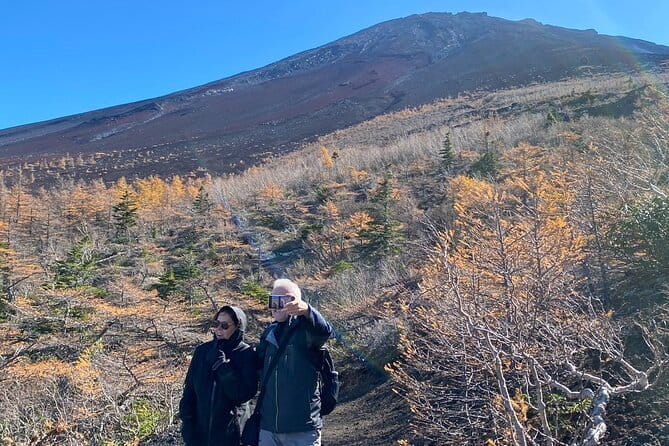
- Ochudo Trail, 2.5 km: a pilgrim path section that’s mostly flat with gentle slopes
- 5th Station views without the summit climb: you’re in the action area, but it’s not an all-day endurance test
- Free rental gear including hiking shoes, rainwear (mainly for adults), and trekking sticks
- A mountain-hut lunch stop at Okuniwaso with tempura, udon, and soba options, paid separately
Mt. Fuji’s pilgrim paths, without the summit grind
Mt. Fuji can feel like an all-day project. This tour takes the pressure off. Instead of going for the top, you walk the historic Ochudo Trail segment connected to pilgrimage traditions, right from the 5th Station zone where the mountain’s personality is on full display.
What you get is a focused hike with good scenery and a clear purpose. You’re not guessing at what you’re looking at. Your guide, Yuki, uses the sights around the 5th Station area to explain the mountain’s nature and sacred past, plus the cultural links that shaped this region over time.
This is also a “feel the day” kind of outing. The path is described as mostly flat with gentle slopes, so it fits a wider range of fitness levels than summit-focused plans. You’ll still be walking, but it’s designed to be manageable and steady.
Morning start at Lake Kawaguchiko and the 5th Station zone
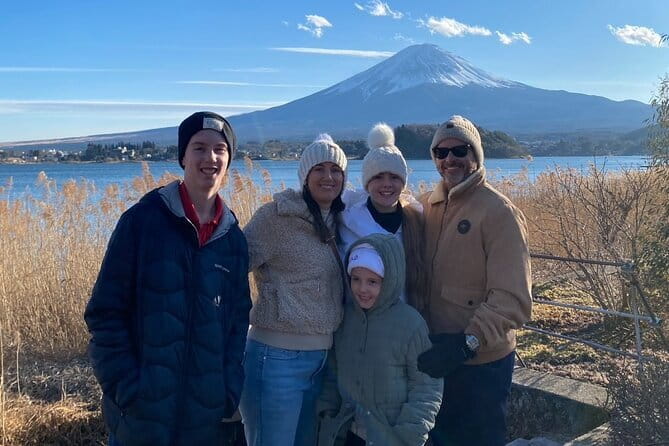
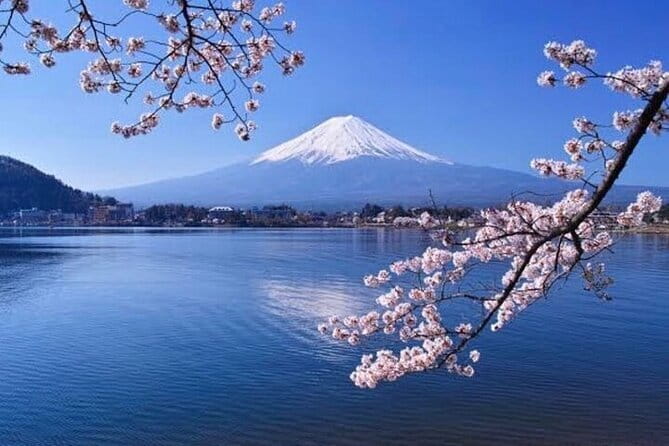
You begin at Lake Kawaguchiko with about 30 minutes to take in the view. Even if clouds roll in, Kawaguchiko gives you a sense of scale. When the weather cooperates, you can see how the lake and the mountain relate to each other, which helps later when you move up toward the 5th Station area.
Next comes Mt. Fuji 5th Station, the entrance point for people who climb Fuji. This is one of the most developed 5th stations, and it’s also where you’ll see cultural markers like the Komitake shrine. Your stop time is short, around 30 minutes, but it’s enough to orient yourself and connect the walk you’re about to do with the pilgrimage tradition behind it.
A practical note: this area can be busy in general, especially in good weather. The tour’s angle is to shift you from the crowd-heavy feel into the quieter rhythm of the trail walk and the mountain-hut break afterward.
The Ochudo Trail walk: 2.5 km of pilgrimage history
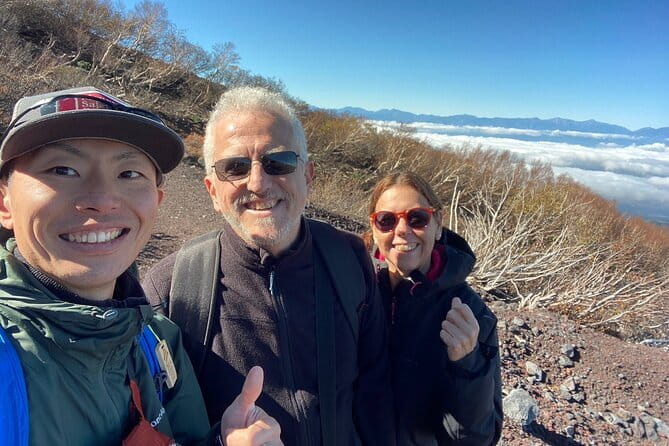
The highlight is the hike portion on the Ochudo Trail. You’re walking a 2.5 km (about 1.6 mile) segment that’s described as mostly flat with gentle slopes. That matters because it keeps the day from turning into a steep grind. You can focus on the path, the air, and the gradual shift in views as you move along.
There’s also an important context point here. The Ochudo Trail was once restricted to pilgrims with enough prior climbs, and that rule reflects how serious and ritualized these journeys were. Now only part of it is open due to safety issues, but you still get the “pilgrim path” experience without needing summit-level preparation.
Expect a pace that matches the setting. This isn’t about power-walking. The tour encourages you to take your time. In practice, that means you’ll have room to stop when the view is good, listen to the guide’s story, and catch your breath without rushing.
Fuji Subaru Line and transit time you can actually use
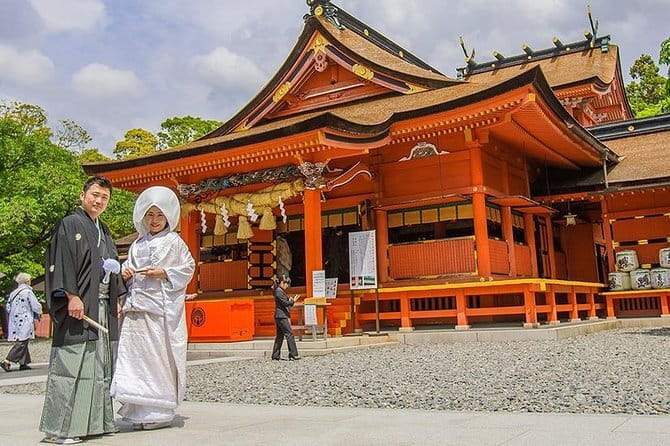
Between the trail-related stops, you’ll ride along the Fuji Subaru Line area for stretches of about 45 minutes (it appears twice in the flow). This is the practical part of getting from lake level up into the Fuji 5th Station region.
Here’s how I’d think about it: transit time isn’t wasted time if your guide is using the ride to frame what you’re about to see. Even short drives help you connect the dots between the lake, the developed station area, and the trail route that follows.
Because the tour is private, the schedule is likely to feel smoother. It’s still a fixed itinerary, but private transportation tends to mean fewer awkward waits and less “everyone stand here” energy.
Okuniwa Nature Park and the Okuniwaso lunch break
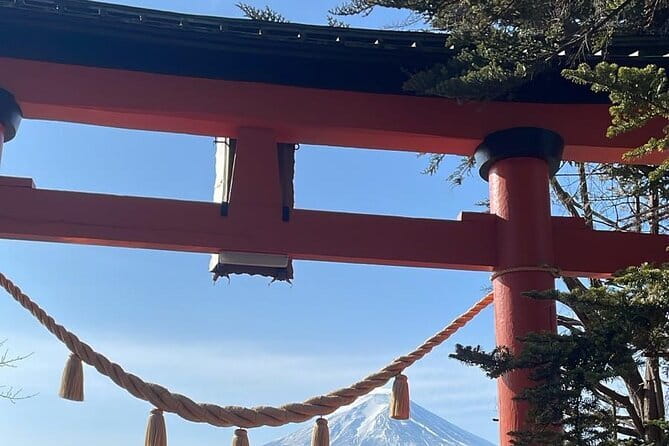
After your trail time, you’ll head to Okuniwa Nature Park, with about 1 hour 30 minutes there. The plan is a lunch break at Okuniwaso, a mountain hut with a traditional Japanese atmosphere.
This is where you slow down. You’re not just eating. You’re taking a pause that fits the setting: mountain air, warmer food, and a place that feels like it belongs to Fuji’s pilgrimage world.
One key detail to plan around: lunch is not included. Expect to pay 1,000–3,000 yen per person. Also, the meals are Japanese and not vegetarian-friendly. If you’re vegetarian, it’s a good idea to think ahead about how strict you need to be, since the specific menu items aren’t described in a way that guarantees vegetarian options.
If you do eat meat and fish normally, the menu described includes classics like tempura, udon, and soba. You’ll also want to bring some cash, since the tour notes cash for the meal.
Guide Yuki and the story-driven approach that feels personal
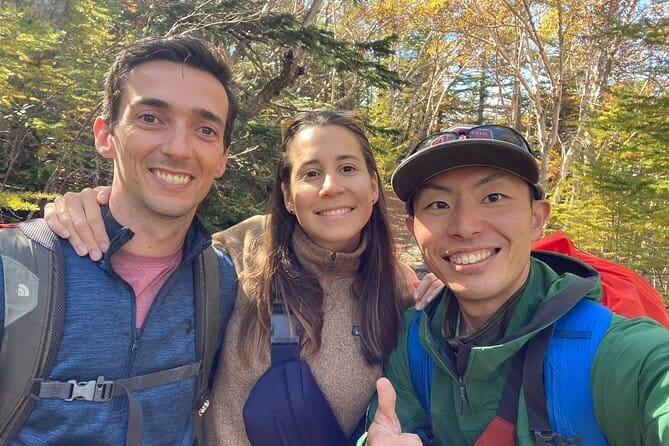
The reason this tour earns repeat praise is the way guide Yuki works the day. In the reviews, the pattern is consistent: Yuki’s English is strong, and he has a way of telling Fuji stories that makes the mountain feel less like a postcard and more like a living place with rules, legends, and human history.
He also paces the tour around you. That matters on Fuji days because weather can change fast, and crowds can shift. One review highlights that Yuki offered alternative solutions for the itinerary when the weather was part of the equation. That flexibility is a real value in the Fuji area, where plans can get disrupted without warning.
If you want the summit experience without the summit effort, a guide who explains what you’re seeing is the difference between seeing scenery and understanding it. Yuki seems to focus on culture, nature, and sacred context, then tie it back to what you’re walking toward next.
And yes, it’s still fun. The tone described is upbeat and easy to talk with, which makes a private tour feel like a real day out instead of a checklist with a driver.
Gear, weather, and pacing tips that keep it easy
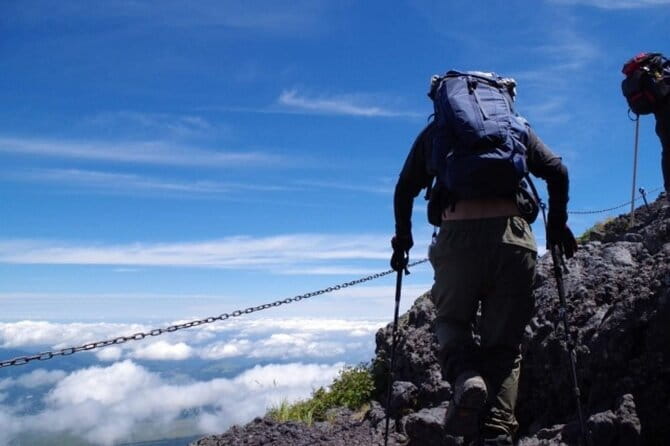
You’ll be given free rental equipment. That includes hiking shoes, rainwear (mainly for adults), and trekking sticks. This is a big deal for value, especially if you don’t want to buy shoes that only get used once.
The tour also says it’s suitable for all ages and fitness levels. That doesn’t mean it’s zero-effort. You’re still walking 2.5 km on a mountain trail section. But the “mostly flat with gentle slopes” description signals that it’s designed for comfort and broad participation.
Weather is a key factor here. The experience requires good weather, and if it’s canceled due to poor conditions you’ll be offered a different date or a full refund. On a mountain like Fuji, this is sensible. Clear conditions are what turn views into memories.
My practical advice: wear layers and expect temperature swings. Bring the rainwear even if the forecast looks okay, since Fuji weather can change quickly.
Price: what you pay for and what you save on
At $143.34 per person, this is not the cheapest way to see Mt. Fuji. It is, however, a strong value for a private guided experience that includes actual trail time plus logistics handled for you.
Here’s what’s covered:
- Private transportation
- Mt. Fuji entrance fee (2100 yen per vehicle)
- Free rental gear (hiking shoes, rainwear, trekking sticks)
- Mobile ticket
- The tour’s built-in stops and access described in the schedule
What’s not included:
- Lunch (1,000–3,000 yen per person), with Japanese-only options and limited vegetarian fit
- Insurance
The cost makes sense if you’re traveling with another person and want to avoid buying gear, wrangling transit, and joining a large group. The tour is also a good fit if you want cultural explanation without committing to an all-day summit climb.
One more value note: minimum participation is 2 people, so if you’re solo, you’ll need to confirm how the “private” format works for your travel plans.
Who this tour fits best
This tour is ideal if you want Mt. Fuji’s spiritual and historical side without the physical and time demands of going all the way up.
It’s especially good for:
- People who are short on time but still want a real walk, not just viewpoints
- Travelers who like guided context and want the meaning behind the place
- Anyone who doesn’t have hiking shoes or trekking poles and prefers to rent gear
- Couples and small groups who want privacy and a pace that isn’t controlled by a crowd
If you want a hardcore training hike or you’re determined to reach the summit, this isn’t that trip. This is a purposeful pilgrim-path walk, and it stays within the trail segment that’s open for safety.
Should you book this Mt. Fuji pilgrim paths private tour?
I’d book it if you want a Fuji day with three ingredients: a manageable hike, a guide who explains what you’re seeing, and the chance to take a calm break at a mountain hut.
The main reason to say yes is the combination of private pacing plus a 2.5 km Ochudo Trail section that’s built for most fitness levels. The “free gear” also removes two common travel headaches: finding shoes that work and figuring out how to carry poles on the way to the mountain.
The main reason to hesitate is lunch and diet. The Okuniwaso meal break is Japanese-only and not vegetarian-friendly, and it costs extra. If that doesn’t work for you, you may want a different plan.
If your goal is a Fuji experience that feels grounded in place, not just a photo mission, this tour fits the bill. Bring cash for lunch, dress for mountain weather, and let Yuki steer you through the quieter side of Fuji.
FAQ
Is pickup included?
Pickup is offered, but the tour is available only for clients who are coming to the Kawaguchiko area themselves or already staying in that area.
How long is the tour?
The duration is about 5 to 6 hours.
How much walking is involved?
You’ll hike a 2.5 km (about 1.6 mile) section of the Ochudo Trail. The path is mostly flat with gentle slopes.
What is included in the price?
Included items are private transportation, Mt. Fuji entrance fees (2100 yen per vehicle), and free rental equipment such as hiking shoes, rainwear (mainly for adults), and trekking sticks.
What about lunch?
Lunch is not included. You’ll stop at Okuniwaso for a Japanese lunch, and it costs about 1,000–3,000 yen per person. You should bring some cash, and the menu is not vegetarian-friendly.
Are there options for people without hiking equipment?
Yes. The tour provides free rental gear, including shoes, rainwear, and trekking sticks, so you don’t need to bring your own.
What months is the tour available?
It runs from May to December.
What happens if weather is bad?
The experience requires good weather. If it’s canceled due to poor weather, you’ll be offered a different date or a full refund.