REVIEW · HOKKAIDO
3.5hours Primeval Forest Snowshoe hike and Wildlife Watching Tour
Book on Viator →Operated by Picchio Shiretoko · Bookable on Viator
Primeval forest snow can change your whole mood. This 3.5-hour Shiretoko tour takes you off the usual routes, following paths made by wild animals and using snowshoes when conditions allow. You’ll also get guided stops that connect winter forest walking with the frozen drama of the Sea of Okhotsk.
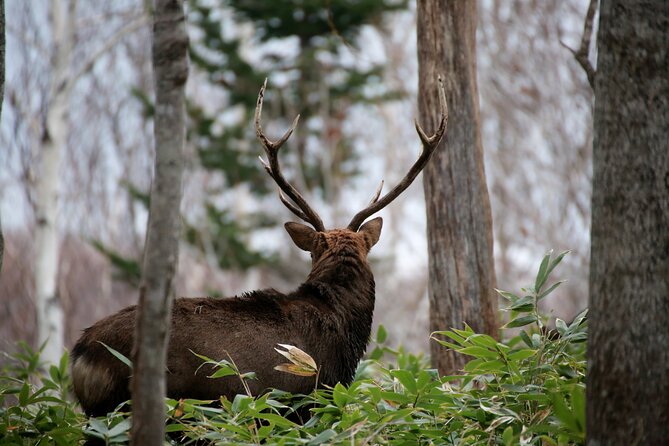
The two things I like most are simple: you walk through true wilderness-feeling forest instead of a tame, manicured trail, and you have a real chance of spotting winter wildlife signs and animals like Ezo Sika deer and Ezo red foxes. Even when you don’t see animals directly, the experience teaches you how to read what’s on the snow.
One thing to consider: this is weather-dependent. If snowfall or conditions aren’t right, plans may change or the tour may be rescheduled, so you’ll want to keep your day flexible and dress for cold.
In This Review
- Key things you’ll remember from this Shiretoko snowshoe hike
- Shiretoko’s winter feeling starts the moment you leave the normal trail
- Price and what you’re actually getting for $55.52
- Getting to the trailhead: the Utoro-Shirietoku rest area works well
- The heart of the tour: animal-made paths, snowshoes, and track-reading
- What wildlife watching feels like in the real moment
- Tears of Man: the frozen waterfall stop that breaks up the forest walk
- Sea ice on the Sea of Okhotsk: the view that turns winter into a scene
- Timing, group size, and why they make the hike feel calm
- What to wear and bring (so you enjoy it, not just survive it)
- Who this tour fits best
- Should you book this Shiretoko snowshoe and wildlife tour?
- FAQ
- How long is the Primeval Forest Snowshoe hike and Wildlife Watching Tour?
- Where does the tour start and end?
- Is pickup offered?
- Does the tour use snowshoes?
- What wildlife might you see?
- Who can join the tour?
- How many people are on the tour at once?
- What’s the price?
- Is it near public transportation?
- What happens if weather is poor?
Key things you’ll remember from this Shiretoko snowshoe hike
- Off-beat routes: you follow paths originally created by wild animals, so the walk feels less scripted
- Snowshoe time when there’s enough snow: you can walk confidently over deeper snow
- Wildlife watching with high attention: expect frequent chances to see animal tracks and, sometimes, animals
- The frozen waterfall stop: Tears of Man becomes a winter landmark
- Sea-ice scenery: when sea ice forms, the Sea of Okhotsk can look like a frozen field from the Shiretoko Mountains
Shiretoko’s winter feeling starts the moment you leave the normal trail
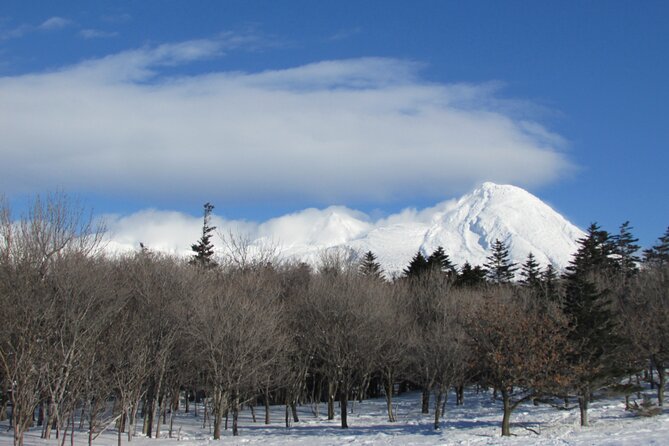
Shiretoko is famous for wild nature, but this tour targets the part most visitors skip: the in-between spaces. Instead of sticking to the most obvious paths, you’re guided onto routes that wild animals themselves have been using. That means the forest doesn’t feel like a theme park. It feels like you walked into the middle of a real ecosystem.
What I find especially valuable is the way this changes your pace. Walking on an animal-made line encourages you to slow down, watch where you place your feet, and notice details on the snow. In winter, those details matter—tracks, disturbed crust, and small patterns tell you the forest is alive even when everything looks still.
The tour is also built for short, focused time. At about 3 hours 30 minutes, you’re not stuck out all day in the cold, but you still cover enough ground to feel like you actually got into the primeval forest.
You can also read our reviews of more tours and experiences in Hokkaido.
Price and what you’re actually getting for $55.52
At $55.52 per person for roughly 3 hours 30 minutes, the value comes from the combination of guide-led wildlife watching plus snowshoe access when conditions allow. You’re paying for local know-how—how to move safely in snowy forest, where the winter points of interest are, and how to keep the group together without turning this into a fast hike.
Another reason it feels like good value: the group is kept small, with a maximum of 8 travelers. That matters because in wildlife watching, smaller groups can mean more quiet, fewer blocked views, and easier guide attention when someone spots tracks.
Also, pickup is offered, which can save you time and stress. You start at a clear, defined meeting point and return there at the end—simple, with no long transfers added.
Getting to the trailhead: the Utoro-Shirietoku rest area works well
You meet at the Roadside Rest Area Utoro-Shirietoku at 186-8 Utoronishi, Shari, Shari District, Hokkaido 099-4354, Japan. The tour also ends back at this same place.
Why this matters: a fixed meeting point makes your planning easier, especially in winter. You can build your schedule around a known location, rather than trying to coordinate multiple stops. The start area is also described as near public transportation, which gives you a couple of options if you’re not driving.
If you’re using pickup, I’d plan to arrive early and be ready about 10 minutes before the agreed pickup time. In a small group setup, those minutes help. Pickup can mean the guide is collecting people from nearby points, not just one straight shot, so don’t count on the bus arriving exactly to the minute.
The heart of the tour: animal-made paths, snowshoes, and track-reading
The main event is the walk through the primeval forests of Shiretoko. The guide leads you along routes that wild animals created over time. That’s the whole point: it gives you that wilderness feeling, where you’re not just observing nature from the edge of a prepared walkway.
The tour notes that if there’s enough snow, you’ll use snowshoes, letting you walk on deeper snow instead of sinking or postholing. That changes what you can experience. You can stay on the route the guide chooses, which is important if the goal is both safety and wildlife viewing.
One of the most “wow, winter is different here” details is this: you might even spot animal footprints on the surface of the snow. When you see that, you start noticing a pattern—where animals cross, how they avoid rough patches, and how their paths line up with the forest’s quiet logic.
Practical tip: keep your eyes down and forward. Tracks are often most visible when you’re watching the snow right in front of your boots, not scanning far ahead. And if your guide pauses, take that cue. In wildlife areas, stopping for a minute can make a big difference to what you notice next.
What wildlife watching feels like in the real moment
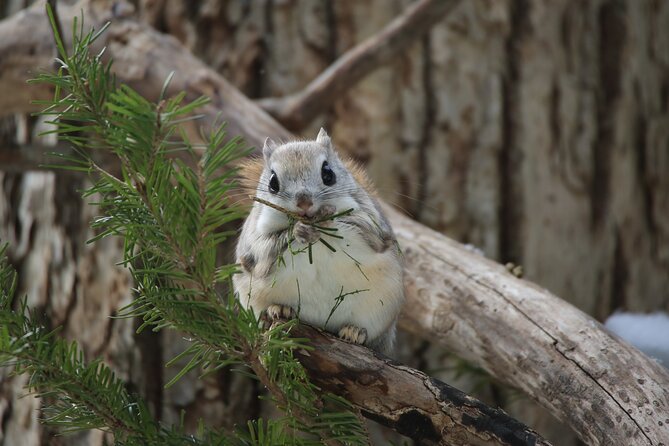
This tour is designed for wildlife chances, and the tour specifically calls out possible sightings of Ezo Sika deer and Ezo red foxes. Even when animals don’t show up, you’re still likely to find evidence—tracks and signs—because you’re walking animal routes.
In terms of what to expect: the guide’s job isn’t just to point and say there’s wildlife. It’s also to help you watch without crowding the moment. If something appears, the guide will keep the group moving in a way that protects both your sightlines and the animals’ comfort.
Tears of Man: the frozen waterfall stop that breaks up the forest walk
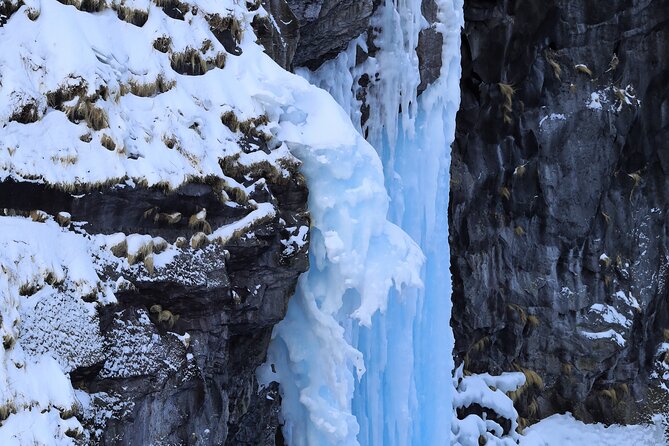
Midway through the winter forest time, you’ll be guided to a hidden waterfall called Tears of Man. In winter, it freezes, turning it into a cold, dramatic stop.
This is a key value point of the tour. Forest walking can become repetitive if every step is the same. A waterfall stop gives your brain a new reference. Instead of only focusing on tracks and snow texture, you get a winter feature—something solid and sculptural that also signals seasonal change.
It also gives the guide a chance to regroup the group, adjust timing to conditions, and help you stay comfortable. If the day is clear, you can usually get better sight and photo angles at a waterfall zone because the terrain opens up a bit.
One caution: frozen waterfall areas can be slick. You’ll want to keep a steady stride and let the guide set the pace, especially when you’re on patchy ice or hard-packed snow.
Sea ice on the Sea of Okhotsk: the view that turns winter into a scene
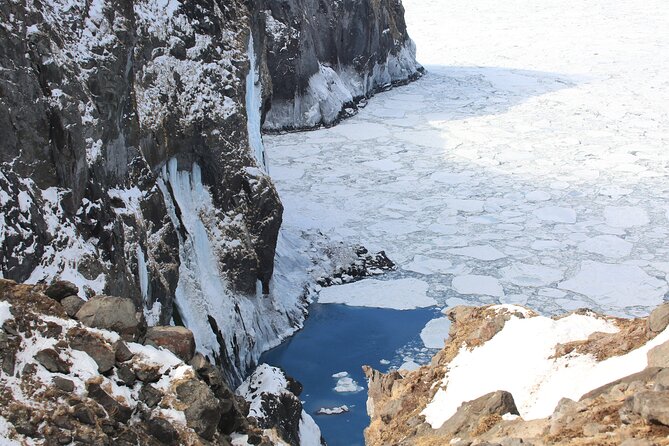
When sea ice arrives at the coast, a huge field of ice can form over the Sea of Okhotsk. The tour describes this as a breathtaking scene along the Shiretoko Mountains, which show up under silver-white snow.
This is the part that feels most “different from everyday hiking.” In many winter places, you get a quiet forest and maybe a distant ridge. Here, the ice can bring the entire horizon into the picture. It turns the coast into something almost unreal—like the ocean decided to become a frozen plain.
Why it matters for you: it adds variety to the day. You’re not only learning the forest. You’re also connecting it to the coastal system that shapes Shiretoko’s winter life. The ice is part of the same wilderness, just a different layer.
If you’re a photo person, you’ll likely appreciate this stop more than the average view. The ice field can create strong contrast, and the guide can help you orient your angle toward the mountains and the coast.
Timing, group size, and why they make the hike feel calm
At a maximum of 8 travelers, this is the kind of small group that can feel relaxed. You can ask questions without waiting for the guide to reach you, and when the group stops for wildlife signs, you’re not stuck behind a line of people.
The tour is also about 3 hours 30 minutes, which is long enough to feel like a real outing, yet short enough that most people can handle it as long as their fitness is moderate.
The tour sets a moderate physical fitness level requirement and an age minimum of 6 years old. That doesn’t mean it’s a race. It means you should be able to walk on snowy ground at a winter pace without needing frequent long breaks.
What to wear and bring (so you enjoy it, not just survive it)
The data doesn’t list gear provided, so plan as if you’re responsible for your comfort. For a snowshoe hike in Hokkaido winter, you’ll want:
- Warm layers you can adjust
- Gloves and a hat that cover well
- Waterproof or insulated footwear with good traction
- Sunglasses or goggles if it’s bright—snow glare can be intense
- A small bottle of water and a snack, since the hike is a few hours
Also, be ready for cold wind near coastal views and at the ice/water feature points. Winter in Shiretoko isn’t only about temperature; it’s about how the wind affects you when you pause to look.
Who this tour fits best
This is a great match if you:
- Like nature experiences that feel real, not staged
- Enjoy winter walking and don’t mind paying attention to small details like tracks
- Want wildlife chances but prefer a guide-led approach
- Are curious about Shiretoko in the off-hours of winter life, when the forest and coast change roles
It may be less ideal if you:
- Want only easy, wide, paved paths
- Need a guaranteed animal sighting
- Don’t handle winter weather well, since conditions affect what you do (snowshoe use depends on snow, and weather can lead to cancellation/reschedule)
Should you book this Shiretoko snowshoe and wildlife tour?
Yes, if you want a short winter adventure that blends primeval forest snowshoe walking with wildlife watching and the unusual winter features of Shiretoko. The small group size, the focus on animal-made paths, and the specific winter stops—Tears of Man and the potential sea-ice coast view—make it feel like more than a basic walk.
Book it especially if you’re the type who enjoys noticing what others miss: footprints on snow, subtle changes in the forest floor, and that moment when the coast turns into a frozen sheet.
If your schedule is tight, do yourself a favor and pick a date you can flex. Because this tour depends on good weather, having backup options helps you get the full experience.
FAQ
How long is the Primeval Forest Snowshoe hike and Wildlife Watching Tour?
It lasts about 3 hours 30 minutes.
Where does the tour start and end?
It starts at Roadside Rest Area Utoro-Shirietoku (186-8 Utoronishi, Shari, Shari District, Hokkaido 099-4354, Japan) and ends back at the same meeting point.
Is pickup offered?
Yes, pickup is offered.
Does the tour use snowshoes?
The tour will use snowshoes if there is enough snow.
What wildlife might you see?
The tour notes possible wildlife such as Ezo Sika deer and Ezo red foxes.
Who can join the tour?
The age requirement is 6 years or older, and it’s described as requiring a moderate physical fitness level.
How many people are on the tour at once?
The tour has a maximum of 8 travelers.
What’s the price?
The price is $55.52 per person.
Is it near public transportation?
Yes, it’s listed as near public transportation.
What happens if weather is poor?
This experience requires good weather. If it’s canceled due to poor weather, you’ll be offered a different date or a full refund. You can also cancel for free up to 24 hours in advance for a full refund.