REVIEW · HOKKAIDO
3 hours Snowshoe hike to “Furepe fall” and Wildlife Watching
Book on Viator →Operated by Picchio Shiretoko · Bookable on Viator
Frozen waterfall views feel close here.
This beginner-friendly winter hike in Shiretoko takes you on snowshoes toward Furepe Fall, where the falls turn into icy sculptures and, when you look the other way, the Sea of Okhotsk stretches out. There’s also a solid shot at wildlife sightings like deer, depending on conditions.
I love the fact that you get the right gear for deep snow and the guide keeps things moving at a pace that still works for beginners. I also like the winter transformation: Furepe Fall becomes blue icicles, and the wind-blown spray helps create strange, beautiful shapes against the Shiretoko mountains. One consideration is that the experience depends on good weather, so if conditions are rough, you may be offered a different date or a full refund.
In This Review
- Key things to know before you go
- Shiretoko’s winter payoff: Furepe Fall at ice level
- The 3-hour snowshoe plan (and what you’ll actually do)
- Gear, pace, and safety in real deep snow
- Wildlife watching: deer sightings are possible
- Drift ice and timing: when the Sea of Okhotsk steals the show
- Price and value: what $44.30 buys you in Shiretoko
- Who this snowshoe hike is best for
- Should you book the Furepe Fall snowshoe hike?
- FAQ
- How long is the snowshoe hike to Furepe Fall?
- Where do we meet for the hike?
- Is pickup offered?
- Are snowshoe or winter walking gear included?
- What physical fitness level do I need?
- When might I see drift ice?
- How many people are in a group?
Key things to know before you go
- Snowshoes and winter walking gear are handled so you’re not figuring out deep-snow basics on your own
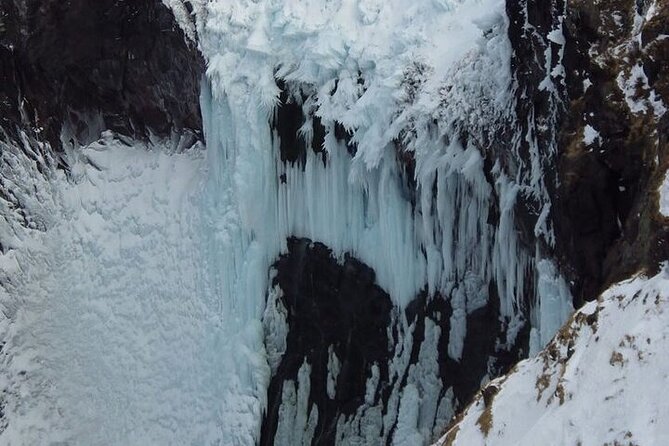
- Furepe Fall turns into blue icicles in winter, plus you’ll see the mist shaped by north winds
- Sea of Okhotsk views are part of the hike if you shift your gaze toward the coast
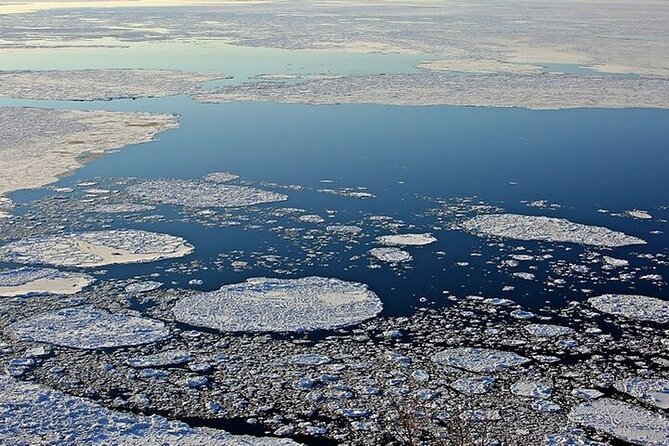
- Drift ice season runs from February to March and can add a dramatic frozen foreground
- Small groups (max 8) make the hike feel manageable even in snow and blizzard conditions
Shiretoko’s winter payoff: Furepe Fall at ice level
Hokkaido’s Shiretoko Peninsula has a way of making winter feel like a different planet. On this 3-hour snowshoe outing, the star is Furepe Fall—famous in winter because it freezes into forms you don’t normally see in photos. The falls can become blue icicles, and the spray, pushed by the north wind, turns into faint shapes you can almost read like weather art.
What makes this trip especially fun is the layered view. When you stop and look around, you’re not stuck facing only one scene. Behind the frozen falls, the Shiretoko mountain range rises in silvery white. And if you swing your attention toward the sea, the Sea of Okhotsk shows up as a wide, serious presence.
You’ll also be hunting atmosphere, not just views. During February through March, the area can be scattered with drift ice, and that changes the whole feel of the hike. Even if you don’t catch drift ice, the frozen waterfall look alone is usually enough of a payoff.
You can also read our reviews of more tours and experiences in Hokkaido.
The 3-hour snowshoe plan (and what you’ll actually do)
This is a focused, around-the-core experience. You meet at the Roadside Rest Area Utoro-Shirietoku (186-8 Utoronishi, Shari, Shari District, Hokkaido). From there, the group stays together and works its way toward Furepe Waterfall as the winter conditions dictate.
You can expect a rhythm like this:
- Gear fit and prep: You’ll use provided snowshoe-walking gear suited for deep snow. This matters because snowshoes aren’t just “extra gear.” They change how you step, balance, and breathe. Getting set up right makes the rest of the hike feel easier.
- A steady snowshoe walk: The pace is kept beginner-friendly, but you still need to be comfortable walking on snow. The goal is to keep you moving without rushing you into slips or panic.
- Stop at Furepe Fall: This is where the frozen show happens. You’ll see the waterfall turned into icy formations, including blue icicles in winter. You’ll also catch that wind-blown spray effect that creates ghostly shapes near the falls.
- Wildlife watching moments: As you hike and stop, you may get chances to spot animals like deer. The idea is to stay calm and observant so the landscape can reveal something to you.
- Return to the meeting point: The activity ends back where you started.
A key detail: this tour is designed to work even when weather gets gnarly. One of the best things you’re paying for is a guide-led outing that keeps the group safe while still letting you experience the scenery. If you’re a little nervous about snow walking, that support makes a real difference.
Gear, pace, and safety in real deep snow
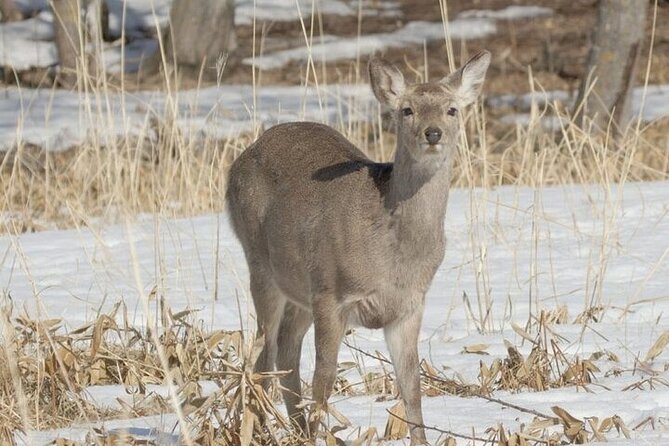
Winter snowshoeing sounds simple until you’re standing in deep powder. What I like about this course is that you’re not thrown into that learning curve with nothing but hope and warm gloves. You’ll be lent appropriate gear for walking in deep snow, which helps you avoid the common beginner problem: fighting the snow instead of walking through it.
The guide also sets a pace that works for beginners. That doesn’t mean it’s slow in a sleepy way. It means you’re not pushed into long, exhausting stretches that make footing worse. You get enough movement to feel warm, but you also get the time needed to look, pause, and adjust.
Safety is part of the experience, not a separate add-on. The outing has proven it can run even in harsh weather, including blizzard conditions, with the group staying together and following the guide’s lead. When you’re in Shiretoko winter, the weather can change fast. Having a small-team setup and an experienced guide is what keeps the whole thing fun instead of stressful.
Wildlife watching: deer sightings are possible
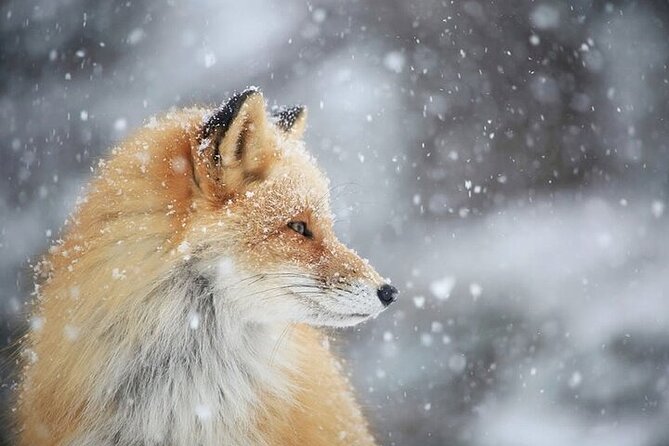
Wildlife in winter isn’t guaranteed, but this area gives you a fair chance—especially if you stay quiet and don’t rush the moment. The route has a reputation for bringing you close enough to notice deer along the way, when conditions allow.
Here’s how to maximize your odds without doing anything dramatic:
- Watch from a still stance during stops, not only while moving
- Look low and along edges where the terrain shapes matter in snow
- Listen. In winter, sounds travel and movements stand out
The best part is that wildlife watching isn’t treated like a separate hobby you must already be good at. It’s folded into the hike. If you catch deer, it feels like a bonus that makes the frozen waterfall scenery even more alive.
Drift ice and timing: when the Sea of Okhotsk steals the show
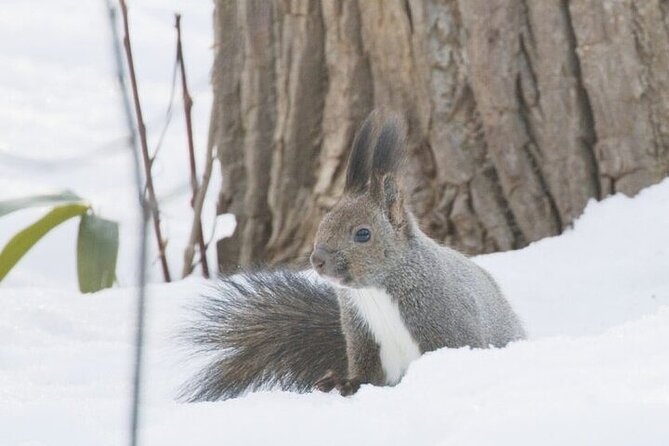
A big reason people pick this winter course is the seasonal shift from frozen waterfall to frozen sea. From February to March, you may see the Sea of Okhotsk covered with drift ice. That turns the view from “cold and pretty” into “wow, the whole world looks frozen at once.”
Even if you’re not there for drift ice, the Sea of Okhotsk is still part of the experience. The hike includes moments when you’ll see it after shifting your gaze toward the coast. That contrast helps: frozen waterfall up close, then the massive open horizon.
So think of timing like this:
- If you want the icy waterfall look, winter overall delivers
- If you want the drift ice scenery, target February to March
- If you want wildlife like deer, focus on being ready for cold and staying attentive, because sightings depend on conditions
Price and value: what $44.30 buys you in Shiretoko
At $44.30 per person for about 3 hours, this is a pretty good deal for what’s included. You’re getting a guided snowshoe walk in Shiretoko, plus gear lending for deep snow. You also have an option for pickup, and you’ll receive a mobile ticket.
The hidden value is the small group size: max 8 travelers. In winter, fewer people on the trail often means smoother pacing, easier safety management, and more chances to slow down for photos and viewing.
Another practical point: this tour is commonly booked about 59 days in advance. That doesn’t mean you can’t find space late, but it does suggest demand is real during peak winter. If your dates are firm, booking earlier gives you better odds.
Who this snowshoe hike is best for
This activity is listed as beginner-friendly, and the way it’s run supports that. You should feel comfortable with a moderate fitness level, because you are still hiking on snow. But it’s not a technical climb. It’s about steady walking, guided timing, and staying balanced.
You’ll probably enjoy this most if:
- You want a winter view of Furepe Fall without needing advanced snow skills
- You’re interested in the Sea of Okhotsk and seasonal drift ice
- You like the idea of wildlife spotting as a bonus, not a hard promise
- You’d rather be guided through deep snow than figure everything out yourself
If you hate being cold, or if you’re not willing to walk in snow for a few hours, then you’ll likely feel the discomfort more than the payoff.
Should you book the Furepe Fall snowshoe hike?
If your goal is an efficient, high-impact Shiretoko winter experience—frozen waterfall views, sea views, and a chance at deer—this is an easy yes.
Book it if you:
- Want gear support and a pace that fits beginners
- Enjoy short outings that still feel substantial
- Are visiting during winter and want to see the area’s frozen character in one go
Skip it only if you’re likely to bail the moment weather turns bad, because this experience requires good conditions and may be rescheduled if conditions are poor. That said, the fact that it can run even in rough conditions is exactly why this style of guided hike is worth considering.
FAQ
How long is the snowshoe hike to Furepe Fall?
The experience runs about 3 hours.
Where do we meet for the hike?
You meet at the Roadside Rest Area Utoro-Shirietoku (186-8 Utoronishi, Shari, Shari District, Hokkaido).
Is pickup offered?
Pickup is offered.
Are snowshoe or winter walking gear included?
Yes. You’ll be lent appropriate gear for walking in deep snow.
What physical fitness level do I need?
A moderate physical fitness level is recommended.
When might I see drift ice?
Drift ice season is noted from February to March.
How many people are in a group?
The tour has a maximum of 8 travelers.
If you tell me your travel month and starting location in Shiretoko, I can suggest the best time window for the waterfall and drift-ice odds.