REVIEW · CHIANG MAI
Chingmai Sunrise Hike & Cultural Traditions
Book on GetYourGuide →Operated by Summit Hike in Doi Suthep-Pui National Park · Bookable on GetYourGuide
Sunrise on Doi Suthep is worth the alarm. This Chiang Mai sunrise hike pairs panoramic temple views with a real cultural moment—early-morning almsgiving—plus a forest walk to Montha Than Waterfall. I especially like how the schedule aims for quiet time, so the temple and village don’t feel overrun.
The other big win is the day has real variety: temple visits, a hill tribe market stop, scenic mountain coffee, and a 2 km nature walk. The one drawback to plan for is that visibility can be hit-or-miss on hazy or polluted mornings, and the hike heat can be harder in warmer seasons.
In This Review
- Key things to know before you go
- Doi Suthep Sunrise: the quiet temple moment on a mountain
- Almsgiving with monks: a simple ritual that feels real
- Hmong village coffee and market time: culture you can taste
- Wat Pha Lat: spirits, viewpoints, and a quick temple reset
- Montha Than Waterfall: a 2 km forest walk with the right kind of challenge
- Scenic breakfast on the plateau: the best kind of fuel
- Lunch back in Chiang Mai: local, simple, and timed well
- Price and value: what $70 covers in one organized day
- Who this tour fits best (and who should rethink it)
- Should you book Chingmai Sunrise Hike & Cultural Traditions?
- FAQ
- How long is the tour?
- Where do you get picked up?
- What language is the guide?
- Is lunch included?
- How much walking is involved at Montha Than Waterfall?
- What’s the cancellation policy and payment option?
Key things to know before you go
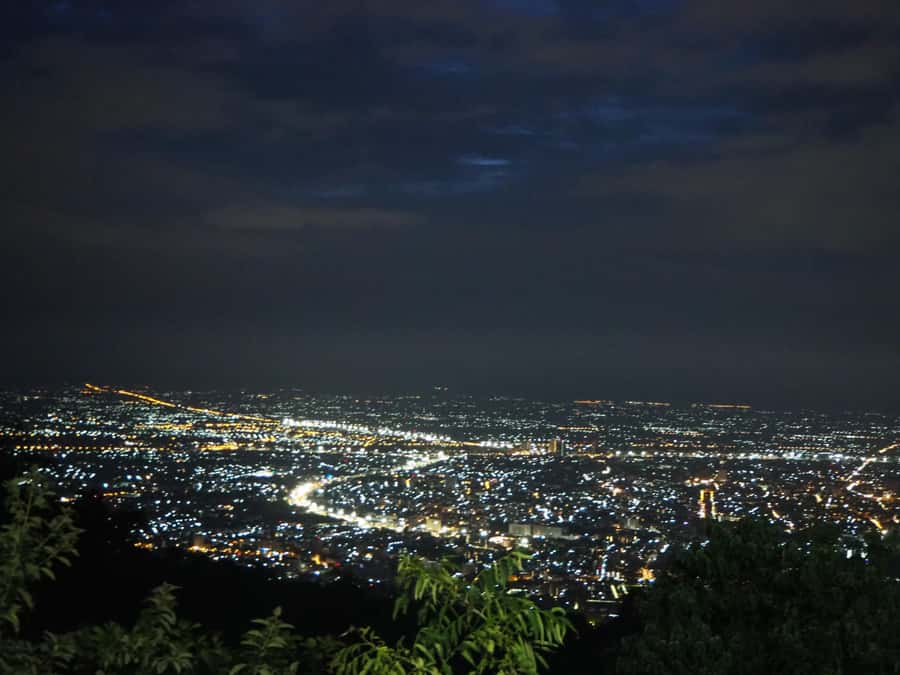
- Wat Phra That Doi Suthep at sunrise: iconic temple perched on the mountain with early, calmer viewing
- Traditional almsgiving: offer food to monks and receive blessings in a respectful setting
- Hmong village stop: coffee/tea break plus food and arts-and-crafts market time
- Montha Than Waterfall trek: a gentle 2 km forest walk with a real waterfall payoff
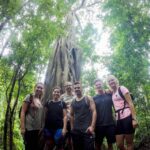
- Small-group feel is possible: some days can feel close to private depending on who’s booked
- Guide-led pacing: you’ll be able to move at a manageable speed rather than racing the group
Doi Suthep Sunrise: the quiet temple moment on a mountain
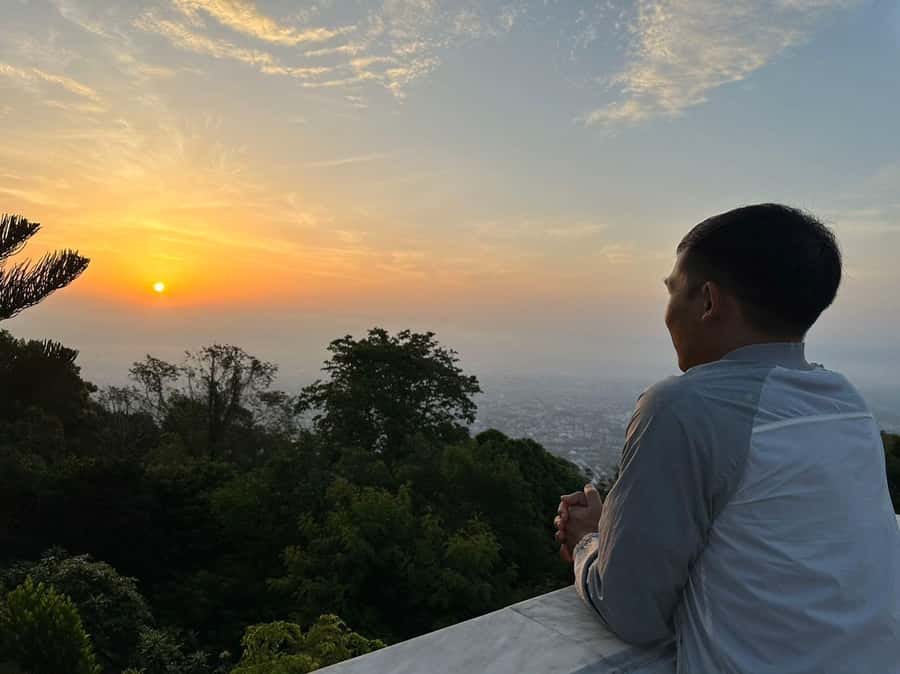
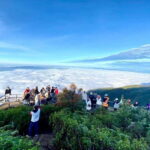
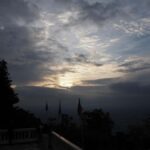
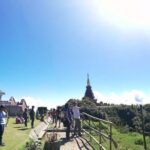
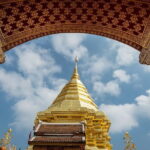
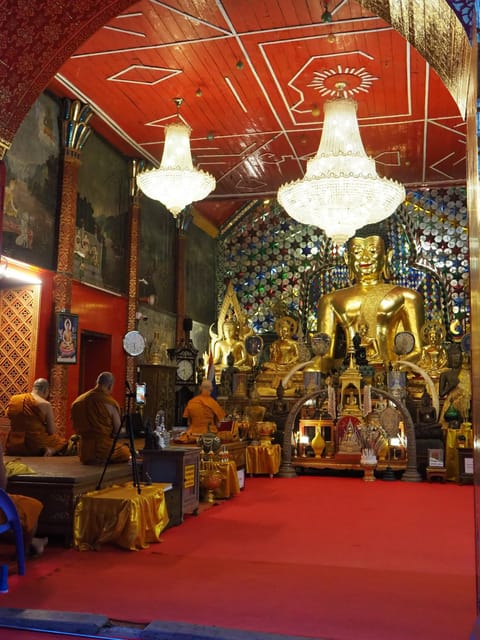
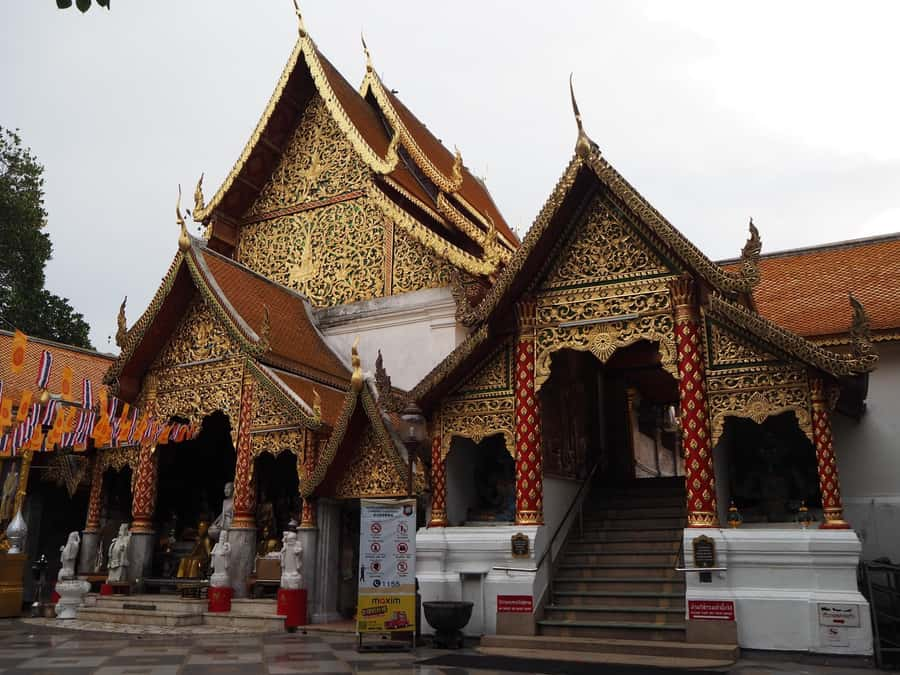
Your day starts with pickup in Chiang Mai, typically from places within about 1 km of the old town area. Then you head up to Wat Phra That Doi Suthep, one of Chiang Mai’s most recognizable temples. The tour includes a guided visit plus a photo stop timed for sunrise, so you’re not just arriving after the best light is gone.
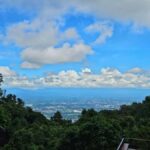
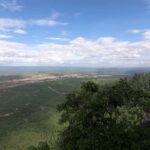
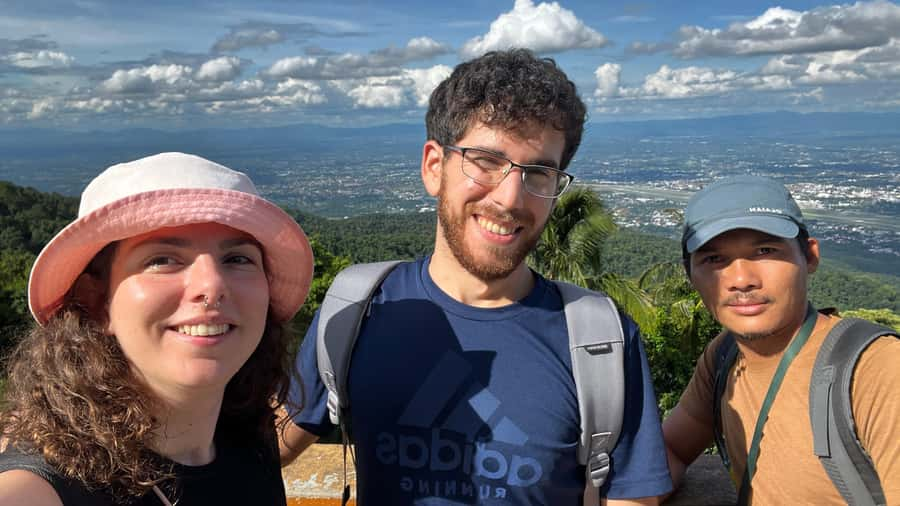
What you’re really paying for here is the combination of altitude timing and crowd timing. Doi Suthep gets plenty busy later in the day, but at sunrise you’re more likely to catch the temple in a slower, more reverent mood. The view over the city and surrounding mountains is the payoff, and the best part is how the whole morning feels before the day fully starts in town.
Practical tip: sunrise mornings can feel cold early, even if Chiang Mai later warms up quickly. Bring a light layer you can peel off, and plan for some walking on temple grounds before the hike sections.
You can also read our reviews of more tours and experiences in Chiang Mai.

Almsgiving with monks: a simple ritual that feels real
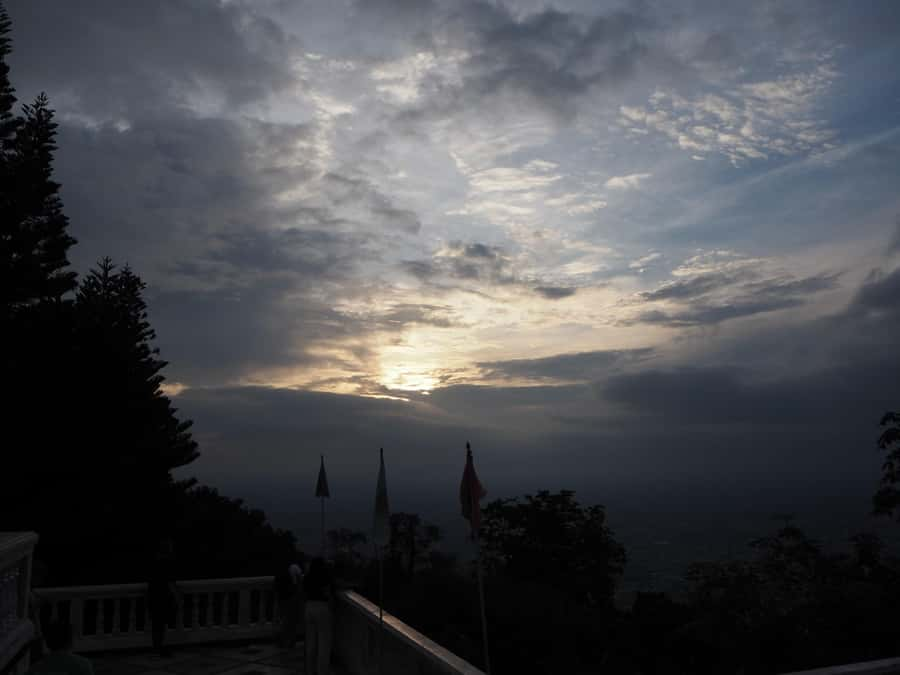
After the sunrise temple time, the tour moves into traditional almsgiving. This is one of the most meaningful parts of the day because it’s not a staged photo moment—you’re offering food to monks, then receiving their blessings as part of the ritual.
Why it matters: almsgiving is part of daily Buddhist life, not just a tourist performance. With a guide, you’ll know when to follow along, what the gesture means, and how to behave respectfully. You’re also getting a peek at Thai culture beyond temples-as-sights.
Practical tip: dress modestly and comfortably. Even if you’re outdoors and moving, keep shoulders and knees covered at temple sites so you blend in and avoid unnecessary attention.
Hmong village coffee and market time: culture you can taste
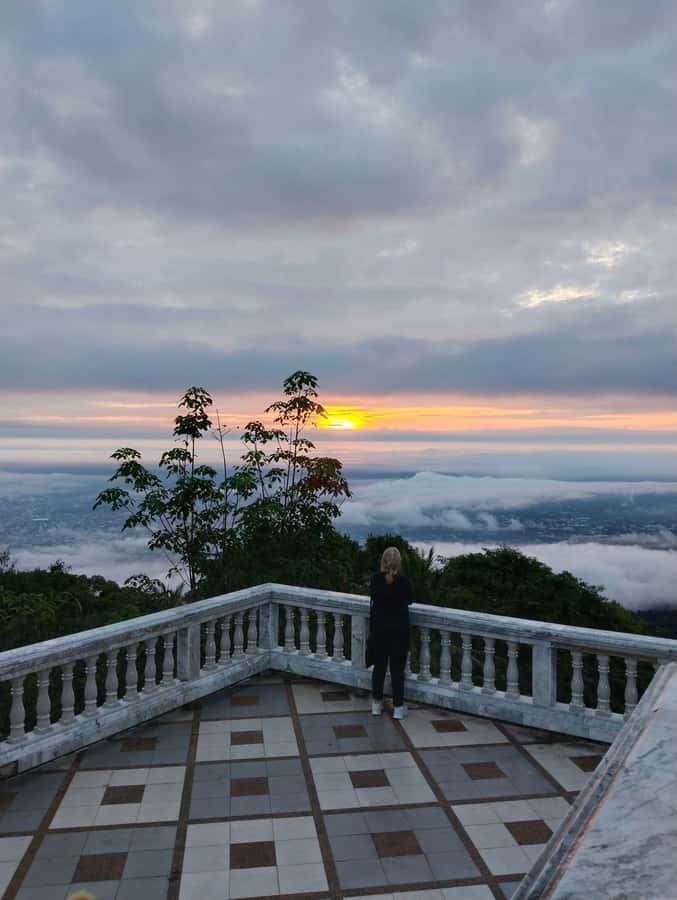
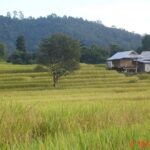
Next comes the hill tribe visit—listed as an Hmong village stop. Expect photo time, a guided introduction, and time to walk around the area. There’s also a coffee/tea break, with freshly prepared mountain coffee and a traditional breakfast on a scenic plateau.
This part is about more than souvenirs. You’ll have food market and arts-and-crafts market time, which is where you can see what people actually make and sell day to day. One detail worth anticipating: you might get a chance to try small local activities included with the experience, like bamboo crossbow shooting, depending on how the program runs that morning.
Practical tip: eat and drink here before the waterfall trek. The coffee and breakfast help you stay fueled for the walking, and they’re also where you get that crisp mountain-air feeling.
Wat Pha Lat: spirits, viewpoints, and a quick temple reset
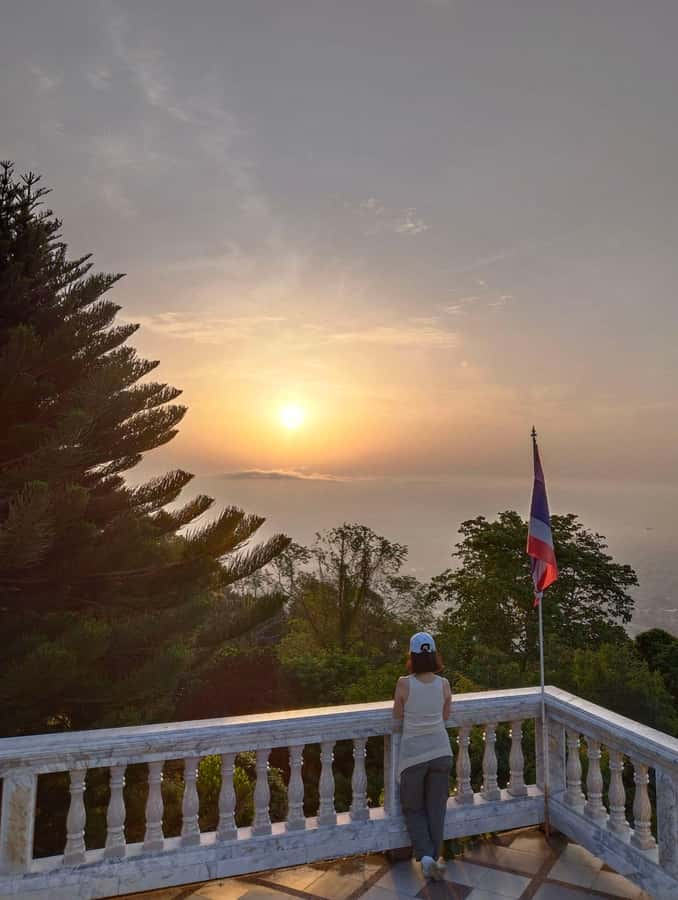
After the village segment, you’ll visit Wat Pha Lat. Like the other temple stop, it includes a guided visit and some walking through the area. The description mentions spirits, which usually means you’ll be pointed toward places where offerings and symbolic practices happen around the temple grounds.
This stop works like a reset between the cultural village time and the outdoor hike. It’s shorter than Doi Suthep, but it keeps your morning grounded in how Thai religious life shows up in daily spaces—not just at the big headline temple.
Practical tip: bring your camera, but also be ready to slow down. These sites make more sense when you’re looking at the details your guide points out, not only photographing the obvious angles.
Montha Than Waterfall: a 2 km forest walk with the right kind of challenge
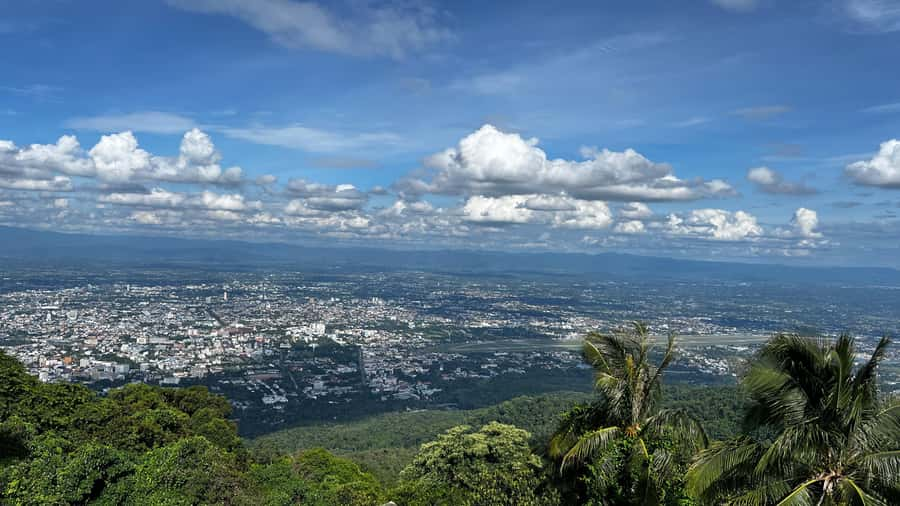
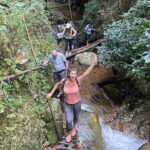
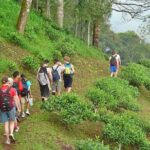
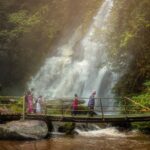
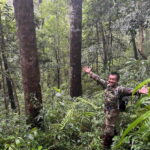
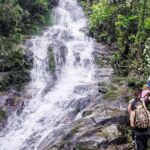
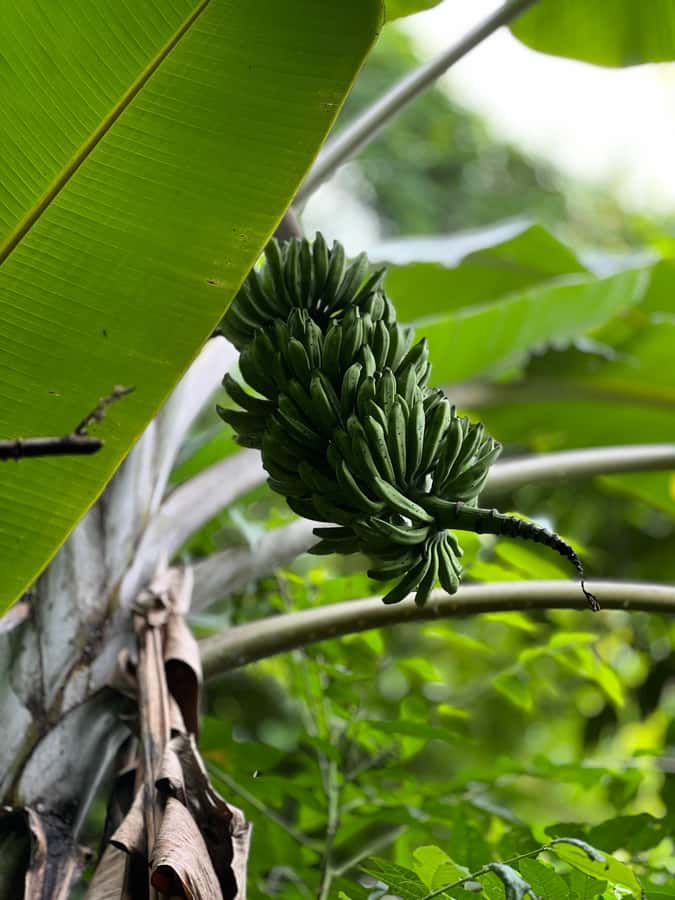
The outdoor highlight is Montha Than Waterfall. You’ll do a gentle 2-kilometer trek through lush forest, shaded for much of the walk, with birds and leaves filling the quiet stretches. The waterfall is your endpoint and reason to push on, even if you’re not a hardcore hiker.
The big “read this before you go” point is that the hike can feel easier or harder depending on conditions. One strong clue from the experiences shared is that after the rainy season, hikers often report overcast skies that can make walking more comfortable. In hotter, drier months, expect more heat and a slower pace.
Practical tip: wear proper shoes. Even if the distance sounds short, you’re on uneven paths and climbing sections can surprise you after the waterfall route begins. Bring water too—your tour includes a water bottle, but it’s still smart to sip steadily from it.

Scenic breakfast on the plateau: the best kind of fuel
A lot of tours in Chiang Mai show up, snap photos, and then rush to the next spot. This one gives you time to sit and refuel on a mountain plateau. You’ll enjoy freshly brewed mountain coffee and a traditional breakfast with a view.
Why this works: it’s not just a caffeine break. That early meal helps you avoid the crash that often hits mid-morning, especially before you move from temples into a real walk. It also makes the whole day feel less like a checklist.
Practical tip: if you’re sensitive to caffeine, have a smaller serving or take your time. You’ll likely be walking and sweating soon after, so don’t overdo it.
Lunch back in Chiang Mai: local, simple, and timed well
After the waterfall trek, you drive back toward town. Lunch is included, and it’s framed as a local restaurant experience. Some people also describe lunch in a mountain setting with views earlier in the day, so the exact venue can vary with timing and route, but the theme stays the same: good, local food that isn’t trying too hard.
This lunch stop is important because it’s the end of the physical portion. You’ll want that steady Thai comfort food after a morning that mixes stairs, temple walking, and a forest trek.
Price and value: what $70 covers in one organized day
At $70 per person for about 7 hours, this tour is priced for value in a very practical way. You’re paying for several things at once:
- Transportation between multiple mountain stops
- A live guide who speaks English and Thai
- Included meals (lunch plus breakfast/coffee as part of the plateau segment)
- A small bundle of essentials like a water bottle
The best value isn’t just the money saved. It’s the reduced friction. Sunrise timing matters, and it’s hard to coordinate Doi Suthep, temple visits, a hill tribe village, and a waterfall trek efficiently on your own—especially if you want a guided explanation for the cultural parts like almsgiving.
Bottom line: if you want a structured day with minimal planning and a guide to connect the dots, the price feels fair.
Who this tour fits best (and who should rethink it)
This experience is a strong match if you want:
- Sunrise photography and quieter temple time
- Real cultural moments like almsgiving
- A mix of culture + outdoors without a long, punishing hike
- A guide to explain what you’re seeing at temples and in the village markets
It may be less ideal if:
- You’re sensitive to early mornings and long drives (this day starts early by design)
- You’re counting on a perfectly clear skyline every time (morning haze can happen)
- You want only easy walking all day with zero climbing sections
Should you book Chingmai Sunrise Hike & Cultural Traditions?
I think you should book it if you like your Chiang Mai days to feel purposeful: temple at dawn, culture you can participate in respectfully, then a real nature break that ends at a waterfall. The tour is also a good choice if you want a guide-led schedule that reduces decision fatigue.
If you’re booking based purely on sunrise views, keep expectations flexible on haze or pollution days. And if you’re fit enough for short distances with some climbs, you’ll be happiest with the pacing.
If that sounds like your style, this is a smart use of one day in Chiang Mai.
FAQ
How long is the tour?
The tour runs for about 7 hours.
Where do you get picked up?
Pickup is included from your place, as long as you are within 1 km of Chiang Mai old town.
What language is the guide?
The live guide speaks English and Thai.
Is lunch included?
Yes. Lunch is included, along with a water bottle and transportation.
How much walking is involved at Montha Than Waterfall?
You’ll do a gentle 2-kilometer trek through forest to reach the waterfall area.
What’s the cancellation policy and payment option?
You can cancel up to 24 hours in advance for a full refund, and you can reserve now & pay later to keep plans flexible.