REVIEW · CHIANG MAI
Chiang Mai: Doi Inthanon Hiking & Elephant Sanctuary Program
Book on GetYourGuide →Operated by Living Green Elephant Sanctuary Chiang Mai and Chonburi · Bookable on GetYourGuide
Elephants and high mountains in one day. What makes this program special is the mix of an ethical elephant sanctuary and a real hike in Doi Inthanon. I love getting hands-on time with rescued elephants (no riding, no chains, no performances) and then walking the Pha Dok Siew trail with rice terraces and waterfalls. One drawback to plan for: it’s a long stretch, and Doi Inthanon can get cold fast at higher elevations.
You’ll travel with a small English-speaking group (up to 12) and you’re not stuck figuring out logistics between stops. The day also includes lunch (Pad Thai) and a Karen hilltribe organic coffee farm stop, which breaks up the pace from elephants and temple sights. Do bring swimwear and a change of clothes—elephant bathing is part of the fun, and you’ll want to be ready.
In This Review
- Key things that make this day worth it
- Living Green Elephant Sanctuary: The ethical highlight that sets the tone
- Mo Hom clothing, feeding, and bathing (and why those rules matter)
- Your elephant guide can change, but the job stays the same
- Pad Thai lunch and the sanity check before Doi Inthanon
- Doi Inthanon National Park: Summit views and the Twin Pagodas
- Pha Dok Siew nature trail: waterfalls, rice terraces, and real trail time
- Karen hilltribe organic coffee farm: culture you can taste
- Transportation and the 07:00–19:00 reality check
- Price and value: why $56 can feel like a deal
- Who should book this day, and who should skip it
- Should you book this Doi Inthanon and Elephant Sanctuary day?
- FAQ
- What’s the duration of the Chiang Mai Doi Inthanon Hiking & Elephant Sanctuary program?
- Does the tour include hotel pickup and drop-off?
- Can I ride the elephants?
- Is elephant bathing optional?
- Is lunch included?
- What are the entrance fees for Doi Inthanon National Park and Phra That?
- How big is the group?
- What should I bring, especially for the elephant part and hiking?
- Is free cancellation available?
Key things that make this day worth it
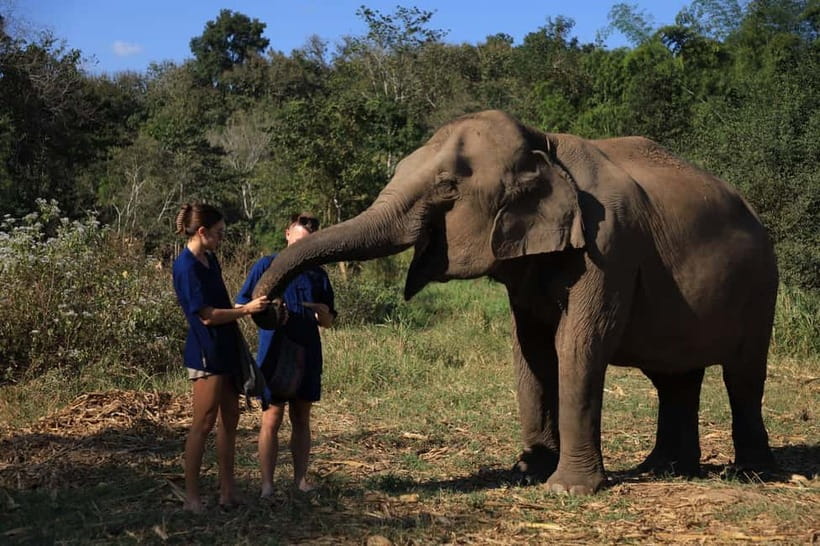
- No riding, no chains, no shows at the elephant sanctuary, with caretakers guiding respectful interaction
- Mo Hom clothing and elephant stories help the visit feel personal, not like a photo stop
- Doi Inthanon’s summit plus Twin Pagodas gives you big views and a calm break from hiking
- Pha Dok Siew trail pairs cool forest air with rice terraces and waterfall scenery
- Organic Karen coffee farm adds culture and a taste of northern Thailand beyond temples
Living Green Elephant Sanctuary: The ethical highlight that sets the tone
The day starts near Chiang Mai, with a drive that slowly trades city noise for rural roads, rivers, and fields. When you arrive at the Living Green Elephant Sanctuary, the vibe is different from the usual elephant circus you see elsewhere. This is a place designed for rescued elephants to roam and for caretakers to focus on their wellbeing.
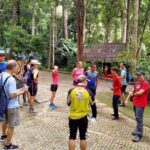
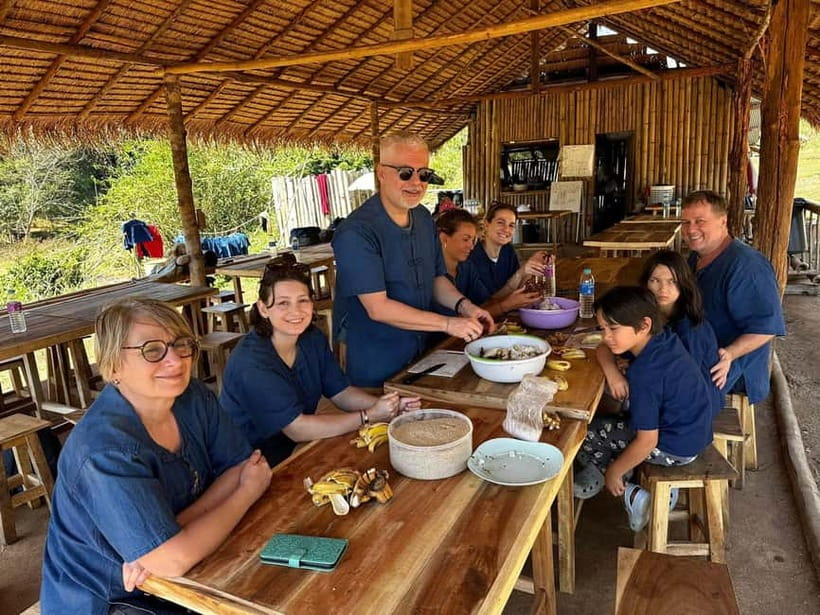
You’ll join the group for a briefing and then change into traditional northern Mo Hom clothing. That small detail matters more than you’d think: it signals that you’re stepping into a local, care-based experience instead of a quick, entertainment-style stop.
From there, the day becomes about observation and respectful interaction. You’re not there to force anything. You’re there to understand behavior, routines, and why the sanctuary emphasizes choice.
You can also read our reviews of more tours and experiences in Chiang Mai.
Mo Hom clothing, feeding, and bathing (and why those rules matter)
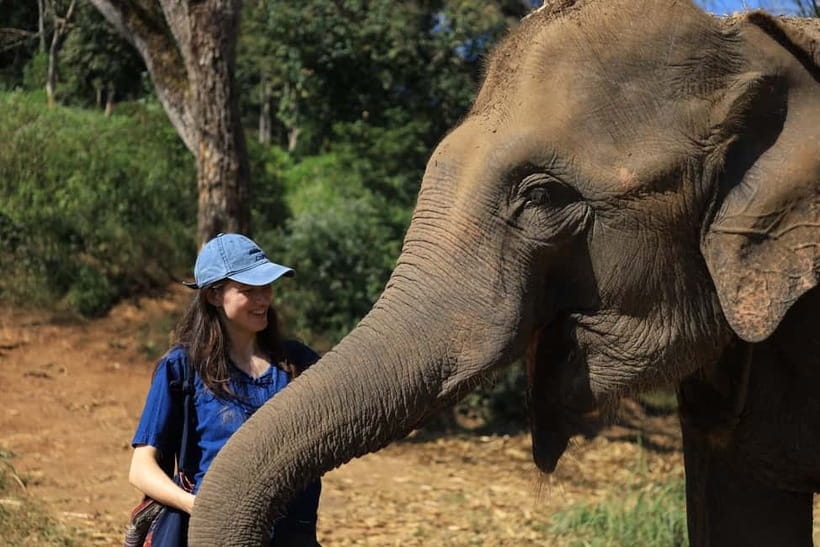
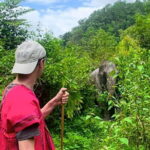
In the sanctuary, you’ll learn each elephant’s story and how the caretakers support their lives now. Then comes the hands-on part: feeding and walking with the elephants through the tropical forest. The experience is structured so you follow the elephants’ pace rather than making the elephants follow you.
One of the biggest “yes” moments is the elephant bathing. You’ll see elephants cool off and bathe in water and mud, which is both natural behavior and an important part of their comfort. You should come prepared because you’ll likely get wet, and the tour encourages packing swimwear plus a change of clothes and towel.
A key ethical point is how activities are handled. The program states elephants are never forced into the river or any other activity. If an elephant doesn’t want to enter the water, that’s respected. That single detail is worth paying attention to when you choose any elephant experience—this one makes consent and animal comfort central.
Also note the behavior rules you’ll be given: you won’t be allowed to smoke, litter, or touch plants, and you should follow guide instructions closely. It keeps the day safe for you and less disruptive for the elephants.
Your elephant guide can change, but the job stays the same
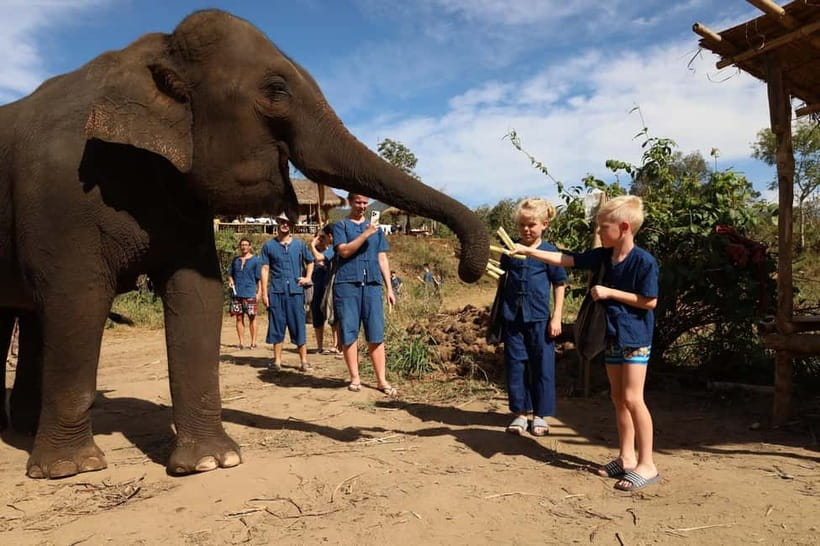
Every day is guided in English, and several reviews mention guides like Jon, Rainbow, Nott, Mod, Pete, and Piete. Even with different personalities in the group, the pattern is the same: caretakers and guides explain elephant physiology, social behavior, and day-to-day care.
If you care about the “why” behind the experience, this matters. The better guides don’t just narrate; they connect what you’re seeing—social interactions, resting patterns, mud-bathing—with how care works in a sanctuary environment. That’s how the sanctuary visit turns from a moment into understanding.
And yes, there’s humor and personality. Multiple reviews call out guides who keep the day fun while still being serious about animal welfare. That blend makes a long day easier to enjoy.
Pad Thai lunch and the sanity check before Doi Inthanon
After your elephant time, you’ll have lunch included—authentic Pad Thai. It’s a practical stop because you’re about to head to higher elevations and likely cooler air. If you’re the type who gets cold quickly, this is a good moment to mentally prepare for layering.
Lunch is also a reset for your energy, especially if you plan to hike later. The day is structured so you eat before the main Doi Inthanon portion, which is the right order.
One small tip: if you get motion sick on winding roads, consider it now. Some reviews mention steep, narrow stretches in the drive, so being proactive can make the later parts of the day feel smoother.
Doi Inthanon National Park: Summit views and the Twin Pagodas
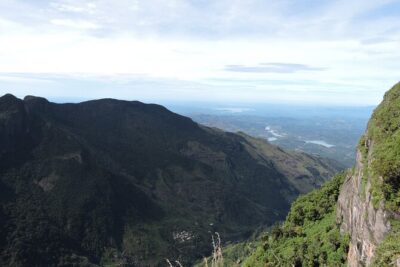
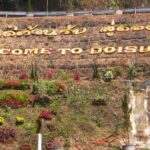
Then you’ll drive about 30 minutes to Doi Inthanon National Park, home to Thailand’s highest mountain. When you arrive, you’ll feel the altitude right away—cool mist is common, and the summit can be chilly even when Chiang Mai feels warm.
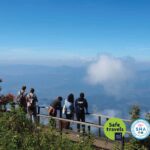
At Doi Inthanon, you’ll visit the slopes and summit area, where the main payoff is panoramic mountain views. Even if clouds roll in, the atmosphere is often part of the experience: misty ridgelines and layered greenery instead of harsh sun.
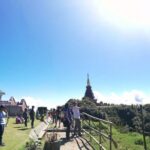
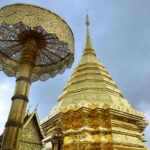
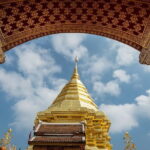
Next up is the Twin Pagodas plus the Botanical Gardens. These are famous for a reason: the pagodas are peaceful, with viewpoints over the surrounding hills. The botanical gardens offer a calmer walk between the higher-elevation viewpoints and the later nature trail.
A practical consideration: time here can feel tight because the schedule is packed with hiking plus multiple cultural stops. If you love temple viewpoints, you’ll want to make sure you take your photos efficiently and then linger in the places your guide points out most clearly.

Pha Dok Siew nature trail: waterfalls, rice terraces, and real trail time
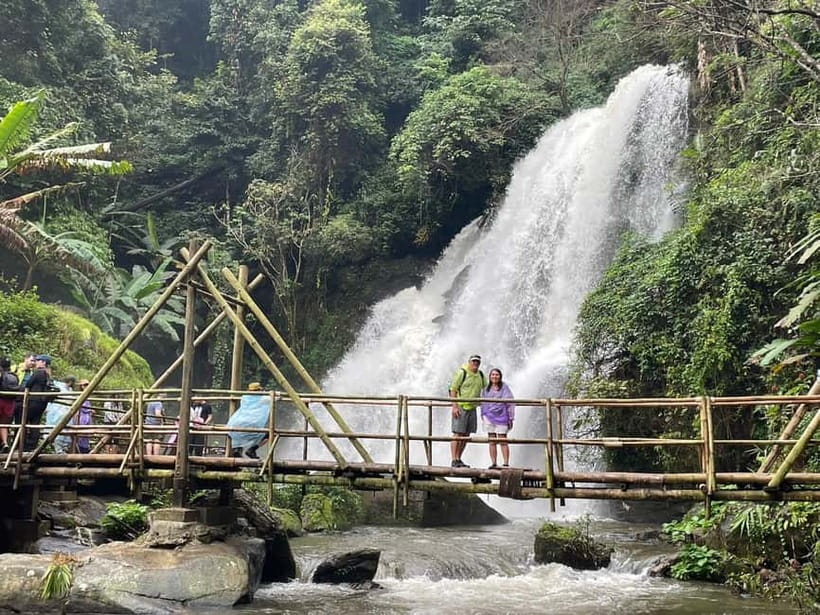
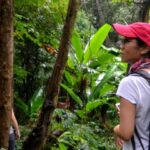
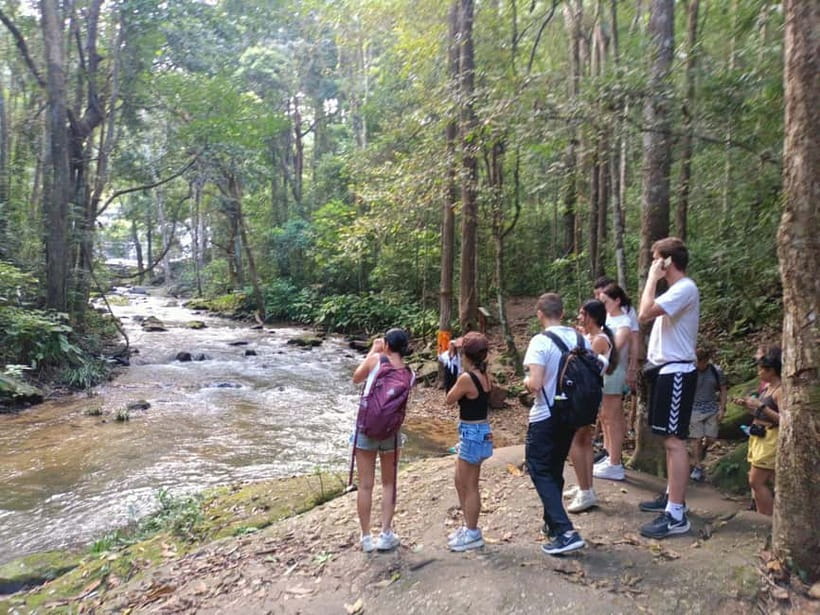
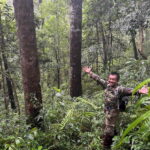
The hike happens after the park visits, on the Pha Dok Siew nature trail. This is the part of the day that feels most like you’ve left the car for good.
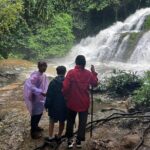
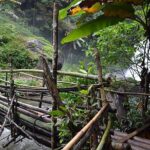
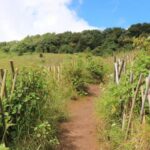
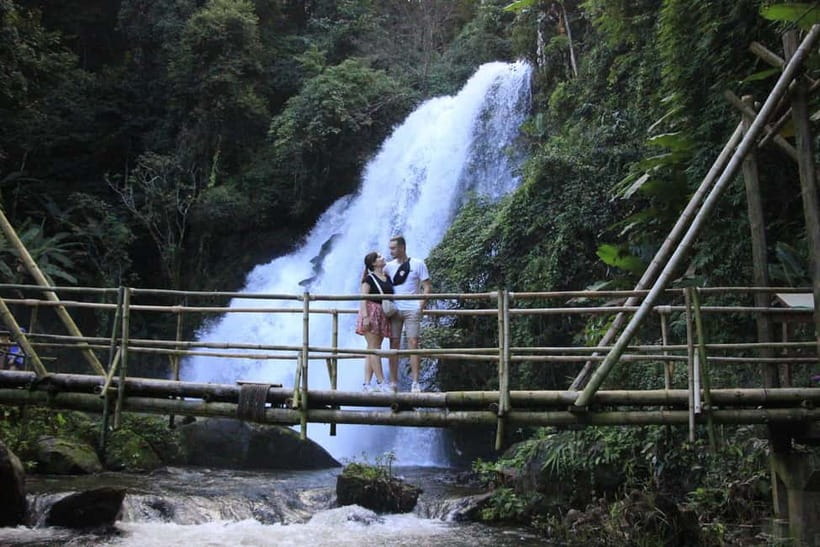
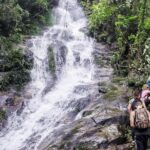
You’ll walk through lush areas with rice terraces and water features, and you may spot wildlife along the way (the program frames this as possible rather than guaranteed). There’s also a waterfall stop where you can cool off—bring water and be ready for slick sections if it’s wet.
How hard is it? The program calls it guided hiking with stops for scenery. Some reviews describe the hike as easy-to-moderate, but a few also note it can feel more aggressive than expected. The safest move is to wear hiking shoes, take your pace when the path steepens, and drink water regularly.
One more thing: the Pha Dok Siew trail can include other groups. That can limit how much quiet time you get to stop and stare into the forest. If you’re the type who wants to linger for long photo pauses, plan to keep your stops short and move when your guide signals.
Karen hilltribe organic coffee farm: culture you can taste
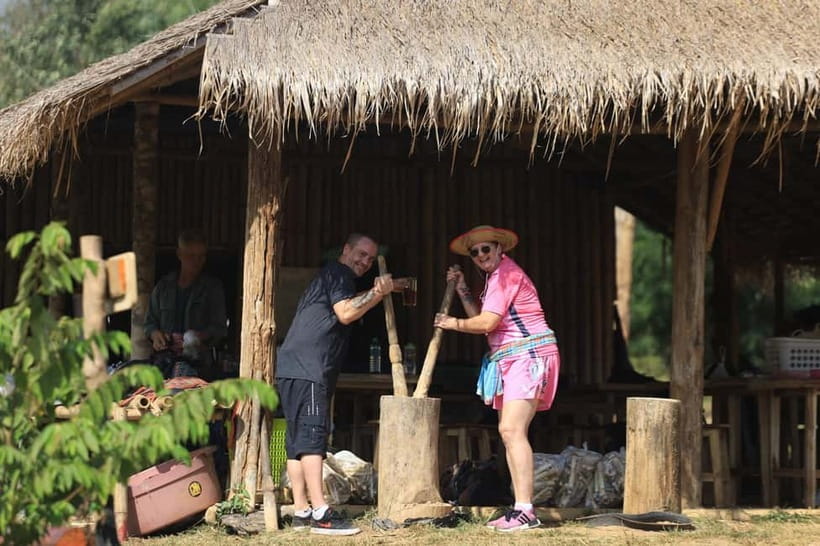
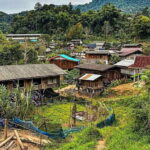
Later in the day, you’ll visit an organic Karen hilltribe coffee farm. This stop gives you something different from temples and big mountain views. Instead of another viewpoint, you get a hands-on sense of how coffee is grown and processed locally.
You’ll likely get coffee and tea as part of the farm visit. In reviews, people consistently bring up the coffee stop as a nice add-on that keeps the day from being only elephants and hiking. It also helps you connect the natural setting you just hiked through with what people grow and rely on in northern Thailand.
If you really like tasting experiences, you’ll appreciate how this adds variety. If you prefer nonstop scenery, just keep in mind this portion is more about learning and tasting than pure landscape shots.
Transportation and the 07:00–19:00 reality check
This is an all-day program: pickup from your Chiang Mai hotel, then a full schedule that runs roughly 07:00–19:00 (11–12 hours, depending on traffic). The program includes transportation between stops, which is a big value because you’d otherwise spend time arranging multiple drives.
Still, transportation is the main place where comfort can vary. A few reviews mention cramped seating or rough-feeling driving on narrow roads. If you’re tall or have knee issues, it’s worth thinking about in advance—try to sit where you’ll have the most legroom.
Also plan for the fact that drive times can be longer than you’d guess. Some roads in the region involve turns and elevation changes, so the day stays full even if each stop is relatively close on a map.
Price and value: why $56 can feel like a deal
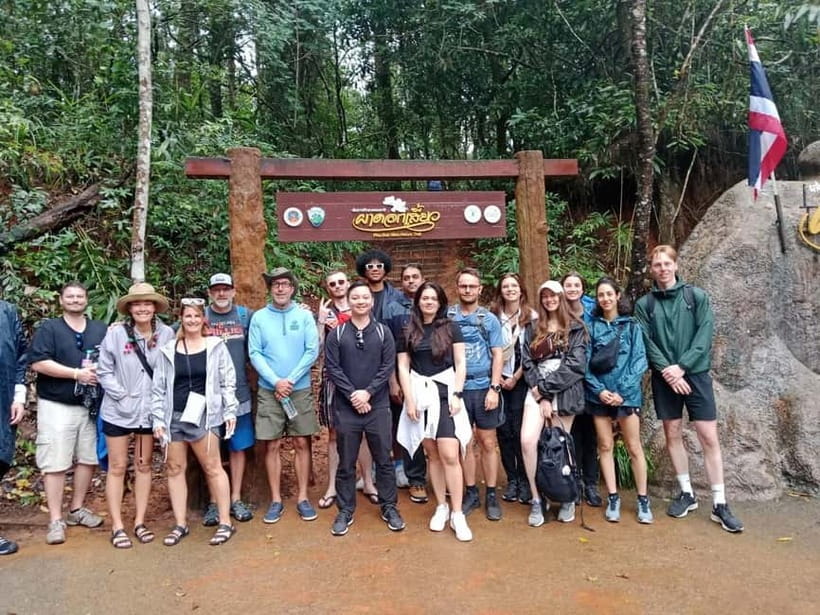
At around $56 per person, you’re paying for far more than one attraction. You’re getting:
- Hotel pickup and drop-off
- A small-group guide in English (up to 12 people)
- Sanctuary time including feeding and bathing interactions
- An included lunch (Pad Thai)
- Doi Inthanon visits including Twin Pagodas and botanical gardens
- A guided nature trail hike
- An organic Karen coffee farm visit
On top of that, the program is positioned around ethical elephant care—no riding, no chains, no forced river entry. That part alone is often priced differently at other animal experiences, because care and space are expensive.
The one cost you should budget for is park entrance fees. Doi Inthanon National Park entrance is 300 THB for adults (150 THB for children ages 4–8). Phra That entrance is 100 THB for adults (50 THB for children ages 4–8). If you don’t plan for those, it can feel like the day costs more than you expected.
So the value is real, but it’s also “all-in.” If you want a relaxed half-day, this isn’t that. If you want one memorable, structured day that actually covers major highlights, it can be a smart buy.
Who should book this day, and who should skip it
This program fits best if you want a full day that mixes ethical wildlife interaction with northern Thai nature and culture.
You’ll likely love it if:
- You want a sanctuary experience that prioritizes animal comfort and natural behavior
- You enjoy hiking and want cooler mountain scenery
- You like a day with multiple stops that are close together (with transportation handled)
You should think twice if:
- You need an easy, short day. This is long.
- You’re sensitive to cold weather. Doi Inthanon can drop fast.
- You have mobility or health limitations. The program is not suitable for children under 8, pregnant women, people with back problems, mobility impairments, or heart problems.
Also, if you want a fully hands-off experience, note that elephant bathing involves water and mud. You can’t treat that part like a distant viewing only.
Should you book this Doi Inthanon and Elephant Sanctuary day?
If you care about doing elephants responsibly and you want one organized day that hits both wildlife and northern Thailand scenery, I’d book this. The elephant sanctuary portion is the headline for a reason: ethical rules and no riding make the whole experience feel grounded in animal welfare, not performance.
Do it if you can handle a long day and you’re ready for a guided hike and cool mountain air. Consider skipping if you want maximum comfort in transport or if long schedules make you grumpy.
FAQ
What’s the duration of the Chiang Mai Doi Inthanon Hiking & Elephant Sanctuary program?
It runs about 11–12 hours (listed as 07:00–19:00). Exact timing can vary with traffic.
Does the tour include hotel pickup and drop-off?
Yes. Pickup and drop-off from your Chiang Mai hotel are included.
Can I ride the elephants?
No. The program is described as a no-riding sanctuary experience.
Is elephant bathing optional?
Elephants are never forced into the river or any activity. You’ll observe bathing and cooling off, and you should be prepared that water/mud can happen.
Is lunch included?
Yes. Lunch is included and is described as authentic Pad Thai.
What are the entrance fees for Doi Inthanon National Park and Phra That?
Adult Doi Inthanon National Park entrance is 300 THB (child 150 THB ages 4–8). Phra That entrance is 100 THB for adults (child 50 THB ages 4–8).
How big is the group?
It’s a small group limited to 12 participants, with an English live tour guide.
What should I bring, especially for the elephant part and hiking?
Bring hat, swimwear, a change of clothes, towel, hiking shoes, sunscreen, insect repellent, and water. A warm jacket is recommended because Doi Inthanon weather can change quickly.
Is free cancellation available?
Yes. You can cancel up to 24 hours in advance for a full refund.