REVIEW · CHIANG MAI
Chiang Mai: Doi Inthanon Park and Pha Dok Siew Hike Day Trip
Book on GetYourGuide →Operated by CHIANG MAI DAY TRIP · Bookable on GetYourGuide
Up early, then into forest silence.
This Chiang Mai day trip to Doi Inthanon and Pha Dok Siew is a full 11-hour circuit that pushes you up to Thailand’s highest peak zone and then back down into jungle trails, pagodas, and waterfall scenery. It’s one of those days where the drive matters, because the park is a different world once the air cools and the trees thicken.
I especially like the 2-hour Pha Dok Siew Nature Trail portion, because it’s paced like a real walk in the woods, not a rushed checklist stop. I also like the hill-tribe mix on the day—Hmong/Hilltribe village time plus a Karen village finish—so you’re not only doing viewpoints; you’re seeing how people live in these mountain areas.
The main thing to consider is that timing and group size can affect how much you hear from your guide. On longer days, a large group can mean more waiting and less explanation, and the highest-peak stop can feel very short—so manage your expectations and enjoy the trail.
In This Review
- Key highlights worth your attention
- How the day trip timing actually feels from Chiang Mai
- Doi Inthanon’s highest zone: plan for short, high-impact moments
- Twin Pagodas of King Bhumibal and Queen Sirikit: why the views matter
- Pha Dok Siew Nature Trail: the strongest stretch of the whole trip
- Wachirathan Waterfall stop: sightseeing first, swimming only sometimes
- Hmong village and Hmong market lunch: how to get value
- Karen Hill Tribe Village and the coffee stop on the way back
- Price, entry fees, and what makes this tour worth it
- Who should book this Doi Inthanon and Pha Dok Siew day trip?
- Should you book this day trip from Chiang Mai?
- FAQ
- What time is pickup for this Chiang Mai day trip?
- How long is the tour?
- What are the main stops during the day?
- Is lunch included?
- Are entrance fees included in the price?
- Is there a waterfall swim allowed?
- What should I bring?
- What can I bring in the van?
- Is the tour suitable for everyone?
- Where do I meet if pickup isn’t available?
Key highlights worth your attention
- 2,565 meters elevation at Doi Inthanon’s highest-peak area
- Pha Dok Siew Nature Trail hike with about two hours walking time
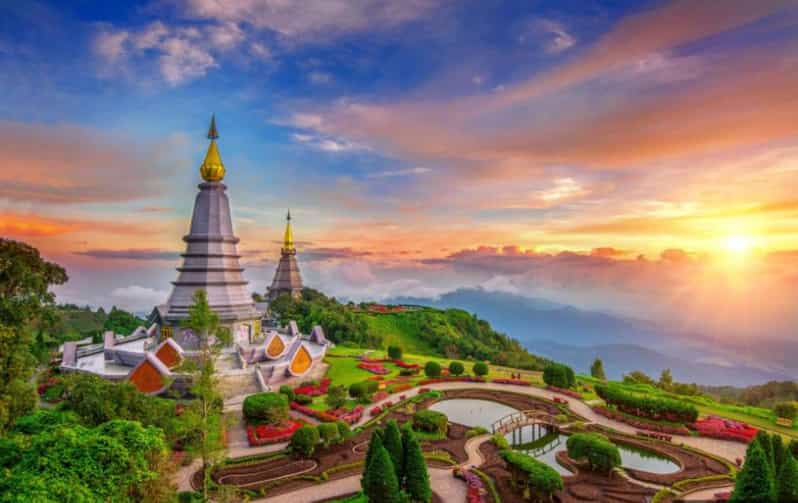
- Honor King Bhumibal and Queen Sirikit pagodas and their viewpoint potential
- Wachirathan Waterfall stop for sightseeing and possible swimming in the right months
- Karen Hill Tribe Village and a coffee moment before heading back
- Hmong/Hilltribe culture stops that add meaning beyond scenic photos
How the day trip timing actually feels from Chiang Mai
This tour is built around an early start. Pickup is typically between 07:00 and 07:45, with you getting back to Chiang Mai around 18:00 in most cases. The ride into the mountains is long enough that you’ll want to treat the day like a real commitment: eat a proper breakfast, bring water, and plan to stay present once you hit the park.
Your transport is a round-trip air-conditioned van with an experienced driver, which is a big deal on mountain roads. Inside, you’ll have an English-speaking guide (and Thai too), and the day is paced so you’re not only sitting in traffic.
One practical note: the tour assumes you can travel light. You’re allowed only one small personal item (up to 50 × 35 × 20 cm and 7 kg). If you bring a heavier bag or luggage, you’ll need an extra seat, or you may be turned away from the van due to space limits.
You can also read our reviews of more tours and experiences in Chiang Mai.

Doi Inthanon’s highest zone: plan for short, high-impact moments
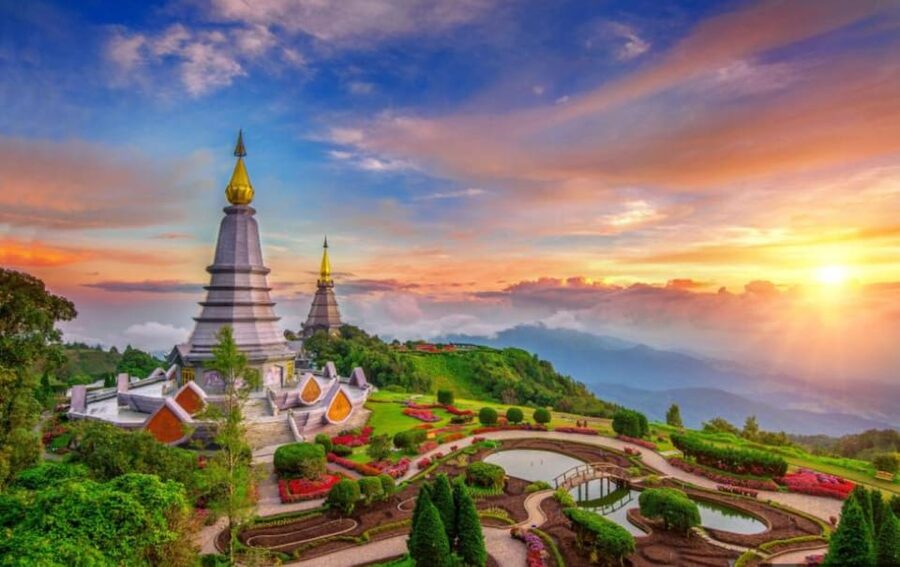
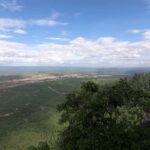
Doi Inthanon is famous for altitude, and this day trip gives you access to the park’s highest spot area at about 2,565 meters. What I like about this structure is that you get the reward without spending the whole day climbing. You’ll usually get a quick “highest point” experience—enough time for photos and a moment of mountain air—then the itinerary moves on to richer, slower stops.
Since the highest-peak portion can be brief, don’t treat it like a long hiking day. Treat it like a change-of-planet moment. If you’re sensitive to altitude or start feeling headachy or nauseous, take it seriously—this tour is specifically not suitable for people with altitude sickness.
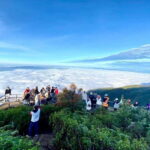
Also, weather matters up here. Even if you’re expecting clear views, fog can happen around the pagoda area, which can soften the panorama. You can’t control that, but you can control your attitude: go for the experience of being in the high forest zone, not only for perfect visibility.
Twin Pagodas of King Bhumibal and Queen Sirikit: why the views matter

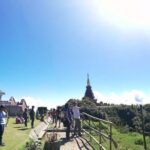
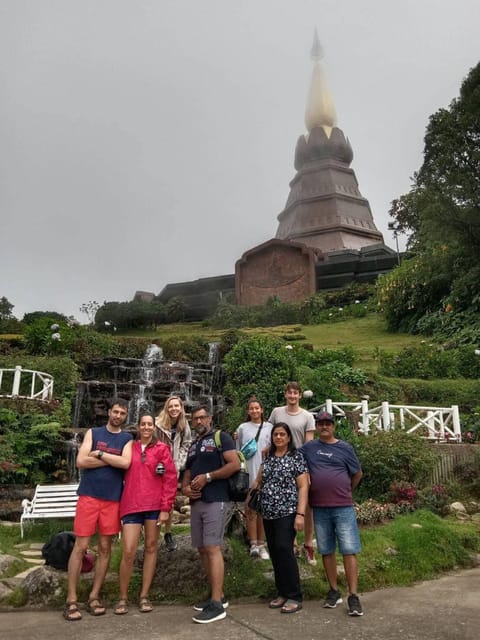
The visit to the Honor King Bhumibal and Queen Sirikit pagodas is one of the most meaningful parts of the route. These aren’t just pretty structures; they’re the kind of place where you can feel the reason people come—symmetry, careful grounds, and that mountain-station viewpoint.
Here’s the practical takeaway: you’ll want your camera ready, but also your patience for weather. Fog or low cloud can roll in, and if that happens, the views may be less dramatic than you hoped. Still, the area is worth it because it gives you a pause from walking and an easy way to understand how Thai monarchy symbolism is expressed in public spaces.
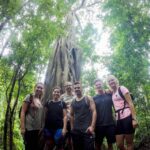
Some days are also slower or faster depending on how your group moves through. If your group is large, you may end up exploring more on your own for portions of the pagoda grounds. That doesn’t mean it’s bad—it just means you should rely on your guide for context when you can, and then use your own senses for the rest.
Pha Dok Siew Nature Trail: the strongest stretch of the whole trip
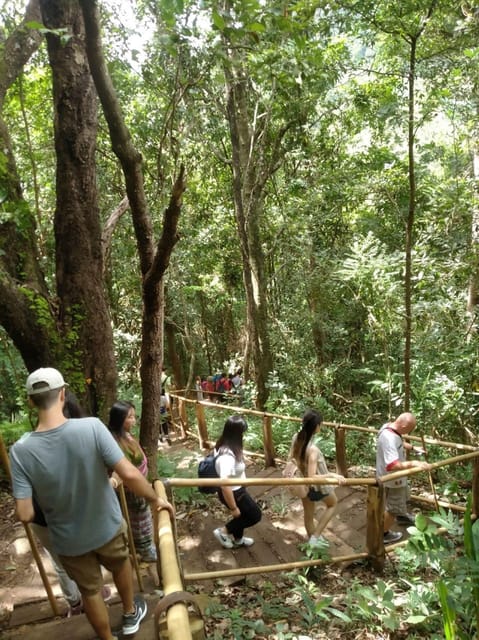
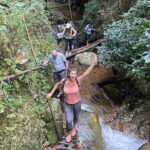
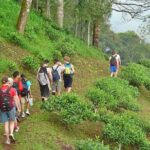
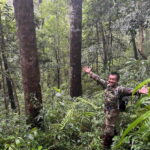
If you love a guided nature walk, this is the section you’ll remember. The Pha Dok Siew Nature Trail is built for about two hours of hiking, and it’s a genuine forest experience: shade, bird sounds, and the feeling of moving slowly through a mountain ecosystem.
This is also where guide style matters most. In the best versions of this trip, guides point out wildlife and forest details while you walk—one guide known for this approach has been described as spotting things like a viper and butterfly cocoons during the trail. You might not see the same animals, but the lesson holds: a good guide turns a normal walk into something you actually learn from.
The other big reason I like this hike: it’s timed so you still have energy for the later waterfall and village stops. It’s not an all-day trek. It’s a satisfying middle—long enough to feel in the woods, short enough to keep the day on track.
Wachirathan Waterfall stop: sightseeing first, swimming only sometimes
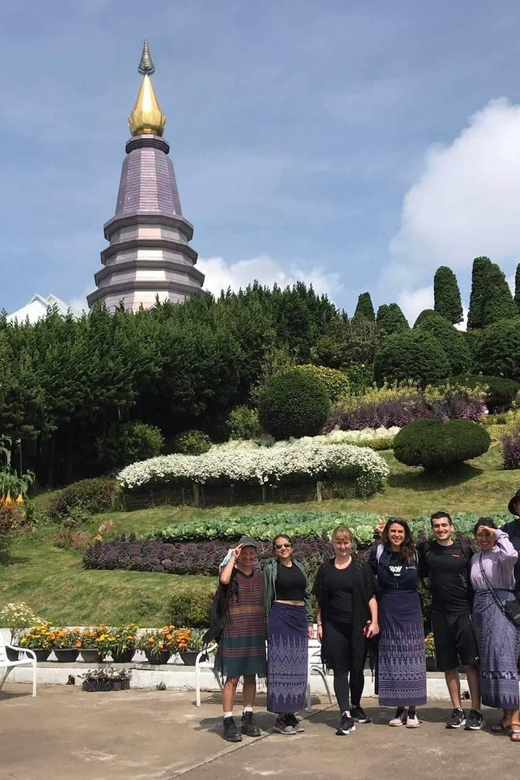
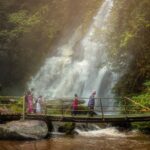
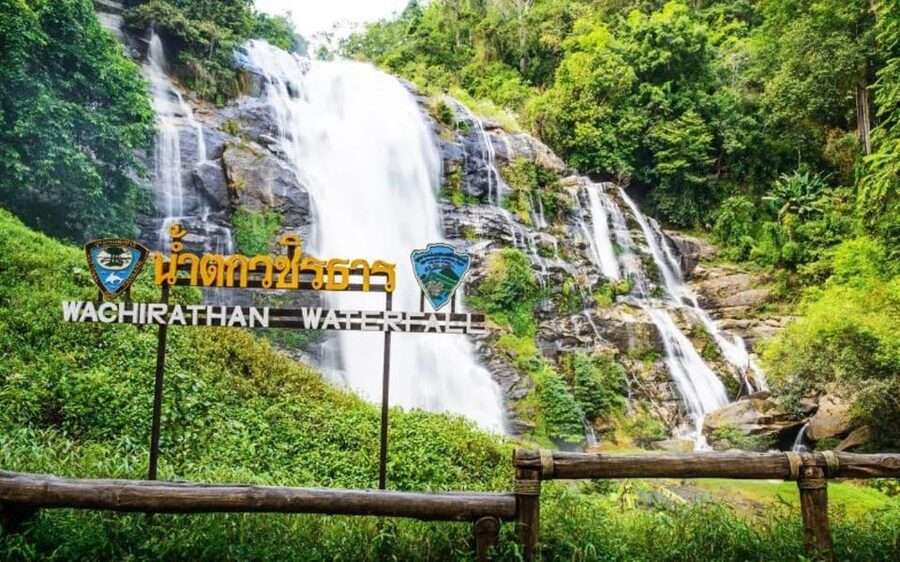
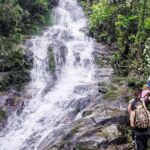
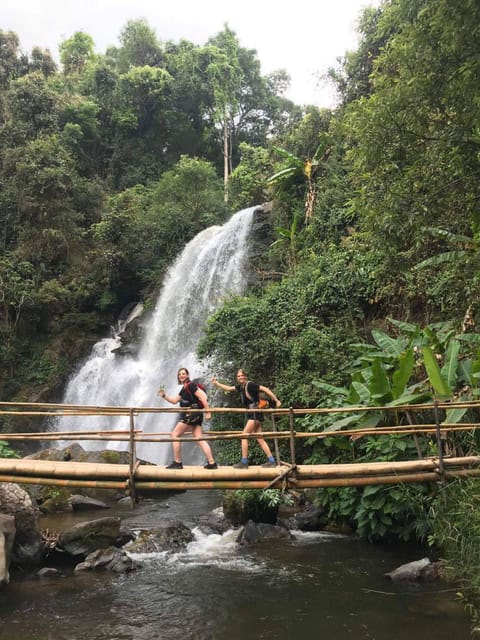
Wachirathan Waterfall is the day’s “wow with a pause.” You’ll get a break time to visit and look around. This is a great moment to regroup—water might be misty, paths can be slick, and you’ll probably feel the mountain air in your body more than you expect.
What about swimming? The tour notes that swimming might be allowed from February to June, depending on the waterfall conditions and normal climate. For other months, swimming is prohibited due to rain or cold-season safety concerns. So plan your mindset around this: go for the waterfall views and photos, not the promise of a swim.
Because the conditions can change, don’t over-pack for water play. Bring shoes you trust for uneven ground and keep your plans flexible. If conditions look unsafe, the right move is to enjoy the scenery and skip risky behavior.

Hmong village and Hmong market lunch: how to get value
Lunch is handled in a specific way, and it matters for value. The tour says Thai lunch is included with the standard option, with a vegetarian option available. It also notes that lunch is tied to the Hmong Market, and that the regular option includes lunch there—so if you choose an economic option, lunch may not be included.
Here’s how I’d think about it: if you’re hungry (you will be), you want food you can count on. A included lunch saves hassle, and choosing the option that includes it helps you avoid turning “meal time” into “deciding time” while the rest of the schedule keeps moving.
Also, don’t assume every market stop will feel like local-only life. Some people end up feeling it’s more tourist-oriented than they expected, especially if you’re looking for prices that match a neighborhood market. If you want local produce, keep it simple: buy what you’d actually eat later and skip anything priced like a souvenir shop.
Karen Hill Tribe Village and the coffee stop on the way back
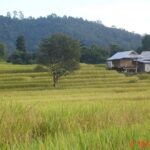
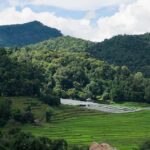
Finishing at the Karen Hill Tribe Village adds a human scale to the day. You’ll get time to see the simplicity and beauty of traditional village life, and then the itinerary includes a coffee moment before returning to Chiang Mai.
I like this ending because it gives the day a softer landing. After higher points, pagodas, and waterfall viewpoints, the village stop slows you down. It’s also a chance to ask questions—just keep it respectful and remember these are real communities, not a stage set.
The coffee stop can also feel very busy, especially if multiple groups arrive close together. If you’re the type who hates crowds, don’t picture a quiet espresso ritual. Picture a quick, warm break that helps you reset after a long day.
One more practical point: this is still a full day of walking and sightseeing. Even if the village portion feels easier than the hike, you’ll likely feel tired by the time you get coffee and start heading back.
Price, entry fees, and what makes this tour worth it
The price is listed at $62 per person for an 11-hour day trip, which is a fair match for the long drive, guide time, and multiple included stops. The best value is when you avoid surprises: transportation, guide, water, and the major park/pagoda sights.
But the entry fees depend on which option you choose. If you don’t select the tour option with entry fees included, plan for these costs:
- Doi Inthanon National Park entry fee: 300 Thai Baht
- Twin Pagoda entry fee: 100 Thai Baht
So for budgeting, I’d treat the entry fee add-on as part of the real cost. If you’d rather not think about it, choose the option that includes fees.
Also, note what’s included and what isn’t. You do get 1 bottle of drinking water (500 ml), a Thai lunch with vegetarian availability (unless you pick the economic option), and traffic accident insurance. You don’t get extra time for slow shopping or a long sit-down meal.
Finally, consider group dynamics. Some groups can be large enough that the guide’s voice doesn’t carry equally. If you prefer lots of explanation during walking, you may want to ask about group size before you book, or be ready to enjoy the trail visually and rely on your guide during key stops.
Who should book this Doi Inthanon and Pha Dok Siew day trip?
Book it if you want a single-day route that covers the big Doi Inthanon highlights without forcing you into an all-day trek. This works well for first-time Chiang Mai visitors who want both nature and culture: high-altitude park sights, pagodas, a standout forest hike, and hill-tribe village time.
You should skip (or at least reconsider) if you have medical concerns like heart problems, wheelchair needs, or altitude sickness risk. The itinerary is active, starts early, and includes walking on varied terrain.
This tour also suits travelers who enjoy guided interpretation more than solo wandering. English-speaking guides can add meaning, and the best versions of this route happen when the guide uses the forest hike to teach you what you’re seeing.
Should you book this day trip from Chiang Mai?
Yes—if your priority is the Pha Dok Siew Nature Trail and you’re happy with a full, structured day. The route hits real highlights: high-altitude scenery, pagodas, Wachirathan Waterfall, and hill-tribe village time, with a schedule that gets you back to town by early evening.
Book smart. Choose the option with entry fees and lunch included if that fits your budget and makes the day easier. Wear supportive shoes, bring sunscreen and insect repellent, and keep your expectations flexible on fog and timing—especially near the pagodas and the highest-peak stop.
FAQ
What time is pickup for this Chiang Mai day trip?
Pickup is typically between 07:00am and 07:45am. You may need 5 to 10 extra minutes if there is heavy traffic. Arrival back in Chiang Mai is generally around 18:00pm.
How long is the tour?
The duration is listed as 11 hours.
What are the main stops during the day?
You’ll visit Doi Inthanon National Park (including the high area), the King Bhumibal and Queen Sirikit pagodas, a Hmong village/market area, Pha Dok Siew Nature Trail (about two hours hiking), Wachirathan Waterfall, and the Karen Hill Tribe Village.
Is lunch included?
Thai lunch is included with the standard tour option, and a vegetarian option is available. Lunch is not included with the economic tour option.
Are entrance fees included in the price?
Entrance fees are included only if you select the option with fees included. If not, the Doi Inthanon fee is 300 Thai Baht and the Twin Pagodas fee is 100 Thai Baht.
Is there a waterfall swim allowed?
Swimming might be allowed from February to June, depending on waterfall conditions and normal climate. Swimming is prohibited in other months due to safety concerns during rainy or cold seasons.
What should I bring?
Bring comfortable shoes, sunscreen, and insect repellent.
What can I bring in the van?
You can bring one small personal item up to 50cm(H) × 35cm(W) × 20cm(D) and 7kg. Pets, large luggage, and alcohol/drugs are not allowed.
Is the tour suitable for everyone?
It’s not suitable for people with heart problems, wheelchair users, or people with altitude sickness.
Where do I meet if pickup isn’t available?
If you’re outside the pickup area, you meet at Wat Phra Singh or the Starbucks at Maya Shopping Mall. Pickup communication and timing use WhatsApp, so you’ll need a WhatsApp number and the exact property name.