REVIEW · CHIANG MAI
Chiang Mai: Doi Inthanon Park with Kew Mae Pan Hike Day Trip
Book on GetYourGuide →Operated by CHIANG MAI DAY TRIP · Bookable on GetYourGuide
Doi Inthanon hits hard, in the best way. This 11-hour Chiang Mai day trip mixes Thailand’s highest peak at 2,565 meters with the King and Queen pagodas, a true jungle hike at Kew Mae Pan, and stops that feel hands-on, like Hmong markets and coffee culture. Two things I especially like: the Kew Mae Pan Nature Trail panoramic views and the Twin Pagodas’ calm photo spots with reflective water.
One thing to plan around: it’s a full day with early pickup and a packed rhythm. If you hate steep steps or you’re sensitive to crowds at viewpoints (it can get busy), you’ll want to pace yourself and keep your expectations realistic.
In This Review
- Kew Mae Pan, Twin Pagodas, and Waterfalls: What Makes This Trip Worth It
- Key Highlights You Should Know Before You Go
- Doi Inthanon’s 2,565-Meter Summit: Why the Highest Peak Matters
- King and Queen Twin Pagodas: Architecture, Calm Water, and Photo Angles
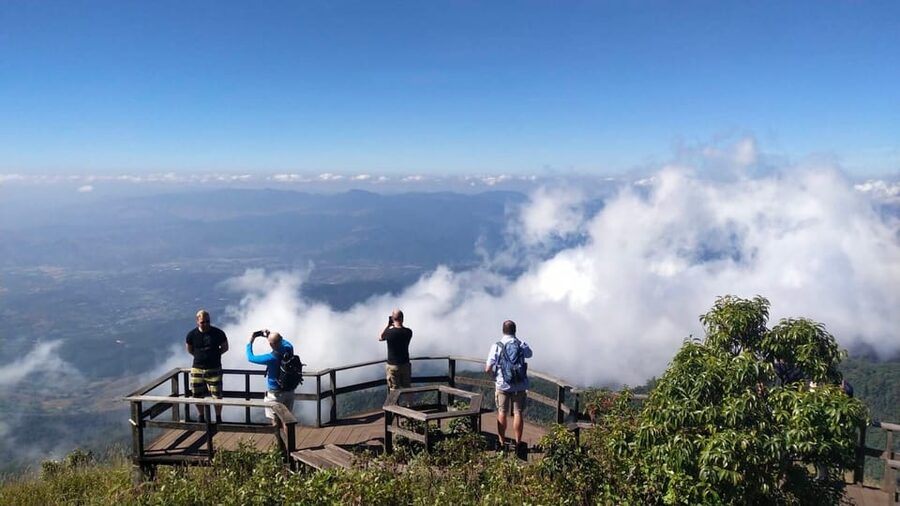
- Kew Mae Pan Nature Trail (Nov–May): Short Hike, Big Reward
- Hmong Hill-Tribe Village and Market: Coffee Culture and Everyday Life
- Wachirathan Waterfall: The Water Stop You’ll Actually Remember
- How the Day Flows: Pickup, Timing, and a Realistic Pace
- Price and Value: Is $62 a Fair Deal?
- What to Bring (and What to Leave in Your Hotel)
- Who Should Book This Doi Inthanon Day Trip?
- Should You Book This Chiang Mai Doi Inthanon Day Trip?
- FAQ
- What time is pickup?
- Where do I get picked up if I’m not near the pickup area?
- Is the Kew Mae Pan Nature Trail hike available year-round?
- What’s included with lunch?
- Do you include entrance fees?
- What should I bring for the day?
- Who might want to skip this tour?
Kew Mae Pan, Twin Pagodas, and Waterfalls: What Makes This Trip Worth It
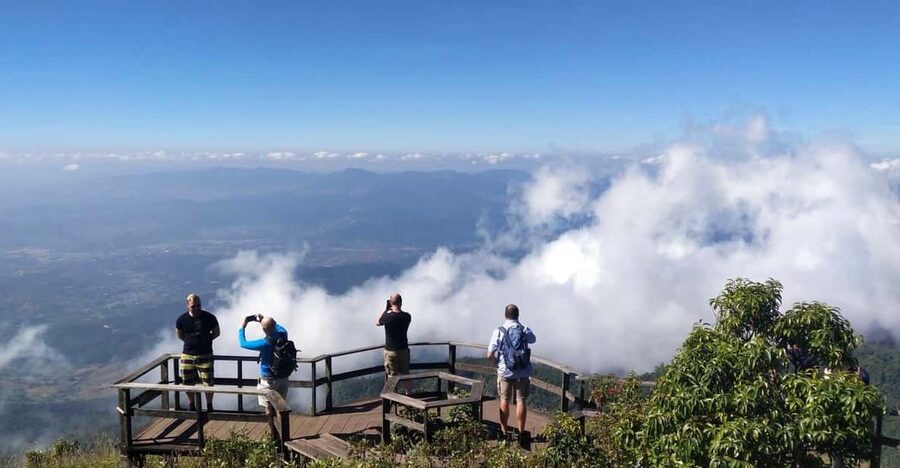
Here’s the core idea: you’re not just doing a checklist of famous sights. The itinerary strings together high-altitude views, quiet temple architecture, and short-but-real walking moments, so you get variety without needing to manage logistics on your own. Guides named Mo, Paul, James, Yoong, and Wanida show up in the experience notes and repeatedly get credit for keeping the day moving and the group together.
And yes, the route is busy. But when it works, it works because the standout moments are timed and paced well: you hike for a purpose, then you spend time looking, not rushing.
Key Highlights You Should Know Before You Go
- Kew Mae Pan Nature Trail runs only Nov–May and is the heart of the hiking portion
- Twin Pagodas (King & Queen) offer reflective water views and strong architecture angles
- Wachirathan Waterfall is a major stop, not a quick pass-through photo stop
- Hmong hill-tribe village and market add real culture stops, including coffee plantation connections
- English-speaking guides keep the timing tight, with frequent humor and explanations
- Air-conditioned van transfers handle the long drive from Chiang Mai
You can also read our reviews of more tours and experiences in Chiang Mai.

Doi Inthanon’s 2,565-Meter Summit: Why the Highest Peak Matters
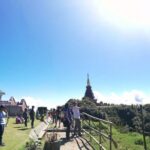
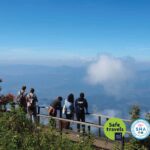
Doi Inthanon National Park is the big draw, and the summit stop is where the day starts to feel different. Thailand’s highest peak sits at 2,565 meters, so even before the hike, you get those cooler, cloudier-air vibes that make the jungle look and feel taller.
What I like about starting with the highest spot is that it sets context. You look out over the emerald forests, rivers, and waterfalls around the park, and suddenly the rest of the day makes more sense: these aren’t random attractions. They’re part of one larger highland system.
Practical note: views can be partly obscured when conditions are less clear, and photos can be tricky due to sun glare at certain angles later in the day. If you care about photos of fountains or reflective surfaces, you’ll want to be ready for bright light and adjust your timing with your guide’s directions.
King and Queen Twin Pagodas: Architecture, Calm Water, and Photo Angles
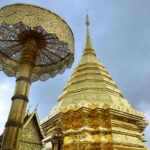
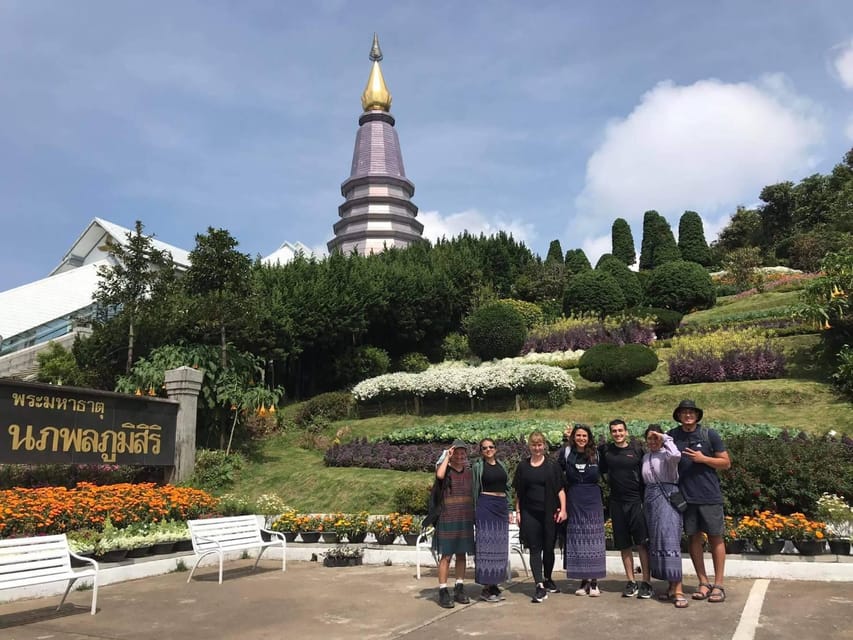
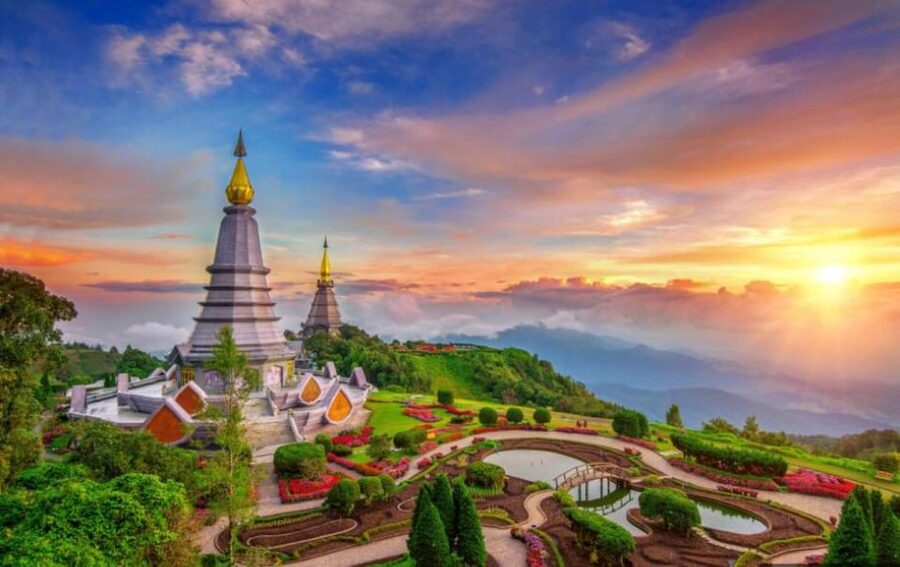
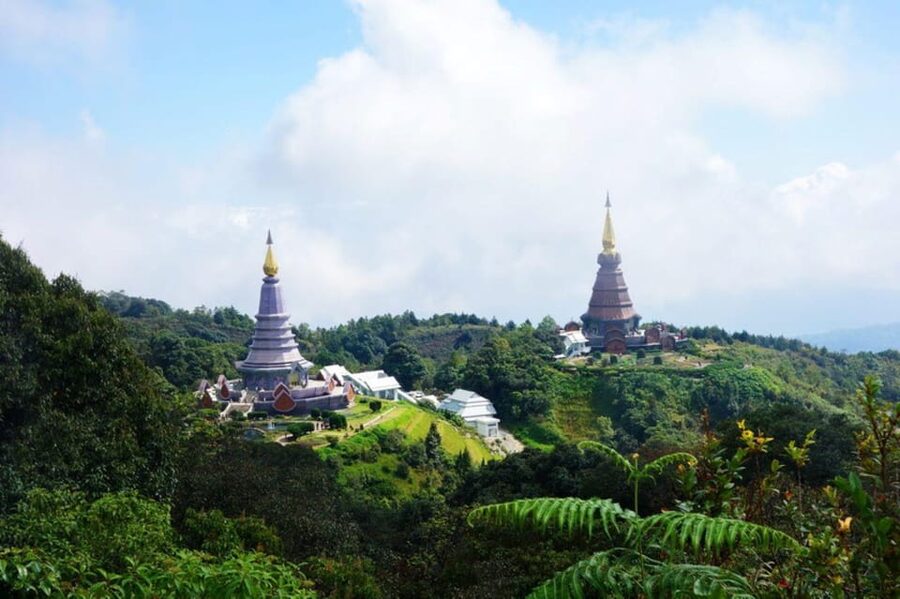
After the summit stop, you head to the King and Queen Twin Pagodas, built to commemorate the King and Queen’s 60th birthday. This stop has a totally different mood from the mountain viewpoint: more ordered, more serene, and easier to enjoy without pushing your legs.
One of the coolest details here is the way the pagodas relate to water. You’ll see reflections on still surfaces and get clear views from the area near the wooden bridge. The spires look dramatic above the trees, and the gardens around them give you space to breathe for a bit.
A small timing consideration: when the day runs closer to late morning, bright sun can create glare in photos from fountain areas, especially around the Queen’s Pagoda. It doesn’t ruin the visit, but if you’re picky about crisp shots, plan to bring a bit of patience and take photos from multiple angles.
Kew Mae Pan Nature Trail (Nov–May): Short Hike, Big Reward
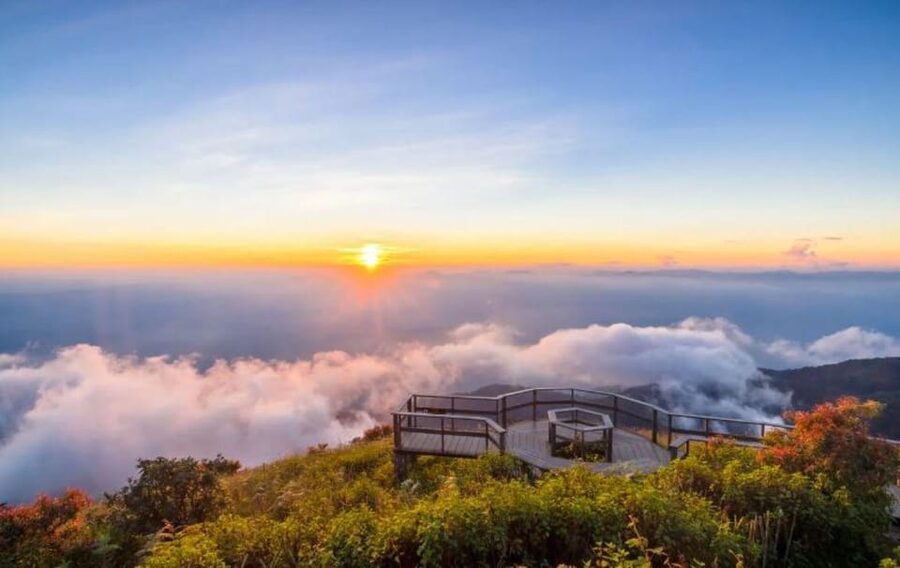
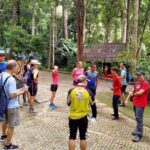
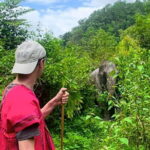
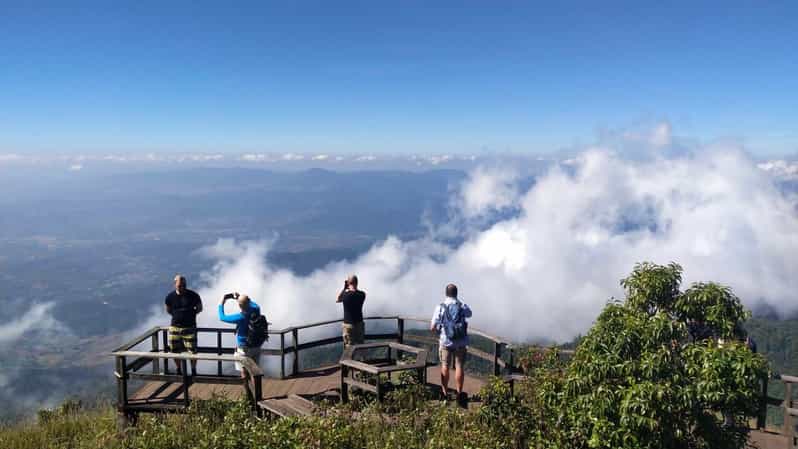
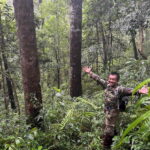
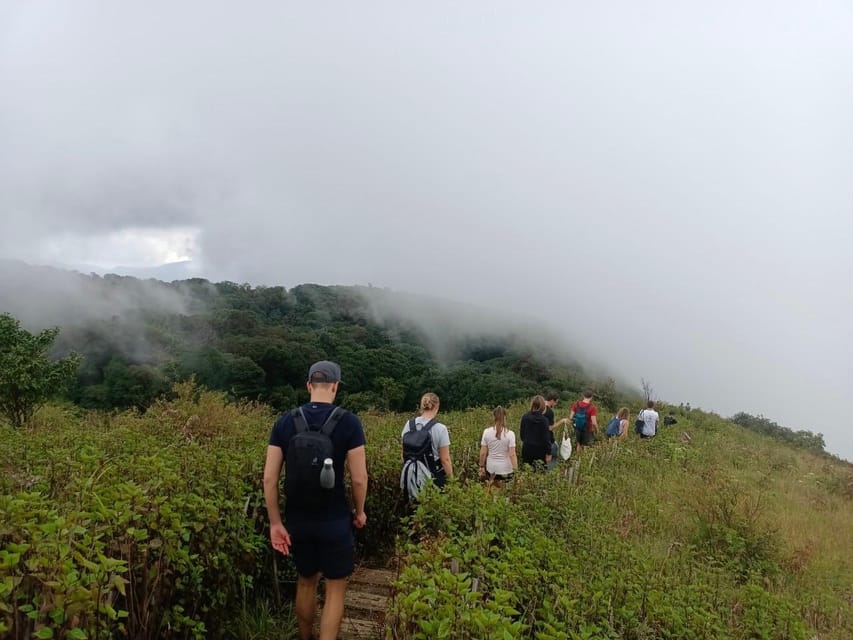
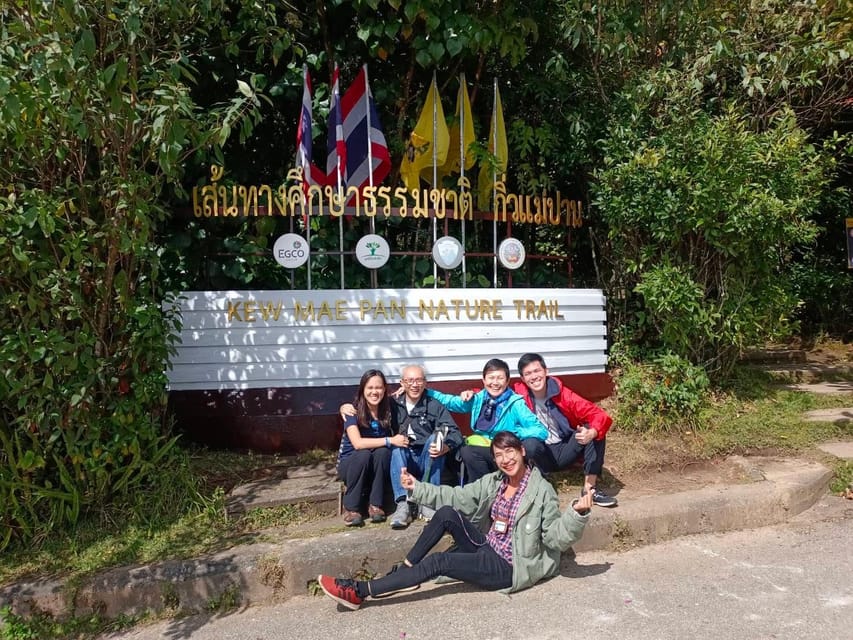
This is the hike that makes the day feel like an actual walking tour instead of just driving between sights. Kew Mae Pan Nature Trail is only open from November to May each year, and the hike portion is around 2 hours.
You’ll cover about 2.78 km, and it’s inside Doi Inthanon National Park, so you’re walking in the kind of forest that makes you forget you’re still within a day trip from Chiang Mai. Expect a mix of forest paths and elevation changes, with lots of steps in places.
The honest version: some people find it manageable, while others say it’s more challenging than advertised. If you’re dealing with stiff knees, you get winded easily, or you’re not used to uneven steps, treat this as a real hike, not a casual stroll. On the upside, several guests describe it as very rewarding, especially for views that feel like they belong in postcards.
At the end of the hike, you continue toward a Karen hill-tribe coffee farm for an organic coffee stop. It’s a nice payoff moment: you hike for the view, then you sit down and taste something locally made and directly tied to the area.
Hmong Hill-Tribe Village and Market: Coffee Culture and Everyday Life
After the waterfall and pagodas, the day shifts into culture and community stops. You visit a Hmong hill-tribe village and also have time around a Hmong hill-tribe market.
From what’s built into the experience, you’re not only looking at crafts from the outside. The stops are connected to daily economic life—especially coffee. The village area is described as being famous for coffee plantations, and the overall day includes coffee tasting elements that tie the region’s traditions to your visit.
A practical way to think about these culture stops: you’re getting context for why people live and work in these highland areas. The market portion can be lively, but it also helps you avoid the trap of turning the day into only “nature photos, then leave.”
Time note: one common critique is that the market and waterfall can feel like they get less time than you’d like. That doesn’t mean you won’t enjoy them. It just means you should show up with the mindset that this is an organized day trip, not a slow cultural immersion.

Wachirathan Waterfall: The Water Stop You’ll Actually Remember
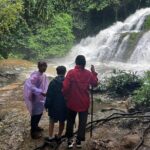
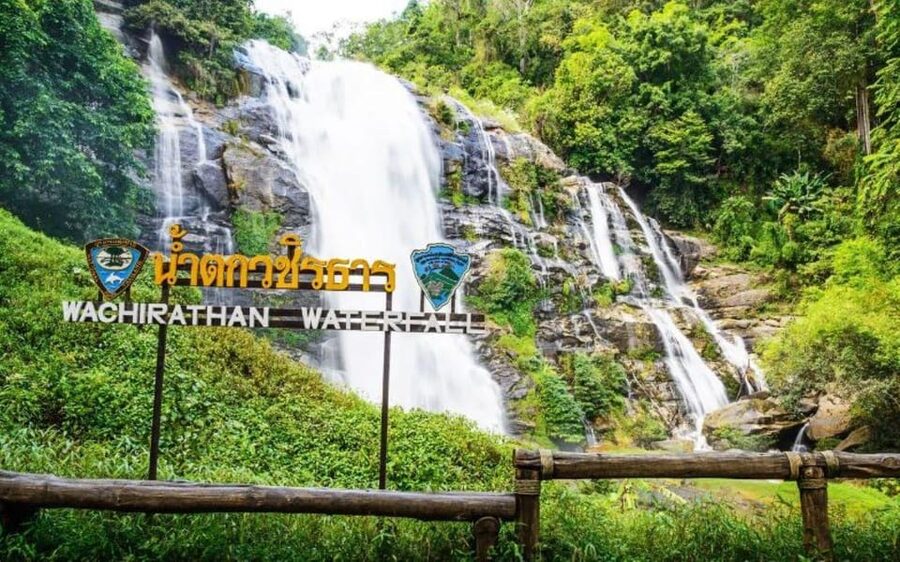
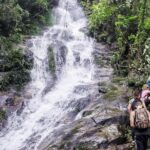
Then comes Wachirathan Waterfall, described as the second biggest falls on the way to the summit and one of the more impressive waterfalls in the park.
What makes this stop worth the effort is that it isn’t framed as a quick roadside glance. You typically get a meaningful pause for photos and just watching water move through the forest. Some guests highlight this as a favorite because the volume is dramatic and the photo opportunities are plentiful.
If you’re photographing: bring patience. When the light is bright, you might need to adjust your angle and stand position for consistent results, but the payoff is real. Even if you’ve seen waterfalls elsewhere in Thailand, this one tends to feel special because it sits right inside the national park scenery.
How the Day Flows: Pickup, Timing, and a Realistic Pace
Pickup runs at 7:00–7:30 AM from places within a designated pickup area, and you’re back in Chiang Mai generally around 17:30–18:00. Some days run longer with traffic, and one guest noted a return closer to 19:00, so build in buffer time for your evening plans.
Expect a day that moves in a sequence:
- high point and panoramic views
- pagodas and garden photo time
- the Kew Mae Pan hike
- hill-tribe village/market stops and coffee
- waterfall time
- drive back to Chiang Mai
This pacing matters because Doi Inthanon is far enough that you lose flexibility if you try to DIY. A guided day trip is basically buying back your mental energy. You don’t have to negotiate entry logistics or figure out where to park and how to route the timing. You do trade that freedom for a schedule.
One more reality check: the van can feel tight at times. One person reported a packed 12-person van, and if you’re tall or you dislike crowded seating, you’ll want to prepare. Also, the route includes bumpy stretches and curves, so if you’re prone to motion sickness, it’s worth taking precautions before you leave.
Price and Value: Is $62 a Fair Deal?
At $62 per person for an approximately 11-hour outing, the value is strong if you care about convenience and guided access. You’re paying for:
- round-trip air-conditioned van transport
- an English-speaking tour guide
- entrance fees in the standard option
- a Thai meal lunch with vegetarian options (note: lunch is not included with the Economic option)
- one 500 ml bottle of drinking water
- traffic accident insurance
- group guidance that helps you hit the best moments in sequence
The most important value question isn’t just the total price. It’s what you save: time, stress, and navigation effort. Doi Inthanon is not close to Chiang Mai, and the route includes multiple stops that are hard to stitch together efficiently alone—especially when your day has to work around opening seasons like Kew Mae Pan (Nov–May).
If you’re someone who plans carefully and can handle transit logistics on your own, you might not need this. But if you want the day to run smoothly and you’re choosing between hiking time and figuring out the rest, this is a sensible way to spend the money.
What to Bring (and What to Leave in Your Hotel)
This day includes walking on uneven ground and a hike that involves steps. Bring:
- comfortable shoes (you’ll be glad you did)
- insect repellent
- a small personal item only: up to 50 x 35 x 20 cm and 7 kg, and it should fit so it won’t take up space next to other passengers
Leave behind:
- pets
- luggage or large bags
- alcohol and drugs
If you’re thinking about the hike level: pack like you’re walking in cooler mountain air with some steep bits. Even in a half-day hiking window, you’ll feel it.
Who Should Book This Doi Inthanon Day Trip?
This fits best if you want a structured nature and culture day with minimal planning. You’ll likely love it if:
- you want to see Doi Inthanon without renting a car
- you enjoy short hikes with big viewpoints
- you like hill-tribe culture stops tied to real life like markets and coffee
It’s not a great match if you have major health concerns. The experience is listed as not suitable for people with heart problems, wheelchair users, altitude sickness concerns, high blood pressure, babies under 1 year, and people over 70.
Also, if you know you struggle with steep steps, treat the Kew Mae Pan hike as the real test of your day. It’s the part that can make or break the experience for your comfort level.
Should You Book This Chiang Mai Doi Inthanon Day Trip?
I’d book it if you’re coming to Chiang Mai for real mountain scenery and you want your day planned for you: summit views, Twin Pagodas, the Kew Mae Pan hike (only if you’re traveling between November and May), plus waterfall and hill-tribe culture.
I’d think twice if your ideal day is slow and flexible, because this schedule is dense. If you’re worried about crowds, timing for photo glare, or hike difficulty, plan to go with a calm mindset and let your guide steer you.
FAQ
What time is pickup?
Pickup is between 7:00 and 7:30 AM, and you’ll generally arrive back in Chiang Mai around 17:30–18:00.
Where do I get picked up if I’m not near the pickup area?
If your hotel is outside the designated pickup area, you need to meet at one of the meeting points: Wat Phra Singh or Starbucks at Maya Shopping Mall.
Is the Kew Mae Pan Nature Trail hike available year-round?
No. The Kew Mae Pan hike is only available from November to May each year.
What’s included with lunch?
A Thai meal lunch is included, with vegetarian options available. Lunch is not included with the Economic Tour option.
Do you include entrance fees?
Entrance fees are included in the standard option. They are not applicable with the Economic option.
What should I bring for the day?
Wear comfortable shoes and bring insect repellent. You should also be ready for walking on steps and uneven ground.
Who might want to skip this tour?
It’s not suitable for people with heart problems, wheelchair users, altitude sickness, high blood pressure, babies under 1 year, or people over 70.