REVIEW · CATANIA
Mount Etna: Special Hike on the Wild and Authentic Side
Book on GetYourGuide →Operated by Guide Vulcanologiche Etna Nord · Bookable on GetYourGuide
Mount Etna is not a museum. This tour takes you to the less-frequented north side where you walk among craters, fractures, and lava stories most people skip.
What I like most is that the experience is built around volcanological safety rules and routes that still work when higher areas close. You also get real explanations from guides trained to work on active volcanoes.
Two standout wins for me: the chance to walk the crater edges on the north slope and the access to structures you usually only see from far away, like eruption craters and volcanic-cone interiors (with helmets).
The view payoff is also strong: you reach a high panoramic point with sightlines toward the summit craters, recent lava flows, and Sicily from above, depending on visibility.
One thing to consider before you commit: this is a high-altitude trek with steep-feeling crater paths, and it’s not ideal if you’re prone to dizziness, heights anxiety, or claustrophobia. The route is planned to maximum safe altitudes, but your comfort still matters.
In This Review
- Key things that make this Etna hike worth your time
- Why Etna’s north side feels more real than the usual summit run
- Price and logistics: what you’re really paying for
- Meeting point near the Mareneve chairlift: arriving early helps
- 4×4 climb to the Volcanological Observatory (about 1800–2800 m)
- The 2800 m panoramic stop: summit views without the scramble
- North crater edge trekking: rift, 1947 craters, and inside-cone helmet moments
- The science is part of the walk: what your guide will do for you
- How hard is it, and what to watch for at altitude
- What’s included, what you must bring, and how to avoid a bad surprise
- Group size, timing, and why weather matters here
- Should you book Mount Etna: Special Hike on the Wild and Authentic Side?
- FAQ
- How long is the Etna north side hike?
- What extra cost should I expect beyond the listed price?
- What language(s) is the tour guide?
- Is trekking equipment included?
- Is this tour still possible if summit craters are closed?
- What should I bring and wear?
Key things that make this Etna hike worth your time
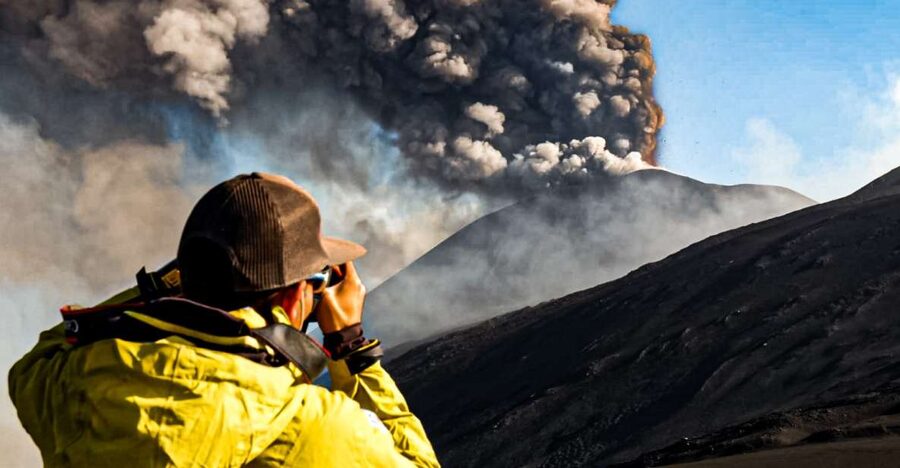
- Authorized volcanological guides lead you under active-volcano protocols and risk-level limits.
- 4×4 ascent from about 1800 m to 2800 m sets you up for big views without a full day of climbing.
- Crater-edge walking on the north slope feels wilder and quieter than the classic summit crowds.
- Rift, 1947 eruption craters, and volcanic cone entrances turn geology into a hands-on lesson (helmets included).
- A practical alternative when summit craters are off-limits due to volcanic risk.
- Small-group pacing by language and participant number keeps the experience moving and easier to hear.
Why Etna’s north side feels more real than the usual summit run
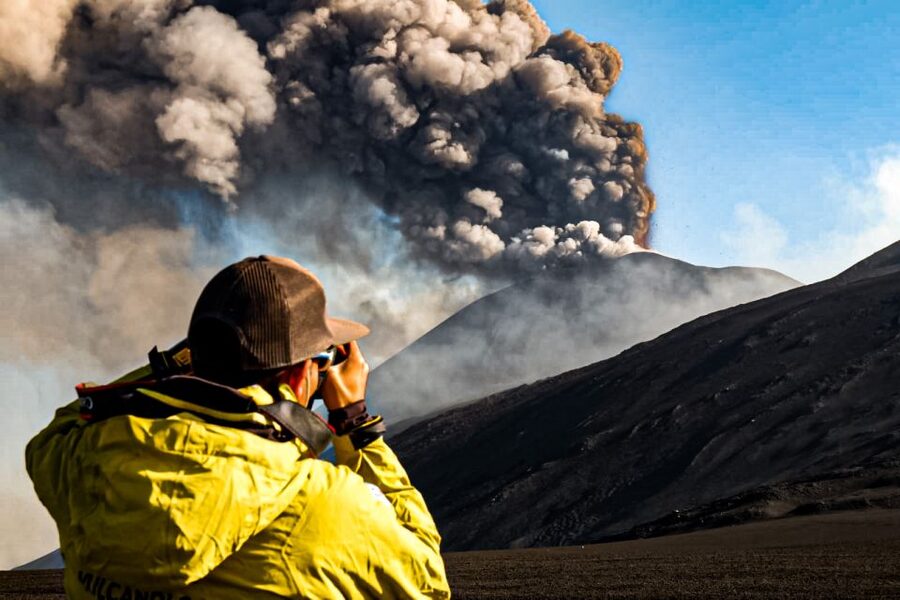
If you’ve ever done the most famous Etna options, you already know the problem: you can end up with a lot of bus time and not enough time where the volcano actually shows its work. This hike is designed for the opposite rhythm.
You go to the north side, where the terrain and volcanic features can feel raw and less packaged. You’re still close to dramatic Etna scenery, but the emphasis is on understanding the volcano through what you can see at ground level: fractures, ash slopes, crater rims, and the shapes left by past eruptions.
This matters because Etna isn’t just “a big mountain.” It’s a living system of eruptive activity, with lateral eruptions, ground cracking, and repeated rebuilding of the surface. When your route focuses on those mechanisms, you leave with a clearer mental map of how the volcano behaves.
You can also read our reviews of more tours and experiences in Catania.
Price and logistics: what you’re really paying for
The published price is $65 per person for a 4-hour guided experience. But there’s an important extra cost: a 50 euros per person vehicle fee paid on the day, for the 4×4 transport segments from around 1800 m up to 2800 m (and the downshift segments tied into the route plan). In other words, the “guide price” is real, but the “how you reach the high-altitude starting area” part has its own charge.
Then there’s the usual add-on of a parking ticket on the day (small fee, amounts can vary by day type). Plan for that and bring cash or be ready to pay on-site.
Is it good value? For me, yes, if you want expert guidance and a route that uses active-volcano safety rules to still deliver crater walking even when summit areas are restricted. You’re not just buying a walk; you’re buying trained interpretation, safety equipment, and the ability to access higher ground efficiently.
Meeting point near the Mareneve chairlift: arriving early helps
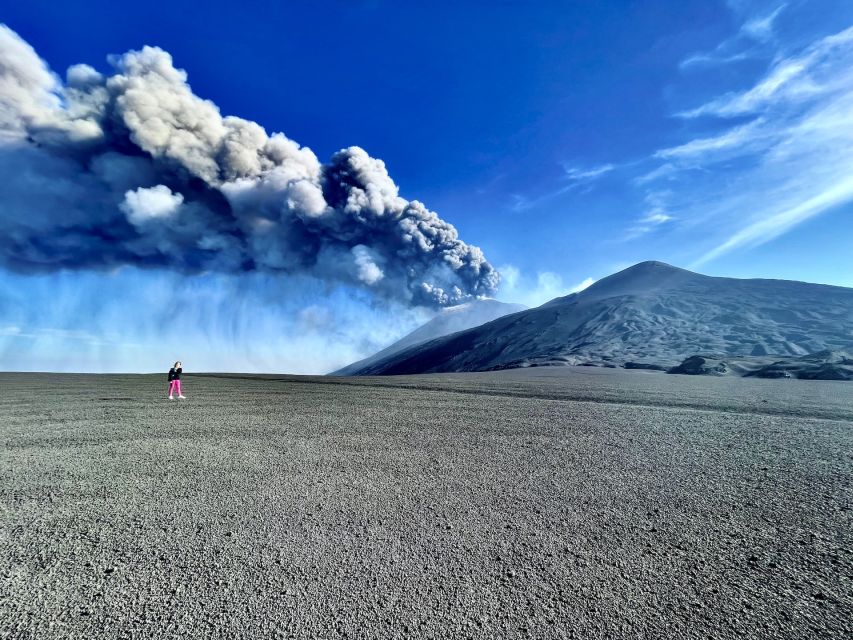
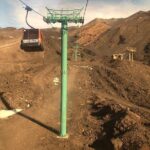
You meet at Chiosco Bar Mareneve, near the chairlift used by skiers in winter. It’s the second house of the four in the parking area, and the suggestion is to arrive a little early.
This matters more than you might think. The day depends on timing: the 4×4 ascent, safety check-ins, equipment distribution, and group spacing. If you’re late, you may slow the process for everyone, and you’ll feel it once the route gets serious.
A small practical note: there’s an instruction that the parking ticket is paid after the excursion, with the “don’t worry” reassurance, but you still should budget a few euros.
4×4 climb to the Volcanological Observatory (about 1800–2800 m)
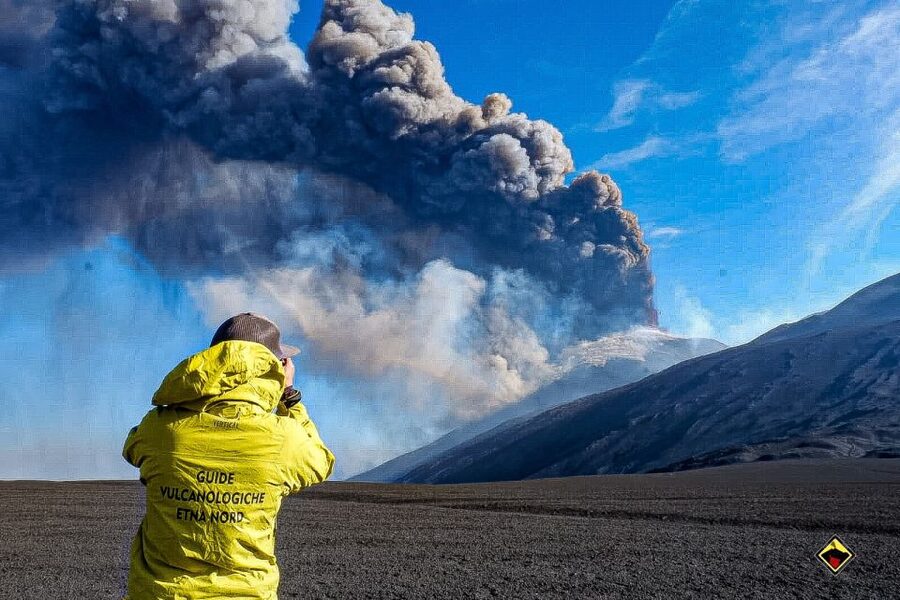
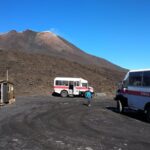
The route begins with an ascent by 4×4 vehicle, covering roughly 8 km of road while climbing from about 1800 m to 2800 m. Your volcanological guide starts explaining things right on board, so you’re not just traveling upward—you’re already learning what you’ll look for once you step out.
The high-altitude observatory area is where the experience sets its scientific tone. From there, the guide moves from general volcano basics to what’s relevant to this specific route: why the north slope shows particular features, and what you should expect to see in crater edges, rifts, and lava-formed structures.
This portion is also your reality check. If you’re sensitive to heights or breathing at altitude, the vehicle ride still gets you to a high elevation quickly. It’s not an all-day scramble, but it’s not low either.
The 2800 m panoramic stop: summit views without the scramble
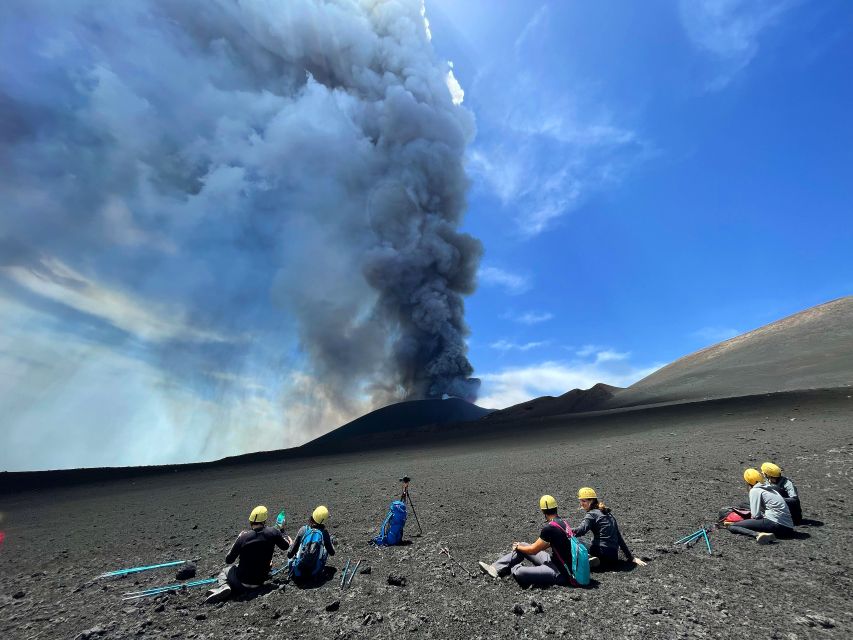
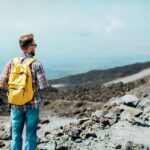
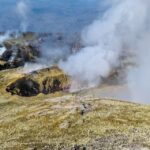
After reaching about 2800 m, you begin the first trek, roughly 2800 m up to around 2900 m. The key moment here is a panoramic stop where you look toward the summit craters, recent lava flows, and Sicily from above.
Visibility is variable with weather, and that affects what you can see. If clouds roll in or the air is hazy, you still get the educational part of the stop, but your view lines may be reduced.
One practical tip: treat this stop like your camera-time window. Everyone thinks the “main hike” will provide all the photos, but the view point is often the most dramatic wide-angle moment. Dress for wind here and keep sunglasses handy.
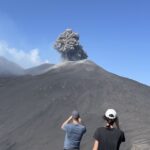
North crater edge trekking: rift, 1947 craters, and inside-cone helmet moments
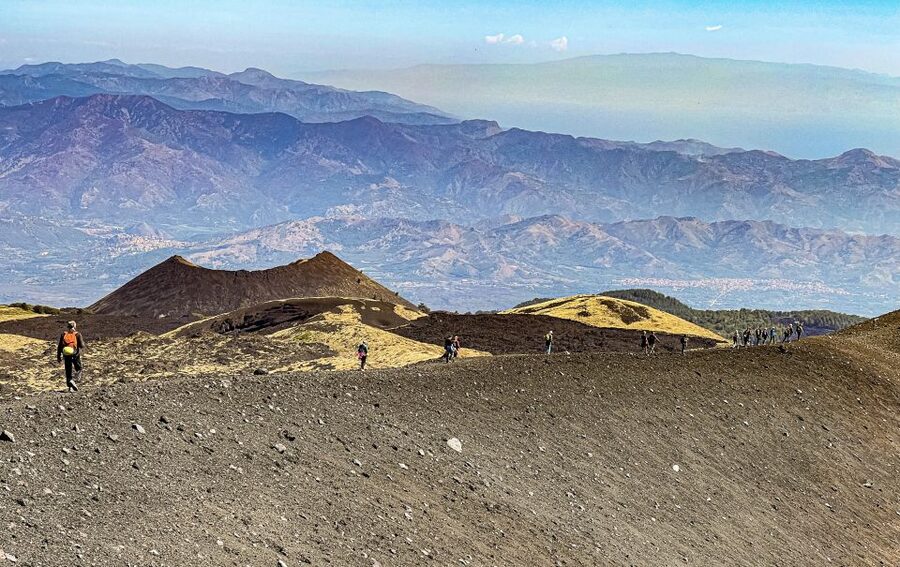
After the panorama, you return to the 4×4 to move to the north side of Etna, near the edge of one of the large craters. Then comes the longest walking segment, planned for about 6 km of trek up to Piano Provenzana.
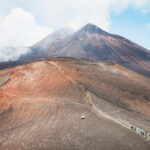
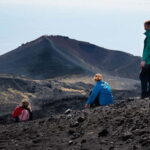
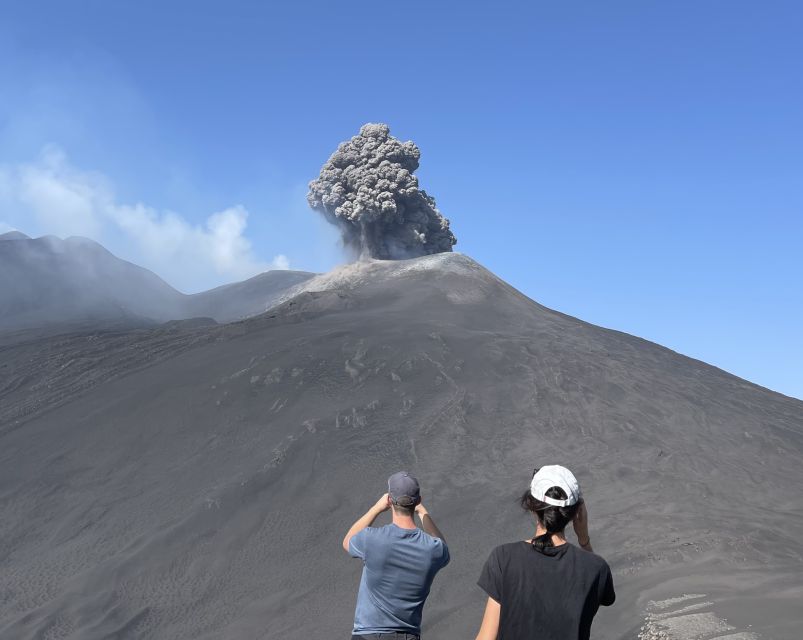
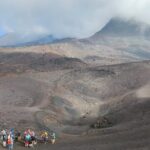
This is the part that earns the strongest praise, and you can feel why. You’re not only looking at craters—you’re moving along the edges of large explosive craters, stepping over slopes of volcanic ash, and passing through areas shaped by many different eruption periods.
Here are the features you can expect to focus on:
- The north side rift (a major fracture) where the volcano’s cracking tells a story about pressure release and shifting ground.
- The craters from the eruption of February 24, 1947, where the age of the eruption helps the guide explain what changes over time.
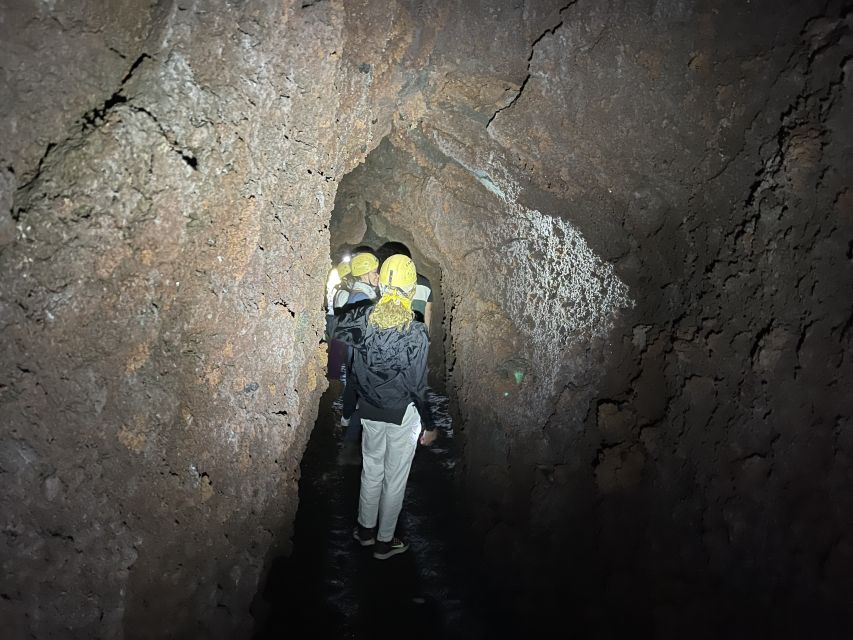
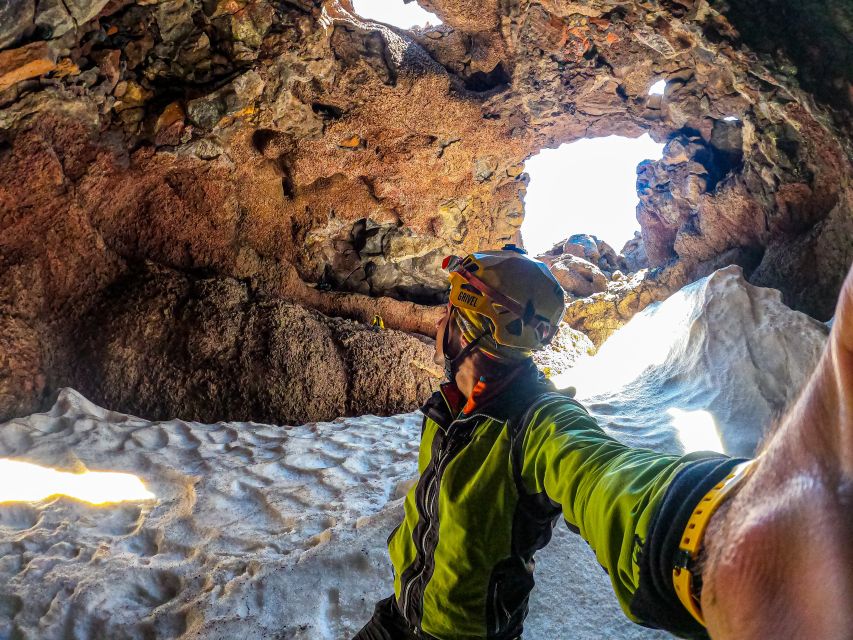
- A special stop with protective helmets where you enter a volcanic cone’s chimney area described as intact, and you also go into mouths connected to lava flows.
That cone-and-mouth section is a big deal. It turns geology from something you read about into something you experience through space and scale. It also explains why the tour comes with strict rules: if you’re claustrophobic, that interior element is not for you.
The route also names a long list of lateral eruption eras the guide connects to what you see: 1914/1924, 1809, 1874, 1879, 1911, 1923, 1974/1975, plus eruptions more recent than 2002. Even if you don’t memorize dates, the point is that the ground is layered with time—and your guide helps you spot the “then and now” signals.
The science is part of the walk: what your guide will do for you
The education isn’t a lecture that waits until you sit down. It’s built into motion, using what you’re standing on.
From the variety of guides who lead this route—people like Ciccio, Rafael, Vincenzo, Luca, and Daniele—you’ll likely get a style that mixes practical explanation with historical context and eruption mechanics. The unifying factor is that they’re trained to work within safety limits for active-volcano conditions.
What you should take away as a participant: you’re learning how to “read” the volcano. Once you understand fractures, crater edges, ash slopes, and lava-conduit logic, you start seeing patterns everywhere—on Etna, in general, and in volcanic terrain beyond Sicily.
How hard is it, and what to watch for at altitude
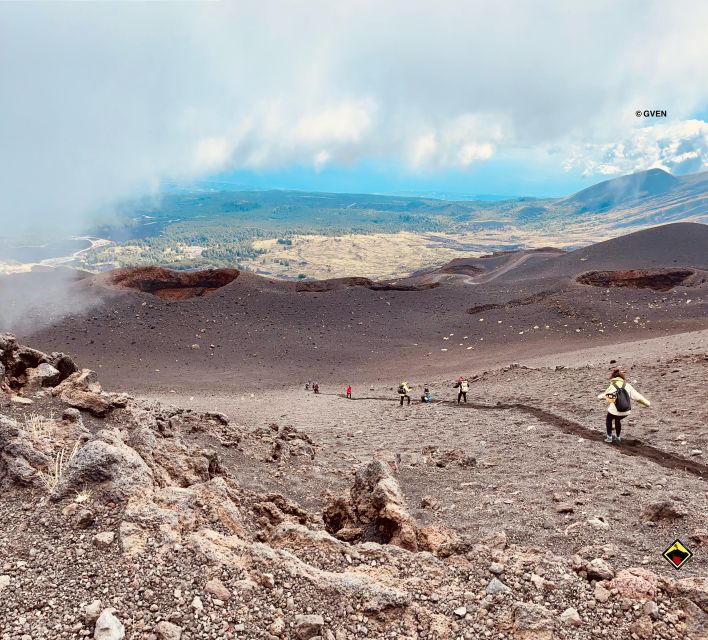
This trek is described as for moderately trained hikers and involves walking at high altitude along a route with crater edges and descent/ascent segments. The tour includes equipment like trekking shoes (provided), trekking poles, warm jackets, and extra socks, which helps a lot.
Still, don’t underestimate the environment. Even when hiking isn’t technically “climbing,” crater rims can feel exposed, and ash slopes can be slippery. The route may cause dizziness for susceptible individuals, and that’s explicitly noted as a consideration.
So be honest with yourself about:
- heights comfort (crater-edge exposure is real)
- vertigo risk
- claustrophobia (there is an interior cone chimney element)
- breathing sensitivity (respiratory issues are listed as not suitable)
- general fitness (you’ll be walking around 2900 m and then continuing in crater terrain)
If any of those are a no-go, you’ll be safer skipping this tour and choosing a different Etna experience that matches your limits.
What’s included, what you must bring, and how to avoid a bad surprise
A lot is included, which makes the packing list simpler than many volcano tours. You get:
- Authorized volcanological guide
- Trekking poles
- Protective helmets
- Accident insurance
- Trekking shoes
- Warm jackets
- Extra socks
- Backpack
That means you’re not arriving with zero gear. But you still should bring sensible clothing and your own comfort items.
Bring:
- windbreaker, sunglasses
- sunscreen
- snacks and drinks
- packed lunch (the tour doesn’t include lunch)
- comfortable clothes and long pants
- hiking shoes are listed, even though shoes are included, so assume you should have footwear that works if sizes don’t match perfectly
Also note what’s not allowed: alcohol in the vehicle. And avoid footwear that won’t work on volcanic ground—high heels, sandals/flip-flops, or open-toed shoes are specifically mentioned.
K-way/rain jacket is not included, so if rain or mist is common when you go, plan for a layer that cuts wind. Weather can change quickly at altitude.
Group size, timing, and why weather matters here
The tour uses a group system to avoid large crowds. Groups are distributed by number and language, so you should expect a more controlled pace and better listening conditions.
Time-wise, everything is designed into about 4 hours total, including the vehicle ascent and the two walking segments. That compressed structure is great for efficient sightseeing, but it also means you shouldn’t plan on wandering. The best experience comes from following the guide’s rhythm and staying close.
Weather is the wildcard. The tour can be canceled or postponed with adverse conditions, and you’ll be advised as early as possible. Fog and rain affect visibility for the panoramic moment and can make ash footing feel less fun, so don’t assume you’ll get perfect crater views every day.
Should you book Mount Etna: Special Hike on the Wild and Authentic Side?
Book it if you want the north side of Etna on a route that’s built for crater walking and real volcano interpretation. It’s a strong fit if you enjoy scientific context while you hike, and if you want an option that can still deliver when summit craters are closed due to volcanic risk. The combination of authorized volcanological guidance and access to crater-edge areas (including helmeted interior-cone moments) is the core reason to choose this one.
Skip it if you’re not comfortable with heights exposure, high-altitude walking, or interior spaces. Also skip if you know you’ll struggle with slippery ash terrain or if your health conditions make altitude or breathing issues a concern.
If you’re on the fence, ask yourself a simple question: do you want Etna for the view, or do you want Etna for the mechanisms? This tour is for the second one.
FAQ
How long is the Etna north side hike?
The total experience is about 4 hours.
What extra cost should I expect beyond the listed price?
Besides the $65 guide fee, there is a 50 euros per person vehicle cost paid on the spot for the 4×4 transport segments related to reaching the higher starting areas.
What language(s) is the tour guide?
The tour guide can speak French, Italian, or English.
Is trekking equipment included?
Yes. Trekking poles, protective helmets, trekking shoes, warm jackets, extra socks, and a backpack are included.
Is this tour still possible if summit craters are closed?
Yes. The route is described as a valid alternative in case summit craters are not accessible due to volcanic risk, with the hike taking you to the highest safely reachable point with guides.
What should I bring and wear?
Bring a windbreaker, sunglasses, sunscreen, snacks/drinks, and a packed lunch. Wear long pants and comfortable layers suitable for high altitude. Avoid sandals or open-toed shoes, and don’t bring alcohol into the vehicle.