REVIEW · CATANIA
Etna Volcano: South Side Guided Summit Hike
Book on Viator →Operated by Ashàra Etna & Stromboli Guides · Bookable on Viator
Etna is a front-row volcano show. I love the fact that this hike is run by volcanologist guides and it really stays centered on the crater rim views and what makes Etna tick. You’ll walk among lava flows, see gas emissions and volcanic bombs, and watch the ground sparkle in odd colors where minerals (like sulfur) are reacting with heat and air.
One thing to plan for: Etna is active, so the last stretch toward the summit can change when conditions get unsafe. On some days, heavy vapor and gas mean you might not reach the exact top you imagined, even though you still get a lot of dramatic crater walking and lava scenery.
In This Review
- Key highlights to know before you go
- First Steps on Etna South: Sapienza, cable car, and the jump to 2,800m
- Volcanologist guide and safety gear: what’s included (and what to bring anyway)
- Walking through lava worlds: craters, uneven ground, and real “volcano hiking”
- Valle del Bove: where Etna’s scale starts to click
- Central, Northeast, and Southeast craters: what you’re trying to see
- Rest and photo breaks: how the guide keeps the pace human
- Descent via Barbagallo craters and a lava-flow channel crossing
- Weather and packing: windproof rules for Etna’s summit altitude
- Pace, group size, and who this suits (and who should think twice)
- Price and value: $78.64 plus the cable car and 4×4 add-on
- Should you book this Etna South guided summit hike?
- FAQ
- Where is the meeting point for the Etna South guided summit hike?
- What time does the tour start and when does it end?
- How long is the tour?
- Is the tour offered in English?
- What gear is included?
- Are the cable car and 4×4 jeep included in the price?
- How physically demanding is this hike?
- Can the itinerary change because of volcano conditions?
- What happens if the weather is bad?
Key highlights to know before you go
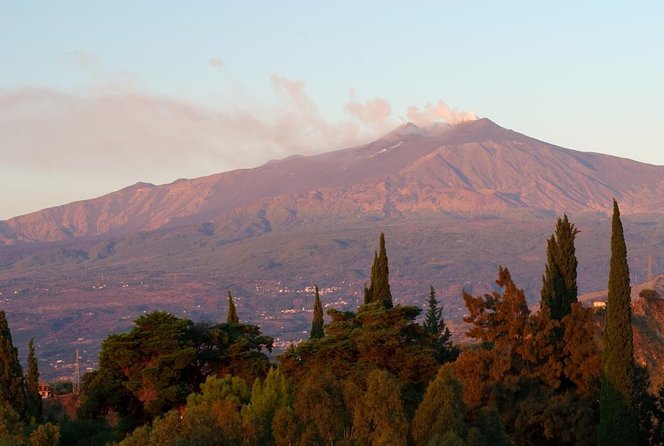
- Volcanologist-led hiking that focuses on safety and what you’re seeing, not just storytelling
- Up to 2,800–2,900 meters fast, thanks to the cable car/jeep portion (your legs do the rest)
- Safety gear included: helmet, trekking boots, and poles to help on uneven, sometimes slippery ground
- Crater-rim walking and photo breaks so you can pause without feeling rushed
- Big descent moments: Barbagallo craters and a lava-flow channel crossing
- Maximum group size of 20, which matters when you’re trying to hear explanations on windy ridges
First Steps on Etna South: Sapienza, cable car, and the jump to 2,800m
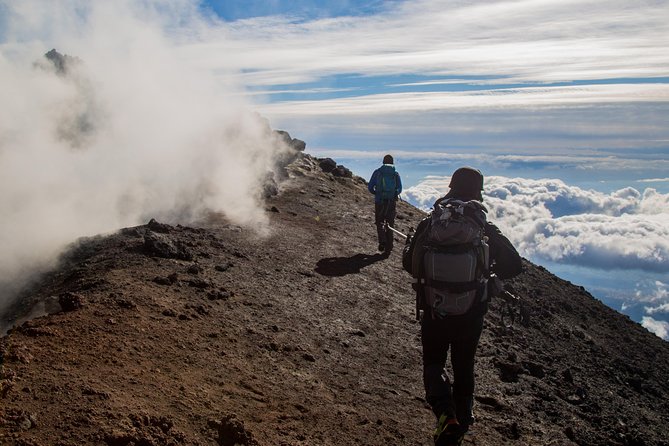
Your morning starts at Piazzale Rifugio Sapienza on Etna’s south side (Nicolosi area), with the day built around reaching high altitude quickly. The tour begins at 8:00am, and you’ll head up by cable car and then transfer by 4×4 jeep toward roughly 2,800–2,900 meters.
This matters because it changes the whole feel of the hike. Instead of spending half the day “just getting higher,” you get more time walking through the lunar-like zones that make Etna such a standout active volcano.
Once you’re up there, the atmosphere is different right away: thin air, serious wind, and that unmistakable volcanic terrain underfoot. It’s not a gentle viewpoint stroll—it’s a working hike with real elevation and changing ground.
You can also read our reviews of more tours and experiences in Catania.
Volcanologist guide and safety gear: what’s included (and what to bring anyway)
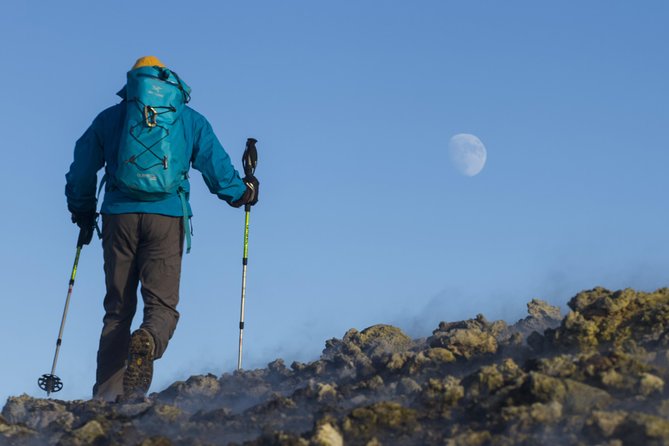
The heart of this experience is the volcanologist guide. You get someone trained to interpret the mountain’s behavior—why gas appears, why certain areas look freshly disturbed, and how the active craters can shift what’s safe on a given day. People I spoke with in past groups often named guides like Antonio, Max, Philippo, Massimo, and Simon, and the common theme was the mix of geology and safety awareness.
Gear is taken care of in the basics. You’re included with a helmet, trekking boots, trekking sticks (poles), plus insurance and volcanological guides. That’s a big value point because Etna conditions can punish wrong footwear fast.
What’s less certain is outerwear for wind. The overview mentions windbreakers and gloves, while the included list notes a wind jacket isn’t included. My advice: don’t gamble on it. Bring a proper windproof layer, plus a hat and gloves if you run cold.
Walking through lava worlds: craters, uneven ground, and real “volcano hiking”
After the transfers, you’ll start walking for about two hours across lava flows and the darker, powdered terrain that makes Etna look like another planet. Your route focuses on the upper crater zone and the rim walking experience—where you can see the volcano’s shapes up close rather than just from a distance.
Expect uneven ground. You’re on volcanic rock, gravel, and at times deeper sand/grit. Some days are fine; other days are slippery. Even when the climb feels manageable, the footing can force you to slow down and use your poles.
This is why the guides keep breaks part of the rhythm. The stops are not just for stretching; they help you catch your breath at altitude, and they give you a calmer window for photos. One practical tip that comes up again and again: wear the right colors and layers. Dark clothing is a comfort choice when you’re exposed to sun and wind.
Also plan for how you’ll feel on the descent. The downward part can be harder than it sounds because soil can be slick. Good shoes matter every step of the way down.
Valle del Bove: where Etna’s scale starts to click
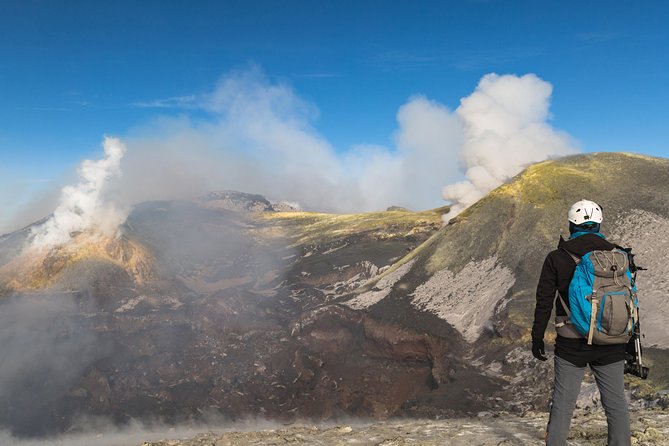
One of the route highlights is the Valle del Bove area, a dramatic volcanic valley that helps you understand how enormous Etna really is. Even if you’re not a geology nerd, your brain starts doing scale math: rims, slopes, and craters all stacking into a huge volcanic system.
This part of the hike is also where the environment starts to feel truly exposed. Wind becomes a constant companion, and you’ll learn quickly that “cool at the base” is not the same as “cold and gusting” up high. Some groups have reported extreme cold and snow on the summit area, so it’s wise to treat weather as a variable you must respect.
The payoff is the way the terrain opens into wide views. You’ll get those long looks over active zones and older formations, and the guide uses that to explain how eruptions shape what you’re standing on now.
Central, Northeast, and Southeast craters: what you’re trying to see
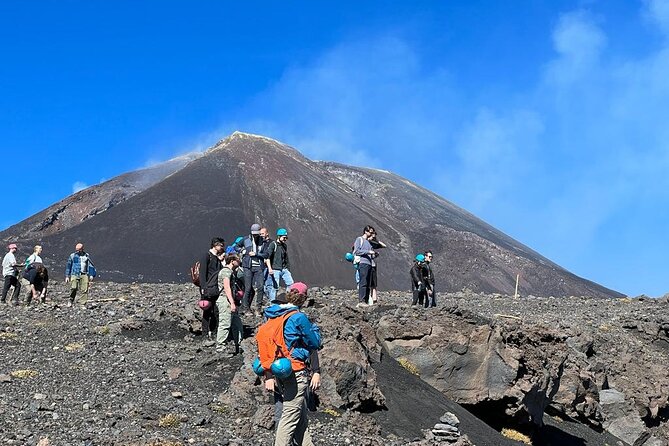
The central focus of the top area is walking around and along the crater zones—especially the Central Crater rim experience. You’ll also face the Northeast Crater, and from your side you can see the Southeast Crater, which is tied to more recent and impressive eruptions.
What makes this portion memorable is the mix of visuals and details. You’re not just looking at a hole in the ground. You’ll encounter gas emissions, volcanic bombs, and the weird sparkling tones from mineral sublimation—sulfur gets singled out as a star player here. If conditions are good, you’ll feel like you’re standing at the edge of an active process rather than a museum display.
One more reality check: access is not guaranteed in the same way every day on an active volcano. On days with too much vapor or gas near the main crater, the final summit approach can be adjusted. In practice, the guide still aims to give you the best safe views and crater walking possible—even if it means altering how close you get to the highest point.
Rest and photo breaks: how the guide keeps the pace human
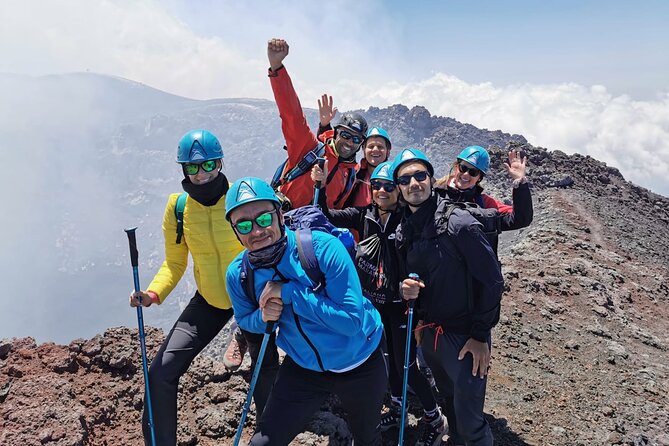
The hike includes planned pauses, and that’s not a small detail. At altitude, you need a consistent rhythm: breathe, regroup, listen, and then move again.
Photo stops are built into the schedule so you can capture the summit craters and sweeping panoramas without feeling like you’re constantly lagging behind. This is especially important when wind and cold make it tempting to rush.
I also like that the tour is framed around “admire the stunning natural beauty” while still respecting safety. The guide’s job isn’t just to keep you entertained—it’s to monitor conditions and help you move smartly through uneven volcanic terrain.
If your group includes quieter hikers, you’ll still benefit from those breaks because they give you time to catch up and stay in sync without feeling pressured.
Descent via Barbagallo craters and a lava-flow channel crossing
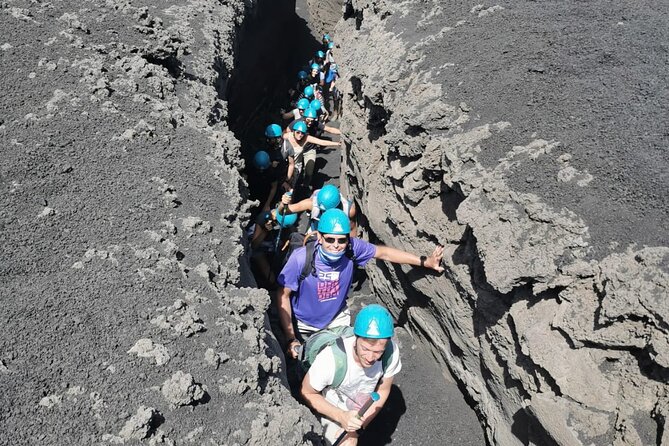
Coming down isn’t just “reverse the climb.” The route includes a visit to Barbagallo craters, plus a crossing of a lava flow channel during the descent. This is one of those moments that makes the whole day feel more than a viewpoint tour.
Crossing that channel is exactly the kind of terrain feature that changes how you feel about hiking boots and poles. It’s not technical climbing, but you must pay attention to footing and balance—especially with wind or if the ground is damp or loose.
The guide helps keep the group together so people can move at a safe pace. And if you feel slower, this kind of leadership matters: more than one guide in past groups was noted for helping hikers who weren’t moving as quickly as the front of the line.
At the end, you’re back down near 2500 meters using the Etna cable car, returning to the starting area. The day feels like a full loop: transfer up, hike the crater zone, transfer/cable down.
Weather and packing: windproof rules for Etna’s summit altitude
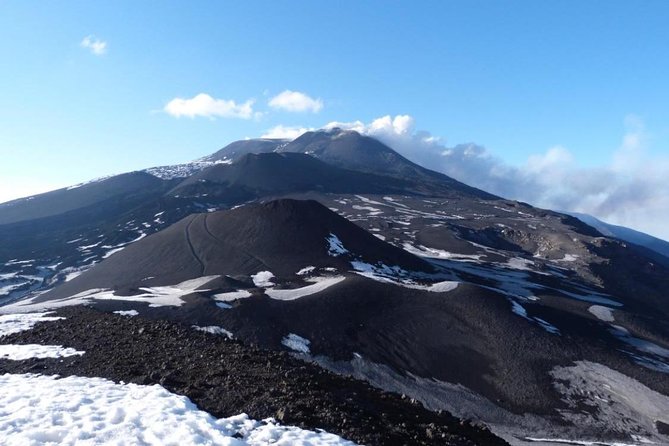
If you do just one thing right, pack for wind. Up high, it’s often freezing and gusty, even if the coast is pleasant. A windbreak and gloves aren’t optional for comfort, and a hat helps your head deal with the cold and the constant airflow.
Bring a warm layer for when you stop. Many hikes punish you most during breaks because your body cools down while you’re standing still. Some hikers also recommend a scarf/neck sock to block wind at the face and throat.
Food and water deserve your attention too. Bottled water and snacks aren’t included, so plan accordingly. One practical approach: grab lunch or a sandwich at the Rifugio before starting, then carry what you need for the day. You’ll thank yourself before the final stretch.
If you’re tempted to travel light, remember that this hike includes long stretches on volcanic terrain where turning back isn’t part of the plan. Bring what lets you keep walking comfortably.
Pace, group size, and who this suits (and who should think twice)
This is listed as medium-high physical difficulty, and you should be in perfect physical conditions to match the day comfortably. The hike is strenuous going up, with uneven ground and a descent that can be slippery. Reviews also mention the walk often adds up to around 8–10 km on foot, depending on conditions and how the day is adjusted.
The group size limit is 20 travelers, which is helpful for safety and for listening to explanations. One realistic caution: on very windy days, sound carries poorly and a larger group can make it tough to hear every detail. If you care about every word, try to stay near the front when the guide is talking.
This tour is best for hikers who:
- Enjoy sustained uphill effort and uneven footing
- Can handle altitude conditions and cold wind
- Like a structured guide who talks about geology while staying safety-focused
If you want an easy stroll or if slippery descents are a deal-breaker for you, you might feel stressed instead of excited. On Etna, your mindset matters as much as your fitness.
Price and value: $78.64 plus the cable car and 4×4 add-on
At $78.64 per person, you’re paying for the guided crater hike experience plus core gear. You get helmet, trekking boots, poles, insurance, and volcanological guides. That’s a meaningful bundle, because renting or buying gear yourself can quickly eat your savings.
But the transfers up the mountain aren’t included in the stated price. The cable car and 4×4 jeep tickets cost about €65 per person, paid locally. So your “real” total is closer to the add-on + the tour price combined.
Is it worth it? For me, the answer is yes if you want a guided crater-focused day rather than independent sightseeing. You’re paying to reduce the time lost on lower hiking, get into the higher zones faster, and have a guide who helps you navigate an active volcano safely. If you were planning to do Etna on your own, you’d still have to solve crater access, gear, and safety decisions. Here, that structure is built in.
Should you book this Etna South guided summit hike?
Book it if you want a guided, crater-centered Etna experience with a volcanologist and you’re comfortable with a medium-high, windy, uneven hike. The included helmet, boots, and poles remove a lot of friction, and the crater rim walking gives you a view of Etna’s active systems that most day trips can’t match.
Pass or consider an easier option if slippery descents, altitude, and wind-driven cold are problems for you. And remember: because it’s an active volcano, the exact “how close to the main crater” part can vary based on gas and vapor conditions. You’re still choosing a high-energy, high-impact mountain day—but it’s not a guarantee of a perfect final-top photo under every sky.
If you’re ready for that reality, this is one of those rare experiences where the mountain feels alive—and your guide helps you see it the right way.
FAQ
Where is the meeting point for the Etna South guided summit hike?
You meet at Ashàra Etna & Stromboli Guides at Piazzale Rifugio Sapienza, 95030 Nicolosi CT, Italy.
What time does the tour start and when does it end?
It starts at 8:00am and ends back at the meeting point.
How long is the tour?
The duration is about 6 hours.
Is the tour offered in English?
Yes, it’s offered in English.
What gear is included?
Included items are a helmet, trekking boots, insurance with volcanological guides, and trekking sticks (poles).
Are the cable car and 4×4 jeep included in the price?
No. Cable car and 4×4 jeep tickets cost about €65 per person, paid locally.
How physically demanding is this hike?
The hike requires moderate-high physical fitness and good physical conditions.
Can the itinerary change because of volcano conditions?
Yes. Since Etna is active, the itinerary may vary if safety conditions require adjustments.
What happens if the weather is bad?
This experience requires good weather. If it’s canceled due to poor weather, you’ll be offered a different date or a full refund.