REVIEW · EVORA
From Montemor or Évora: Guided Hike to Almendres Megalithic
Book on GetYourGuide →Operated by Burriscas Adventure PT · Bookable on GetYourGuide
The stones of Almendres are still speaking. This guided hike pairs a moderate-to-high intensity walk in the Serra de Valverde with real cultural context from locals like Pedro, plus eye-level time at the Almendres megalithic complex. I especially like how the guide turns the walk into a guided walk through land, plants, and people, not just a stop-and-photo routine.
One thing to consider: this is not a gentle stroll. It covers about 8 kilometers with some steeper sections, and it’s not suitable for people with back problems or low fitness.
In This Review
- Key Highlights You’ll Actually Care About
- Where This Walk Fits In: Évora’s Prehistory Meets the Present
- First Leg: Pick-Up, Van Ride, and the Castelo do Geraldo Build-Up
- The Hike Through Serra de Valverde: 8 Kilometers, Marked Trails, Real Effort
- Cork Trees, Olive Country, and What You Learn While Walking
- Castelo do Geraldo Views: Évora Looks Different From Up Here
- Almendres Cromlech and the Menhir of Almendres: Why a Guide Makes the Difference
- The Traditional Restaurant Break in Valverde: Lunch on Your Own, Pacing in Your Hands
- Almendres Interpretive Center in Guadalupe: Making Sense of What You Just Saw
- Price and Value: What $47 Gets You (and Why It’s Not Just a Ticket)
- Logistics That Matter: Group Size, Languages, and What to Bring
- Who Should Book This Hike (and Who Should Skip It)
- Should You Book the Guided Hike to Almendres?
- FAQ
- FAQ
- How long is the Guided Hike to Almendres Megalithic?
- Where does the tour pick you up?
- How intense is the hike?
- What megalithic sites will you visit?
- Is lunch included?
- What’s included besides the hike?
- What languages are spoken by the guide?
- Who should not book this tour?
Key Highlights You’ll Actually Care About
- Small group (up to 12): you get more back-and-forth with the guide instead of being herded.
- A proper hike in Serra de Valverde: about 8 km through mountain trails, not a light wander.
- Castelo do Geraldo viewpoint time: you get big views of Évora before the megaliths.
- Almendres explained on-site: the guide helps you understand cromlechs and the Menhir of Almendres.
- Snack and water included: you’re not scrambling halfway through.
- Almendres Interpretive Center in Guadalupe: the walk has a follow-up stop to make sense of what you saw.
Where This Walk Fits In: Évora’s Prehistory Meets the Present
If you’re already in Évora, this is one of the smarter day choices because it doesn’t keep you trapped in town streets. You’ll leave the city rhythm behind and spend time in the Serra de Valverde, where the terrain, vegetation, and views make the prehistoric setting feel believable.
What makes this tour work is the pacing. You don’t just arrive at a site; you earn your arrival with a hike. That means when you finally stand near the stones, you’re not mentally in airplane mode. You’re paying attention.
You’ll also get an “Alentejo with a pulse” feel. In addition to the megaliths, guides cover local life topics you can actually picture, like cork farming and olive-country resources. In my kind of travel brain, that’s what turns a landmark into a lived-in place.
First Leg: Pick-Up, Van Ride, and the Castelo do Geraldo Build-Up
The day starts with round-trip transportation from Évora or Montemor-o-Novo, then a short van ride toward the hike area. You’ll spend a chunk of time around the Castelo do Geraldo region before heading deeper toward Almendres, and this matters because it acts like a warm-up for both your legs and your eyes.
The Castelo do Geraldo stop isn’t just a quick look. You get a guided tour there, plus time walking and doing wildlife viewing when conditions allow. Even if you’re not chasing rare animals, this is a great moment to slow down, read the terrain, and get your bearings.
Practical note: if you get motion-sick easily, the van segments are short enough for most people, but bring common sense—water and a steady head help.
The Hike Through Serra de Valverde: 8 Kilometers, Marked Trails, Real Effort
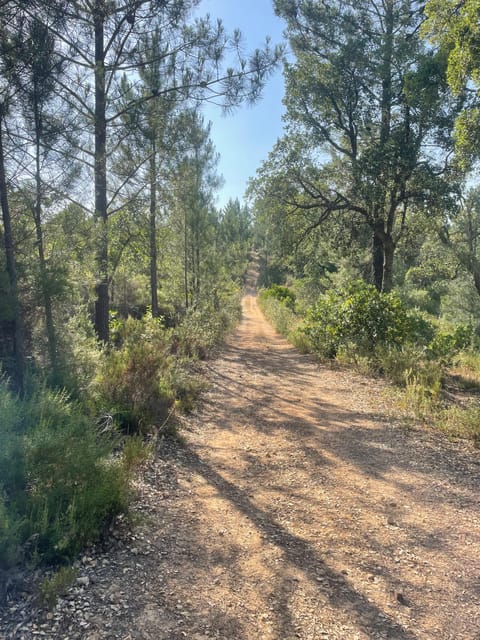
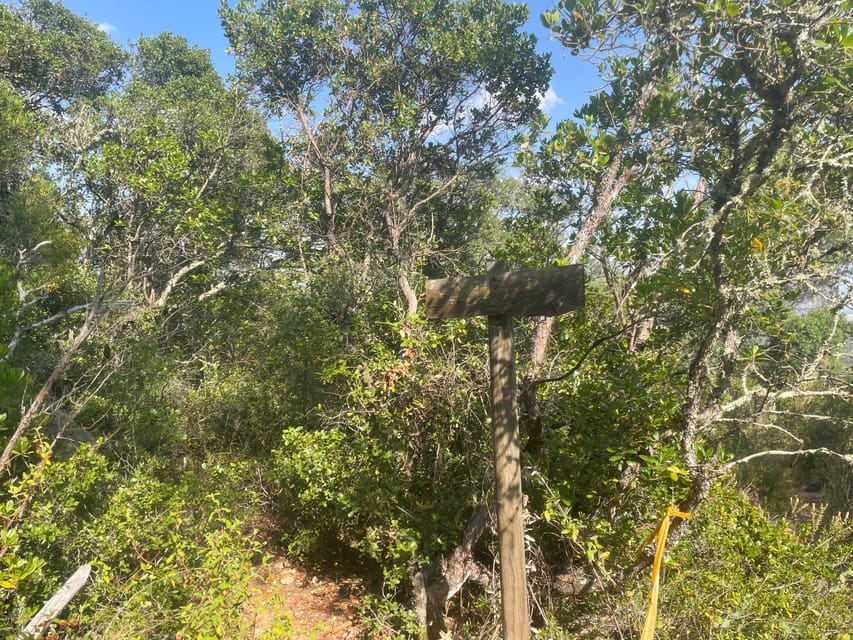
This is the heart of the tour: a medium-to-high intensity walk through the Serra de Valverde. You’re looking at about 8 kilometers, and you’ll want comfortable shoes because you’re on paths that can include steeper sections.
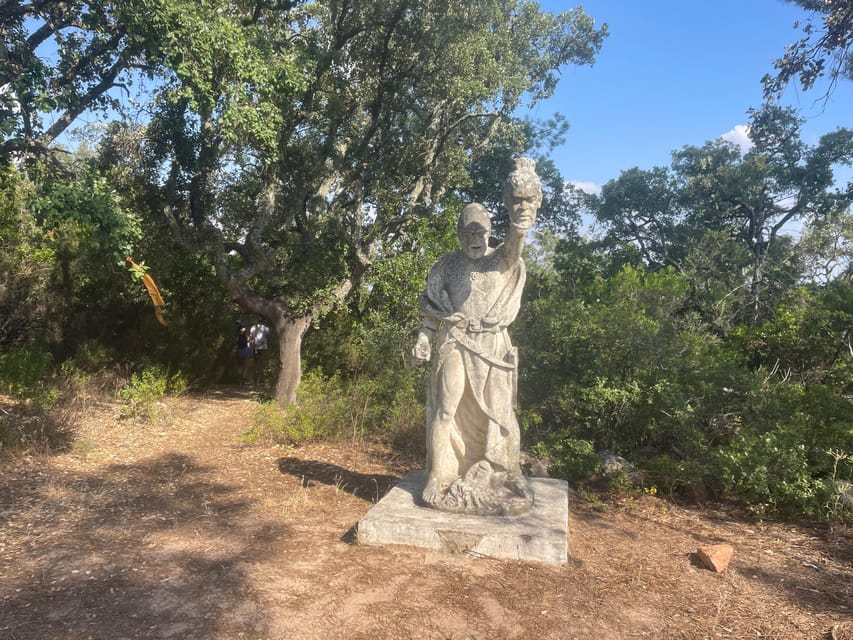
The good news: the route is marked. That takes a lot of stress out of it, especially if you’d rather focus on scenery and learning than on navigation. You’ll also pass through sections of forest where cork trees show up in a meaningful way—up close enough to actually notice what makes cork-country special.
Here’s the other practical detail from experience: it can be hot. The walking includes some steep moments, and one review mentioned the steepest part is right near the beginning. So if you’re planning your effort, think “start steady, then settle in.”
What you might not expect until you’re out there: the walk isn’t only about views. The guide may point out local plants and land uses, and the conversation often turns into practical local knowledge—like how water resources work in the region. Even if you don’t memorize every detail, you’ll leave with a clearer mental map of how people live here.
Cork Trees, Olive Country, and What You Learn While Walking
A lot of hikes stop at scenery. This one adds “why this place looks like this.” Because the guide is on foot with you, you can ask quick questions and get answers in real time instead of waiting for a lecture at the end.
Guides like Pedro (and others such as Claudia, depending on the group) know the area in a family-to-generations way. That local perspective shows up in how they explain cork and olive-country details. One of the most memorable topics from the tour is cork—what it is, why it matters, and what it means for the landscape of the region. You may also hear about local resources and even seasonal plants, including berries used in alcohol production.
Even the wildlife viewing piece connects back to the human story. When you understand how land is used—cork trees, olives, water management—the animals and birds feel less random. They feel like part of the same system.
Castelo do Geraldo Views: Évora Looks Different From Up Here
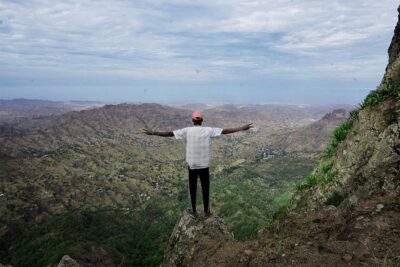
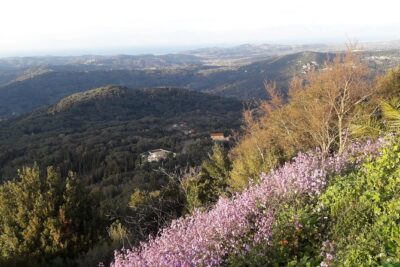
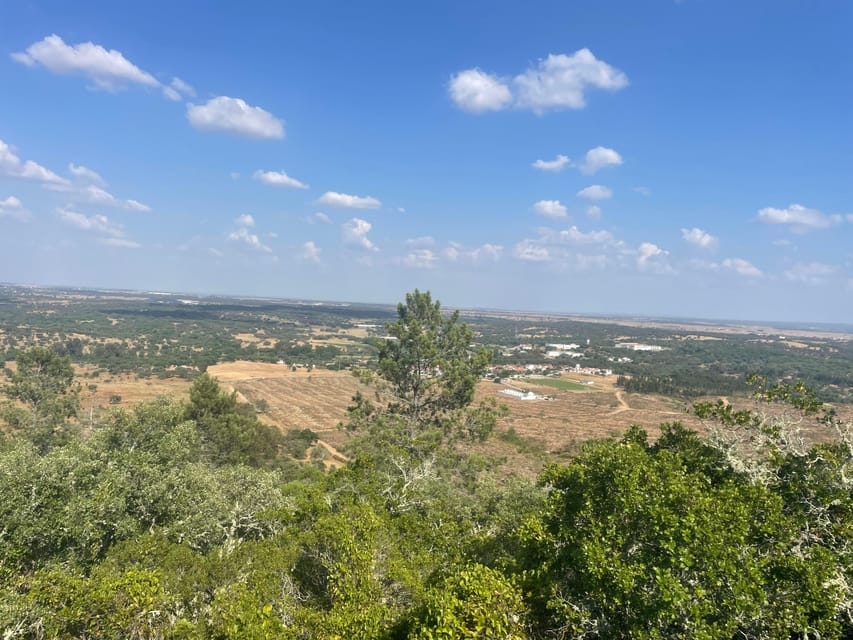
Before the megaliths, you’re given a viewpoint moment at Castelo do Geraldo. This is one of those “pay attention” stops. Évora looks strong from this angle. You can see how the city sits in relation to the hills and natural surroundings.
I like this sequence because it builds context. If you visit the megaliths first, you might treat them like a separate stop. But with the viewpoint first, you start thinking about distance, movement, and how people would have seen this place thousands of years ago.
This also gives you a short break before the longer megalith time. Use it wisely: take photos if that’s your thing, but also just look for 60 seconds without filming. The views do the work when you let them.
Almendres Cromlech and the Menhir of Almendres: Why a Guide Makes the Difference
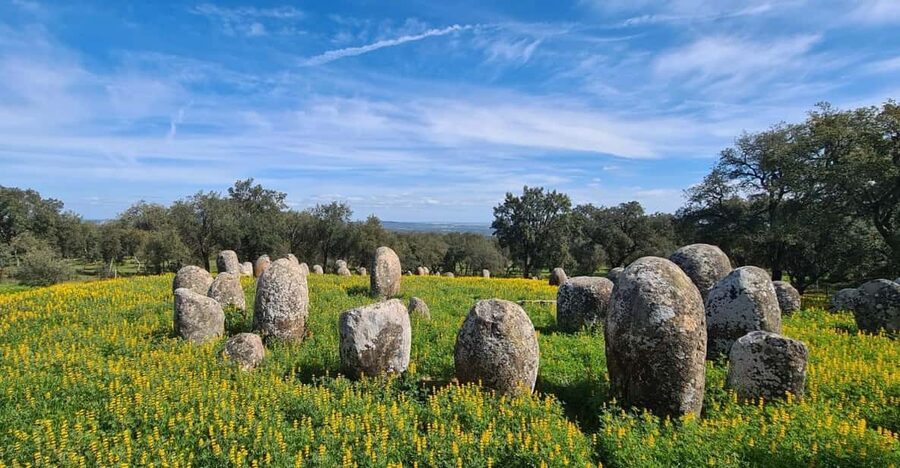
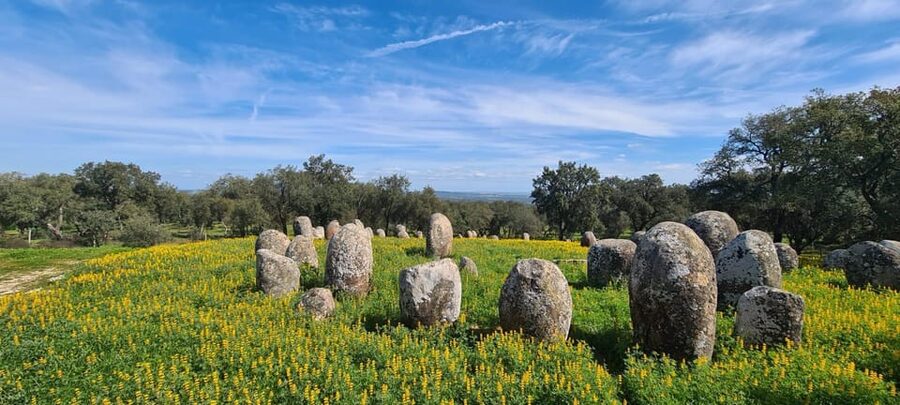
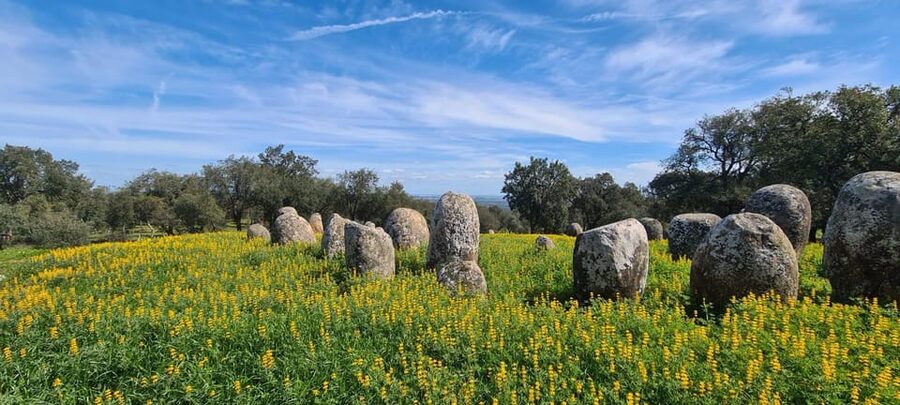
When you reach Almendres, you’re stepping into one of Portugal’s major prehistoric settings. The stones are nearly 8,000 years old (as described in the tour context you’ll hear), which is the kind of fact that can either impress you… or make you feel lost.
This is where the guide earns their fee. Instead of treating the cromlechs like scenery, the guide helps you understand what you’re seeing: the Almendres Cromlech and the Menhir of Almendres. You’ll get a guided visit that explains significance and helps you connect the arrangement of stones to the broader prehistoric story.
Time-wise, the on-site visit is about 30 minutes. That’s not long, but it’s also not rushed if the group stays together. The trick is to use the guide’s explanation like a pair of glasses. Once you understand the basics, you start noticing lines of sight, spacing, and the way the site sits in the terrain.
A small-group format helps here. With a limit of 12 participants, you’re less likely to feel like background noise. You can hear the guide, and the guide can adjust if you’re stuck on a question.
The Traditional Restaurant Break in Valverde: Lunch on Your Own, Pacing in Your Hands
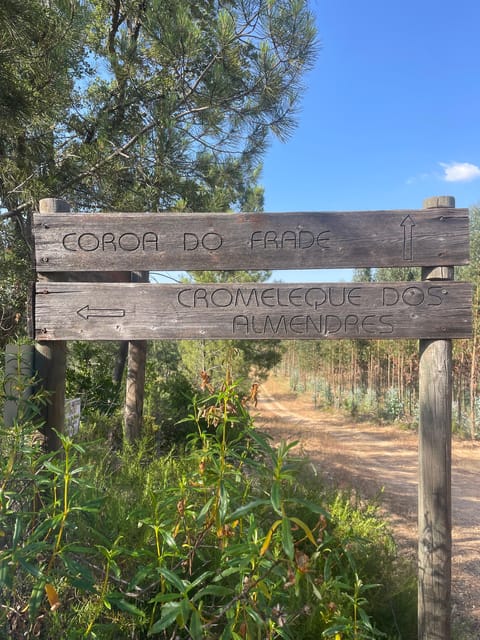
After the morning hike portion, you’ll have time at a local restaurant in Valverde. Lunch is not included, so you’ll pay your own way—but the benefit is that you don’t end up searching for food while your energy is running down.
Because this tour includes a snack and water for the hike, you’re not starting lunch starving. Still, you’ll probably want to eat something hearty enough to reset your energy. This is a good moment to slow down and let your body cool off.
One tip: if you’re the kind of person who tends to over-order when you’re hungry, try eating at a calm pace. You’ll be doing another stop after lunch.
Almendres Interpretive Center in Guadalupe: Making Sense of What You Just Saw
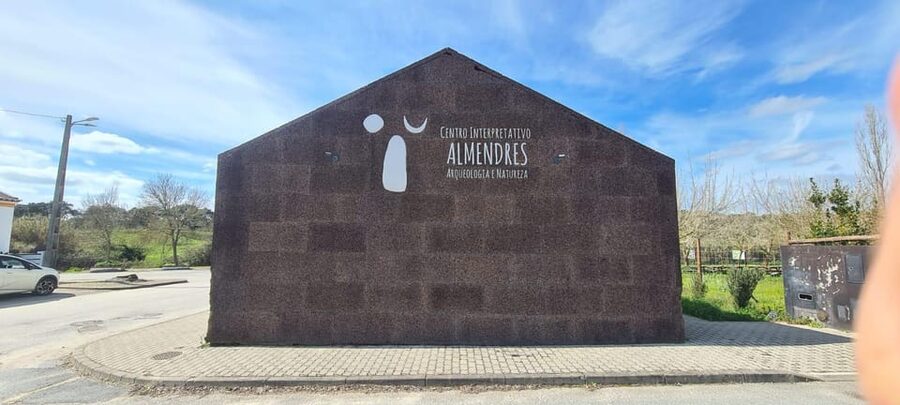
The day ends with a visit to the Almendres Interpretive Center in Guadalupe. This is a smart pairing because the stones are only one part of the story. The interpretation center helps connect the “what” (cromlechs and menhirs) with the “why” (prehistoric life and how people used places like this).
Even if you’re not the museum type, interpretation centers work best after you’ve walked the terrain. Your brain has real reference points now: the path you took, the views you got, and the feeling of the site itself.
This is also where the guide’s earlier explanations can click. The tour isn’t just moving you from point A to B. It’s giving you a framework, then reinforcing it at the end.
Price and Value: What $47 Gets You (and Why It’s Not Just a Ticket)
At about $47 per person for roughly a four-hour experience, you’re paying for three things: guided hiking time, transportation from Évora or Montemor-o-Novo, and structured site access including the interpretation center.
That’s not pocket change, but it’s also not overpriced if what you want is more than a bus ride to a photo spot. The guided component is the value driver here. When a guide explains the megaliths, and also shares local knowledge like cork farming and water resources, the tour becomes a learning experience tied to the physical hike.
Also, the small group matters. In a big tour, you’d lose some of that explanation time. Here, the experience is built around staying close to the guide so you can actually follow what’s happening.
Logistics That Matter: Group Size, Languages, and What to Bring
This is a small group tour capped at 12 participants, led by a live guide in Portuguese and English. The small size is not a marketing detail here. It changes how much you hear and how easy it is to ask questions.
What to bring is straightforward, but don’t treat it like a suggestion:
- Comfortable shoes for trail walking
- Water and a small snack plan (snack and water are provided for the hike, but you’ll still want to be comfortable)
- Expect some steep parts, so choose footwear with grip
If you’re coming from Évora or Montemor-o-Novo, the round-trip transportation is a big help. It keeps the day focused and reduces the hassle of coordinating rides around rural trails.
Who Should Book This Hike (and Who Should Skip It)
This tour suits you if you:
- Like hiking with a purpose, not just a stroll
- Want guided explanations at the Almendres megalithic sites
- Prefer small groups and real conversation with a guide
- Enjoy nature details like cork trees and olive-country stories
I’d skip it if you:
- Have back problems
- Have low fitness
- Know you struggle on hikes with some steep sections
It’s not a brutal trail, but it’s also not “easy walking.” It sits in the middle where you need to be reasonably comfortable on uneven ground.
Should You Book the Guided Hike to Almendres?
Book it if you’re in the Évora area and you want your prehistoric visit to feel connected to place. The combination of a Serra de Valverde hike, Castelo do Geraldo viewpoint time, guided interpretation of the Almendres Cromlech and Menhir, and the Guadalupe center is a strong arc. It’s also a solid choice if you value the guide’s local knowledge, especially the kind shared by Pedro.
Pass if you’re mainly after a low-effort sightseeing day, or if you’re not comfortable with about 8 kilometers of hiking with some steeper sections. In that case, you’ll likely get more enjoyment from a gentler option.
FAQ
FAQ
How long is the Guided Hike to Almendres Megalithic?
The tour lasts about 4 hours.
Where does the tour pick you up?
You can start from either Évora or Montemor-o-Novo.
How intense is the hike?
It’s described as moderate to high intensity, with an approximately 8-kilometer walk through the mountains.
What megalithic sites will you visit?
You’ll visit the Almendres Megalithic Complex, including the Almendres Cromlech and the Menhir of Almendres.
Is lunch included?
No. You can have a meal at a local restaurant in Valverde, but lunch is at your own expense.
What’s included besides the hike?
The guided walking tour, transportation from and back to Évora or Montemor-o-Novo, a visit to the megalithic sites, snack and water for the hike, and the Almendres Interpretation Center in Guadalupe.
What languages are spoken by the guide?
The guide speaks Portuguese and English.
Who should not book this tour?
It’s not suitable for people with back problems or for people with low level of fitness.
If you want, tell me your fitness level and the month you’re going, and I’ll suggest the best way to pace the hike and when to ask the guide for the most explanation time.