REVIEW · BIG ISLAND OF HAWAII
Guided 3-Hour Hike in Volcanoes National Park
Book on Viator →Operated by Volcanoes Hiking Guides · Bookable on Viator
Steam, sulfur, and a lava-lake walk. This guided 3-hour hike drops into Kīlauea’s Halemaʻumaʻu Crater, starting with steam vents and sulfur deposits, then moving through crater rainforest before you reach the lava-lake views at the crater floor. The whole experience feels like a guided field trip through one of the most active places on Earth, with a chance to see current volcanic drama if conditions line up.
Two things I especially like: the small group size (max 10) and the way the guide connects what you’re seeing to Hawaiian culture and local volcano science. Guides such as Jennifer and Yvonne also keep the hike moving and make the details stick, even when it rains. The main consideration is that the hike requires moderate fitness and you’ll also need to budget the $15 Volcanoes National Park entrance fee per person, on top of the tour price.
In This Review
- Key Points Worth Packing In Your Brain
- Kīlauea’s Halemaʻumaʻu Hike: What Makes the 3 Hours Feel Worth It
- Price and Park Fees: The Real Cost of the Adventure
- Meeting at the Kīlauea Visitor Center: Start Point and Pace
- Mile One Into Halemaʻumaʻu: Steam Vents and Sulfur Deposits
- Crater Rainforest Walk: ʻŌhia Trees, Tree Ferns, and Honeycreeper Birds
- Reaching the Kīlauea Crater Floor: The Lava Lake Moment
- Back Up the Crater: Rim Views Toward Moʻona Loa
- Guides Jennifer and Yvonne: Why the Interpretation Lands
- Weather Reality: Rain, Slippery Ground, and What to Bring
- Who This Hike Is Best For (and Who Might Skip It)
- Should You Book This Volcanoes National Park Hike?
- FAQ
- What is the duration of the Guided 3-Hour Hike in Volcanoes National Park?
- How much does the tour cost, and what’s included?
- Do I need to pay a separate Volcanoes National Park entrance fee?
- Where do I meet for the hike?
- What fitness level do I need?
- Is the group small?
Key Points Worth Packing In Your Brain
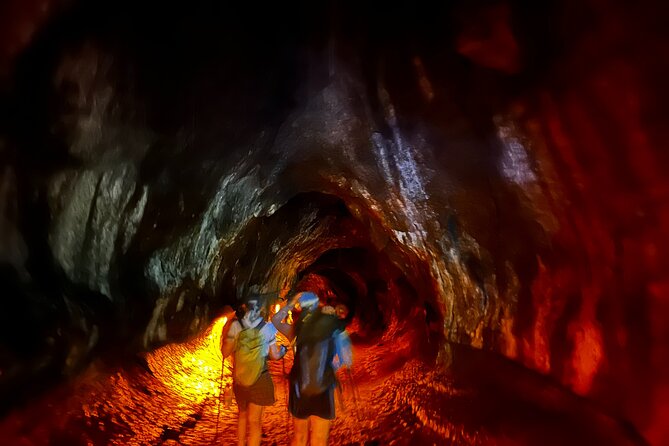
- Halemaʻumaʻu crater descent: You’re walking down to the crater floor, not just viewing from above.
- Steam vents and sulfur up first: The first mile sets the tone fast, with active-looking geology.
- Crater rainforest walkthrough: Tree ferns, ʻōhia, and honeycreeper birds come into focus as you drop lower.
- Small group advantage: With up to 10 people, questions and pace feel manageable.
- Licensed guide interpretation: Guides like Jennifer and Yvonne add Hawaiian legends plus real “why it looks like that” explanations.
- Big finale views: The lava lake is the star, and you might catch eruption activity if you’re lucky.
Kīlauea’s Halemaʻumaʻu Hike: What Makes the 3 Hours Feel Worth It
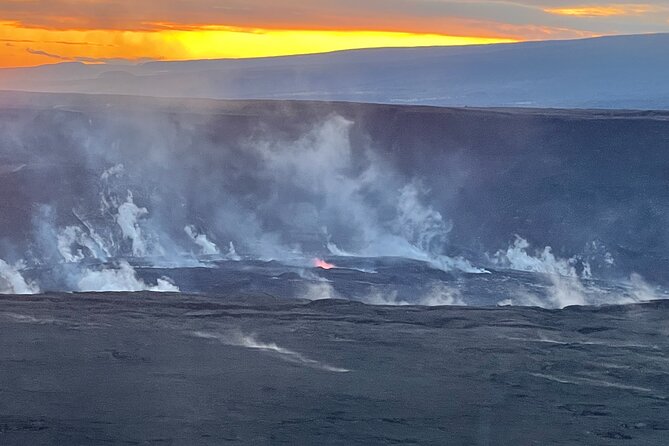
This is a classic Big Island “go closer” experience. Instead of staying at the rim, you descend into Halemaʻumaʻu Crater and work your way through changing terrain—from steam-and-sulfur zones to rainforest, then back up with crater views. You’re basically traveling through different moods of Kīlauea in one morning or afternoon block.
The best part is that the hike is short enough to stay exciting, but long enough to feel like an actual journey. You get the drama early, the living plants mid-trail, and then the raw power of volcanic activity at the bottom. If you’re the type who likes to see how a place works, not just what it looks like, this format fits.
You can also read our reviews of more tours and experiences in Big Island of Hawaii.

Price and Park Fees: The Real Cost of the Adventure
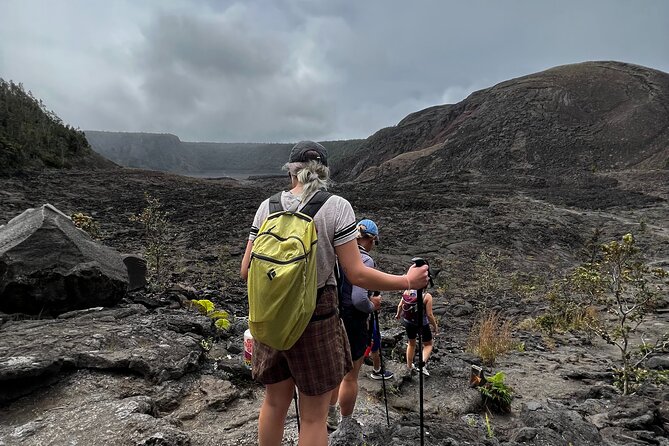
The tour price is $120 per person for about 3 hours with a licensed guide. Gear is part of the deal: you get trekking poles and a backpack. That matters more than it sounds. Poles help on uneven volcanic ground, and having gear covered means you can travel lighter.
Then comes the add-on: Volcanoes National Park entrance is $15 per person (not included). So you should plan on roughly $135 total per person for the hike experience. When I think about value, I focus on what’s hard to DIY: getting down safely, reading the geology, and understanding the plants and bird life in a volcanic crater. A good guide turns a walk into comprehension.
Also, the group is capped at 10, which helps you avoid the “crowd shuffle” problem. For a paid hike with real interpretation, that smaller size is a big part of the value equation.
Meeting at the Kīlauea Visitor Center: Start Point and Pace
You meet at the Kīlauea Visitor Center at 1 Crater Rim Drive, Volcano, HI 96785, and the hike ends back at the same meeting spot. That’s convenient because you’re not juggling complicated transfers after a climb.
You’ll also want to show up with the right mindset: this is a guided walk with a moderate fitness requirement. Expect uneven volcanic surfaces and a descent that asks your legs to do real work. The tour runs in English, and you’ll get a mobile ticket after booking.
The “small group” limit is not just a marketing line. It tends to mean the guide can slow down for questions and adjust the pace if someone is struggling, especially on sketchy footing after rain.
Mile One Into Halemaʻumaʻu: Steam Vents and Sulfur Deposits
In the very first mile, you get that unmistakable volcanic feeling right away. The trail takes you past steam vents and sulfur deposits, remnants that point to active geological processes. This is the part where you start noticing details that you’d normally miss if you were walking it alone.
What helps here is context. A licensed guide can explain what you’re seeing—why steam moves, what sulfur indicates, and how the crater environment changes as you go deeper. And because you’re hiking down into the crater, you’re watching geology at work in “layers,” not just observing one view.
Practical note: steam areas can smell strongly (sulfur) and the ground can be irregular. On rainy days, footing can be extra slick. In one case, the tour ran through rain the whole time, and the guide’s explanations still made it feel worthwhile rather than annoying.
Crater Rainforest Walk: ʻŌhia Trees, Tree Ferns, and Honeycreeper Birds
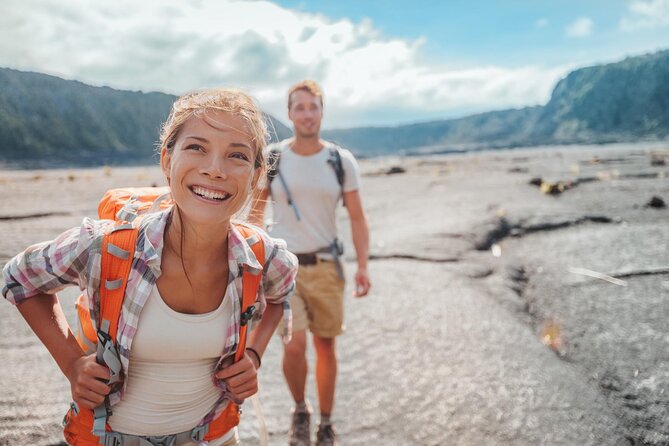
After the geologic shock of the first mile, the scenery becomes biological—and that’s a huge part of why this hike is memorable. As you move through the crater, you’ll see tree ferns and ʻōhia trees. These plants have adapted to life in a volcanic crater, where conditions can be tough and constantly shifting.
Birds are part of the show too. The hike includes a chance to hear or spot honeycreeper birds, adding sound to the scenery. Even if you’re not a birdwatcher, it changes your experience. You’re not just looking down at rock; you’re tracking a living community that survives right alongside volcanic activity.
One smart thing the guides do—based on how Jennifer and Yvonne are described—is connect the plants and animals to Hawaiian stories and crater-specific realities. That turns a plant checklist into understanding. You’ll start to recognize patterns: how vegetation appears where it can, and why certain species are better suited to the conditions.

Reaching the Kīlauea Crater Floor: The Lava Lake Moment
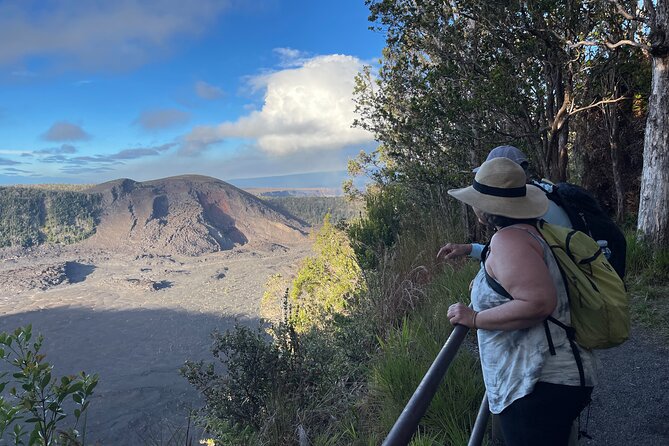
The hike’s main payoff comes when you reach the bottom of the crater and the views open up. You’re looking for the lava lake—the kind of sight that makes you stop thinking in words and start thinking in awe.
This is not just a photo opportunity. Being down at the crater floor changes your perspective. You’re closer to the source energy of the landscape, so it feels like the volcano is less an idea and more an active neighbor. The guide’s job here is to help you interpret what’s visible, what’s changing, and why the crater floor looks the way it does.
If the weather holds and conditions allow, you may also catch current activity. The tour description frames this as a maybe, not a guarantee: if you’re lucky, you might even see an eruption during or soon after your walk. Even without that, the lava-lake viewpoint is the reason many people book.
Back Up the Crater: Rim Views Toward Moʻona Loa
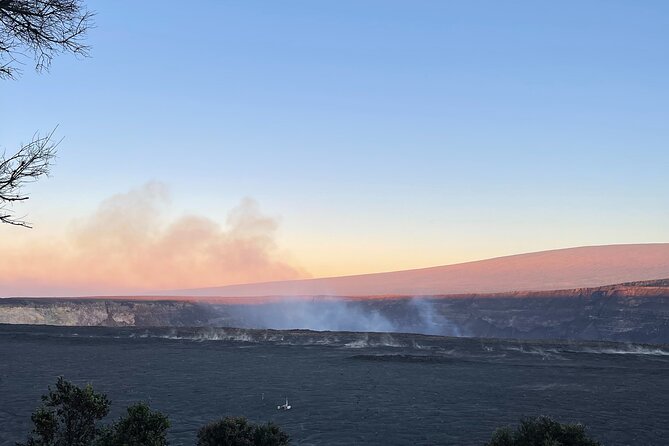
On the way back, you start looking outward again. You’ll get breathtaking views of the Kīlauea crater, plus a distant glimpse of Moʻona Loa. This is where the hike does something clever: it reminds you the crater is part of a larger volcanic system.
Even if your legs are tired, the change in scenery helps. Your body catches up emotionally. You’ll have time to absorb the bigger picture: the crater isn’t isolated—it’s connected to a much wider landscape and volcanic history.
It’s also a good moment to take stock of what you learned earlier. Steam vents, sulfur, rainforest plants, birds—on the return, those details start to feel like clues. You can see how the environment supports life even while the ground stays restless.
Guides Jennifer and Yvonne: Why the Interpretation Lands
This hike lives or dies by the guide. The consistently praised theme is that guides like Jennifer and Yvonne are organized, friendly, and able to explain what you’re seeing in a way that sticks. You’re not just hearing facts; you’re getting guided attention.
One detail that shows up in the feedback is preparation. In rain or changing weather, guides show up with hiking support items—like sticks for balance and extra items for comfort—so you’re not left scrambling. That kind of readiness makes a difference on a slippery descent.
Another reason people rave here (and I mean that as a useful note for your planning) is how guides weave in Hawaiian legends and culture along with volcano science. You’ll likely finish the hike feeling like you understood the place rather than just survived it. If you care about both nature and story, this tour hits the sweet spot.
Weather Reality: Rain, Slippery Ground, and What to Bring
This experience depends on good weather. If conditions are poor, the hike may be canceled, and you’ll be offered a different date or a full refund. That matters because rain doesn’t just mean you’re wet—it can change how safe and comfortable the crater walking feels.
In one account, rain hit the whole time, and the tour still worked because the guide kept things interesting and purposeful. Still, you’ll want to plan like rain is possible. Wear shoes with grip, dress in layers, and bring a rain layer you trust. Bring a small day bag for water and essentials, even though you’ll have a backpack provided.
And keep your expectations grounded: volcano terrain can be uneven on a good day. In wet conditions, you’ll feel every rocky step. If moderate fitness is your limit, take that seriously and choose good footing.
Who This Hike Is Best For (and Who Might Skip It)
This tour is a strong fit if you want a guided walk that includes both geology and living things—steam vents, crater rainforest, birds, and then the lava-lake viewpoint. It also suits people who like a small group and a guide who talks through what you’re seeing.
You should consider skipping or choosing a less physical option if you don’t do well with steep descents or uneven terrain. The tour calls for moderate physical fitness, so it’s not a stroll. Also, if you’re trying to minimize costs, don’t forget the $15 park entrance fee per person.
On the other hand, if you’re traveling as a couple, with friends, or as a family where everyone can handle a moderate hike, this format has enough variety to keep interest high. The combination of active volcanic features and rainforest biology is a rare one-two punch.
Should You Book This Volcanoes National Park Hike?
I’d book it if you want more than a rim view. The value is in the guided descent into Halemaʻumaʻu Crater, the chance to reach the crater floor, and the lava-lake payoff—with a guide who can explain both the plants and the volcano. At $120, plus the $15 park entry, it’s priced like a serious guided experience, not a casual walk.
I’d think twice if you’re very sensitive to weather changes or if moderate hiking doesn’t feel comfortable right now. In that case, the volcano will still be amazing—but you might enjoy a different format that matches your pace.
If you’re up for a short but meaningful hike, in a small group, with real interpretation, this one is a solid choice on the Big Island.
FAQ
What is the duration of the Guided 3-Hour Hike in Volcanoes National Park?
The hike lasts about 3 hours.
How much does the tour cost, and what’s included?
The tour costs $120 per person and includes trekking poles, a backpack, and a licensed guide.
Do I need to pay a separate Volcanoes National Park entrance fee?
Yes. Volcanoes National Park admission is $15 per person and is not included in the tour price.
Where do I meet for the hike?
You meet at the Kīlauea Visitor Center, 1 Crater Rim Drive, Volcano, HI 96785, USA.
What fitness level do I need?
The tour requires travelers with a moderate physical fitness level.
Is the group small?
Yes. The hike has a maximum of 10 travelers.