REVIEW · BIG ISLAND OF HAWAII
Big Island GOAT Experience: Mauna Kea Summit, Sunset & Stars
Book on Viator →Operated by Hawaii Island Holidays · Bookable on Viator
Mauna Kea turns the sky into a live show. I like that this trip gets you to the summit by 4×4 without you worrying about the drive, and I also love the small group setup that makes the astronomy lesson feel personal. The one real drawback: it is very cold and breezy up there, so your regular vacation jacket can feel like a joke.
Guides like Tay, Kella/Kellah, Chris, and Valerie pop up in the experience with a mix of Hawaiian stories and practical sky spotting, and that’s what makes the night click. You’re also getting real tools—like a professional Celestron view—plus a night photo taken for you. Still, go in with clear expectations: clouds can steal the star-gazing part, and the altitude is not nothing.
In This Review
- Key things to know before you go
- Mauna Kea summit sunset and stars: what this tour delivers
- Price and value: what $289 buys you on Mauna Kea
- Getting up the mountain: 4×4 comfort, cold gear, and altitude reality
- Stop at Mauna Kea summit: sunset, laser guidance, and telescope time
- Halepōhaku / Onizuka Center: a short culture-and-astronomy bridge
- Warm jackets, gloves, snacks, and the included pro photo
- Weather, moonlight, and the telescope: how to set expectations
- Who should book this Mauna Kea sunset and stars tour
- Should you book Big Island GOAT Experience: Mauna Kea summit sunset and stars?
- FAQ
- FAQ
- Where does pickup happen for the Mauna Kea summit sunset and stars tour?
- How long is the Mauna Kea sunset and stars experience?
- What kind of transportation do you use to get to the summit?
- What do you provide for staying warm?
- Do you get to use a telescope?
- Is there an age limit?
- Is the tour suitable for pregnant travelers or people with medical conditions?
- How strenuous is the tour?
- Are there restrooms available?
- Is dinner included?
- How does weather affect cancellation?
Key things to know before you go
- You’ll ride up in a small-group 4×4 and get warm gear right at the summit area
- Sunset first, stargazing second, with a laser-pointer guided sky tour
- Halepōhaku/Onizuka Center stop adds culture + astronomy context in a short, focused visit
- A pro camera night photo is included, but you’ll still want your own for the big moments
- Weather matters: if it’s cloudy, the sunset may still be gorgeous, but the stars can be muted
Mauna Kea summit sunset and stars: what this tour delivers
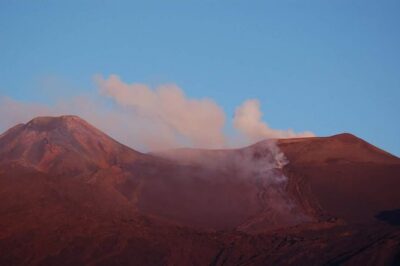
This is a Big Island night trip built around one goal: getting you to Mauna Kea’s summit area when the sky is at its best. You start with pickup in Hilo, Waikoloa Village, or Kailua-Kona, then you’re moved up the mountain in a comfortable 4×4 van with a maximum group size of 14. That small number matters because the guides aren’t stuck herding people in a crowd.
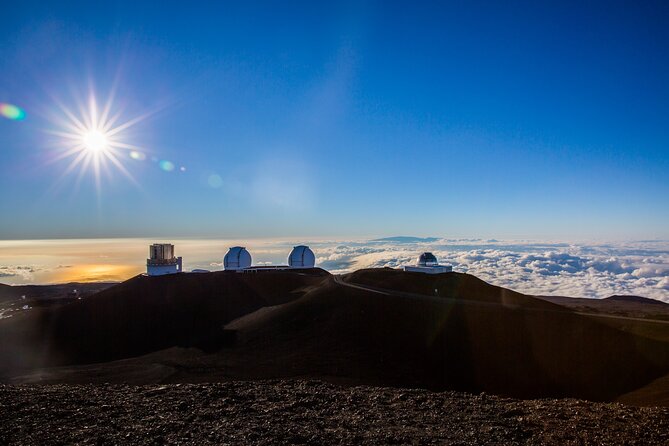
Once you reach the summit zone, you swap into provided cold-weather gear—think jacket and gloves—and then the guide runs the show. This is where the experience turns from sightseeing into education: you get Hawaiian cultural context tied to the mountain, and you get a guided stargazing session that uses a laser pointer to show you what you’re looking at.
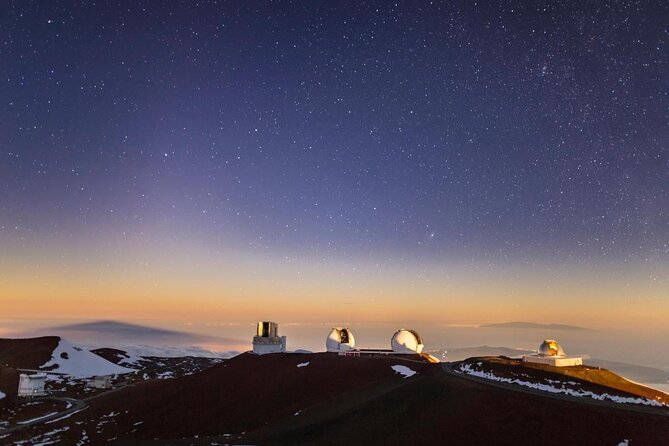
The altitude is part of the deal. The visitor station sits at 9,200 feet, while the summit is about 13,796 feet, so you should plan to move slowly and take it easy at the top. You’re there for hours, so comfort counts.
You can also read our reviews of more tours and experiences in Big Island of Hawaii.

Price and value: what $289 buys you on Mauna Kea
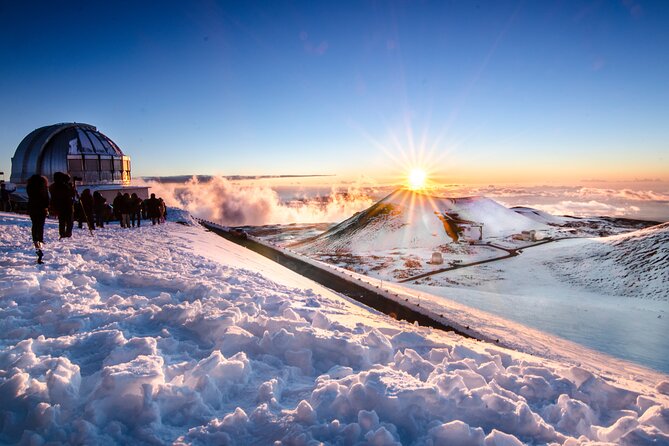
At $289 per person for a 7–8 hour outing, you’re paying for three things: logistics, cold-weather support, and astronomy instruction.
First, you’re not driving the mountain road yourself. That’s not just convenience. It’s a big stress reducer when it’s getting dark, the air is thinner, and conditions can change fast. The round-trip transit in a 4×4 is a real chunk of the value here.
Second, cold-weather items and hot drinks reduce what you need to pack. Some reviews praise extra snack bags and warm beverages, and at this altitude, those small comforts help you stay outside longer. Jackets and gloves are included, but you’ll still want to layer properly.
Third, the night “software” is included: a laser-guided lesson, a professional Celestron telescope view (weather permitting), and a free night photo taken for you with their pro camera. If you’ve ever tried to point your phone at stars and felt sad about the results, you’ll understand why this matters.
Could the value feel weaker on a cloudy night? Yes. One mismatch that shows up in the experience is how much stargazing depends on conditions. But even then, the sunset from this elevation can still hit hard.
Getting up the mountain: 4×4 comfort, cold gear, and altitude reality
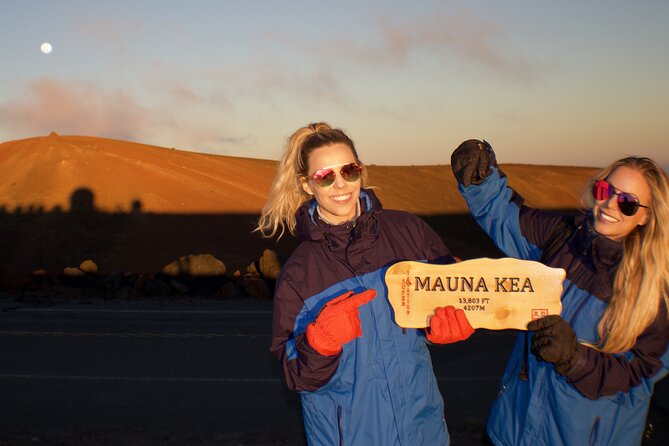
The trip is paced like this: pickup → mountain drive → summit time → stargazing time → return. You’ll spend serious time in the van, and that’s true for nearly every Mauna Kea night tour. If you hate being in transit, this might feel long.
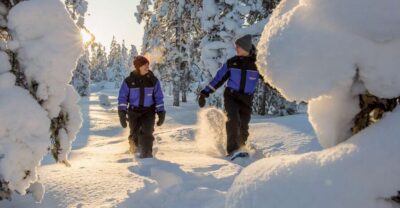
Once you reach the summit, you’ll be in an environment that changes fast: cold air, wind, and lots of time standing outside. Reviews consistently stress that temperature surprises people, even in winter. They also suggest bringing layers and, in some cases, extra hand warmth.
A few practical tips that show up again and again:
- Bring more than gloves, even though gloves are provided. Some people found the provided gloves didn’t fully cut the cold.
- Layer up properly. Warm jacket + warm hat beats relying on one thick item.
- Consider toe or hand warmers if you run cold.
Altitude is the other big factor. The tour expects at least moderate physical fitness, and you’ll have a noticeable elevation shift as you go higher. If you struggle with altitude headaches or shortness of breath, pace yourself. One review mentioned a person adjusting better when the group returned to lower elevation due to wind, and that’s a good reminder to take your limits seriously.
Stop at Mauna Kea summit: sunset, laser guidance, and telescope time
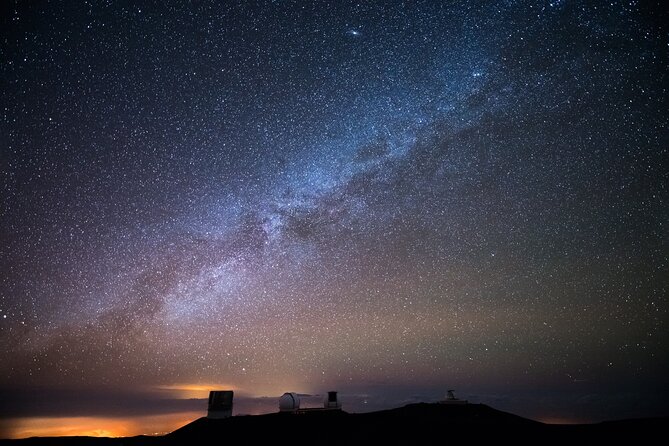
The summit portion is the main event, and it lasts about 4 hours. This is where you’re suited up for warmth, you grab a snack or hot drink, and you settle in for the transition from sunset to night sky.
During the sunset hour, the guide typically mixes three kinds of info:
- What you’re seeing in the sky as it darkens
- Why Mauna Kea is such a magnet for astronomy
- Hawaiian cultural stories tied to the mountain
A laser pointer is used to help you orient quickly. That part matters because the sky isn’t obvious at first glance—especially after you’ve been staring at bright day views all afternoon. With the laser guide, you can learn constellations, spot planets, and understand where you’re looking without guessing.
Then comes telescope time. The tour offers a professional Celestron telescope view (weather permitting). That’s also where the “magic moment” tends to happen. Reviews mention seeing deep-sky targets like galaxies, and people often come away amazed that what they saw through the telescope didn’t just look like normal night dots.
One caution: if the sky stays cloudy, you can lose the crisp stargazing portion. Some people got a stunning sunset but had clouds limit the star viewing. Still, a bright sunset at summit altitude can be worth the trip even when the stars aren’t perfect.
Halepōhaku / Onizuka Center: a short culture-and-astronomy bridge
After the summit, there’s a stop at Halepōhaku (Onizuka Center for International Astronomy) for about 30 minutes. This is shorter than the summit portion, but it adds meaning.
The Onizuka Center stop is about context. You learn that Mauna Kea remains sacred in Hawaiian tradition even though it’s home to multiple international observatories today. The discussion can include legendary ties to deities and how access to the summit used to be restricted to high chiefs and priests. One story you might hear centers on Queen Emma’s visit to the summit in the 1800s and the arduous trek involved.
This stop helps you connect the modern science piece to the cultural side instead of treating the mountain like a theme park. It’s also a nice “breather” after summit time, even though you’re still at high elevation.
Warm jackets, gloves, snacks, and the included pro photo
This tour gives you the basics for comfort, and the reviews suggest that’s not fluff. At the summit, being cold can shrink how long you want to stand and look upward. Having provided jackets and gloves increases your chances of staying out for the whole experience.
You also get snacks and a hot beverage. That sounds simple, but on a night tour with limited food options later, it helps keep energy steady. One review singled out hot chocolate and warm treats, which is exactly what you want when the wind is doing its best impersonation of a freezer.
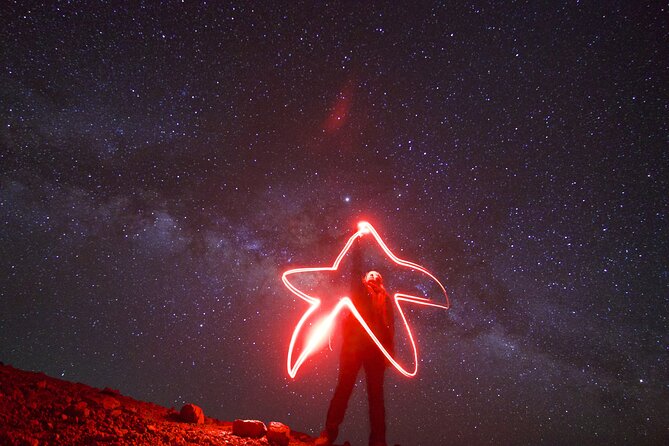
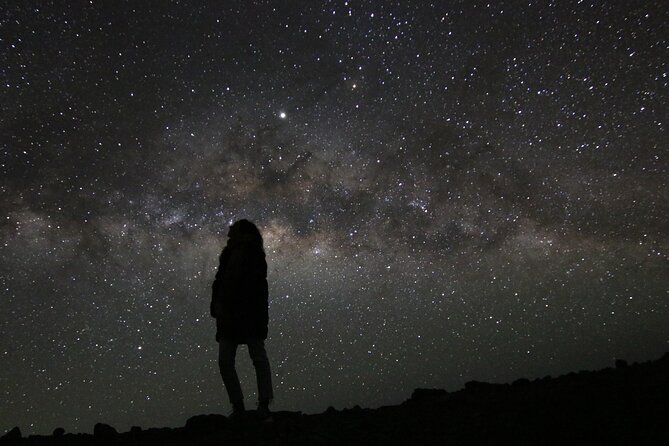
The free night photo is another underrated perk. You’re in the summit glow and then the stars come out—those moments are tough to time for great personal photos. With a pro camera capturing you at the right time, it’s one less thing to stress about while you’re trying to absorb the sky.
Do keep in mind: the photo link experience can be hit or miss depending on your phone and connection. If you care about immediate downloads, plan to check the link later with reliable Wi‑Fi.
Weather, moonlight, and the telescope: how to set expectations
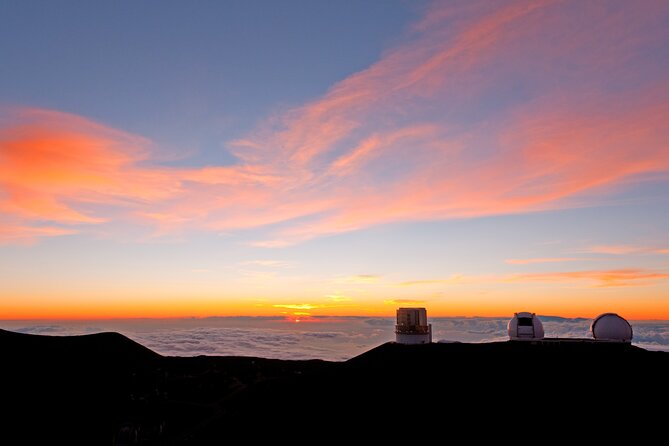
Weather is the big invisible variable on Mauna Kea. The tour requires good weather, and poor conditions can trigger a different date or a refund offer. That’s not just policy—it’s the reality of stargazing.
Cloud cover is a common theme. If the sky is cloudy, the sunset can still look dramatic from high altitude, but the telescope and naked-eye stars may be partially obscured. If the moon is up bright, you might get fewer faint stars even when the sky is clear.
That said, a cloudy night doesn’t always mean a dull night. One account described clouds that briefly broke, revealing stars when conditions aligned. Another described a night with full moon rising plus extra sky events like visible satellites.
The point: this isn’t a guarantee of a perfect star show every single time. It’s a guided best-effort astronomy experience where you go prepared for surprises.
Who should book this Mauna Kea sunset and stars tour
This tour is a strong match if you want:
- Guided stargazing using a laser pointer and telescope viewing
- Cold-weather support so you’re not improvising on the fly
- A small group format with an experienced guide
- A structured evening that covers both sunset and stars
You should think twice if:
- You struggle with altitude or have medical conditions that could worsen at higher elevation (the tour notes not suitable for serious medical conditions and heart problems)
- You’re pregnant (not allowed)
- You want a relaxed, casual night with minimal walking or waiting outside
- You’re expecting total control over what the sky looks like (weather and moon phase matter)
Kids: the tour is not allowed for travelers under 13 years old, mainly due to altitude.
If you run cold easily, this tour can still be great, but pack like you’re going somewhere wintery. Reviews are blunt about the cold at the summit, even when the day on the island feels mild.
Should you book Big Island GOAT Experience: Mauna Kea summit sunset and stars?
I’d book it if you want Mauna Kea as an experience—not just a drive up. The combination of 4×4 logistics, provided cold gear, a laser-guided sky lesson, and a professional telescope view (weather permitting) makes this one of the better ways to handle Mauna Kea without turning your night into a DIY scramble.
I wouldn’t book it if you’re allergic to cold, dislike altitude, or need guaranteed stargazing. Even with the best guide, the sky can be cloudy, and the telescope time depends on conditions.
My call: if you dress right, bring layers (and ideally extra warmth for hands), and go in expecting a guided “best night possible” rather than a perfect star guarantee, this is the kind of Big Island night that can become a true highlight.
FAQ
FAQ
Where does pickup happen for the Mauna Kea summit sunset and stars tour?
Pickup is available from select locations in Hilo, Waikoloa Village, or Kailua-Kona. You select your pickup option when booking.
How long is the Mauna Kea sunset and stars experience?
The tour runs about 7 to 8 hours total (approx.).
What kind of transportation do you use to get to the summit?
You travel in a comfortable 4×4 van with your small group for round-trip transit.
What do you provide for staying warm?
You receive warm jackets and gloves at the summit area, plus snacks and a hot beverage.
Do you get to use a telescope?
You can view the sky through a professional Celestron telescope (weather permitting). Large observatory access depends on other facilities, but this tour includes telescope viewing with their equipment.
Is there an age limit?
Travelers under 13 years old are not allowed.
Is the tour suitable for pregnant travelers or people with medical conditions?
The tour is not allowed for pregnant travelers and is not recommended for people with heart problems or other serious medical conditions due to altitude.
How strenuous is the tour?
Guests should have moderate physical fitness. There is a significant change in altitude as the group ascends.
Are there restrooms available?
There are restrooms at the Mauna Kea Visitors Center and portable restrooms near the summit.
Is dinner included?
Dinner is not included. You may bring your own packed dinner, and there is no food for purchase upon arrival.
How does weather affect cancellation?
This experience requires good weather. If it’s canceled due to poor weather, you’ll be offered a different date or a full refund.