REVIEW · BIG ISLAND OF HAWAII
Big Island: Mauna Kea Summit and Stars Small-Group Adventure Tour
Book on Viator →Operated by Hawaii Forest &Trail · Bookable on Viator
Mauna Kea’s night sky is the main event. This small-group tour takes you up in a 4-wheel-drive van for a summit sunset, then hands you real time under the stars with telescopes and astro-photography. You’ll also eat warm food before the climb and again after it gets cold.
I especially like the hooded parkas and gloves—they turn the cold, windy summit into a doable evening instead of a misery test. I also like the private telescope show, including an 11” Celestron and a digital astro-photography scope that helps turn what you see into something you can share.
One thing to take seriously: high altitude. You’ll be climbing to near-summit elevations, so breathing can feel different. This tour isn’t suitable for people with certain respiratory or heart conditions, pregnancy, or poor health, and you’ll want long pants and good layers for the cold.
In This Review
- Key things I think you’ll care about most
- From Kona to Mauna Kea: the ride that sets the tone
- The first warm stop: Visitor Information Station picnic and star navigation
- Summit sunset at high elevation: seeing Maui and the clouds
- Private stargazing after dark: 9,000 feet comfort plus two types of telescopes
- Gear and small details: how they keep this tour actually enjoyable
- The guides: safety-first pacing and sky stories from people like Jeff and Wilson
- Price and value: is $329.84 worth it for Mauna Kea?
- Who should book this, and who should skip it
- Weather reality: snow season, cloud cover, and how to prepare
- Should you book the Mauna Kea Summit and Stars tour?
- FAQ
- What is the tour duration?
- Where do I meet the guide?
- What’s included for the stargazing and photos?
- Is the Mauna Kea ticket included?
- What should I bring?
- Who can participate, and who should avoid this tour?
- I scuba dive. Is that a problem?
- What happens if weather ruins the night?
Key things I think you’ll care about most
Small group size (max 12) helps you actually hear the guide and get time at the telescope.
Hooded parkas and gloves included means you can pack lighter for a cold, high elevation night.
11” Celestron + digital photo scope gives both visual views and captured sky images.
Warm picnic dinner before the summit helps you acclimate instead of starting hungry and shaky.
Stop at a lower elevation for stargazing keeps it more comfortable once the sun goes down.
Bumpy 4WD access road is normal here, so you should expect slow, careful driving.
From Kona to Mauna Kea: the ride that sets the tone
This is a Big Island tour built around getting you safely up Mauna Kea’s access road after dark planning has already started. You meet at the Courtyard by Marriott King Kamehameha’s Kona Beach Hotel, at the benches closest to the parking lot entrance at the curbside. Your pickup time can differ from what you see online, so confirm your exact meeting details.
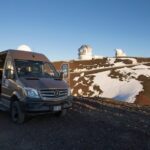
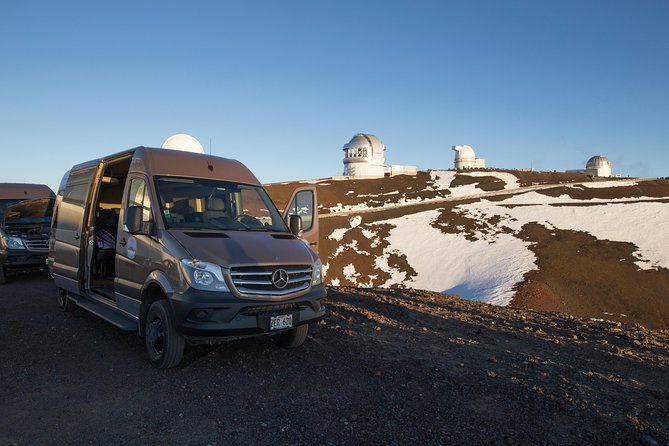
What you’re buying with the van is comfort and control. The access road is four-wheel drive only, so the trip is inevitably bumpy at times. The upside: custom off-road transit vans are designed for the route, and the group stays small enough that the driver can manage the pace.
You’ll also feel the altitude change as the evening progresses. The best stargazing on Mauna Kea comes with good weather, but it also comes with not rushing your breathing. Plan to go slow, follow the guide’s pacing, and expect that your body might need a minute as you climb.
You can also read our reviews of more tours and experiences in Big Island of Hawaii.

The first warm stop: Visitor Information Station picnic and star navigation
Before you reach the summit, you spend time at the Maunakea Visitor Information Station for a warm picnic-style dinner and an introduction to Hawaiian star navigation. This is one of the most practical parts of the whole day because it gives you a cushion: warm food, time to acclimate, and a chance to settle in while it’s still easier to breathe.
This stop lasts about 45 minutes. That’s not a long beach lunch, so treat it like a dinner break with a purpose. Use the time to top off your comfort routine: eat, go to the restroom, and make sure you’re layered up.
You’ll want a water bottle ready. The operator provides filtered water refills, but you must bring your own bottle. Closed-toe shoes and long pants are required, and long pants matter more here than you might think once it gets cold.
Summit sunset at high elevation: seeing Maui and the clouds
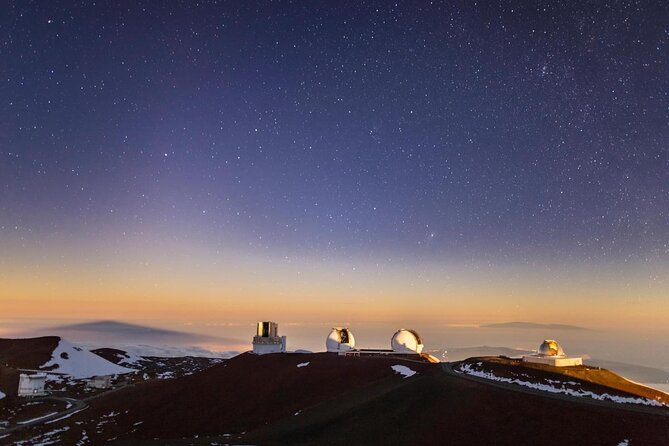
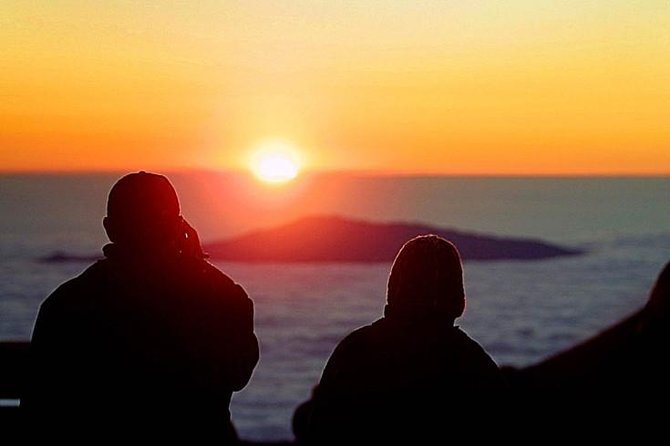
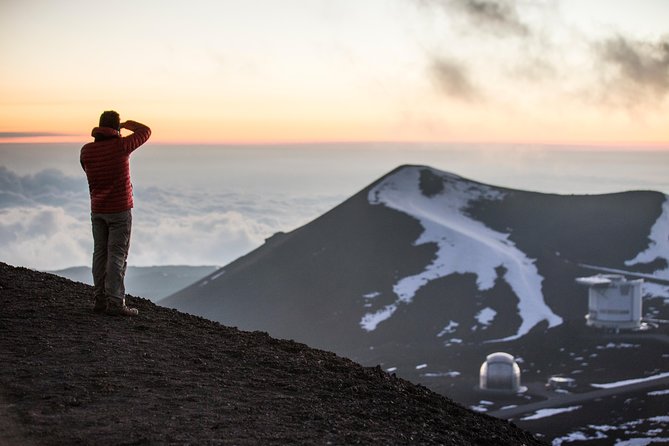
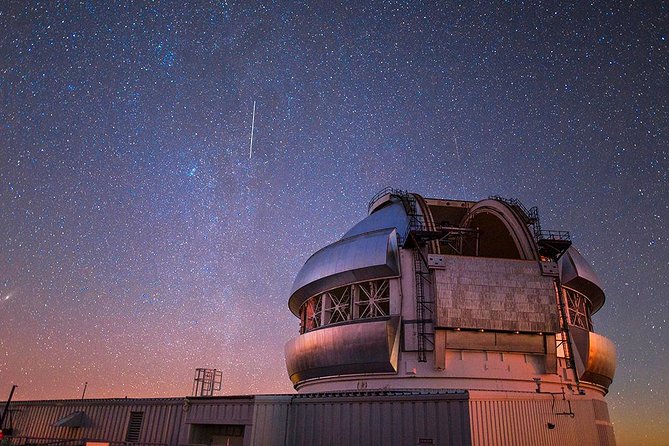
From the Visitor Station, you head to the Mauna Kea Summit and you’ll catch sunset above the clouds. That “above the haze” feeling is one of the big reasons people pay for a guided summit trip instead of just chasing a viewpoint on your own.
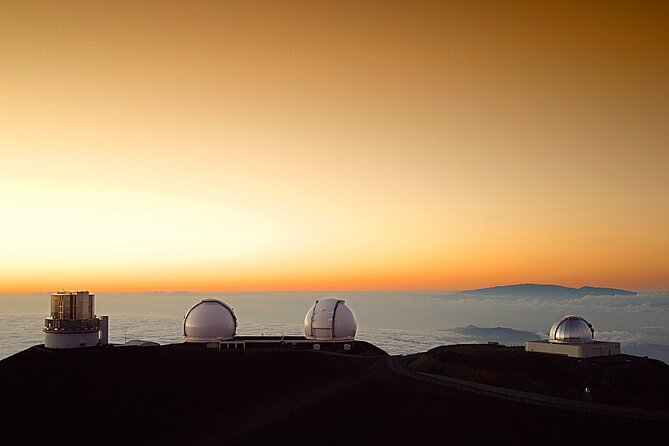
You get roughly 30 minutes at the summit. That’s enough time to soak in the wide-open sky, enjoy views you can’t get from lower elevations, and then transition toward stargazing. One of the highlights listed for this tour is the chance to see Maui from the summit area, which is exactly the sort of perspective you only get from this height.
When the guide moves you from sunset watching to star viewing, you’re not just left staring at your own screen. The tour includes a private session with a telescopic view—featuring an 11” Celestron—so you can look at targets rather than only admire the atmosphere.
Cold hits fast at altitude, so don’t treat the summit as a quick photo stop. Wear the provided layer, keep moving calmly, and give yourself a chance to adjust before the real night-sky show begins.
Private stargazing after dark: 9,000 feet comfort plus two types of telescopes
After sunset, you descend to a more comfortable elevation around 9,000 feet (2,743 meters) for stargazing. This isn’t a random detour; it’s a smart altitude choice. The goal is better comfort for a longer sky session, which is where you’ll actually get the most out of the telescopes.
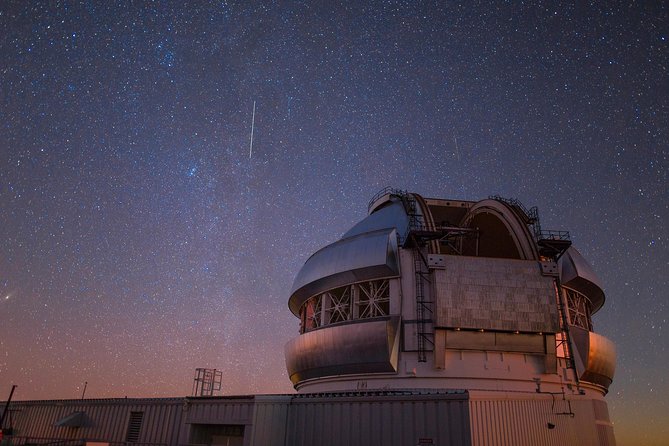
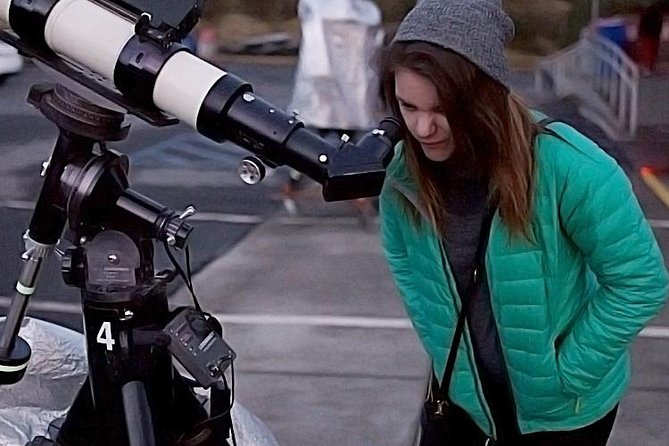
This star portion lasts about 1 hour at the Visitor Information Station area. You’ll sip hot chocolate and have cookies while the guide runs a private star show. The equipment here includes both the 11” Celestron and a Stellina digital telescope for astro-photography.
Here’s why that matters. With a Celestron, you’re seeing the night sky through a classic telescope experience—great for planets and bright deep-sky objects. With Stellina, you also get captured images of the Hawaiian night sky, and you can share them with friends and family afterward. That turns the trip from memory-only into “I brought something back from the sky.”
Weather always controls how sharp the sky looks, but this setup is built for maximum payoff when conditions cooperate. If you’ve ever watched stars from a city, this is the kind of upgrade that makes people stop talking and just look.
Gear and small details: how they keep this tour actually enjoyable
Mauna Kea stargazing is cold and windy more often than not, and this tour’s gear plan is one of its strongest value pieces. You’re provided hooded parkas and gloves, and you’ll get hot drinks and dessert/cookies during the night.
You still need to layer yourself. Bring a sweatshirt or sweater for stacking warmth, plus closed-toe shoes and long pants as required. The operator also asks you to provide your parka size at booking, so you don’t show up and realize the wrong size is waiting for you.
Also, don’t forget your own water bottle. It’s one of those details that’s easy to overlook on a warm beach vacation, but at altitude your body appreciates easy hydration. Filtered refills are available, but you’ll need the bottle to use them.
Finally, know the pace of the night. The tour is tight enough that restroom lines can matter, especially at stops where everyone’s warming up or cooling down. If you want to avoid stress, use breaks early and keep an easy rhythm with the group.
The guides: safety-first pacing and sky stories from people like Jeff and Wilson
This is where the tour’s reputation seems to come from. The guiding approach in the information you have is centered on safety and altitude pacing, plus real explanations of Hawaii’s history, culture, and ecology. You’re not just getting a checklist of “look here”; you’re getting context for what you’re seeing and why this place matters.
You’ll also feel it in the way guides manage the climb. Names like Jon, Wilson, Jeff, Jason, and Eugene show up in the guide roster details you were given, and multiple guests emphasize that the guides adjust the pace and keep people comfortable. That combination matters: slow breathing, careful steps, and clear instructions help you enjoy the sky instead of spending the evening thinking about your lungs.
A good guide also makes the telescope time easier. They don’t just point and hope you know what to find. They explain what you’re looking at and help you get real viewing moments through the equipment you’re paying for.
Price and value: is $329.84 worth it for Mauna Kea?
At $329.84 per person for about 8 hours, this isn’t a casual add-on. The question is what you’re paying for beyond “a van ride and stars.”
You’re paying for three big buckets of value:
- Access to the summit area with the right transport. The road is four-wheel drive only, and the tour uses custom off-road transit vans built for this route.
- Time design plus altitude management. You get a warm dinner and acclimation stop before the summit, then you descend for comfortable stargazing afterward.
- Real astronomy tools and captured images. An 11” Celestron for visual viewing and a digital astro-photography scope (Stellina) for images is included, plus hot cocoa, cookies, and dessert.
There’s also the small-group factor. Maximum 12 travelers means less crowding at the viewing spots and more attention from the guide. If you’ve ever tried to manage telescope viewing in a large group, you know how quickly that turns into a waiting game.
Finally, planning window matters here. The average booking timing you have is about 68 days in advance, so this is the kind of tour that sells out if you wait too long during peak seasons.
Who should book this, and who should skip it
This tour is designed for most travelers, but the altitude and cold requirements are real. The operator lists clear limits: it’s not suitable for people with respiratory, circulatory, or heart conditions, pregnancy, or poor health. If you have any doubt, it’s worth checking with a medical professional before committing.
Age matters too. The minimum age is 13, with no children under 13 allowed.
If you’ve got scuba plans, pay attention. The data you have says scuba divers shouldn’t plan to go to the summit within 24 hours after diving due to altitude dangers. If you’re combining activities, build in that buffer.
If you love stargazing but hate complicated logistics, this is a strong fit. You get transportation, warm food, gear, and structured telescope time. If you only want a quick photo stop, you might feel the schedule is too tight for your style.
Weather reality: snow season, cloud cover, and how to prepare
Mauna Kea’s weather is the boss. The experience requires good weather, and if it’s canceled due to poor conditions, you’ll be offered another date or a full refund.
Snow is seasonal, with the heaviest snowfall in winter months. Even without snow, conditions can turn cold fast at summit elevations, and wind is common. Layering matters, and using the provided parka and gloves matters even more.
Cloud cover also changes what you’ll see. The good news is this tour is designed around a sunset above the clouds moment, then descending for stargazing when the sky is likely to open up depending on conditions. Still, keep expectations flexible and plan to spend your attention on the sky in front of you rather than any single promised view.
Should you book the Mauna Kea Summit and Stars tour?
If you want a guided, small-group Mauna Kea stargazing experience with summit sunset time, warm meals, real telescopes, and captured astro images, this is a solid booking. The included parka and glove setup, plus the structured acclimation and descent for comfort, makes a huge difference on a night when the temperature and altitude can be a challenge.
Skip it if your health situation puts altitude at risk, or if you’re uncomfortable with cold wind and slower paced breathing during a climb. Also, book ahead—this is popular enough that planning roughly two months out is typical.
FAQ
What is the tour duration?
The experience runs about 8 hours.
Where do I meet the guide?
You meet at the Courtyard by Marriott King Kamehameha’s Kona Beach Hotel. If you’re staying in Kailua Kona, that’s the listed starting point, and there may be additional meeting location stops along the way.
What’s included for the stargazing and photos?
You get a private star show with an 11” Celestron telescope, plus a Stellina digital telescope for astro-photography. The experience also includes captured images of the Hawaiian night sky that you can share.
Is the Mauna Kea ticket included?
Admission is included for the Mauna Kea Visitor Information Station and the summit stops listed during the evening.
What should I bring?
Bring closed-toed shoes and long pants, and plan on layering with a sweatshirt or sweater. Bring your own water bottle; the tour provides filtered refills.
Who can participate, and who should avoid this tour?
Most travelers can participate, but it’s not suitable for those with respiratory, circulatory, or heart conditions, pregnancy, or poor health. The minimum age is 13, with no children under 13 allowed.
I scuba dive. Is that a problem?
Scuba divers should not plan to go to the summit within 24 hours after diving due to altitude dangers.
What happens if weather ruins the night?
The experience requires good weather. If it’s canceled due to poor weather, you’ll be offered a different date or a full refund. Free cancellation is available up to 24 hours in advance for a full refund.