REVIEW · METEORA
Meteora Small Group Hiking tour with Transfer and Monastery Visit
Book on Viator →Operated by Visit Meteora · Bookable on Viator
Meteora feels like another world on foot. This small-group hike threads quiet trails under the UNESCO rock towers, then blends in monastery visits so you understand what you’re seeing, not just taking photos.
I especially like the morning pickup from Kalambaka or Kastraki, which saves you from juggling taxis and timing. I also like the guided route on little-used paths, plus focused stops at major sites such as the Great Meteoro Monastery and the Ypapanti Old Monastery—often led by guides like Chris, Evan, and Christos, who bring Meteora’s geology and stories to life.
One key consideration: the hike and monasteries come with practical rules. Entrance fees are not included (5.00€ per person), and the monasteries enforce a strict dress code, even if you arrive in shorts.
In This Review
- Key highlights you’ll feel right away
- Why Meteora works best on a hike (not just a photo stop)
- Getting there: Kalambaka and Kastraki pickup, kept simple
- The 2-hour hike: rock forest trails and a guided walk you can actually pace
- What you should bring
- What you should expect physically
- Stop 1: Meteora on foot (UNESCO views from angles most people miss)
- Stop 2: Great Meteoro Monastery, the big one perched on top
- Stop 3: Ypapanti Old Monastery, built inside a rock cavity
- The other monasteries you’ll encounter along the route (Varlaam and Saint Nicholas)
- Pace and fitness: what makes this work for different walkers
- Price and value: $36.28 plus the 5.00€ entrance fees
- How the guides shape the whole morning (Chris, Evan, Christos, and more)
- Dress code and monastery etiquette: the rule that can make or break your timing
- Should you book this Meteora Small Group Hiking tour?
- FAQ
- How long is the Meteora small group hiking tour?
- Where does pickup happen?
- What time does the tour start?
- What’s included in the price?
- Are monastery entrance fees included?
- Do I need to bring hiking shoes?
- Is there a dress code for the monasteries?
- How fit do I need to be?
- What is the group size and language?
- Can I get a refund if I cancel?
Key highlights you’ll feel right away
- Small group size (max 12): easier pacing, more conversation time, fewer bottlenecks at overlooks
- Hotel pickup and drop-off: air-conditioned minivan takes the hassle out of a morning start
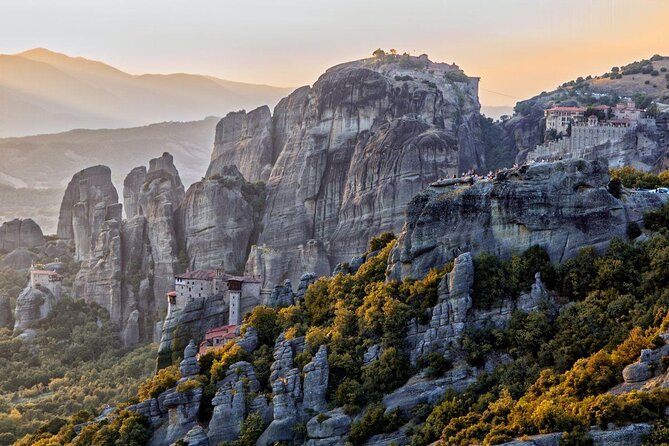
- Hidden trails through UNESCO Meteora: you see the rock pillars from angles most people skip
- Monastery variety in a short window: Great Meteoro plus Ypapanti, with additional monastery stops along the way
- Nature time on the hike: expect plant and animal spotting alongside the history talk
Why Meteora works best on a hike (not just a photo stop)
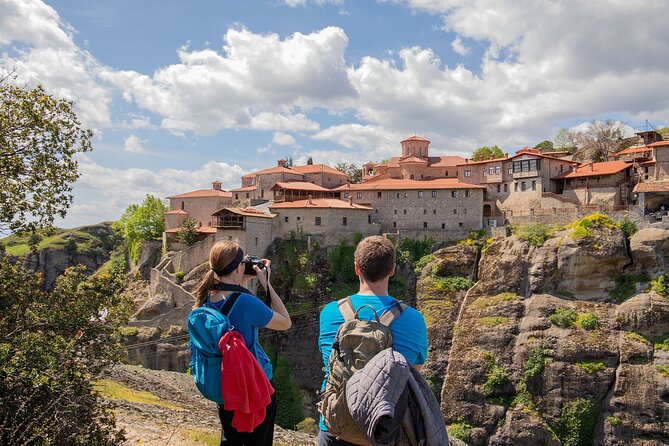
Meteora’s rock pillars are dramatic from the road. But on foot, they feel personal. You slow down enough to notice how the rocks sit in layers, how the paths thread through forested slopes, and how the monastery buildings look different when you’re moving up and around them instead of staring from one fixed viewpoint.
This tour is a smart middle path: it’s not only hiking, and it’s not only monastery sightseeing. You get context as you walk—why monks settled here, how the monastery system grew over centuries, and what makes the area a UNESCO site beyond the scenery.
Also, Meteora can be crowded. A small-group hike gives you more breathing room on the trails. You still enjoy iconic stops, but you spend more time in the human-scale version of the experience: footsteps, shade, short breaks, and guided storytelling.
You can also read our reviews of more tours and experiences in Meteora.

Getting there: Kalambaka and Kastraki pickup, kept simple
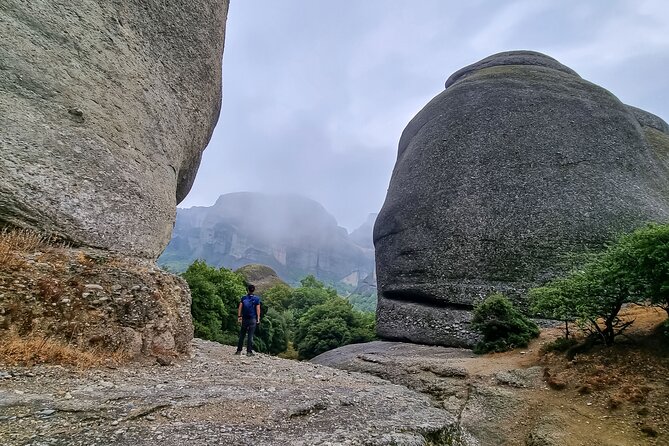
Your day starts at 8:30am, with pickup offered from hotels and Airbnbs in Kalambaka and Kastraki. That matters because Meteora can be a logistics headache if you’re trying to drive yourself—parking, timing, and finding the right access points for each monastery area.
The tour uses an air-conditioned minivan and includes round-trip transport. Bottled water is provided, which sounds basic until you’re walking uphill in warm weather. You also get a mobile ticket, so you’re not stuck with paper vouchers.
If you’re planning your day beyond this tour, this setup makes it easy to treat Meteora like a day of one focused activity instead of a half-day of scrambling between stops.
The 2-hour hike: rock forest trails and a guided walk you can actually pace
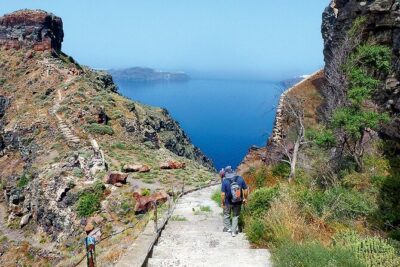
The hike portion is about 2 hours. The goal is to take you through Meteora’s rock-forest feel—those steep rock walls and pillar formations that dominate the area—and to do it via hidden or less obvious paths.
What makes this hike special is that it’s guided for both scenery and meaning. The route is described as following footsteps connected to the first monks who arrived more than 15 centuries ago. Whether you’re a history buff or mostly here for the views, that adds a layer: you’re not just walking through rocks, you’re walking through a landscape shaped by monastic life.
From practical experience, the pacing is one reason this tour earns near-universal praise. People mention the hike feels manageable in hot conditions and that breaks keep the effort comfortable for different ability levels. One guest even framed it like a five-mile type of workout, which is helpful if you’re deciding whether this fits your stamina.
What you should bring
- Comfortable hiking shoes with grip
- Light layers you can manage if you go from sun to shade
- A water bottle is optional since bottled water is included, but it can help if you’re picky about your own preferred size
What you should expect physically
This is not a flat stroll. You’re walking on natural trails in a rocky area. One honest pattern from people who’ve done it: the hike is generally doable for many walkers, but the section after the monasteries can feel more challenging than the early climbing.
So if you have knee issues or you’re returning to hiking after time off, you can still choose this tour, but go in with your eyes open: plan for rests, take them when offered, and don’t rush.
Stop 1: Meteora on foot (UNESCO views from angles most people miss)
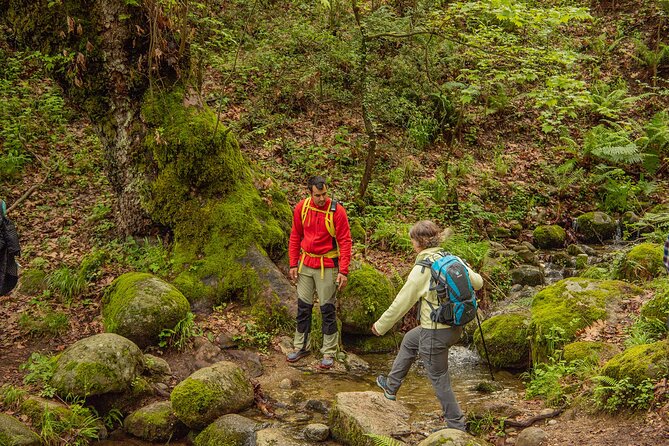
Right at the start, the tour frames Meteora as an area where monastic life and a rare geological phenomenon coexist—huge rock pillars, shaped over time, that allowed monasteries to perch in places that feel impossible.
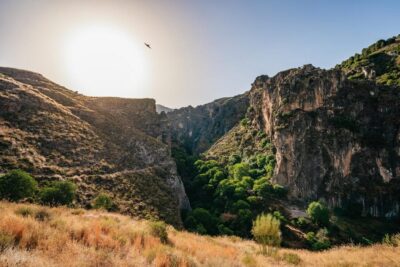
During the hike you’ll get the best part of the UNESCO experience: you see the “rock forest” from changing levels as you move. That’s a big reason hikers love this route. It’s not just one wow moment. It’s a steady stream of smaller wow moments—good angles for photos, and more importantly, a better sense of scale.
If you like travel that feels real rather than staged, this is where it happens. You’re on paths that locals know, and you’re surrounded by living nature: plants, animals, and the quiet in between.
Stop 2: Great Meteoro Monastery, the big one perched on top
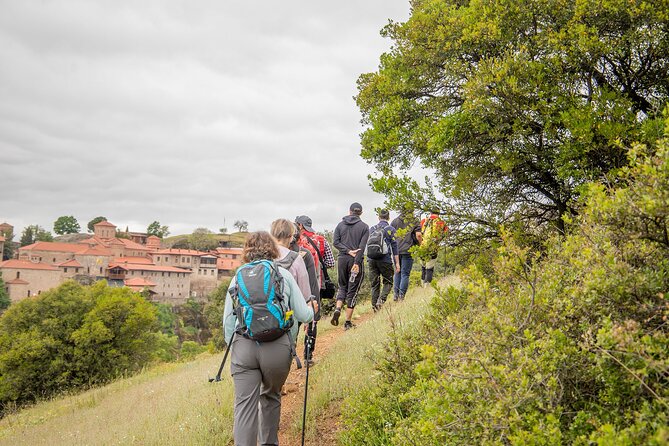
The Great Meteoron Monastery is the biggest and oldest in the complex. You’ll spend about 1 hour here.
Why it stands out is built into its story. It was called the monastery that was suspended in the air—meteoro—because of the gigantic rock it sits on. If you’ve only seen monastery photos from a distance, being up close changes the feeling. The buildings look solid and purposeful, but the setting still looks like a puzzle.
The monastery is tied to Saint Athanasios the Meteorite, described as the founder and the organizer behind the systematic monastic life at Holy Meteora. In plain terms: this stop is where the region shifts from natural spectacle to organized spirituality and community.
Practical note: monasteries have a strict dress code. Men must wear trousers and long sleeves, and women must wear a long skirt. If you show up in shorts or inappropriate clothing, the tour provides trousers and skirts so you can comply.
This isn’t just a rule to follow. It also helps you plan how long you’ll spend in and out of the sun. Long sleeves and long fabric can feel warmer, so it’s another reason to wear breathable layers and shoes you can keep on all day.
Stop 3: Ypapanti Old Monastery, built inside a rock cavity
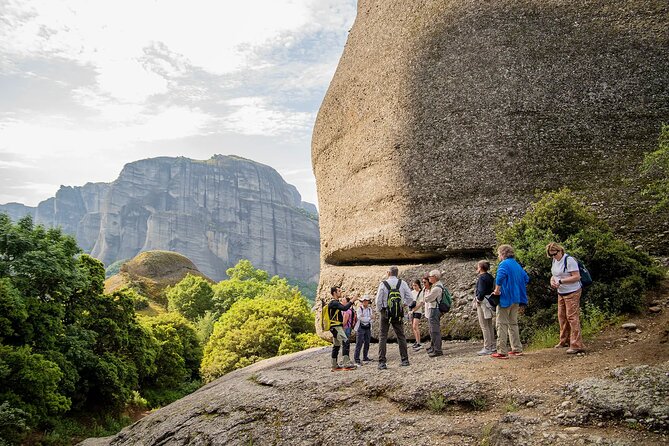
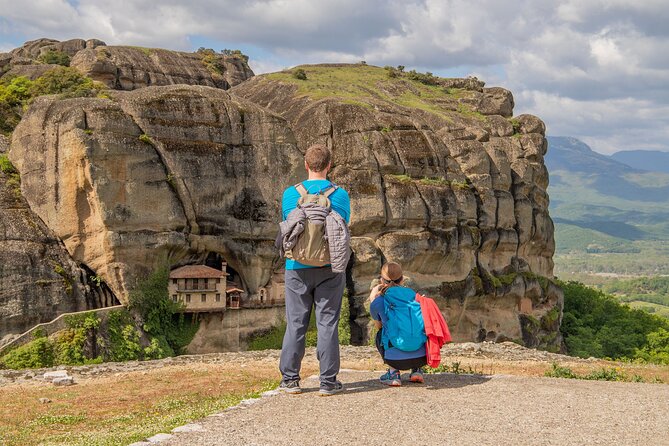
Next comes Holy Monastery Ypapanti, with about 30 minutes here. This stop is especially interesting because it’s described as being fully constructed inside a large cavity of a rock.
So instead of soaring rock-top views, you get a different architectural feeling: the monastery is shaped by the rock itself, almost folded into it. It was founded by monks Nilos and Cyprianus in 1367 AD, then later destroyed in 1809 during the arrest of Papathymios Vlahavas by the Turkish army of Ali Pasha.
The walk to Ypapanti is also described as simple and pleasant, which helps balance the energy of the day. One extra value point: admission here is free. That matters because entrance fees overall are not included, so even small differences in where fees apply can affect your total spend.
The other monasteries you’ll encounter along the route (Varlaam and Saint Nicholas)
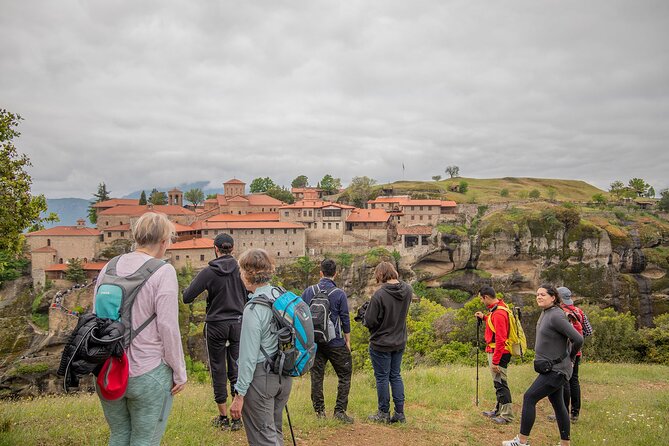
The tour also includes additional monastery stops as you move through the area. You’ll hear about the Holy Monastery of Varlaam, described as the second biggest and located opposite the Great Meteoro Monastery. Varlaam is tied to a mid-14th-century foundation.
You’ll also encounter the Holy Monastery of Saint Nicholas of Anapafsas on the way up. It was founded at the end of the 14th century, and the name Anapafsas is associated with the idea of resting for pilgrims and visitors continuing their journey.
You don’t get to treat this like a slow, do-everything monastery day. Instead, you get a guided sampling. For many visitors, that’s the right trade-off: you understand the layout, the themes, and the major sites without spending all day hopping between individual monasteries by car.
Pace and fitness: what makes this work for different walkers
With a hike tour, the real question isn’t your headline condition. It’s your tolerance for uneven terrain and timing.
Here’s the best way to think about the physical side of this one:
- The hike portion is about 2 hours, guided, with breaks.
- Many guests describe it as not too hard, but not so easy that it’s boring.
- A common theme is that the hike may feel more challenging after monastery stops, simply because you’ve already spent time walking and climbing earlier.
That timing matters. If you tend to get stiff, do your warm-up right away and keep an easy pace even when the terrain looks manageable. Let the guide set the rhythm; that’s often where the tour’s success comes from.
If you have knee injuries, one guest specifically said the hike felt doable even with that situation, which suggests the tour is run with real-world pacing in mind. But the tour does require physical fitness, so if you’re unsure, consider what a hilly, rocky day does to your joints—and plan to take rests early rather than waiting until you’re in trouble.
Price and value: $36.28 plus the 5.00€ entrance fees
At $36.28 per person, the rate is mainly paying for three things:
1) Guiding on trails that are hard to navigate on your own
2) Transport from Kalambaka or Kastraki
3) Monastery time and organization in a short, morning-focused window
Entrance fees are not included: plan for 5.00€ per person. The Ypapanti Monastery admission is listed as free, but the overall entrance fee note means you should budget for the sites that charge.
So is it good value? Usually yes, because you’re not just buying access—you’re buying time efficiency and guidance. Meteora is easy to get wrong if you’re trying to self-navigate quickly. This tour gives you structure: a hike that makes sense, plus monastery stops that explain what you’re looking at.
If you’re the type who enjoys walking and learning as you go, you’ll likely feel like you got more than your money’s worth because the hike is part of the experience, not an optional warm-up.
How the guides shape the whole morning (Chris, Evan, Christos, and more)
One of the strongest signals from the experience is the human side. People rave about guides being friendly, calm, and good at matching the pace to the group.
Names that show up often include:
- Chris (praised for punctuality, history and geology facts, and a sense of humor)
- Evan (praised for being well spoken, mixing history with nature, and keeping the hike manageable)
- Christos (praised for safety, hydration check-ins, and engaging storytelling, especially for groups that include kids or walkers needing extra patience)
Beyond the big history talking points, the guides add small, memorable nature details. Several mentions include botany, tortoises, plants, and local fauna. That’s not just trivia. It makes the hike feel like it belongs to Meteora’s living environment, not only its monuments.
Also, guides point out good photo spots and encourage breaks without making it feel like a slowdown. That keeps the morning from turning into a march.
Dress code and monastery etiquette: the rule that can make or break your timing
Monasteries are strict about clothing:
- Men: trousers and long sleeves
- Women: long skirt
If you show up in shorts, trousers and skirts are provided. That’s a big help because it removes the fear of arriving underprepared.
But it still affects your planning. If you’re visiting in warm months, long fabric can feel heavier than you expect. Wear moisture-wicking layers under, use breathable shoes, and keep your hands and shoulders covered but comfortable.
Once you’re in the monastery spaces, be ready for a more quiet, respectful atmosphere. The guide usually sets the tone, and you’ll get better value when you slow down during the indoor or shaded sections.
Should you book this Meteora Small Group Hiking tour?
Book it if you want Meteora the way it feels best: on foot, with context. This is a great choice when you’re trying to balance the main monasteries with the surrounding rock trails, and you don’t want to spend a full day doing only one thing.
Skip it or consider another style if:
- You’re not comfortable with uphill, uneven trails (even if it’s paced with breaks)
- You strongly prefer a fully independent monastery day with long stays at only the top sites
- You don’t want to deal with dress code rules, even though the tour provides clothing alternatives
If you’re staying in Kalambaka or Kastraki, and you want a morning that feels efficient but still personal, this one is hard to beat. You’ll come away with more than a list of stops. You’ll understand how Meteora works as a whole: rock formation, monastic settlement, and the walk that ties it together.
FAQ
How long is the Meteora small group hiking tour?
It runs for about 4 hours.
Where does pickup happen?
Pickup and drop-off are offered from all hotels and Airbnbs located in Kalambaka and Kastraki.
What time does the tour start?
The start time is 8:30am.
What’s included in the price?
Hotel pickup and drop-off, transport by air-conditioned minivan, a local English-speaking mountain guide, bottled water, and a visit to the hidden Ypapanti monastery.
Are monastery entrance fees included?
No. Entrance fees are 5.00€ per person. Ypapanti is listed as free admission.
Do I need to bring hiking shoes?
Yes. You should bring comfortable and appropriate hiking shoes.
Is there a dress code for the monasteries?
Yes. Men must wear trousers and long sleeves, and women must wear a long skirt. If you arrive in shorts, trousers and skirts will be provided.
How fit do I need to be?
The tour requires you to be physically fit, and it’s listed for moderate physical fitness level.
What is the group size and language?
It’s a small group with a maximum of 12 travelers, and it’s offered in English.
Can I get a refund if I cancel?
Free cancellation is available up to 24 hours in advance for a full refund. Canceling less than 24 hours before start time won’t be refunded.