REVIEW · METEORA
Meteora: Hermit Caves Sunset Hiking Experience
Book on Viator →Operated by Visit Meteora · Bookable on Viator
Meteora hits different at golden hour. This 3-hour sunset hike in the Meteora area leads you to hermit caves used by monks for centuries, then builds toward wide views of the rock formations and monasteries.
Two things I really like: you get a small group (max 12) and a professional English-speaking mountain guide who reads the terrain and shares history, geology, and what you’re actually looking at. You also get bottled water along the way, which is handy when the sun starts to punch.
One consideration: parts of the route include an exposed section with a ladder climb, so wear grippy shoes and come with a moderate fitness level even if you’re not an athlete.
In This Review
- Key takeaways before you go
- From Kastraki to the Monoliths: Why this hike feels special
- What to know about the effort level
- Meeting Point at Taverna Gardenia: Timing and what to expect
- The hermit caves part: Monks, solitude, and real cliffside context
- What makes the guide matter here
- Panoramic views and the monasteries you can actually picture
- The tradeoff: you need to pay attention while walking
- Ladder climb to the bell: The moment you’ll remember
- How to make this section easier on yourself
- Guide style: What you’ll learn besides directions
- Price and value: What $28.57 buys you in real terms
- Who this tour suits best (and who should rethink it)
- Should you book this Meteora Hermit Caves Sunset hike?
- FAQ
- How long is the Meteora Hermit Caves Sunset Hiking Experience?
- Where does the tour start and end?
- Is the tour in English?
- What’s the group size limit?
- What physical fitness level do I need?
- Is a ticket provided on my phone?
- What’s included in the price?
- What if the weather is bad?
Key takeaways before you go
- Small group size (up to 12): You move at a comfortable pace and you’re less likely to feel rushed.
- English mountain guides: You’ll get real context for what you see in the rocks, caves, and monasteries.
- Hermit caves tied to monk life: The hike isn’t only views; it’s also the story of solitude on these cliffs.
- Sunset payoff: The best moments come as the light shifts over the monoliths.
- Ladder section: Traction matters; you’ll want shoes with solid grip.
From Kastraki to the Monoliths: Why this hike feels special
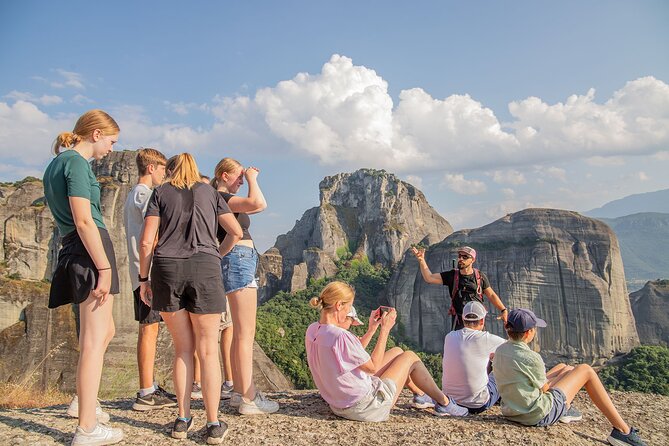
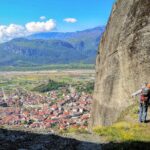
Starting from Kastraki, you’re close to the action but still in that real Meteora mood: stone, sky, and sudden wide angles as the path climbs. The hike takes you through the rock world that made the monasteries famous, and it does it on foot—so your brain has time to catch up with what your eyes see.
What makes this experience work for most people is the balance. You’re not doing a long endurance trek, but you also aren’t stuck on a flat stroll. You’ll feel the effort in a good way, especially when the caves and the monolith views start to line up. And because it’s built around sunset, the timing helps you see Meteora in its best lighting: shadows deepen, rock textures pop, and the monasteries look like they’re part of the landscape instead of sitting on it.
You can also read our reviews of more tours and experiences in Meteora.

What to know about the effort level
The tour asks for moderate physical fitness, which is honest. A ladder section adds stress for some folks, but the feedback here is reassuring: experienced hikers didn’t find it too exposed, while less confident walkers should plan to take it slow and keep a steady rhythm. If you’re used to hiking with uneven ground, you’ll probably be fine.
For your comfort, the biggest practical tip is simple: wear shoes with strong traction. The route includes rocky and sometimes slick-feeling sections, especially as the day cools down near sunset.
Meeting Point at Taverna Gardenia: Timing and what to expect
You’ll meet at Taverna Gardenia in Kastraki (Agíou Athanasíou, 422 00). The tour ends right back at the same meeting point, so you can plan your afternoon meal and transport without needing a pickup.
The duration is about 3 hours. That time window matters because it helps you plan the rest of your day in Meteora. If you want to see monasteries later, this hike should fit without swallowing your whole daylight. If you’re doing other sightseeing the same day, you’ll probably want to keep the schedule flexible—sunset doesn’t wait for traffic.
One more logistics note that can help: the meeting area is near public transportation. If you’re relying on local buses or walking connections, that’s a small but real convenience.
The hermit caves part: Monks, solitude, and real cliffside context
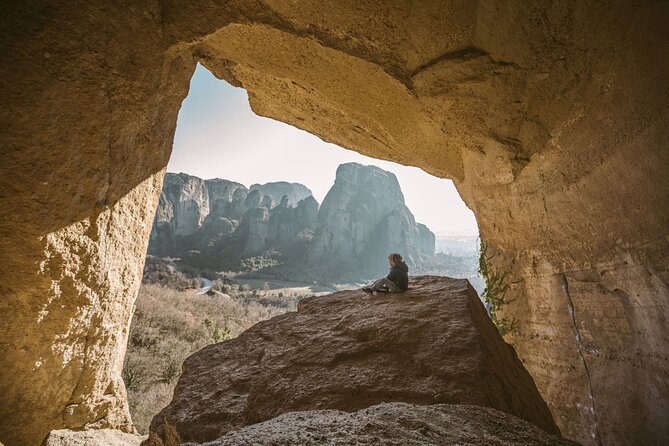
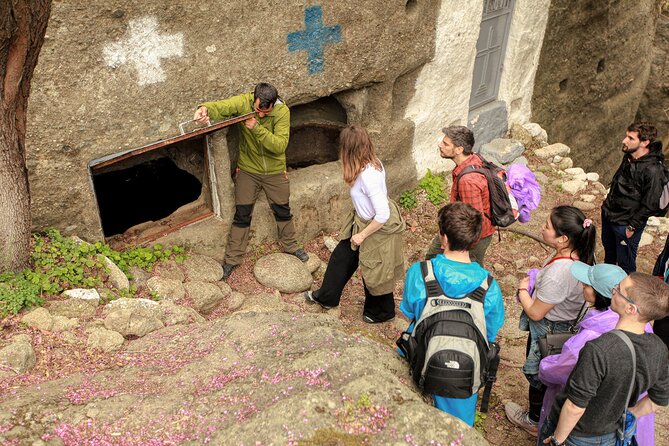
At the start, the focus is the hike through Meteora’s dramatic rock area, and along the way you explore hermit caves that monks used for centuries. That detail changes the tone of the walk. You’re not only admiring the cliffs; you’re stepping into the physical reality of a life built around isolation and discipline.
Here’s what you’ll feel as you move upward: the caves and rocky paths are part of how you understand the whole Meteora phenomenon. The monoliths aren’t just scenery. They were a kind of setting—remote, difficult to reach, and perfect for a spiritual life that demanded separation.
What makes the guide matter here
A good guide turns this from a pretty walk into something you can explain later. In the feedback, guides stood out for connecting the dots between what you see and why it mattered—history, geology, and even the flora and fauna along the route. With an English-speaking mountain guide, you’re also less likely to miss small cues in the rocks or forget what a cave setting means in practical terms.
It’s also where named guides show up in a meaningful way. You may get a guide like Evangelos, who was described as excellent and knowledgeable, and you might also hike with Chris, who was praised for turning conversation into something that made the experience click.

Panoramic views and the monasteries you can actually picture
Meteora can be overwhelming at first. There are so many monasteries, so many rock towers, and so many viewpoints that it’s easy to feel like you’re collecting snapshots rather than learning anything.
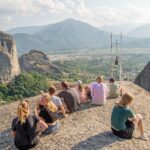
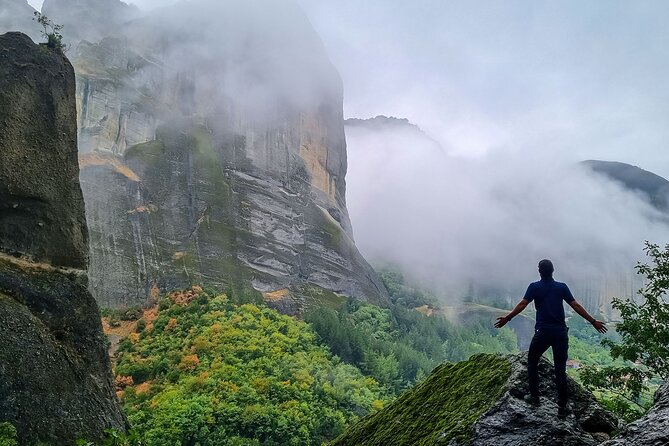
This hike solves that problem by giving you a moving viewpoint: as you climb, you see how the monasteries sit relative to each other and how the cliffs shape access. You’ll get stunning panoramic views over rock formations and monasteries, and that helps you understand why some sites are approachable and others feel almost unreachable.
If you like photos, this is the kind of route that gives you angles you can’t get from a single overlook. And sunset adds a bonus: the light softens edges and makes the monasteries look less like objects on top of stone and more like part of one layered scene.
The tradeoff: you need to pay attention while walking
Because you’re hiking, you’ll have to balance looking up with stepping carefully. If you’re the type who stops constantly for photos, just know you’ll slow the group. It’s better to pause briefly for the shot, then move on. Your guide can also help you time the best views without turning the hike into a slow parade.
Ladder climb to the bell: The moment you’ll remember
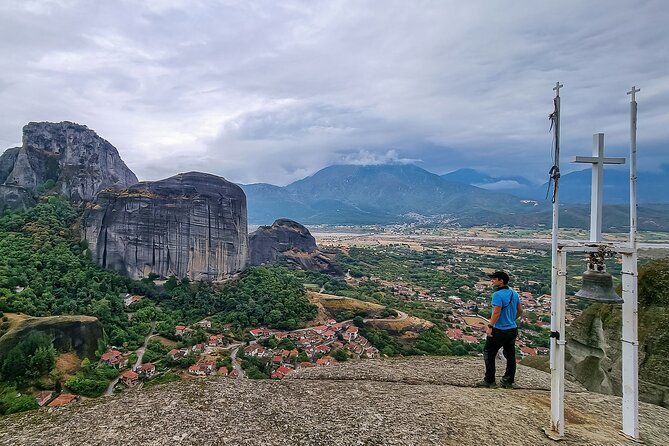
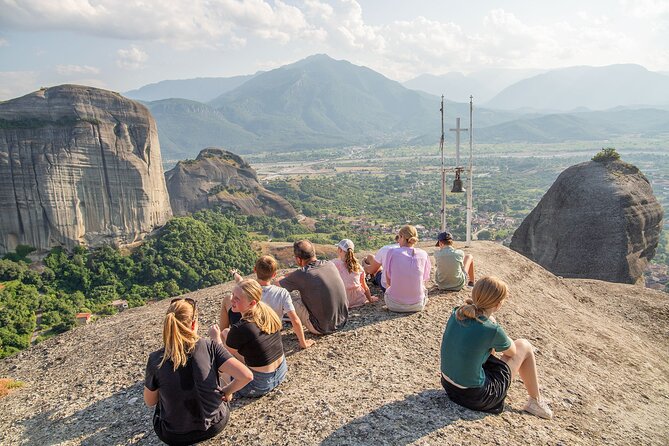
The route includes a ladder climb and builds to a peak area with a bell at the top of the mountain. That combination is exactly what makes people call this the highlight of their highlight. You get effort, then reward.
The ladder is the part you should take seriously, even if you’re hiking confidently. One review noted that the most exposed section is a ladder climb, but also said it didn’t feel too exposed for experienced hikers and was more of a moderate challenge overall. That lines up with what I’d tell you to expect: it’s not an extreme technical climb, but it’s not “just walk up.”
How to make this section easier on yourself
Bring the right footwear. That’s the headline.
- Choose shoes with grip for rock and uneven footing.
- Go slow and steady on the ladder section.
- Keep your focus on the climb rather than the view for the few minutes it takes.
Once you reach the top, the bell moment makes sense. It’s not just an object at the end; it’s tied to the feeling of arrival that Meteora hikes tend to create.
And if you’re wondering about the return route: the hike can also include a stop at St George Monastery on the way back, based on guide route behavior described in feedback.
Guide style: What you’ll learn besides directions
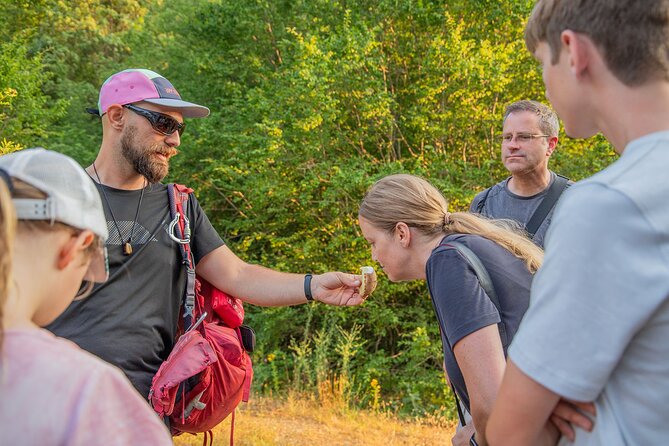
The professional English-speaking mountain guide is more than “someone who leads.” The experience works because the guide helps you interpret the place while you’re still walking.
In the feedback, guides were praised for staying in conversation in a way that improved the hike, not distracted from it. The best guides also connect topics that might feel unrelated: history of hermit life, how the geology shapes routes, and what plants and animals you might notice on the way. That kind of attention makes the caves and views feel grounded instead of purely aesthetic.
If you get a guide like Chris, expect a friendly, curious vibe that still keeps things respectful and organized. If you get someone like Evangelos, you may get a more history-forward explanation, plus extra monastery and viewpoint context.
Either way, the goal is the same: you should finish the hike able to look at Meteora from a distance and understand what you’re seeing.
Price and value: What $28.57 buys you in real terms
At about $28.57 per person, this hike is priced like a mid-range guided walking experience in Greece—and you get several value pieces that matter on a short tour.
You’re paying for:
- a professional mountain guide (English)
- bottled water
- all fees and taxes
- and the tour format includes admission coverage, with admission listed as free
What’s not included: pick up and drop off, and gratuities (optional). You’ll also want to budget your own transport to Kastraki since the tour ends where it starts.
So is it good value? For me, the answer is yes if you care about three things:
- You want a guide who can explain Meteora while you hike.
- You want the sunset timing rather than a random daytime trek.
- You’re comfortable with a moderate challenge and a ladder section.
If you just want to wander around at your own pace with zero effort and no explanations, you can find self-guided walks. But if you want Meteora with context in a tight time window, this price makes sense.
Who this tour suits best (and who should rethink it)
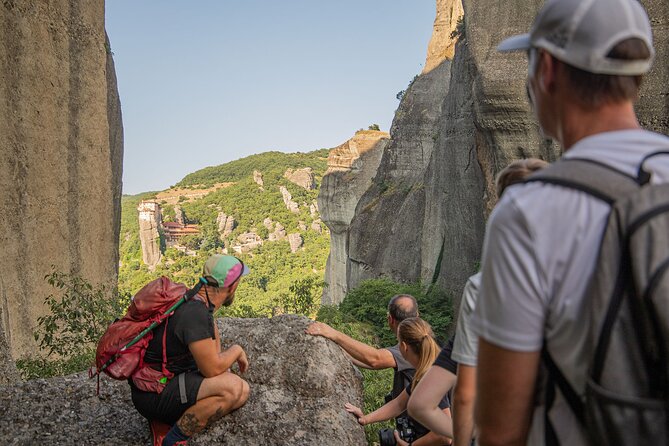
This hike fits best if you:
- have moderate fitness and can handle uneven, rocky paths
- want sunset views without committing to a full day
- like learning while moving, not only at the end when you’re tired
- prefer a small group experience (max 12)
It may be a tougher fit if you:
- dislike ladders or have balance issues on exposed sections
- plan to go in the shoes you usually wear around town
- want an entirely easy walk with no scrambling at all
And one reality check: the tour requires good weather. If conditions aren’t right, your date may change or you’ll get a refund.
Should you book this Meteora Hermit Caves Sunset hike?
I think you should book if you want one Meteora experience that combines story, views, and a clear sense of “we really went somewhere.” The hermit caves give the hike meaning beyond scenery, the bell and peak give you a satisfying finish, and the guides in feedback sound like they genuinely make the walk more enjoyable.
I’d also book it if you’re short on time. Three hours is long enough to matter, short enough to keep your trip flexible.
Skip it if you’re chasing only an easy sightseeing stroll, or if a ladder climb would make you anxious. In Meteora, the views are worth it, but only if you’re comfortable with how you get there.
FAQ
How long is the Meteora Hermit Caves Sunset Hiking Experience?
It runs for about 3 hours (approx.) and ends back at the meeting point.
Where does the tour start and end?
It starts at Taverna Gardenia in Kastraki and ends back at the same meeting point.
Is the tour in English?
Yes. The tour is offered in English.
What’s the group size limit?
The tour has a maximum of 12 travelers.
What physical fitness level do I need?
The experience is rated for travelers with moderate physical fitness.
Is a ticket provided on my phone?
Yes, it includes a mobile ticket.
What’s included in the price?
Included items are a professional English-speaking mountain guide, bottled water, and all fees and taxes.
What if the weather is bad?
The experience requires good weather. If it’s canceled due to poor weather, you’ll be offered a different date or a full refund.