REVIEW · METEORA
Meteora: Hiking Tour with Local Guide and Monastery Visit
Book on Viator →Operated by Meteora Trip · Bookable on Viator
Meteora looks unreal at first sight. This morning hike adds the best trick: you move like the monks did, on trails locals still favor, with a local mountain guide to connect the dots. You get panoramic photo stops plus real walking time, not just a bus-and-pause tour.
My two favorite parts are the small group (maximum 15) and the chance to follow hidden trails known to locals. You also get a steady flow of sights tied to the rock formations—flora, caves, and historical spots—so the scenery feels purposeful, not random.
One thing to keep in mind: this is a moderate hike. If you’re not comfortable with uneven paths and steady uphill stretches, you’ll feel it more than you’d like.
In This Review
- Quick hits before you go
- Walking Meteora on local footpaths (and why it feels different)
- Price and value: what $36.12 really buys you
- Pickup from Kalabaka or Kastraki: start easy, hike happy
- The first stretch: from the foothills into caves and hidden paths
- Stop highlights: Ypapanti and the ruins of St. Dimitrios
- Great Meteoron or Varlaam: what you’ll see and how the tour handles the inside
- Pacing, group size, and what “small group” means in real life
- What to wear and bring for a 4-hour Meteora hike
- Weather matters more than you think
- A note on guides and stories: what you’re really paying for
- Who this tour is best for
- Should you book this Meteora hiking tour?
- FAQ
- How long is the Meteora hiking tour?
- What does the price include?
- Are Meteora monastery entrance fees included?
- Is there a guided tour inside the monasteries?
- What fitness level is required?
- What’s the meeting time and pickup area?
- Is free cancellation available?
Quick hits before you go
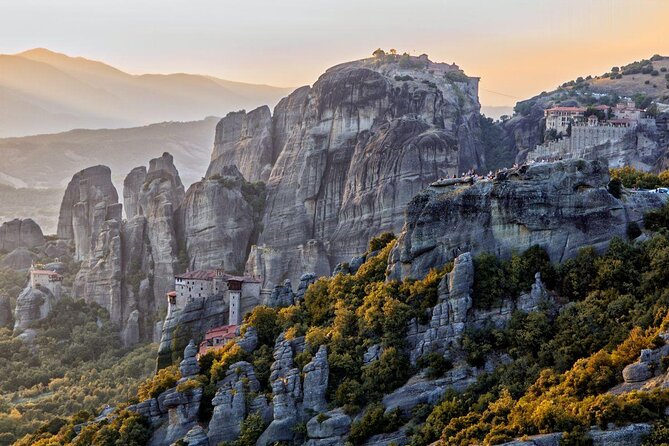
- Max 15 hikers keeps things friendly and easier for photos
- Pickup from Kalabaka or Kastraki starts you right at your hotel area
- Hidden local trails recreate the early-monks route vibe
- Ypapanti + St. Dimitrios ruins give you viewpoints with story
- Great Meteoron or Varlaam depends on the day of your hike
- Entrance fees not included so plan for an extra €5 per monastery you visit
Walking Meteora on local footpaths (and why it feels different)
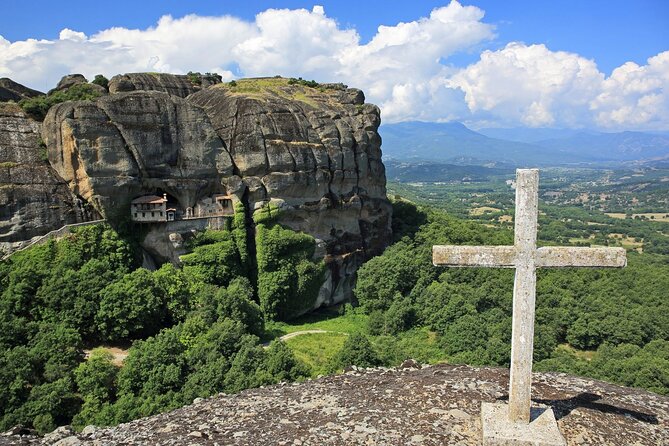
Meteora is famous for the monasteries perched on giant rock pillars. Most visits are quick. This one has you walking first, so the monasteries land with more meaning. You start down on the foothills and work your way up through trails where the land itself does the explaining.
What I like is the rhythm: sights come in small clusters—nature features like caves and plant life, then a historical thread, then a viewpoint for your photos. Instead of rushing between isolated highlights, you get a flow that feels like a morning out with someone who knows the routes, not just the brochure.
The tour runs about 4 hours, starting at 8:30 am. Morning timing matters here because you’re already in motion early, and the rock towers catch light well for pictures. And since it’s a small-group hiking tour, the pace is more human than what you get on larger bus groups.
You can also read our reviews of more tours and experiences in Meteora.

Price and value: what $36.12 really buys you

The price is $36.12 per person, which is pretty solid for a guided hike with pickup. Here’s the value math I’d use:
- You get hotel-area pickup and drop-off from Kalabaka or Kastraki
- A local mountain guide leads the walk and handles the story behind the route
- It’s a small group hike (max 15), so you’re not squeezed in
- Water is included
The part to plan for is cost at the monasteries. Monastery entrance fees are not included (listed as €5.00 per person per Meteora monastery), and the tour does not include a guided tour inside the monastery. So your all-in cost depends on which monasteries you’re entering.
Still, even with those added monastery tickets, this tour tends to feel worth it because you’re paying for the guide-led walking and the route access, not only for looking at rocks from a single viewpoint.
Pickup from Kalabaka or Kastraki: start easy, hike happy
Logistics can drain a day fast. This one keeps that pain low.
Your pickup is from your accommodation in Kalabaka or Kastraki, using a VIP minibus. That matters on Meteora because the trailheads are not always where you’d want to be if you’re trying to rely on taxis and parking. Once you’re in the van, you can relax until you’re at the start point on the foothills.
If you’re not doing pickup, the meeting points are noted as near public transportation. So you still have options. Either way, you’ll want to be ready for an early start: 8:30 am is not a late brunch kind of time.
You’ll also receive a mobile ticket. Bring your phone with enough battery and brightness so check-in is quick.
The first stretch: from the foothills into caves and hidden paths
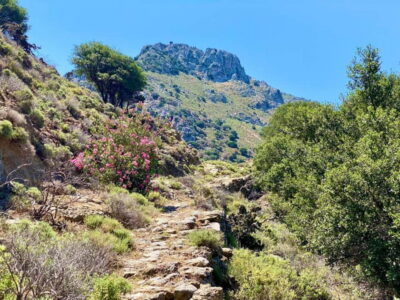
After pickup, the hike begins from the foothills of Meteora. This is the part where you start to understand the scale: those towers aren’t just scenery. They’re part of a whole system of routes, shelters, and sacred places built into the rocks.
The guide takes you along hidden trails—paths described as known only to locals. The idea is that you’re not just walking a marked loop. You’re tracing the movement patterns that early monks used, with the added benefit of a guide who can point out what to look for.
Along the way, expect natural details as well as historical ones: flora and fauna, caves, and rock features that you’d probably miss if you were walking on your own. These small nature observations aren’t just filler. They help the whole Meteora experience feel grounded in the land, not staged for postcards.
Is it a workout? Yes. The description calls for moderate physical fitness. Think uneven ground and steady walking more than running or stairs-as-exercise. If you’re usually okay with hikes, you’re likely fine. If you prefer flat strolling, you may want to consider a gentler option.
Stop highlights: Ypapanti and the ruins of St. Dimitrios
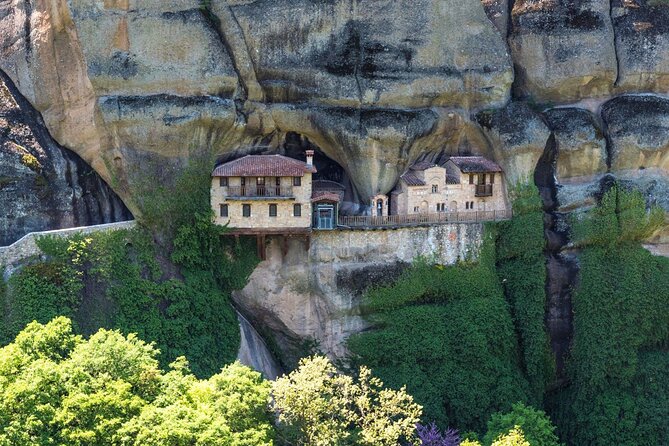
At some point on the route, you’ll reach a standout viewpoint area for the hidden monastery of Ypapanti. The wording here is important: you’re not just passing by a name on a map. You’re getting a clear look at one of Meteora’s monastery sites, framed by the rock formations that made monastic isolation possible.
This is where the guide’s context pays off. You’re not standing there with no direction. You learn how legends and history attach to these spots, and why monks chose these locations in the first place.
You’ll also view the ancient ruins of St. Dimitrios. Ruins can feel like leftovers unless you know what you’re looking at. With a guide, the rocks become readable—like eras and purposes are still written into the stone, even when walls are gone.
What I’d tell you as a practical tip: pause longer than you think you need at each viewpoint. The tour is about 4 hours, so you’ll cover ground, but Meteora rewards unhurried looking. Those cliffs and towers can shift visually as you change angle.

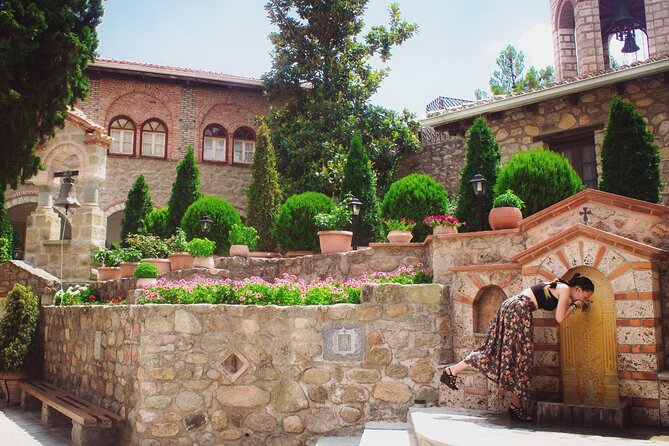
Great Meteoron or Varlaam: what you’ll see and how the tour handles the inside
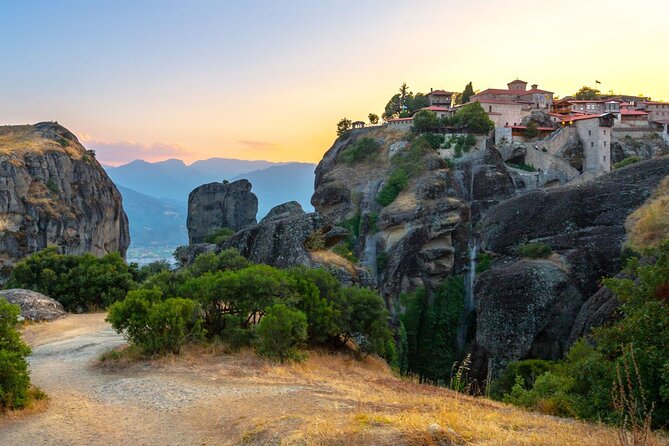
Later in the walk, you’ll visit the monastery of Great Meteoron or Varlaam, depending on the day. This is a classic Meteora reality: which monastery you see can vary, but the overall experience keeps its structure—guided context plus time to take in what’s there.
Here’s the key limitation: entrance tickets are separate, and a guided tour inside the monastery is not included. That means you should think of the monastery visit as:
- your guide gives history and legends as part of the tour
- you get time to see the monastery area
- but if you want a deeper inside-only explanation, that’s not built into this specific package
So plan your expectations. You’ll still come away with understanding, especially about why these monasteries sit where they do and what the guide shares as you walk. But don’t count on a full, step-by-step inside narration.
For photos, monastery times often mean you’ll need patience and angle-hunting. If you’re the type who likes to compose shots slowly, this tour gives you a better window than a quick stop because you’re not only there—you’re on foot through the approach too.
Pacing, group size, and what “small group” means in real life

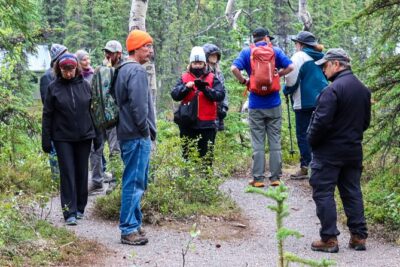
The tour caps at 15 travelers, which sounds like marketing language until you experience it. In Meteora, narrow areas and photo points make bigger groups feel chaotic fast. With 15 or fewer, you can usually:
- keep a comfortable walking pace with space around you
- ask your guide questions without shouting
- rotate through viewpoints without feeling like you’re waiting in a crowd line
You also get a bottle of water included. It’s a small detail, but on a morning hike it helps you start steady without hunting for a shop.
Time-wise, you’re out for about 4 hours. That’s long enough to feel the walking and hit multiple key sights, but short enough that you can still do something after—like an afternoon stroll in Kalabaka or Kastraki.
What to wear and bring for a 4-hour Meteora hike
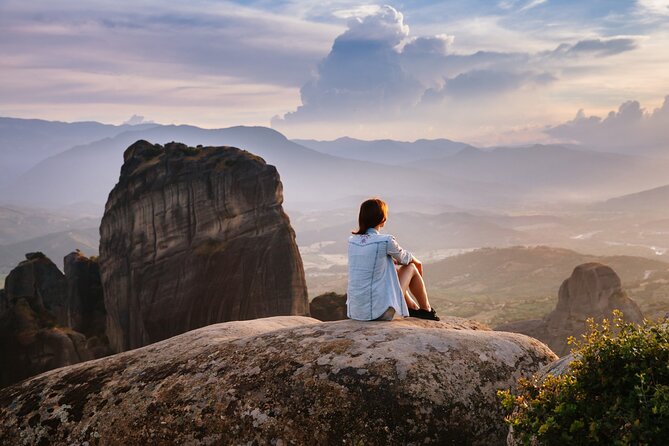
Because the hiking level is listed as moderate, you’ll be happiest with the basics done right. The tour includes water, but you’ll want to bring your comfort kit.
At minimum, I’d show up prepared for:
- sturdy walking shoes (traction matters on uneven ground)
- a light layer (mornings can feel cool)
- sun protection (the views are wide open once you’re up on the trails)
- your phone for the mobile ticket and photos
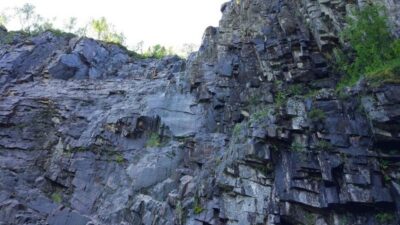
If you’re sensitive to heights or exposed viewpoints, keep that in mind too. Meteora is full of dramatic drop-offs and rock walls. The guide can help you time steps and pick safe photo angles, but you’ll still feel the setting.
And if you’re coming with kids: it’s not recommended for children under 7. That’s about more than distance—it’s about the type of walking and attention needed on rock-adjacent terrain.
Weather matters more than you think
This hike requires good weather. Meteora weather can change quickly, and the activity specifically notes that it may be canceled due to poor conditions. If that happens, you should expect either a different date or a full refund.
That’s a relief if you’re planning around a tight schedule. But it also means you shouldn’t book this as your only Meteora day without a backup plan. If the forecast looks rough, be ready to shift.
A note on guides and stories: what you’re really paying for
With many Meteora experiences, the big-name monasteries do most of the talking. Here, the guide’s role is stronger: you’re walking routes that connect to the early monks and you’re shown key features like the hidden monastery area and the St. Dimitrios ruins.
Learning “the why” matters in Meteora. The rocks aren’t decoration. They explain how communities lived, prayed, and survived. A good local guide turns that into something you can picture while you’re standing on the trail.
And because this is a local mountain guide and a small-group format, your questions can actually land. If you want context about a cave, a rock formation, or a monastery site, you’ll have a better shot at getting a direct answer than in a big crowd.
Who this tour is best for
This Meteora hike is a strong fit if you want:
- a morning activity with real walking
- a local-guided route through the rocks, not only monastery entry
- scenic photo time with multiple stops
- a smaller group size to keep the experience calm
It’s especially good for first-timers to Meteora who feel overwhelmed by the sheer number of viewpoints and monastery names. The guide helps organize the day so you leave with a mental map, not a folder of random pictures.
You might skip it if:
- you don’t do moderate hiking
- you’re traveling with young kids under 7
- you’re mainly looking for a long inside monastery experience (since guided inside touring is not included)
Should you book this Meteora hiking tour?
I’d book it if you want Meteora the way it feels best: walking with a local guide, following hidden paths, and getting to monastery viewpoints without losing half the day to transfers. The combination of pickup, small group, and multiple sight stops is where the value lives—especially at the $36.12 price point.
I’d think twice if you’re expecting a full, guided monastery interior experience, because entrance fees are extra and guided inside tours aren’t included. And if weather looks iffy, keep your schedule flexible since the tour depends on good conditions.
If you’re the kind of traveler who likes practical tours with actual movement—then this one fits. Just bring shoes you trust, plan for monastery tickets, and give yourself time to enjoy the viewpoints instead of rushing through them.
FAQ
How long is the Meteora hiking tour?
It runs about 4 hours.
What does the price include?
Pickup and drop-off from your accommodation in Kalabaka or Kastraki, a local experienced mountain guide, a small-group hiking tour, and a bottle of water are included.
Are Meteora monastery entrance fees included?
No. Entrance fees are not included. The tour lists an entrance fee of €5.00 per person for each Meteora monastery.
Is there a guided tour inside the monasteries?
Guided tour inside the monastery is not included. The tour includes learning and viewing, but not a guided inside visit.
What fitness level is required?
The tour is described as moderate physical fitness. It is not recommended for children under 7.
What’s the meeting time and pickup area?
The start time is 8:30 am. Pickup is offered from your accommodation in Kalabaka or Kastraki.
Is free cancellation available?
Yes, free cancellation is available. You can cancel up to 24 hours in advance for a full refund. The tour also requires good weather; if it’s canceled due to poor weather, you’ll be offered a different date or a full refund.