REVIEW · MONTERREY
Nido de los Aguiluchos, Monterrey: Hiking + Rock Climbing + 3 Rappels
Book on Viator →Operated by Gaia Xtreme Tours · Bookable on Viator
Heights and views. That is the deal. The Nido de los Aguiluchos adventure near Monterrey is a full-day push of hiking plus assisted climbing with safety cables, metal rungs, zip lining, and three rappels over the Huasteca valleys. You start early, so the whole thing feels like an adrenaline-fueled morning mission.
I love how the guides make it hands-on and confidence-building, especially for first-timers. In particular, I noticed names like Omar, Jimi, Ramses, Cedric, Luiz, Denise, Tony, and Adán showing up again and again for professional coaching and clear safety talk (often in both English and Spanish). The small-group limit of 15 also means you are not lost in a crowd while you learn the moves.
One key drawback: this is not for people afraid of heights. Even when the route has safety cables, you will still be on exposed narrow sections, scrambling on uneven ground, and lowering yourself down on rappels. If you hate the feeling of being suspended above open air, this trip will stress you out more than it should.
In This Review
- Key takeaways before you go
- Nido de los Aguiluchos: What you’re really signing up for
- The full-day rhythm: hike, assisted ridge climbing, then zip line
- The hiking segment: where the legs get tested
- Assisted climbing: metal rungs + safety cables
- Zip lining: the breather you earn
- Three rappels over the Huasteca valley: what to expect in the scary parts
- Before your first rappel: the moment of doubt
- During the rappel: keep your head working
- Waiting your turn: why the day feels longer than it looks
- Views you earn: why the early start matters
- Fitness and height comfort: the reality check that saves trips
- What your body needs
- What your mind needs
- What’s included in the $115.95 price (and what you should budget for)
- Value tip
- Gear checklist from what actually helps on the route
- Small-group style logistics: max 15, morning groups, and bilingual help
- Who this tour fits best (and who should sit it out)
- Should you book Nido de los Aguiluchos climbing with Gaia Xtreme Tours?
- FAQ
- How long is the Nido de los Aguiluchos hiking and rock climbing tour?
- What time does the tour start and where is the meeting point?
- Do I need rock climbing experience to do this tour?
- Is transportation included?
- What is included in the price?
- What is not included?
Key takeaways before you go
- Early 5:00 am start gives you a head start and better climbing conditions
- Via ferrata style climbing uses metal rungs and safety cables for guided exposure
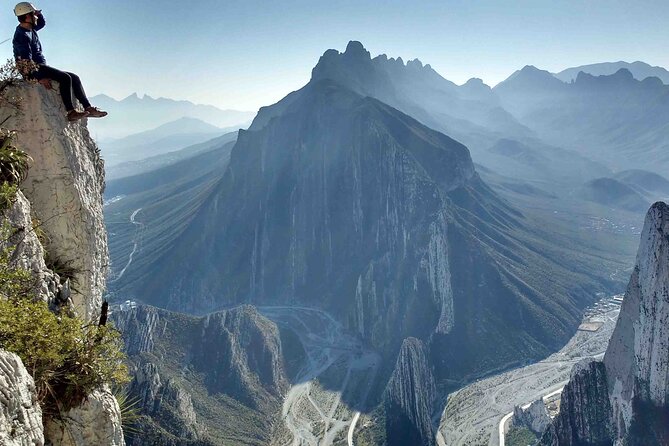
- Three rappels are the emotional peak, with panoramic valley views mid-air
- Small group (max 15) means more coaching time and smoother turn-taking
- Bring real hiking gear because the route involves scrambling and loose rock
Nido de los Aguiluchos: What you’re really signing up for
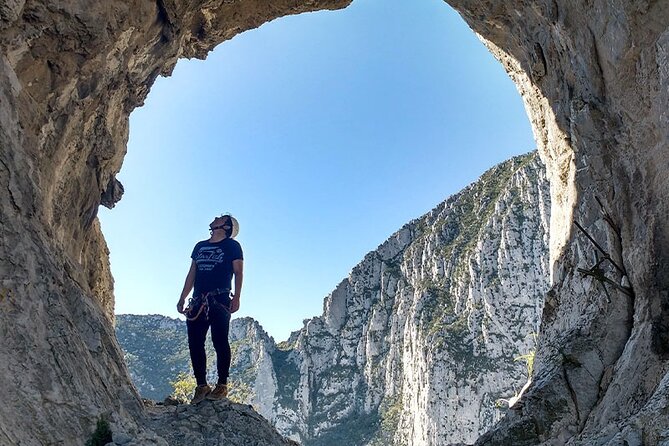
This is not a gentle hike with a scenic payoff. This is a climb day that happens to include hiking. You spend a chunk of the morning moving uphill on rugged trails and rock, then shift into assisted climbing using safety cables and metal rungs. In real terms, you are using your legs, core, and hands in ways a normal trail does not ask for.
The route is built for people who want a challenge, even if they have never done via ferrata before. You get professional guidance and climbing equipment, which matters a lot because you learn the system in motion: how to clip, how to move through narrow sections, and how to manage your body on uneven footing. That’s the difference between feeling brave and feeling reckless.
And yes, the views are the big reward. Monterrey and the Huasteca mountains show up as the day ramps from hard work to awe.
You can also read our reviews of more tours and experiences in Monterrey.
The full-day rhythm: hike, assisted ridge climbing, then zip line
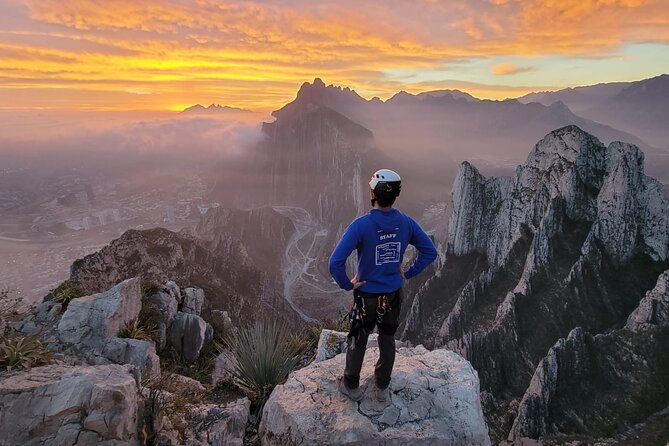
Your day typically begins with pickup and transportation from Monterrey in an air-conditioned vehicle. Then you head out early—because Nido de los Aguiluchos is best when the day is cooler and the light is good. Expect a morning that starts before you are fully awake, followed by a steady ramp in intensity.
The hiking segment: where the legs get tested
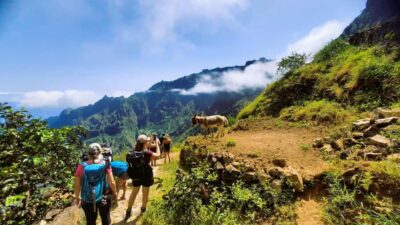
The first part is your warm-up and your warning label at the same time. Several guides’ coaching and the route itself focus on footing and steady pacing. You will likely deal with scrambling and some uphill grit, including loose gravel. Think more rugged trail than “park path.”
If you have decent cardio and you can handle steep inclines, you should be fine. If you are nursing sore knees, hate climbing on uneven rock, or show up hungover, you will feel it fast.
Assisted climbing: metal rungs + safety cables
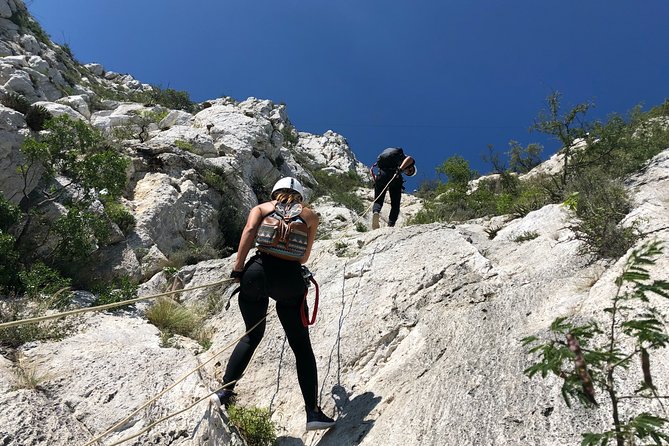
Once you enter the assisted sections, the experience clicks into a different mode. Metal rungs give you physical handles. Safety cables give you a safety reference point as you move along the route. The goal is not just to “get up.” It is to learn how to move efficiently without panic.
This is also where having a guide matters. I saw repeated praise for instructors who teach steps clearly and take first-timers seriously—like when Omar and Jimi were described as professional and confidence-building, or when Ramses and Cedric were called excellent teachers. That kind of coaching helps you keep your rhythm instead of freezing when the terrain gets narrow.
Zip lining: the breather you earn
The tour description includes zip lining, and it fits perfectly into the day’s pacing. After climbing and scrambling, you get a faster, more playful moment. It is not about brute strength anymore—it is about letting the harness and momentum do the work while you catch your breath.
If you like variety, you will appreciate how the day switches gears. It keeps you from feeling like you are just grinding uphill for hours.

Three rappels over the Huasteca valley: what to expect in the scary parts
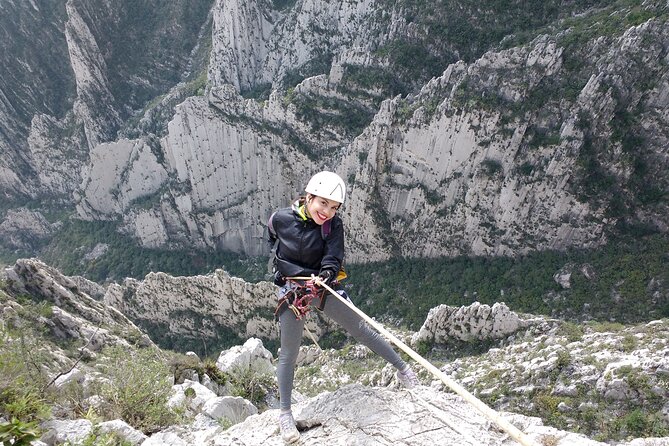
The rappels are the headline. The tour is built around three separate descending moments, and those are exactly where people go from excited to wide-eyed. Even if you feel safe thanks to the system, your brain still notices you are dropping and you can see huge open air below.
Before your first rappel: the moment of doubt
Plan for nerves. You may feel fine on the climb and then get those little flutters when you are clipped in and set to descend. That is normal. Guides usually handle this by walking you through the process and making sure you are ready physically and mentally.
I also like that the experience is not framed as a do-it-yourself stunt. Your climbing equipment and professional guides are part of the package for a reason. If you are worried about technique, this is where you want guidance most.
During the rappel: keep your head working
A rappel is not just fear management—it is technique. You need to stay focused on your grip and your body position. People mention that the views are incredible while suspended, which is both true and weirdly calming: your eyes go to the valley and your brain shifts from panic to panorama.
One review stood out for describing rappelling as a way to see the entire valley while hanging hundreds of feet above the ground. That’s the mental image you should keep in mind: it is intense, but it can be beautiful instead of purely terrifying.
Waiting your turn: why the day feels longer than it looks
Even though the total duration is about 7 hours, the real time can feel longer because rappels often run in a rhythm. If your group is doing turns, you may wait while someone else descends. Several accounts mention time spent with rest breaks and waiting for rappels to start.
This matters practically: bring patience, not just energy. And bring a snack and water so your “waiting minutes” do not turn into your “cranky minutes.”
Views you earn: why the early start matters
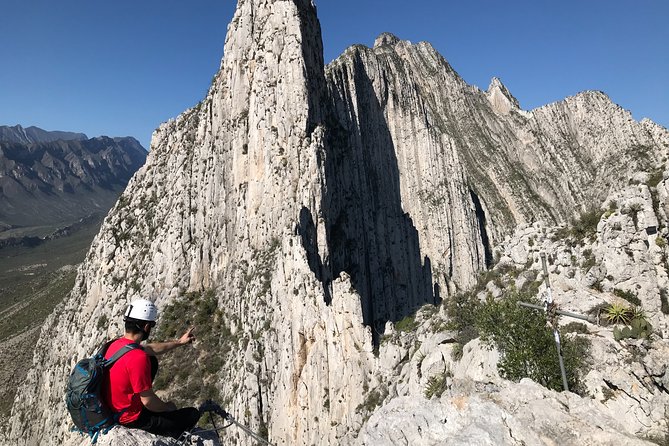
The Huasteca mountains and valleys are the payoff, but the timing is part of the payoff. A 5:00 am departure means you are not only climbing when it is cooler. You are also lining up your summit moments with soft morning light.
Some people describe watching sunrise from the summit, which makes perfect sense with an early start and a mountain top reached after a long climb. Even if you do not get sunrise, you still get that crisp morning visibility that makes the valley feel bigger and closer at the same time.
You also get a sense of scale that you do not get from a viewpoint you drive to. Here, your body does the work, so the view lands harder.
Fitness and height comfort: the reality check that saves trips
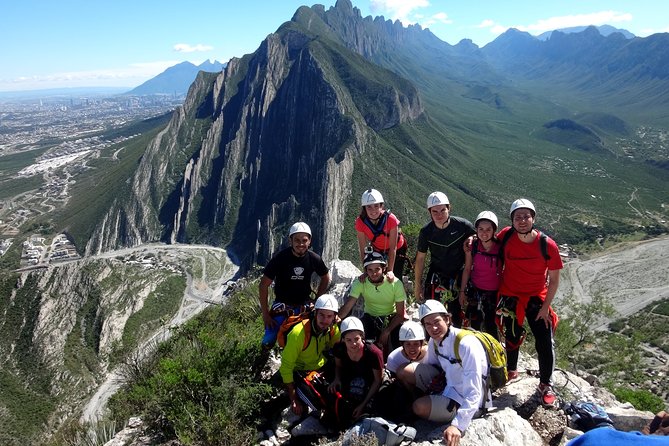
This tour says it is suitable for all levels and even first-time climbers, but it also clearly expects moderate physical fitness. That is not marketing fluff—it shows up in the shape of the route.
What your body needs
You should be comfortable with:
- steep uphill hiking
- scrambling on rock and uneven ground
- using arms and hands for assisted climbing
- moving carefully across narrow sections
Several comments point out that the hike is a little punishing at the beginning or at the very end. Other comments say it felt easier than expected, especially with cooler weather and steady pacing. Translation: the route is variable, but it is still physically demanding. Bring your best effort and you will be rewarded.
What your mind needs
This is the bigger divider: not heights-phobic. The experience is exposed, with narrow climbing and suspended moments during rappels. Safety cables help, but they do not remove the mental reality of being up high.
If you love heights and you can breathe through intensity, you will likely have a blast. If you get panicky when you can see the drop, you will struggle.
What’s included in the $115.95 price (and what you should budget for)
At $115.95 per person, you are paying for a structured adventure, not just a guide and a route. The included basics are:
- climbing equipment
- professional guides
- air-conditioned vehicle
- all fees and taxes
That matters because equipment and safety supervision are not cheap, and you are doing technical elements (rappels and assisted climbing). You are also going from Monterrey out and back, which is a big convenience win if you do not want to figure out transport.
What is not included: video service. If you care about action footage, you should budget for that separately or plan to take your own photos. (Just remember that for climbing and rappels, your hands need to be hands.)
Value tip
If you are new to via ferrata, this price often feels fair because the guide coaching can turn a confusing experience into an organized one. If you have done similar climbs before and you are comfortable with rappels, you might already know what you are buying—still, the guided setup is the value anchor.
Gear checklist from what actually helps on the route
Based on what people recommend repeatedly, you should bring more than just sneakers. You want gear that handles steep scrambling and sun.
Here is what I would pack:
- hiking boots or sturdy trail shoes with grip
- a light pair of gloves (even if you think you do not need them)
- water and a snack (people emphasize plenty of water)
- sunscreen, sunglasses, and a hat
- a small daypack you can carry hands-free when needed
- trekking/hiking sticks if you like extra stability
Water is the big one. More than one person notes that not having enough water is where problems start. If you do not usually pack water for steep hikes, assume you will need it here.
Also plan for a no-facilities reality. One review specifically says there are no facilities along the way and you should be ready to use nature. You cannot control the mountain, so handle it early.
Small-group style logistics: max 15, morning groups, and bilingual help
You are capped at 15 people. That cap is more important than it sounds. On an assisted climb with rappels, you want time for instruction. Small groups reduce downtime, and they reduce the chaos of multiple people clipped in at once.
Morning departures also matter because the route is long and your energy is highest earlier. It helps you stay calm at the parts that require focus, especially the first rappel.
Language support is another practical win. Guides have been described as bilingual, and that can reduce stress if your Spanish is basic. Clear safety instructions are not a nice bonus; they are the whole point.
If you want a more private setup, there is an option to upgrade for a private tour on demand.
Who this tour fits best (and who should sit it out)
This is a good fit if you:
- want a real challenge and do not mind heights
- enjoy hands-on climbing tasks
- like steep hikes that end in big views
- want a structured way to learn via ferrata and rappels with a guide
It is not a great fit if you:
- are afraid of heights
- need a gentle, casual day with minimal exposure
- are traveling with kids under 12 (not recommended by the tour)
If you are mid-range fit and you train for cardio and steep walks, you will probably be happiest.
Should you book Nido de los Aguiluchos climbing with Gaia Xtreme Tours?
If you want one standout adventure in Monterrey, this is a strong contender. The combination of assisted climbing, zip lining, and three rappels gives you multiple ways to feel the adrenaline—and the small-group cap makes the coaching feel real. For the price, you are also getting equipment, guides, and round-trip transportation, which is the kind of all-in support that matters for a technical route.
But be honest about your limits. If you are even slightly uneasy with exposed drops, do not force it. The “safety cables” part does not erase the height factor; it just helps you climb smarter.
If you do love heights, like a steep workout, and want that moment when the valley opens up while you are suspended on rappel, then yes—book it and wear your best hiking shoes.
FAQ
How long is the Nido de los Aguiluchos hiking and rock climbing tour?
The tour lasts about 7 hours.
What time does the tour start and where is the meeting point?
It starts at 5:00 am at H-E-B Gonzalitos, Av. Dr. José Eleuterio González 315, Sin Nombre de Col 69, 64050 Monterrey, N.L., Mexico.
Do I need rock climbing experience to do this tour?
No climbing experience is necessary. The tour is designed to be suitable for first-time climbers, with guides and safety cables.
Is transportation included?
Yes. Round-trip transportation from Monterrey is included, using an air-conditioned vehicle.
What is included in the price?
Climbing equipment, professional guides, air-conditioned vehicle, and all fees and taxes are included.
What is not included?
Video service is not included.