REVIEW · MONTERREY
Nido de Aguiluchos: Hiking, rappel and breathtaking photos
Book on GetYourGuide →Operated by LyliAventuras Guerreros · Bookable on GetYourGuide
Rappels and mountain views in one hard day. Nido de Aguiluchos near Monterrey turns a steady hike into hands-on climbing, ending with a 360º view from the eaglets’ nest at 1,250 m. I love how the overlook frames iconic peaks like Chipinque, Cerro de la Silla, and Cerro de las Mitras, and I also love that the guides I saw named—Lily and Miguel—stay focused on safety and coaching so you’re not guessing out there.
You should also know the main tradeoff: this is not a casual walk. You’re looking at a 4-hour hike plus climbing and technical descent, so moderate fitness and good footwear matter.
What makes the day feel worth it is that the hard parts come with proper structure. You’ll get full safety gear, accident insurance, and a photo shoot (plus a link to your photos), so you can concentrate on the route instead of hunting for equipment or worrying about your phone at the worst time.
In This Review
- Key Highlights You’ll Actually Feel
- Getting There: Pickup, Timing, and the Start of the Day
- First the Climb: The Quiet Hike That Turns Technical
- At the Top: 360º Views From 1,250 m
- The Descent Plan: Chimney, Climbing, and Three Rappels
- Gear and Safety: What’s Included and Why It Matters
- Price and Value: Does $134 Make Sense?
- What to Bring: Pack Like You’ll Use Your Hands
- Who This Tour Suits Best (And Who Should Skip It)
- My Decision Guide: Should You Book Nido de Aguiluchos?
- FAQ
- How long is the Nido de Aguiluchos tour?
- What is the fitness level needed?
- Is the tour suitable for children?
- What safety gear is included?
- How many rappels are there, and how high are they?
- Do I need to bring food and drinks?
- What languages do the guides speak?
- What should I bring for the hike?
Key Highlights You’ll Actually Feel
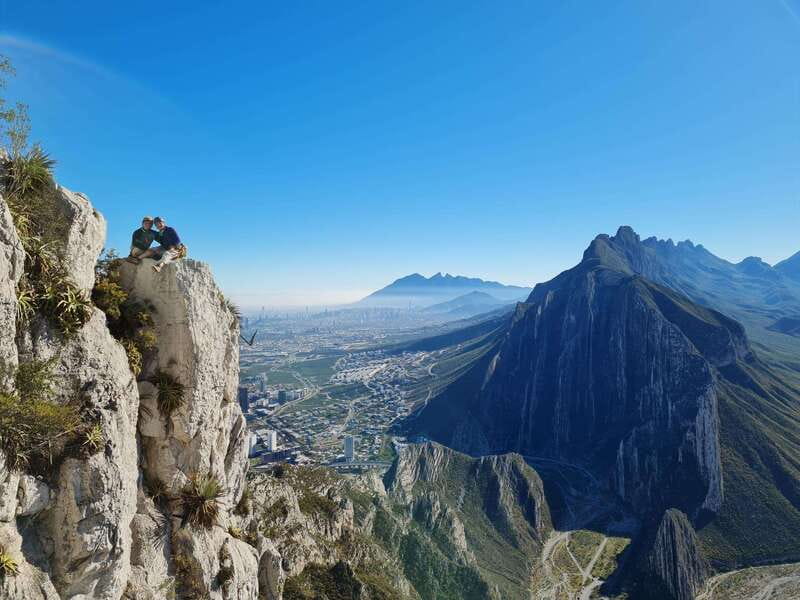
- 1,250 m summit with a show-stopping 360º panorama over the La Huasteca area
- Real workout climbing that starts as a quiet hike then gets steeper on rocky trail
- Photo documentation included, so you can let your brain focus on balance and timing
- Technical descent with a 10 m chimney and three long rappels around 35–40 m each
- Certified, safety-minded guides (including Lily and Miguel) who coach you through the tough moments
Getting There: Pickup, Timing, and the Start of the Day
The tour runs about 6.5 hours total, and you’ll feel that time because the hike is the backbone of the day. You’ll also have a pickup included, where you should wait in your accommodation lobby or at the door about 10 minutes before your scheduled pickup time. The van is listed as a gray KIA, so keep an eye out.
Language support is practical: the live guide can work in Spanish, English, or Portuguese, which is a big deal when you’re doing climbing and rappel work. Clear instruction reduces stress, and less stress usually means better decisions on rock.
Once you start, the pace begins calm. You’re not dropped straight into chaos. Instead, you work up gradually—quiet walking first, then easy climbs as you move toward the nest. That matters because it lets your legs wake up before the day asks for more from your grip, balance, and mental focus.
You can also read our reviews of more tours and experiences in Monterrey.
First the Climb: The Quiet Hike That Turns Technical
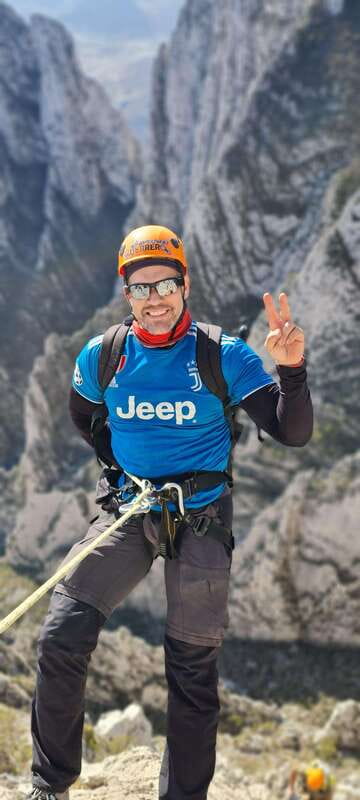
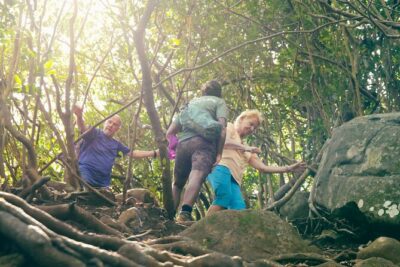
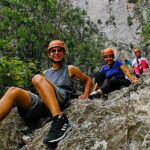
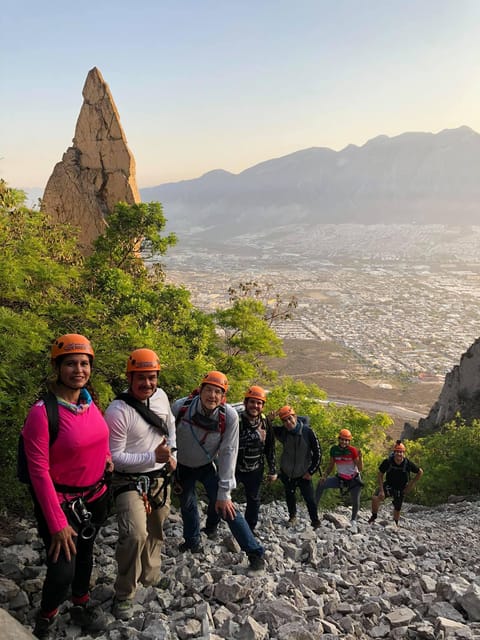
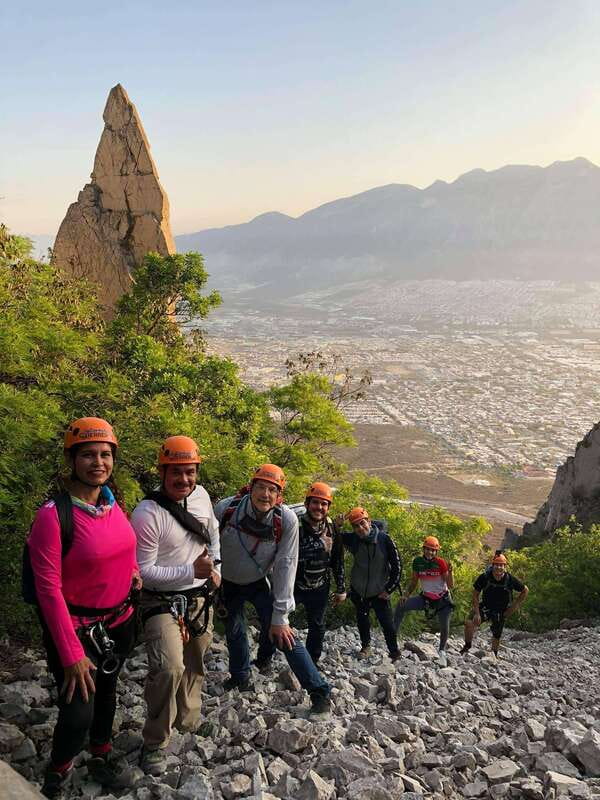
To reach Nido de Aguiluchos, you go up in stages. The approach starts with a quiet hike that steadily climbs, then gradually transitions into climbing to access the summit above the nest.
Here’s what you should expect underfoot. You’ll be walking rocky trails, and at points you’ll make easy climbs for sweeping views. The route is clearly designed to build you up: walking to earn the height, then scrambling/climbing when the views justify it.
One of the smartest things you can do is treat this as a two-part effort. First, conserve energy during the hike so you don’t arrive at the more technical sections gassed. Second, slow down when the terrain gets rough. Easy climbs don’t require speed. They require control.
If you’ve done hiking before but not much climbing, you’ll still be okay, as long as you respect the fitness level. The tour notes a moderate fitness requirement mainly because the hike itself is about 4 hours.
At the Top: 360º Views From 1,250 m
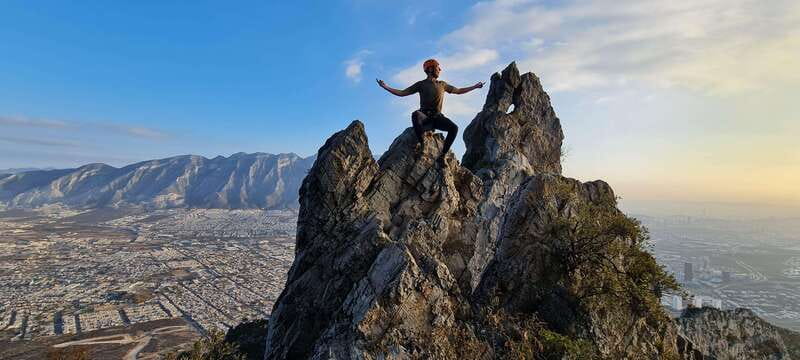
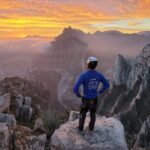
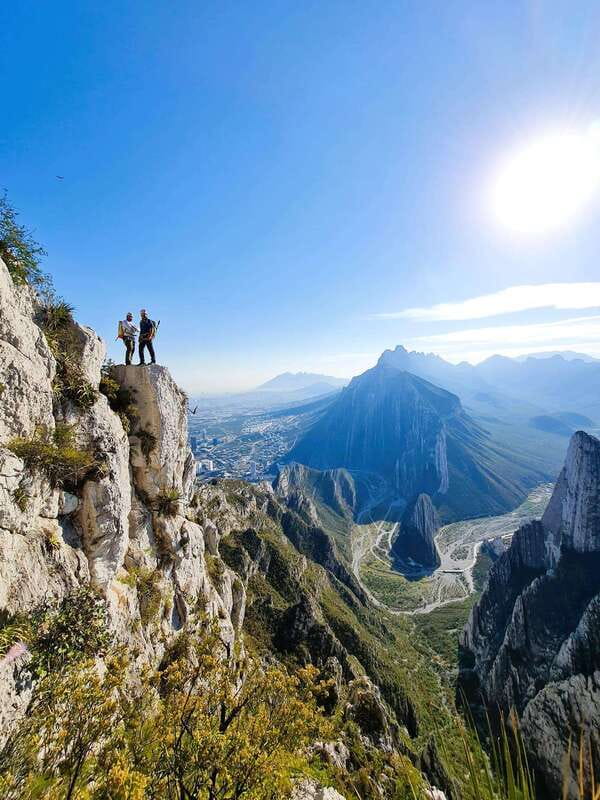
The summit is where the whole day pays you back. At the top of the nest at 1,250 m, you get a true 360º view, and it’s the part you’ll remember long after your calves recover.
From this vantage, you can look toward Chipinque, Cerro de la Silla in the background, and Cerro de las Mitras. That’s not generic scenery. Those are specific landmarks, and knowing that you can point at them (instead of just seeing shapes) makes your photos and your memories stronger.
It’s also the moment that helps you understand why the climb is worth it. You’re not just “doing a tour.” You’re getting a different angle on Monterrey’s surrounding wall of mountains, from a spot that feels like a natural lookout.
Bring a bit of patience here. You’ll want time to settle your breathing, grab pictures, and really look. The best photos tend to happen after you stop moving for a minute, not while you’re still bouncing with adrenaline.
The Descent Plan: Chimney, Climbing, and Three Rappels
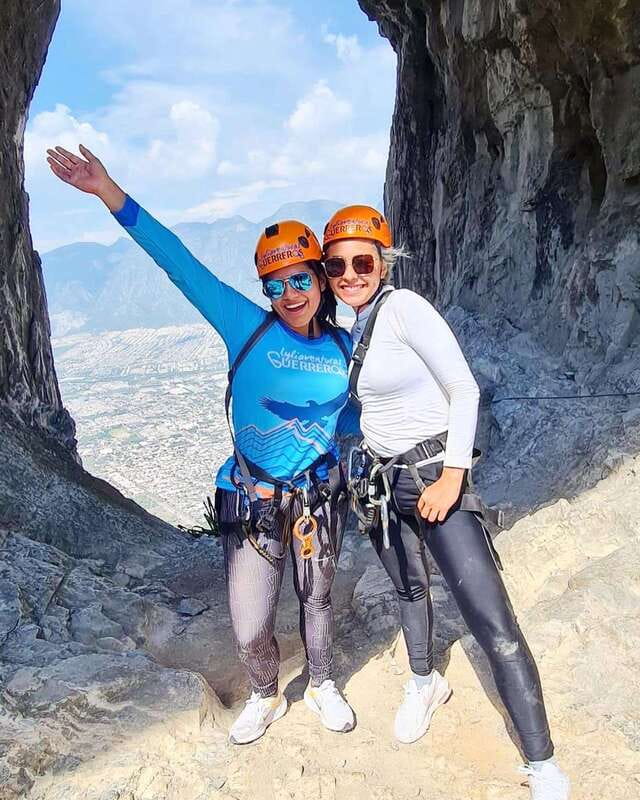
Now comes the part that turns hikers into adrenaline testers. After the summit, the descent kicks in, and you’ll do it with a mix of scrambling and rope work.
First, expect to get your nerves involved. The itinerary describes entering a 10 m chimney, which is basically a vertical rock slot that changes how you move. Your body has to trust the gear and your footing has to stay deliberate.
Then you’ll continue down with climbing and a rocky road. This is not a free glide. Think of it as controlled movement down a route that’s rough enough to remind you you’re on real rock.
Finally, you’ll test yourself with three rappels of approximately 35 to 40 meters each. That’s a big range, but the important takeaway is that you’re doing multiple long descents, not just one quick line down.
Practical mindset tip: on rappels, the goal isn’t to rush. It’s to maintain smooth, repeatable technique. If you find yourself tightening up, pause mentally, reset your breathing, and listen to your guide’s cues. This is exactly where having certified guidance matters.
Also, one review highlighted how guides handled personal limits near the top: even when someone chose to step back before the very last summit push, the guides respected that decision. That tells you the team isn’t pushing people beyond what they’re comfortable with. Safety and judgment come first.
Gear and Safety: What’s Included and Why It Matters
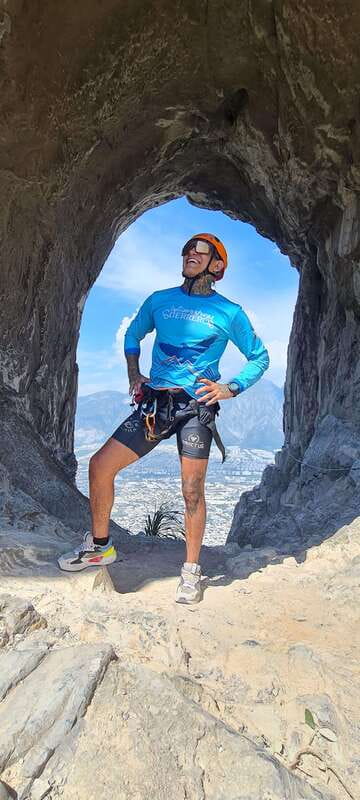
This is not “bring your own harness” territory. The tour includes the safety essentials and the systems used to keep you protected while you climb and rappel.
Included gear covers:
- a canyoning helmet
- a canyoning harness
- life lines
- a descent system
- a first aid kit
- accident insurance
There’s also logistics and oversight: the tour notes local permits and certified guides, and even includes the equipment needed for the technical parts of the day. Translation: you’re not showing up and figuring it out on the spot.
That matters because climbing and rappels are a skill-based activity. You can have the right shoes and still get stressed if you don’t understand the sequence. With professional guidance, you spend your energy on the move—not on the system.
One more thing I like: the tour includes photos from the experience, delivered via a link. You’re more likely to enjoy the day when you don’t feel like you must capture everything yourself in dangerous moments.

Price and Value: Does $134 Make Sense?
At $134 per person, you’re paying for a full half-day of technical outdoor activity, not just a hike. What makes the price feel more reasonable is what you’re getting bundled in: certified guides, full safety gear, insurance, first aid support, logistics/permits, and a photo shoot.
If you compare this to the cost of hiring gear + paying for skilled instruction separately, this pricing starts to look fair—especially because rappel and canyoning-style safety gear isn’t cheap, and a day guided by professionals saves you guesswork.
Is it expensive compared to a casual hike? Sure. But this isn’t casual. You’re doing:
- rocky trail climbing
- a 10 m chimney
- three rappels around 35–40 m each
And you’re doing it with safety systems and gear already provided.
So if your goal is views plus real rope-adventure, this price can be good value.
What to Bring: Pack Like You’ll Use Your Hands
Even with gear provided, you still need to show up prepared for the hike and the rocky, sometimes dry-ish, sometimes sweaty demands of climbing.
Bring:
- hiking shoes (proper footwear is non-negotiable)
- food and drinks (they’re not included)
- sunglasses and sunscreen
- windbreaker
- gloves
- long-sleeved shirt and outdoor/sportswear
- a garbage bag (listed as what to bring)
Gloves deserve special attention. Even if you think you can grip without them, the rappel and climbing portions are exactly the kinds of moments where hand comfort affects focus.
Water and food are not optional. One review stressed that water is a must, and that matches what this kind of hike asks from you. Bring enough to cover the hike and keep energy steady so the descent doesn’t feel like a test at the end.
Who This Tour Suits Best (And Who Should Skip It)
This tour is a strong fit if you want a workout that ends in serious views and you’re comfortable using safety gear and following instructions.
You’ll like it most if you:
- have moderate fitness and can handle a 4-hour hike
- enjoy climbing or want to try it in a guided, structured way
- want specific viewpoints over Chipinque, Cerro de la Silla, and Cerro de las Mitras
You should skip it if:
- you’re expecting a relaxed walk (it’s not)
- you’re worried about technical descent, even with coaching
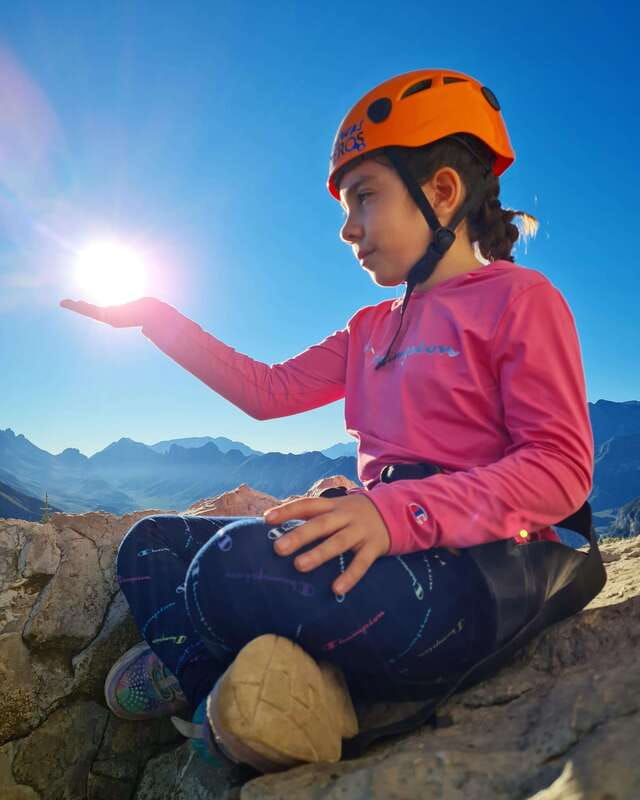
- you have kids under 10 (not suitable)
Also, don’t underestimate the mental side. Rappels can create that moment where your brain asks, Am I sure about this? The right response is to breathe, listen, and trust the system. This is where guides help most.
My Decision Guide: Should You Book Nido de Aguiluchos?
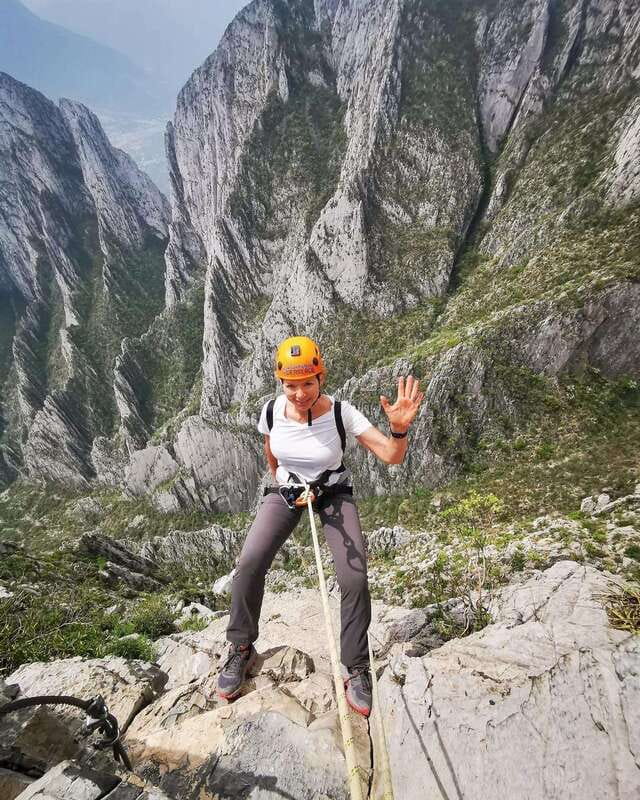
Book it if you want more than a scenic hike. This is an active, guided climb-and-descend day with a summit payoff at 1,250 m and a technical finish with a 10 m chimney and three long rappels. If you’re excited by the idea of trading comfort for a real sense of accomplishment, you’ll likely feel it here.
Skip it if you want something low-effort, or if the idea of three rappels around 35–40 m makes you anxious. You can be enthusiastic about views and still decide your comfort level matters more than checking boxes.
If you’re on the fence, I’d make the call this way: do you have the fitness to keep moving for hours on rocky ground? If yes, and you’re ready to follow guide instructions, this is a very solid adventure in Nuevo León.
FAQ
How long is the Nido de Aguiluchos tour?
The total duration is listed as 6.5 hours, and it includes a 4-hour hike as part of that time.
What is the fitness level needed?
It notes that you need a moderate fitness level since the tour involves a 4-hour hike plus climbing and technical descent.
Is the tour suitable for children?
No. It states it is not suitable for children under 10 years.
What safety gear is included?
Safety gear is included, including a canyoning helmet, canyoning harness, life lines, and a descent system, plus a first aid kit and accident insurance.
How many rappels are there, and how high are they?
You do three rappels, each approximately 35 to 40 meters.
Do I need to bring food and drinks?
Yes. Food and drinks are not included, and you’re advised to bring them.
What languages do the guides speak?
Guides can run the tour in Spanish, English, and Portuguese.
What should I bring for the hike?
Bring hiking shoes, sunscreen, sunglasses, a windbreaker, gloves, long-sleeved shirt, outdoor/sportswear, and a garbage bag, plus food and drinks.