REVIEW · BIG ISLAND OF HAWAII
Kilauea Summit to Shore from Kona: Small Group
Book on Viator →Operated by The Volcano Van Private Tours · Bookable on Viator
Kīlauea shows up big on this Kona day. I like the hotel pickup and small-group pacing, because it turns a long drive into an organized, low-stress geology day. You’re only sharing the van with up to six people, and the guide uses the changing scenery to explain what the volcano is doing.
My second favorite part is the mix: Rainbow Falls in Hilo, then the Red Road coastline toward Kalapana, before you reach the Kīlauea summit caldera. One thing to watch is that weather and timing can move quickly; if clouds roll in (common in some months), you may feel a bit rushed at the overlooks.
In This Review
- Key highlights at a glance
- Kona to Kīlauea summit: what this day is really like
- Riding Saddle Road: microclimates you can actually feel
- Hilo break: Rainbow Falls, Kaumana Caves, and lunch that keeps you fueled
- The Puna Coast on the Red Road: black cliffs, surf, and Kalapana’s story
- Hawaii Volcanoes National Park: Kīlauea caldera views and the art of stopping right
- Why Scott’s guiding style matters more than the checklist
- Food, water, and pacing: simple stuff that affects your whole day
- Price and value: is $235 per person a smart buy?
- Who should book this Kona-to-shore Kīlauea tour
- Should you book it?
- FAQ
- What is the duration of the Kīlauea Summit to Shore from Kona tour?
- What time does the tour start?
- How many people are in a group?
- Is hotel pickup and drop-off included?
- What food and drinks are provided?
- Does the tour operate in bad weather?
- What should I wear or bring?
- Is admission included or free?
- Can I cancel for a full refund?
Key highlights at a glance
- Small group of max 6: more questions, fewer waiting around, easier photo stops
- Kona-to-east-side route: you cross multiple elevations, including near 6,800 feet on Saddle Road
- Hilo + Rainbow Falls + lunch: a real break in the middle, not just scenic pullouts
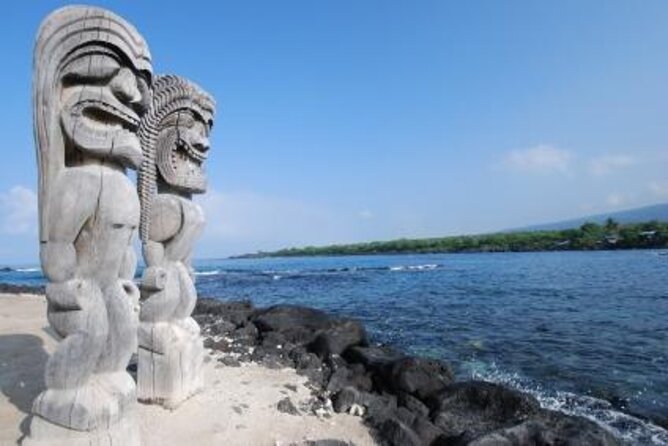
- Puna coast on the Red Road: black cliffs, crashing surf, and lava-buried Kalapana
- Hawaii Volcanoes National Park: pit craters, old and new lava flows, and the Kīlauea summit caldera
- Guide Scott’s volcanic storytelling: clear explanations tied to what you can actually see
Kona to Kīlauea summit: what this day is really like
This is a full-day Big Island circuit built around one idea: Kīlauea isn’t a single view. It’s a whole system, and you get to watch it show up in different places as the drive pushes you from rainforest to lava country.
You start with pickup from your hotel (round-trip), then roll out on a 9:00 am departure. The timing matters here. The tour is listed at about 8 to 9 hours, so your day is planned like a good road trip: enough stops to learn, but not so many that you waste time shuffling around.
The small-group cap (max six) is the difference-maker. In practice, it means the guide can adapt stops to weather and crowds without turning the day into a parking-lot marathon. It also means you’re more likely to get your questions answered on the spot, not at the end of the day.
You can also read our reviews of more tours and experiences in Big Island of Hawaii.

Riding Saddle Road: microclimates you can actually feel
After pickup, the drive heads toward the east side of the island via Saddle Road. That’s one of the most useful parts of the itinerary, because you don’t just travel distance—you travel conditions. You’re moving through microclimates as you gain elevation and then work your way back toward the coast.
One memorable moment comes when you pass an area tied to Mauna Loa’s past—your guide may point out a once-hot conduit of molten rock and explain why lava tubes matter in Hawaiʻi’s story. Even if you’ve seen volcano documentaries, it’s different when the guide can connect the explanation to something you’re passing in real time.
You also reach elevation close to 6,800 feet (2,072 m). If you’ve ever wondered why the Big Island feels like multiple islands, this is your answer. One stretch can feel cooler and cloudier; another can be bright and humid. That’s not random—it’s geography and air flow teaming up with the island’s topography.
This portion of the day is less about dramatic photos and more about getting your bearings fast. By the time you hit Hilo, the volcano won’t feel like a distant rumor. You’ll understand how the island’s environments change as the ground changes.
Hilo break: Rainbow Falls, Kaumana Caves, and lunch that keeps you fueled
Once you approach Hilo, the tour pivots into classic east-side highlights. A stop at Kaumana Caves adds variety because it’s not just surface scenery. Your guide ties the area back to lava processes and how the landscape forms over time.
Then comes Waianuenue, also called Rainbow Falls. It’s listed as an 80-foot (24-m) drop, which is a size you can feel when you’re close. In wet conditions, you may notice more of that rainbow effect, but even without it, it’s a strong “pause and look” stop.
Lunch is at Hilo Sharks Coffee. Having an actual sit-down break is a big value point for a long day. Volcanos don’t care if you skipped breakfast, and the pacing is only friendly if you’re not running on empty.
This Hilo stretch also helps you understand people, not just geology. The east side has its own pace and character, and the tour uses that stop to transition from rainforest and waterfall energy toward lava and the Puna coast.
The Puna Coast on the Red Road: black cliffs, surf, and Kalapana’s story
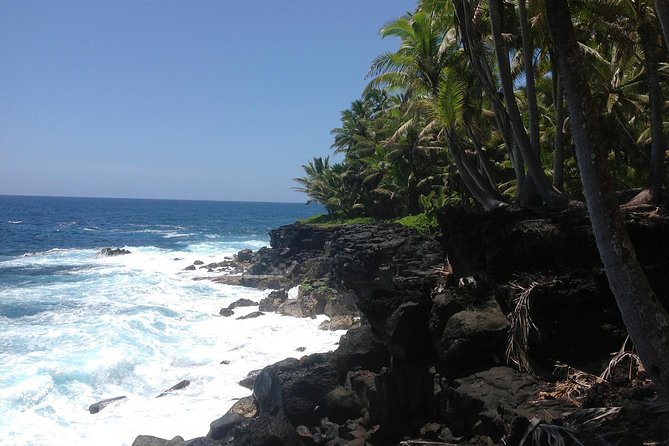
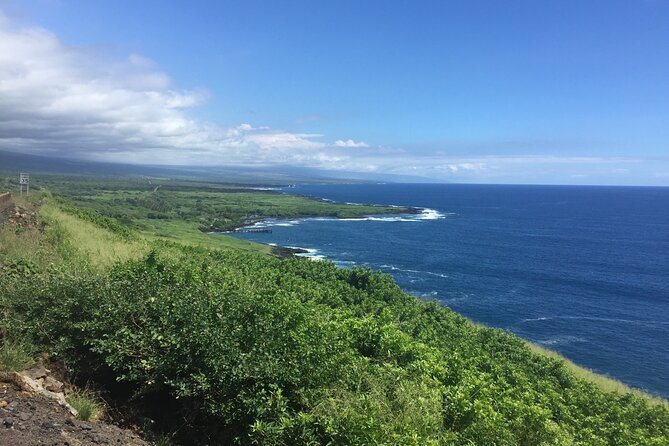
After lunch, you head toward Puna, including a drive along the famous Red Road. This is one of those parts where the scenery shifts in a way that feels almost unfair. Lush areas can give way to black cliffs, rocky coastlines, and surf you can hear before you even see it clearly.
The tour frames the Red Road as the southeast flank of Kīlauea. That matters because it turns “pretty coastline” into “active geology in your line of travel.” You’re seeing where eruptions and lava flows have shaped what’s safe to build, where land is stable, and how fast nature moves when lava is involved.
Your day continues to Kalapana, a town that was largely buried by lava in 1990. Standing in the shadow of that kind of event gives the summit caldera more meaning. It’s no longer just a crater rim view. It’s a reminder that the volcano’s changes can be fast and life-altering.
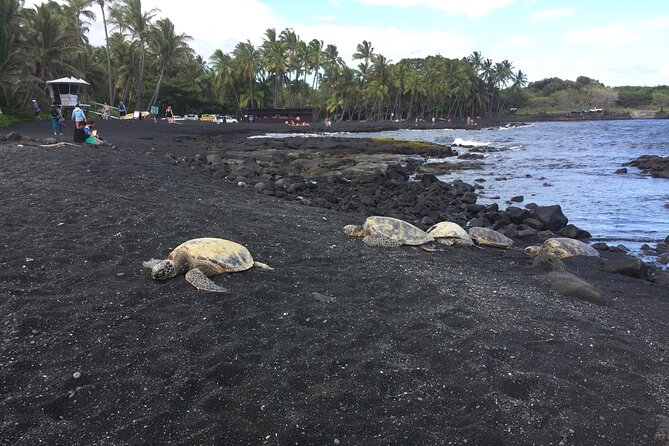
If you’re hoping for turtles and beach time, some trips include a black sand beach stop and sightings. From past experiences with Scott, you may even get a green sea turtle moment, along with time to splash around briefly if conditions allow. That’s not guaranteed on every day, but it’s part of the kind of planning that makes a long tour feel fun instead of rushed.
Hawaii Volcanoes National Park: Kīlauea caldera views and the art of stopping right
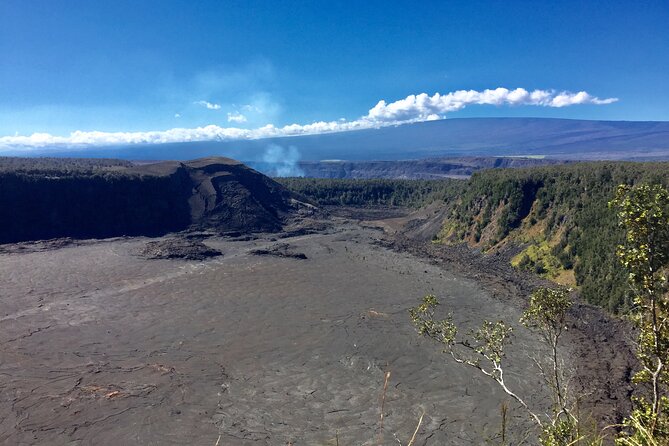
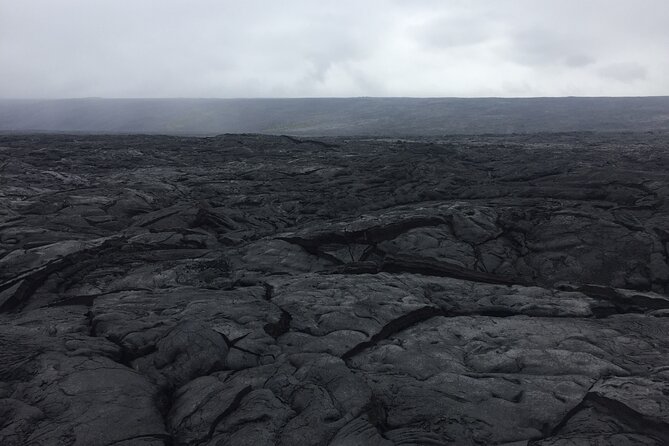
This is the core of the day: Hawaiʻi Volcanoes National Park and the summit of Kīlauea. The main target is the summit caldera, formed about 500 years ago. From the rim, you can look across a vast bowl and see how layered the volcanic surface becomes—old flows, newer scarring, and the way steam and heat can drift over areas that still feel alive.
A big advantage of a guided small group is that you don’t waste time at every “maybe” viewpoint. The guide aims for spots where you can actually see. On days when weather is typical for the season, it’s smart to accept that you may not get every perfect angle, but you can still get a strong sense of what’s happening above ground and what the system is doing beneath it.
The route inside the park can include stops near pit craters, areas of scorched earth, and stretches of old and new lava flows. The stops are timed so you can look, learn, and move before weather or daylight shifts too much.
One detail that can really change your experience: if lava-tube opportunities align, you may get a chance to visit places tied to the tube system. Past outings with Scott have included attempts at well-known lava tube areas, though parking and crowding can affect whether you can get in right away. When it works, lava tubes are special because they show a different side of lava—one that cooled underground, not just on the surface.
Also, some days are timed for late-day viewing. On past tours, Scott has waited for lava glow near sunset when conditions allowed it. That kind of timing can turn a crater visit into a memory you’ll talk about for years.

Why Scott’s guiding style matters more than the checklist
The tour’s success isn’t just the route. It’s the person driving the narrative. Scott, the guide behind The Volcano Van Private Tours, is repeatedly praised for making volcanoes understandable and for keeping the day moving safely.
I like that his approach uses what you see. Instead of talking in generalities, he connects ecosystems to elevation and weather changes. You’ll notice rainforest textures one moment and lava surfaces the next, and the explanations are built to match that shift.
Scott is also known for protecting your day from crowd chaos. When there are cruise-ship-style bottlenecks at common pullouts, he’ll work to get you to good viewpoints with less waiting. It’s not about escaping everyone. It’s about keeping your time for looking, not standing in line.
Safety and comfort matter on an 8–9 hour tour with different footing. One review highlighted how he handled an unexpected stumble without derailing the day. That kind of calm, practical response is a quiet but real value, especially if you’re traveling with kids, older relatives, or anyone who gets nervous in unfamiliar conditions.
And yes, the day stays fun. The best guides make the science feel like a story you can follow, not a lecture. The tone on Scott-led days seems to hit that sweet spot: serious about the volcano, relaxed about the humans riding along.
Food, water, and pacing: simple stuff that affects your whole day
Included with the tour are bottled water, snacks, and a picnic lunch. That’s not just a convenience checkbox. It’s what makes a long volcanic day actually enjoyable. When you’re switching elevations and walking around viewpoints, dehydration sneaks up on you fast.
The picnic lunch is timed for the middle of the day, after Hilo stops. That means you get fuel before the national park push, which usually takes longer than people expect once you start stopping for views.
Because the tour operates in all weather conditions, you should plan for changes. Dress for it. Close-toed shoes are required, and you’ll want them to grip on uneven ground at viewpoints.
One more pacing note: if January conditions or cloud cover show up, the tour may prioritize getting you to the best available views rather than lingering at every spot. That’s the trade-off of a day built to hit multiple major areas. If you love slow travel and extra time for photography, go in knowing you’ll have a strong overview day, not a one-view, all-day photo expedition.
Price and value: is $235 per person a smart buy?
At $235 per person, this isn’t the cheapest way to see Kīlauea. But it’s also not trying to be. The price makes sense for a full-day, guided, small-group route with transportation and meals built in.
Here’s what you’re paying for:
- Round-trip hotel pickup and drop-off from Kona area
- Private-vehicle transport across the island’s east side
- Snacks, bottled water, and a picnic lunch
- Admission is listed as free for the experience
- A small group max of six, which keeps the experience personal
- Scott’s guide-led route planning and interpretation
If you split the logic another way: DIY driving from Kona to Kīlauea takes real time, and you’ll still need the “what am I looking at” part handled. A good guide removes guesswork and helps you stop at better viewpoints without turning it into a stressful schedule.
This is also popular. The average booking window is listed at about 102 days in advance, so if you have specific dates, it’s smart to plan ahead rather than hoping a spot appears last minute.
Who should book this Kona-to-shore Kīlauea tour
This is a great fit if you:
- Want one organized day that hits the summit area and the east-side highlights
- Prefer small-group comfort over big-bus crowds
- Like your sightseeing with explanations tied to what you’re seeing
- Appreciate a mix of waterfall, rainforest feel, and lava coast visuals
It’s especially useful if this is your first time on the Big Island and you want a mental map of how environments change across the island.
You might consider a different format if you hate the idea of time pressure. This is built as a full circuit, so if you’re the type who wants to linger for hours at a single rim, you’ll probably want a slower, more flexible option.
Should you book it?
Yes, I’d book this tour if you want a guided, no-fuss day that gives you a real sense of Kīlauea’s scale and Hawaiʻi’s different environments—without needing to rent a car, plot viewpoints, and guess which stops matter most.
Book it soon if your dates are fixed, and pack for variability in weather. If you can handle a “see a lot, learn a lot” pace, this is a strong value way to connect Kona with the volcano side of the island in one shot.
FAQ
What is the duration of the Kīlauea Summit to Shore from Kona tour?
The tour runs about 8 to 9 hours.
What time does the tour start?
Start time is 9:00 am.
How many people are in a group?
The tour has a maximum of 6 travelers per booking.
Is hotel pickup and drop-off included?
Yes. Hotel/airport pickup and drop-off are included.
What food and drinks are provided?
You’ll get bottled water, snacks, and a picnic lunch.
Does the tour operate in bad weather?
Yes, it operates in all weather conditions. You should dress appropriately, since conditions can change.
What should I wear or bring?
Bring close-toed shoes. The tour also advises you to dress appropriately for weather.
Is admission included or free?
Admission is listed as free for the experience.
Can I cancel for a full refund?
Yes, free cancellation is offered. You can cancel up to 24 hours in advance for a full refund.