REVIEW · MONTEVERDE
Hiking to Curi-Cancha Reserve
Book on Viator →Operated by Three Brothers Tours · Bookable on Viator
Quetzals sound louder in the forest. This guided walk through primary and secondary forest in Monteverde is built for real nature spotting, with a bilingual guide who helps you notice birds, mammals, and small details you’d miss on your own.
My favorite part is how the guide’s bird-finding skills turn a simple trail into a living walk. One catch: the reserve entrance fee isn’t included, so you should budget extra before you go in.
In This Review
- The Curi-Cancha Reserve walk: what you’re paying for
- Price and logistics: $39 for the guide, $25 to enter
- Where you meet: Reserva Curi Cancha, easy to find
- Primary and secondary forest: the core of the hike
- Stop focus: what to look for while you hike
- How the guide changes everything (and why that shows in reviews)
- Quetzals, timing, and the morning advantage
- Group size: small teams, better wildlife viewing
- Weather, rain, and bugs: plan like a local
- Who this hike suits best (and who might not love it)
- Should you book Hiking to Curi-Cancha Reserve?
- FAQ
- How long is the Curi-Cancha Reserve hike?
- Is the entrance fee included in the $39 price?
- Is there a guided, bilingual experience?
- Are service animals allowed, and can infants participate?
- Does the tour include transportation?
- What happens if the tour is canceled due to poor weather?
The Curi-Cancha Reserve walk: what you’re paying for
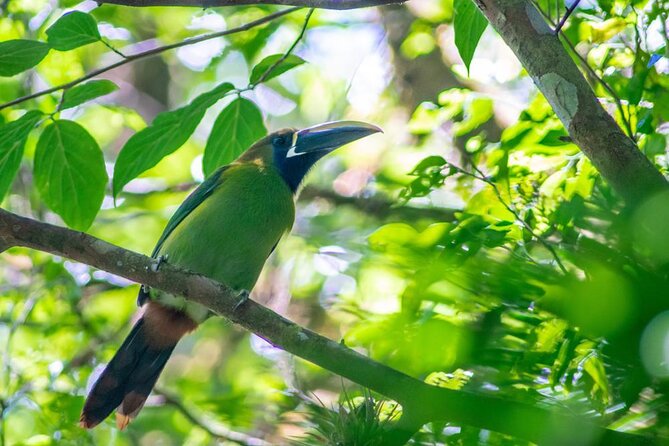
Hiking to Curi-Cancha Reserve is a straightforward plan: you show up, meet your guide, and spend about 3 hours hiking through forest trails while you look for wildlife. The tone is practical, not showy. The goal is “spot it, see it clearly, and understand what you’re looking at,” especially for birds.
If your idea of a good rainforest tour is slow enough to watch behavior (not just rush between photo stops), this fits. Many guides in this area rely on patience and field skills. In the feedback for this experience, names like Mauricio, Johnny, Adam, Eliar, and Roy come up often, usually for wildlife spotting and explaining what matters in the ecosystem.
That said, your results depend on the day. When the guide is actively scanning the canopy and describing what’s happening, people describe it as a standout. When the guide doesn’t focus on birding, the experience can feel flatter.
Price and logistics: $39 for the guide, $25 to enter
The tour price is $39 per person, and it includes the guided tour. But the entrance ticket to Curi-Cancha Reserve is not included. The extra reserve fee listed is $25 per person, which means your typical all-in cost is about $64 per person (not counting anything else like food or optional extras).
Transportation is also not included, though the start point is near public transportation. This matters because Monteverde can mean short drives and shared shuttles, depending on where you’re staying. If you’re staying close to central Monteverde, you’ll likely handle it with local rides or buses. If you’re farther out, plan your route early so you’re not stressed right before the walk.
Also note the tour ends back at the meeting point. That’s convenient because you don’t need a second pickup somewhere else.
You can also read our reviews of more tours and experiences in Monteverde.
Where you meet: Reserva Curi Cancha, easy to find
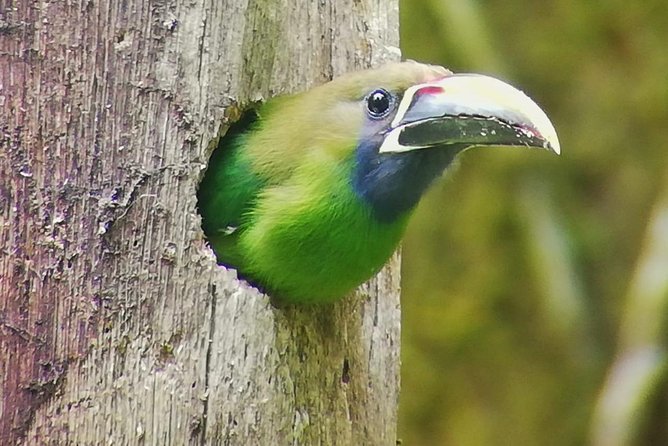
You start at:
Reserva Curi Cancha
300 m noroeste Fabrica de Quesos Monteverde, Provincia de Puntarenas, Monteverde, 60109, Costa Rica
If you’re using a map app, this address is your friend. I’d still arrive a bit early and give yourself buffer time for check-in and getting your bearings.
The hike begins at the reserve itself, which is a big advantage. You’re not spending half your time in transit. You get moving while your eyes are fresh.
Primary and secondary forest: the core of the hike
This is a walk through primary and secondary forest. That wording matters. Primary forest tends to feel more mature and structured, while secondary growth often changes more noticeably through time. Together, you get a better chance to see different kinds of birds and mammals moving through different forest conditions.
During the walk, your guide focuses on:
- Bird watching (with active scanning)
- Natural history explanations
- Some mammal spotting
The trail time is about 3 hours, which is long enough for wildlife to show up, but not so long that you feel cooked before the highlight species (if they appear). One review also notes the walk can end closer to 2 hours when things run faster than expected, so I’d treat 3 hours as the average plan rather than a strict guarantee.
Stop focus: what to look for while you hike
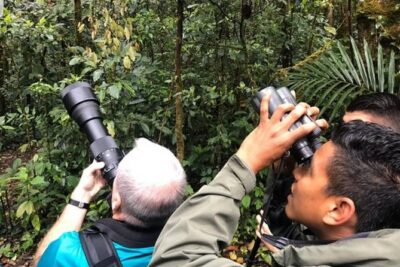
Because this is guided, you’ll spend more time looking up and watching movement than just walking. Here’s how to make it easier on yourself:
- Keep your eyes shifting between the canopy and the mid-level branches.
- Pause when your guide stops. That’s usually when something is actively visible.
- Listen for birds even when you can’t immediately see them. Guides often cue you to what to watch next.
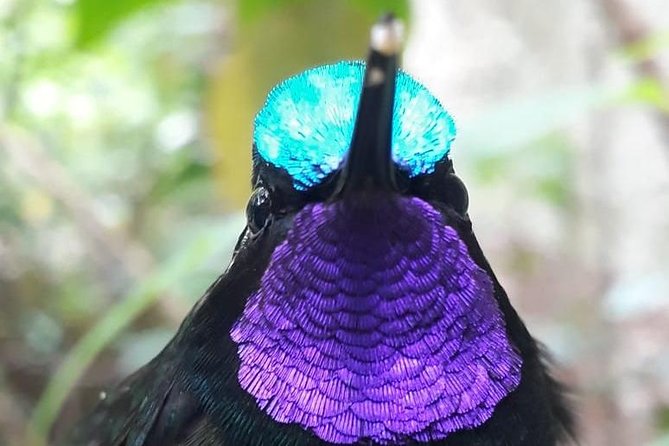
If you’re a fan of hummingbirds, sloths, and the small stuff, you’re in the right place. Several reviews specifically mention hummingbirds, a viper, and sloth sightings, which tells me the guides aren’t only chasing the famous species.
How the guide changes everything (and why that shows in reviews)
For me, a nature walk lives or dies by attention. A strong guide doesn’t just point. They help you focus and then confirm what you’re seeing.
In this experience, many people highlight guides who:
- Find birds you’d overlook
- Explain natural history in a way that sticks
- Use a scope so distant sightings become real
For example, one review specifically calls out Eliar using a scope and helping a small group learn with wildlife spotting skills. Other reviews praise guides like Mauricio and Johnny for bird-finding and detailed explanations.
So here’s the balance: not every run is perfect. There’s at least one account where the guide seemed disinterested in birding and didn’t look up when birds were calling. There’s also an account where the guide didn’t show up at all. And there’s one complaint about group size being larger than expected, making it harder for everyone to see the wildlife through the scope in time.
You can’t fully control that. But you can control your expectations: go in knowing this is a guided wildlife hunt through forest, not a guaranteed parade of rare animals.
Quetzals, timing, and the morning advantage
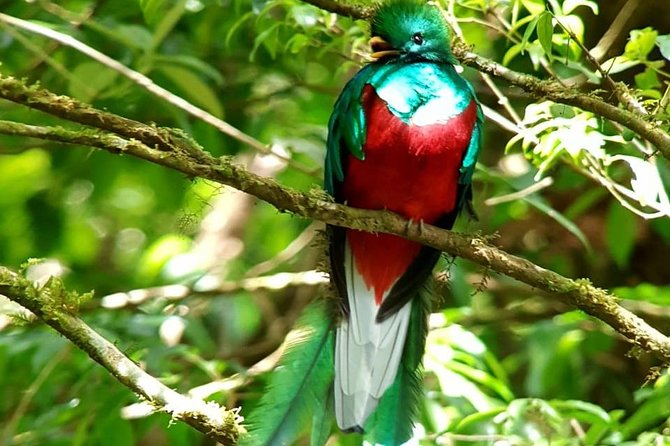
If you’re hoping for quetzals, here’s the practical tip that shows up in the feedback: they’re mainly at Curi-Cancha in the morning, and then they move up toward the cloud forest later.
What does that mean for you? If quetzals are your top priority, you should strongly prefer an earlier start when scheduling allows. If you’re doing an afternoon time slot, don’t treat it as a failure—just treat it as a different style of birding where other species may be more likely.
Other wildlife mentioned in feedback includes:
- Toucans
- Hummingbirds
- A quetzal (seen on some tours)
- Sloths
- A viper
- A baby owl (noted by one guide at the end of a rainy tour)
Wildlife schedules are never predictable. But this “morning quetzal” detail is exactly the kind of information that can help you choose the right time of day.
Group size: small teams, better wildlife viewing
This tour has a maximum group size of 9 travelers. Smaller groups matter in the forest because animals move fast and everyone wants a turn to see clearly.
In the positive experiences, the small group angle helps people get scope time and actually notice behavior before the animal disappears. In one mixed review, the group was larger than expected, and the reviewer felt it became unworkable for everyone to use the scope before animals moved on.
If you’re booking with friends or family and you can influence timing, I’d aim for the smaller, quieter slots and treat early morning as high value for wildlife spotting.
Weather, rain, and bugs: plan like a local
This experience requires good weather. If weather forces cancellation, you’ll be offered a different date or a full refund.
Even when the weather is officially “on,” Monteverde can bring rain and insects. One review says mosquitoes were intense during the time of year they visited. Another notes they still had a great tour despite rain.
So I’d come prepared:
- Bring a rain jacket even if the forecast looks calm. Reviews explicitly recommend this.
- Wear footwear that handles wet forest ground.
- Expect that bugs are part of the deal in rainforest areas. If you use repellent, this is not the moment to forget it.
Who this hike suits best (and who might not love it)
This tour works well for:
- People who like bird watching and don’t mind moving slowly
- Travelers who want a guide’s scanning skills, not just a walk
- Friends, couples, and families who want about 3 hours in the reserve
It also notes that most travelers can participate, and one review describes the trails as walkable with shade and a breeze. So you’re not signing up for extreme terrain based on what’s described here.
It’s also more inclusive than some tours. Service animals are allowed, and infants must sit on laps. If you’re traveling with a baby, plan on a lap approach rather than expecting extra seating or gear.
Who might want a different option? If you’re the type who needs guaranteed sightings of headline species every time, accept that forest wildlife doesn’t run on appointment schedules. Your best bet is choosing a time that aligns with your priorities (morning for quetzals) and going in ready to enjoy whatever shows up.
Should you book Hiking to Curi-Cancha Reserve?
Yes, if you want a guided rainforest walk with a strong chance at memorable birds and the kinds of small wildlife encounters you’d miss alone. The value can be excellent when your guide is actively birding and using tools like a scope—names like Mauricio, Johnny, Adam, Eliar, and Roy come up repeatedly for a reason.
Just book with eyes open:
- Budget the $25 entrance fee on top of the $39 tour price.
- Choose morning if a quetzal is your priority.
- Bring rain gear and expect bugs.
- Go into it knowing the day’s wildlife and your guide’s focus can swing the experience.
If you’re ready for a real forest walk where you pause, look up, and let the reserve do its work, this is a solid Monteverde choice.
FAQ
How long is the Curi-Cancha Reserve hike?
The tour is listed at about 3 hours.
Is the entrance fee included in the $39 price?
No. The reserve entrance ticket is not included, and the entrance fee is listed as $25 per person.
Is there a guided, bilingual experience?
Yes. A guided tour is included, and the guide is described as bilingual.
Are service animals allowed, and can infants participate?
Service animals are allowed. Infants must sit on laps.
Does the tour include transportation?
No. Transportation is not included.
What happens if the tour is canceled due to poor weather?
If it’s canceled due to poor weather, you’ll be offered a different date or a full refund.