REVIEW · OUIRGANE
imlil valley atlas mountains guided walk & lunch with locals
Book on GetYourGuide →Operated by Get Excursion SARL · Bookable on GetYourGuide
The Atlas starts right outside Marrakech. On this Imlil Valley day trip, I love the mountain views on the walk and the way a real Berber women’s cooperative stop folds into the day with tea and calm, human pace. You’ll get out of the city fast and spend your morning and early afternoon among terraced fields, stone villages, and the High Atlas ridgelines.
One watch-out: the walking is on uneven ground. If you show up in flimsy shoes, the climbs and rocky village paths can feel tougher than you expect, so pack proper walking shoes and a light jacket for cooler air in the gorges.
In This Review
- Key takeaways before you go
- Imlil Valley and the Berber villages: what this day trip really gives you
- Getting out of Marrakech: gorges, photo stops, and why the drive is part of the point
- Azrou and the women’s argan cooperative: the morning culture stop you’ll remember
- Weekly market day in Asni (Saturday or Tuesday): how to time it for the best experience
- Imlil Crossing: the valley that stays green, even in summer
- The guided walk to Aroumd: 1.5 hours of trail views and village-scale detail
- Ait Souka lunch on a terrace: why the meal is worth paying for
- Timing, weather, and what to pack so the day feels easy
- Transport comfort and guiding style: how the day stays organized
- Price and value: what $10 covers, and how to budget the rest
- Who this Imlil Valley walk is best for (and who should skip it)
- Should you book the Imlil Valley guided walk and lunch?
- FAQ
- What time does the Imlil Valley day trip start and finish?
- How long is the guided walking portion?
- Is lunch included in the $10 price?
- Do I visit a weekly market?
- Where does pickup happen in Marrakech?
- What languages are guides available in?
- Is alcohol allowed during the tour?
Key takeaways before you go
- High Atlas peaks in view: You’ll look toward Toubkal-area mountains like Jbels Aguelzim and Aksouâl from the trail.
- Co-op tea and local products: Stop at an argan-and-olive oil women’s cooperative (tea included; purchases optional).
- Market timing matters: You’ll visit the weekly market only on the right days, with Saturday and Tuesday both possible.
- A village built on a moraine spur: Aroumd sits over terraced fields, with almond and walnut trees around it.
- Lunch with a family, but it’s optional: The meal is usually 9€ paid directly to the family, not bundled into the $10 price.
- Driver + local guide working together: You get transport plus a guided walk segment so you’re not wandering.
Imlil Valley and the Berber villages: what this day trip really gives you
This is the kind of Morocco outing that makes sense if you want mountains and rural life without committing to a multi-day trek. You start in Marrakech, ride into the foothills, and spend your time where locals actually live—terraces, hamlets, and small village stops that feel like part of everyday rhythm, not a performance.
The heart of the experience is the guided walk toward Aroumd and then the continued walk to the lunch spot in Ait Souka. The trail is short enough to feel doable, but it’s long enough to change your perspective. One moment you’re in valley greens; the next you’re looking at steep slopes and jagged peaks of the Toubkal massif. It’s a good day if you want the Atlas Mountains to feel close, not distant.
There’s also a strong culture thread running through the morning. You’re not only hiking—you’re also meeting people through a women’s cooperative and seeing how villages connect by route and by market day.
Getting out of Marrakech: gorges, photo stops, and why the drive is part of the point
The day begins at 9:00am pickup from Marrakech. From there, you’re in a minibus/mini van and on the road for about 1.5 hours, heading south east toward the Atlas region. The transport is part of the value: you don’t need to coordinate maps, timing, or transport changes.
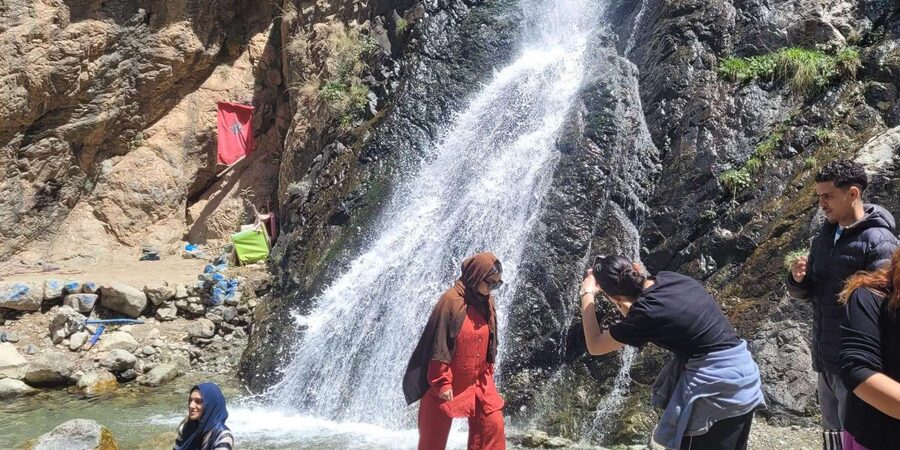
Along the way, you’ll have a few intentional stops. You first roll into the old village of Azrou for history and photos, then pass through areas like Tahnaout where the itinerary includes a photo stop and a visit with tea. Later, the van climbs toward Moulay Brahim Gorges. Even if you’re not trying to be an avid photographer, this drive gives you a sense of how quickly the region shifts from city life to mountain terrain.
The practical upside: you’re not “just” being transferred. Stops break the day up so it doesn’t feel like one long bus ride. The occasional downside is that if you’re prone to car sickness, that winding gorge drive might be a factor—bring your usual prevention.
Azrou and the women’s argan cooperative: the morning culture stop you’ll remember
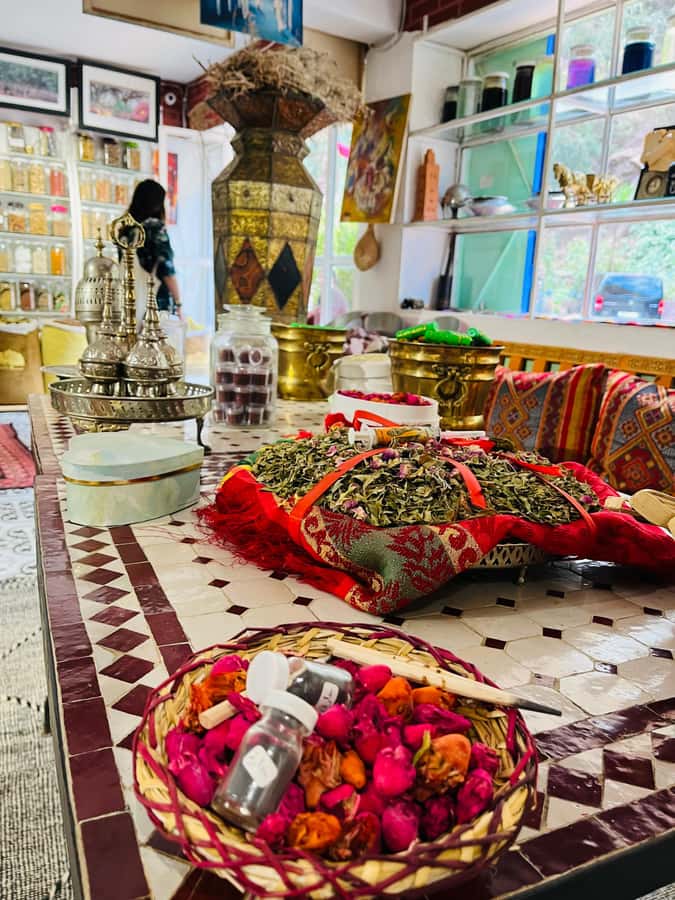
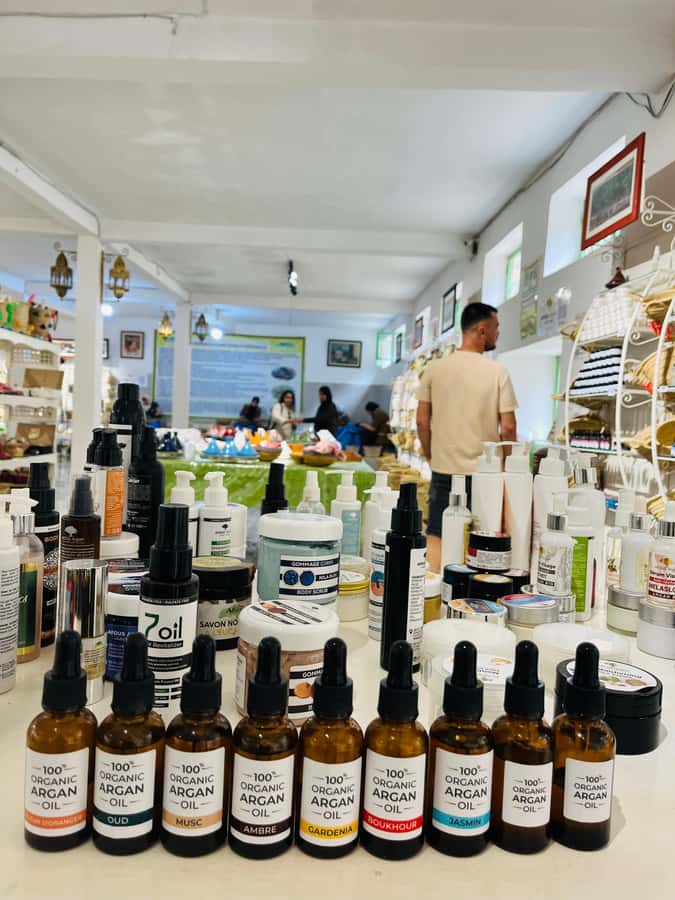
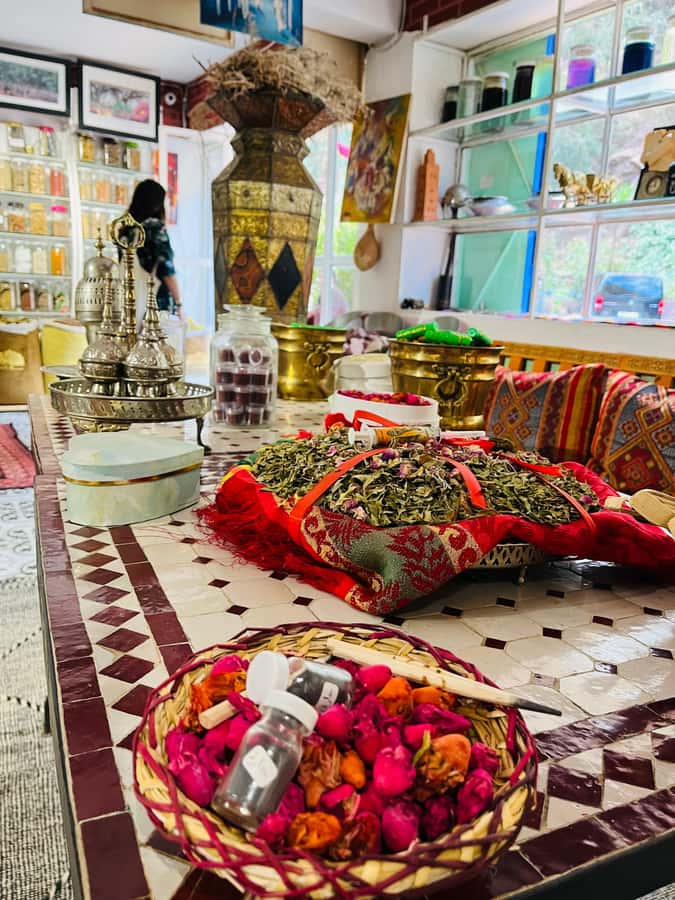
A big part of why this trip works is that it doesn’t treat culture as a 10-minute photo stop. The visit to the women’s cooperative is designed as a real pause. You’ll learn about local products, including argan and olive oil, and you’ll be offered tea as part of the hospitality.
This matters because you see a specific kind of village economy. Mountain Morocco has many ways people make a living, and cooperatives are one of the most direct ways visitors can support local work without falling into a shopping detour. If you want to buy something, you’ll likely have options for argan-based items. If you don’t, you can still appreciate what the women are doing and take the tea moment for what it is: a break, a conversation, and a chance to slow down.
Also, on the days I noticed the most praise, the drivers and guides were punctual and helpful getting everyone through the day without stress. Names that come up for great guiding include Majid and Mohamed, and people often mention the team staying organized even when the weather changes.
Weekly market day in Asni (Saturday or Tuesday): how to time it for the best experience
One of the smartest features of this trip is the weekly market stop. It’s included when the schedule matches the market day—Saturday or Tuesday—so the region feels lively in a way a random weekday won’t.
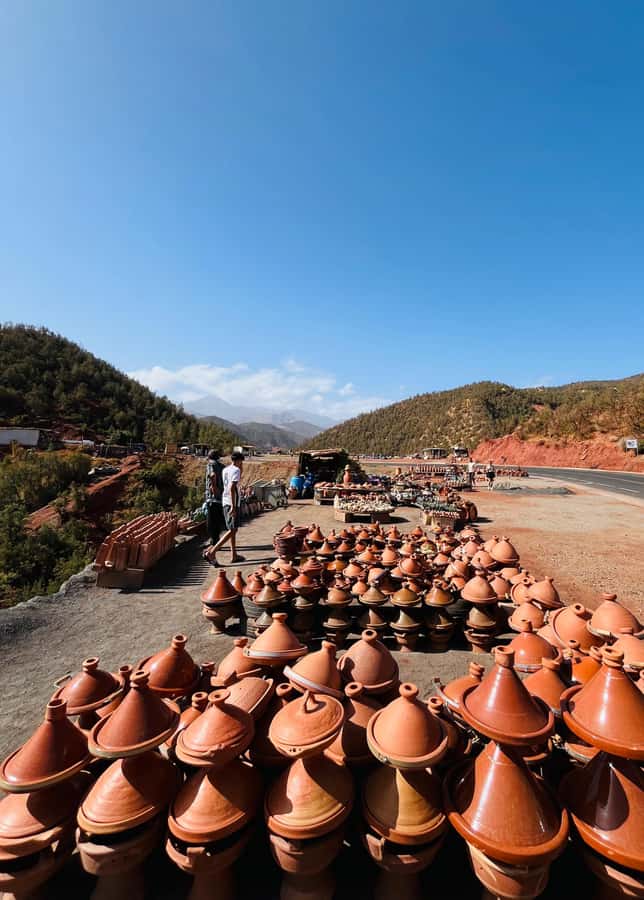
Asni is described as a very popular weekly market area. This isn’t only about souvenirs. Markets are where you see everyday needs: food, tools, textiles, and small exchanges of news. Even if you don’t buy much, you’ll learn how people move through the valley and how villages connect.
A realistic consideration: markets can mean crowds and more noise than the quiet village walks. If you prefer calmer experiences, you’ll want to enjoy the market quickly, then focus on the trail and lunch village atmosphere afterward.
Imlil Crossing: the valley that stays green, even in summer
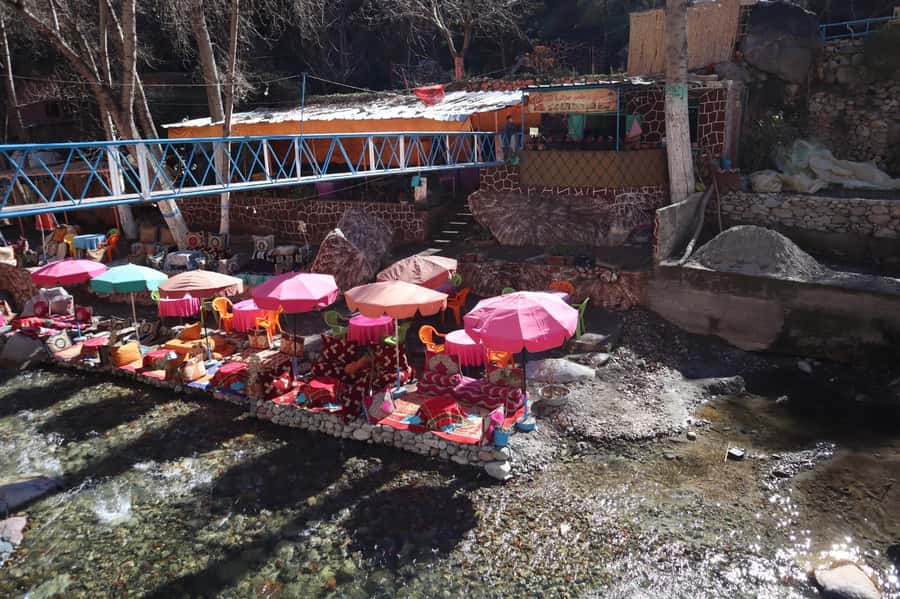
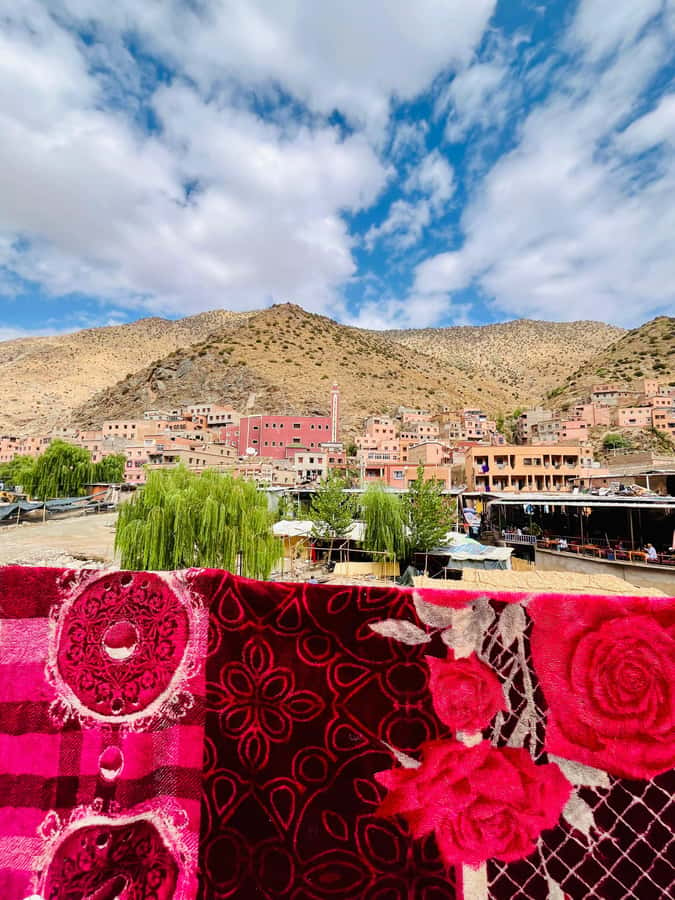
When the van finally drops you near Imlil, you’re stepping into a green valley that stays fresh and lush even in hot summer months. That contrast is striking after city heat and road time. Imlil sits at the foothills of Morocco’s highest peaks in the Toubkal area, and it functions like a hub for mountain guides and mule hires.
This is one of those places where you can feel the infrastructure built around walking and hiking. You’ll see the connections to several nearby Berber villages and the routes locals use for daily life and farming, not just for tourism.
In other words, the valley isn’t just scenery. It’s a practical gateway into the surrounding communities—so it’s a good starting point for a short guided hike.
The guided walk to Aroumd: 1.5 hours of trail views and village-scale detail
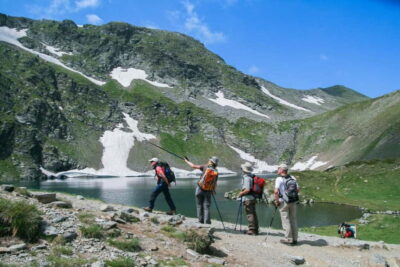
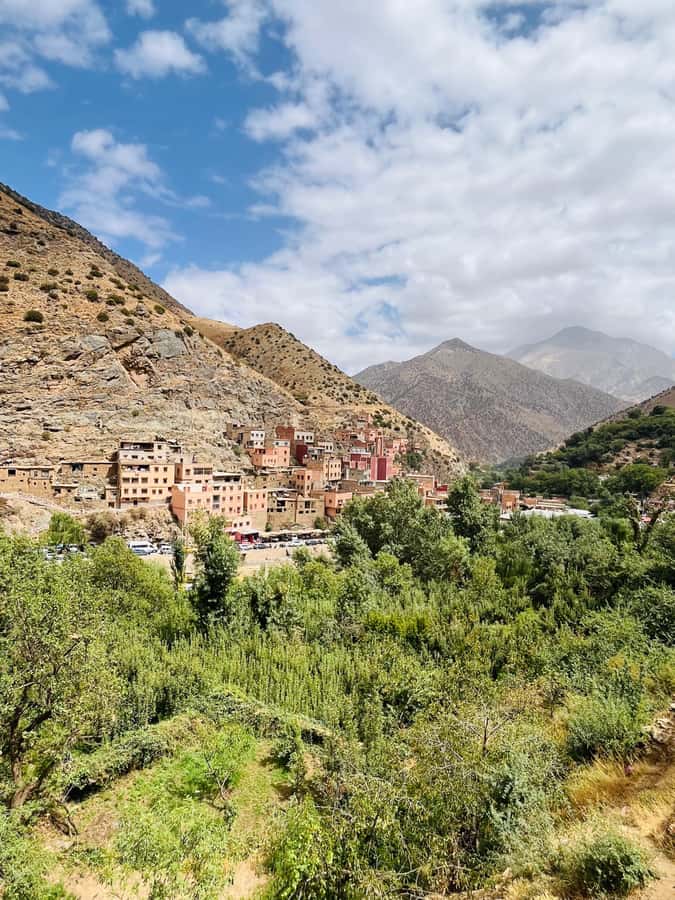
From Imlil, you leave the vehicle and begin a guided walk of about 1.5 hours, moving south toward Aroumd (also written Aremd) at 1843m. The hike includes ups and downs on stark slopes and passes through hamlets such as Ait Souka, Targa, and Imoula.
What you should look forward to here isn’t a long-distance challenge—it’s the change in terrain and the way the mountains frame the villages. The trail offers views of jagged Western High Atlas peaks of the Toubkal massif, including Jbels Aguelzim (3547m), Aksouâl (3847m), and Adrar Adj (3122m). You’ll also see how water and farming shape the slopes, especially when you arrive near Aroumd.
Aroumd is described as a singular village built house upon house on a large moraine spur, overlooking ancient irrigated terraced fields of barley, corn, and vegetables. Almond and walnut trees surround the settlement. This is the moment when the walk clicks from hiking into understanding: you realize how the landscape becomes habitable through irrigation and terracing.
One more practical point: even though the hiking time is short, the ground can be slippery in places. Wear shoes with grip. People also mention wearing sneakers or Teva-style sandals depending on the surface, but if you have any doubt, go with sturdier footwear.
Ait Souka lunch on a terrace: why the meal is worth paying for
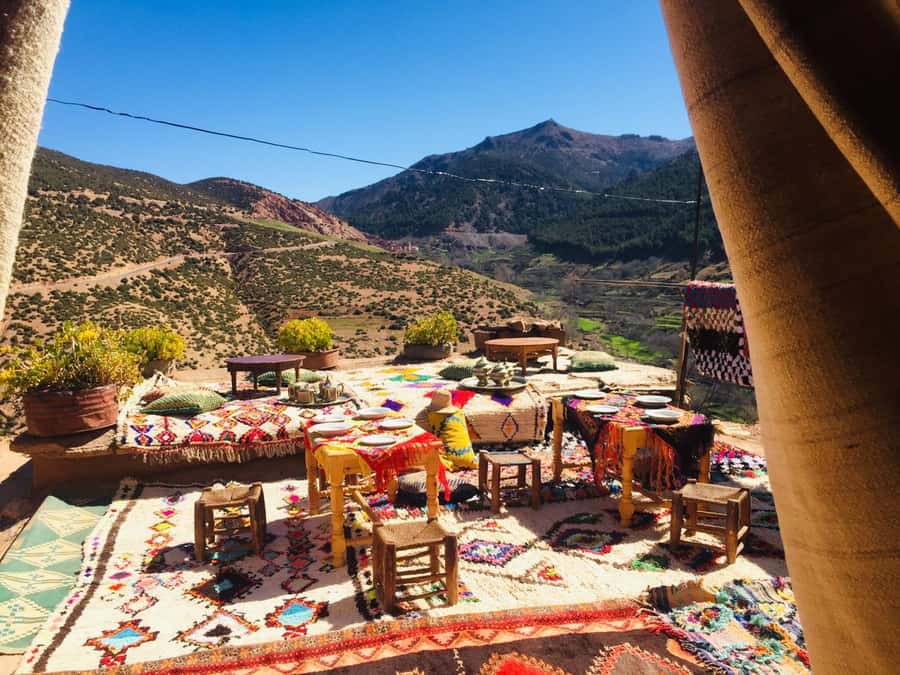
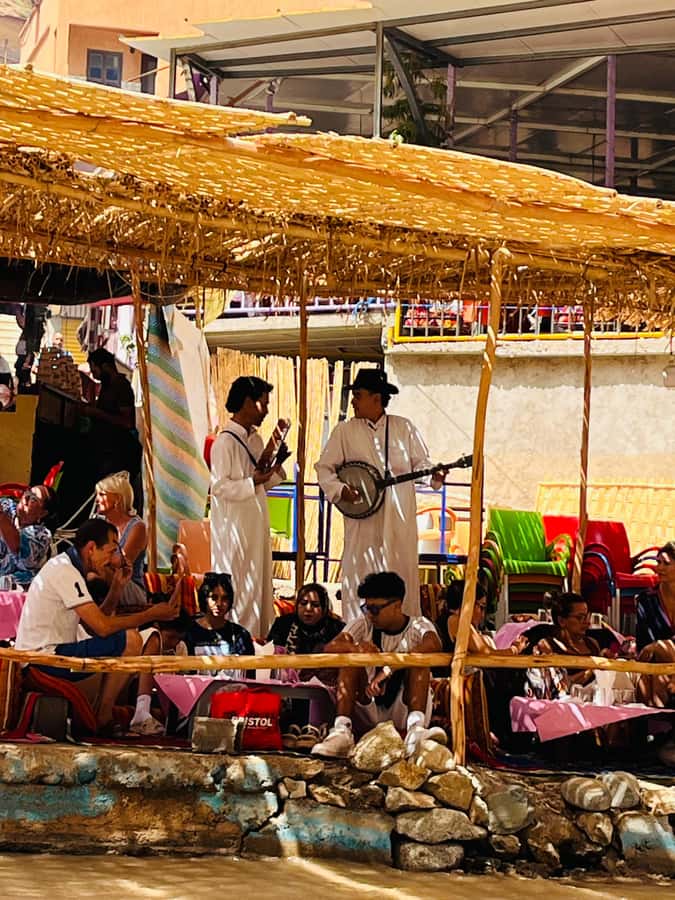
After Aroumd, you carry on for about half an hour to reach lunch. Lunch is served on top of a beautiful terrace among a Berber family in Ait Souka.
This is your chance to sit down without the rush of a restaurant lunch stop. The setting is part of the value. You’re eating in a village space with views and a direct connection to the people who live there.
Important money detail: lunch is not included in the base $10 price. The meal price is 9€ and you pay directly to the family. Soft drinks are also not included. If you want a full day experience and a proper cultural pause, budgeting for lunch makes sense.
In many of the best-rated days, the food and the relaxed pace are exactly what people remember. Even when weather isn’t ideal, the lunch break helps the day feel balanced: walking in the morning, then slow, warm hospitality afterward.
Timing, weather, and what to pack so the day feels easy
This is a 7-hour experience, so you’re moving through a lot of small segments: drive, photo stops, cooperative tea, market timing (when it matches), then your guided hike and lunch, then the return to Marrakech in the afternoon.
Weather can change mountain conditions quickly. That’s why the gear list is sensible: bring comfortable shoes, a hat, a camera, and a jacket. You’ll want a jacket even in warmer months because gorges and mountain breezes can cool you down.
Also, know what’s not allowed: alcohol and drugs are not permitted, and no alcoholic drinks in the vehicle. If you’re traveling with a group vibe, this is more family-friendly than some day tours.
Finally, there’s a simple age limit: it isn’t suitable for people over 95 years. If you’re older or you have mobility limits, this is a short but real hike on uneven ground, so plan carefully.
Transport comfort and guiding style: how the day stays organized
A big reason these trips earn high ratings is how well the logistics hold together. You’re picked up from hotels and riads within Marrakech, and if your place is hard to reach by car, the team arranges a nearby meeting point within walking distance. You’ll get exact pickup details the day before via WhatsApp or email.
Once you’re on the road, the transport is described as comfortable, and there’s an English or French driver plus a local guide. People also mention praise for punctual pickup and guides who take their time with photos and questions. Names that come up for strong guidance include Majid, Mohamed, Hamza (driver), Hicham, Fatima, and Sayed.
What you’re looking for as a traveler: a guide who can explain what you’re seeing and keep the group moving at a human pace. On this trip, you should expect a guided walk for about 1 or 2 hours, plus stops for visiting villages and the cooperative.
Price and value: what $10 covers, and how to budget the rest
Let’s do the math without pretending it’s all-in. The base price is $10 per person. That includes pickup and drop-off in Marrakech, comfortable transport, a local guide, and the free visit to the Berber women’s cooperative.
Lunch is extra at 9€ paid directly to the family. Soft drinks are not included. If you want a smooth day where you’re fed and not scrambling, you should assume lunch is part of the plan.
So is it good value? Yes, because you’re getting four things that normally cost separately in Morocco day-trips: transportation out of the city, guided walking, village/culture stops, and a structured lunch visit option with a family. Even if you buy nothing at the cooperative, the time with locals and the guided hike are the main value drivers.
If you’re trying to keep costs low, you could skip lunch. But if you’re paying for the experience, lunch is also a cultural anchor, not just food.
Who this Imlil Valley walk is best for (and who should skip it)
This trip is a great fit if you want:
- A short Atlas hike with real village context
- Berber culture through practical stops like the women’s cooperative
- A guided day that doesn’t rely on you driving or navigating alone
It’s also a good choice if you’re only in Marrakech for a few days and want something more grounded than medina shopping.
You might skip it if:
- You hate uneven ground and steep slopes
- You need a fully flat walking route
- You’re traveling with very limited mobility
- You can’t handle a gorge drive and a 7-hour day
Should you book the Imlil Valley guided walk and lunch?
I’d book it if you want an Atlas day that mixes views, village life, and a guided walk, without needing a full trek. The combination of Imlil’s role as a mountain hub, the cooperative tea stop, and the Aroumd-to-Ait Souka walking route makes this more than a sightseeing drive.
Hold off only if your hiking ability is limited or you really dislike crowded market stops. Otherwise, this is a solid way to spend a day in Morocco where you’re moving through real communities, not just watching them from the van.
FAQ
What time does the Imlil Valley day trip start and finish?
Pickup is in the morning at 09:00am in Marrakech, and the full experience runs about 7 hours. You return to Marrakech in the afternoon for hotel drop-off.
How long is the guided walking portion?
You’ll start with a walk of about 1.5 hours toward Aroumd with a local guide, then continue on to the lunch area.
Is lunch included in the $10 price?
Lunch is not included in the base price. Lunch is 9€ and you pay directly to the family. Soft drinks are also not included.
Do I visit a weekly market?
Yes, you visit the weekly market if the day matches the schedule (Saturday or Tuesday).
Where does pickup happen in Marrakech?
Pickup is included from hotels and riads in Marrakech. If your accommodation is on a narrow street or not reachable by vehicle, you’ll meet at a nearby accessible point.
What languages are guides available in?
The guide and experience are available in English, French, and Arabic.
Is alcohol allowed during the tour?
No. Alcohol and drugs are not allowed, and no alcoholic drinks are permitted in the vehicle.
If you tell me your walking comfort level (easy, moderate, or tough) and what day of the week you’ll be in Marrakech, I can help you decide how well this timing fits the market stop.