REVIEW · KANDE
Pokhara: 1-Day Scenic Australian Camp & Dhampus Guided Hike
Book on GetYourGuide →Operated by Himalayan Nomad Treks Pvt. Ltd. · Bookable on GetYourGuide
Australian Camp can feel like a shortcut to the Himalaya. In a single 8-hour outing, you climb from the Kande area to a high viewpoint (about 2,060m) and then wind back down through Dhampus, a classic Gurung village. If you want big mountain views without a multi-day trek, this is one of the most practical ways to do it.
What I like most is the mix of forest walking and open-sky views. Rhododendron and oak forests make the climb interesting, and Australian Camp delivers wide panoramas across the Annapurna and Dhaulagiri ranges. I also like the human side: you get time in Dhampus for village atmosphere, friendly local interaction, and lunch.
One possible drawback is weather. On foggy or cloudy mornings, the views can be limited, even though the hike itself still feels good and active.
In This Review
- Key Highlights You’ll Actually Feel
- Why This 1-Day Australian Camp + Dhampus Hike Works
- Getting to Kande: The Scenic Highway Start
- The Climb Through Rhododendron and Oak Forests
- Reaching Australian Camp: What 2,060m Feels Like
- Australian Camp Views: Photography, Timing, and Weather Reality
- Dhampus: Gurung Village Atmosphere and Lunch
- The Return Down to Phedi and Back to Pokhara
- Price and Value: What $43 Per Person Really Buys
- Guide Quality: The Difference Between a Walk and a Trip
- What to Pack: Small Stuff That Saves Your Day
- Timing and Pacing: How to Make It Feel Easy
- Who Should Book This Hike (and Who Might Skip It)
- Should You Book This Australian Camp & Dhampus Hike?
- FAQ
- How long is the Pokhara 1-Day Australian Camp & Dhampus guided hike?
- Where does the hike start and how do you get there?
- What’s included in the price?
- Is lunch included?
- What language is the guide?
- What should I bring for the hike?
- Can porters be arranged?
Key Highlights You’ll Actually Feel
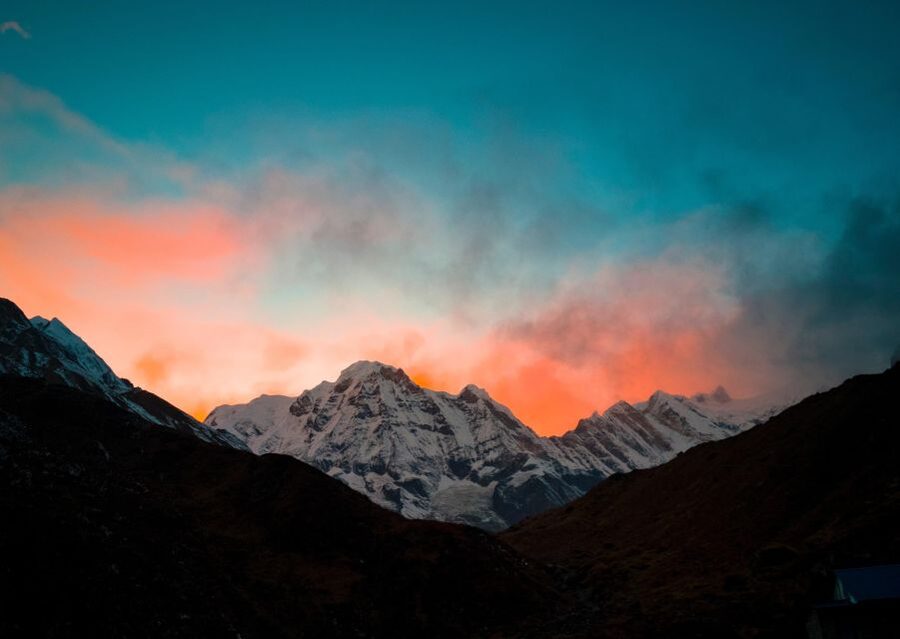
- Panoramas in one day: Australian Camp sits at about 2,060m, built for sweeping views of the Annapurna and Dhaulagiri ranges.
- A classic Pokhara-to-trek start: you begin around Kande, about a one-hour scenic drive from Lakeside and Pokhara.
- Forest variety on the way up: rhododendron and oak forests help break up the climb and keep things visually interesting.
- Dhampus culture stop: you’ll visit a Gurung village and have lunch in the village ambiance.
- Private-group feel: it’s listed as a private group, so you can move at a comfortable pace with your guide.
- Licensed guide, permits handled: you get an authorized English-speaking guide plus the paperwork side (permits and TIMS fees).
Why This 1-Day Australian Camp + Dhampus Hike Works
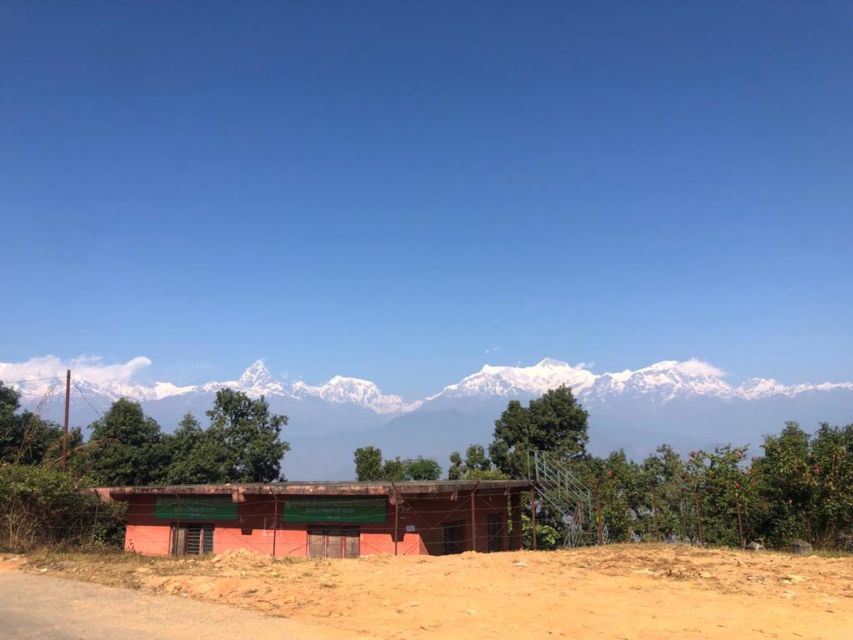
This hike is built for one big goal: get you to one of the most famous Pokhara-adjacent viewpoints without turning your vacation into a camping expedition. You get a long-enough trek day to feel like you earned the views, then a village meal to bring you back to real life.
I also like that it’s structured with clear phases: climb up, pause at the viewpoint, then descend through community terrain. That rhythm matters. It keeps the day from feeling like nonstop uphill grind, and it makes it easier to enjoy photos, rest breaks, and the lunch without rushing.
The route is also realistic for people who are fit enough to hike but not trying to tackle a high-altitude trek. You’ll climb to a respectable height, but this is still very much a day trip from Pokhara.
Getting to Kande: The Scenic Highway Start
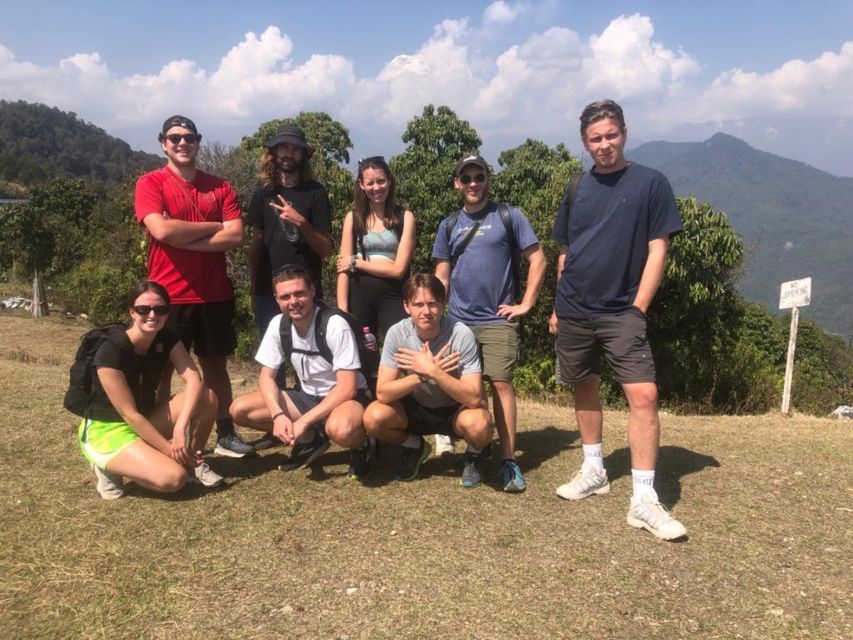
Your day kicks off with pickup from the Lakeside area (and Pokhara Airport if needed). It’s designed so you don’t have to fight traffic or figure out local transport timing.
Then you drive to Kande, around a one-hour trip that includes big-picture views of the area. The route is known for seeing the Seti River and passing through lush green paddy fields, while you also get a sightline toward the Annapurna Range.
This matters because it sets expectations. You’re not just jumping into a trail at random. You get the mountain context first, which makes the climb feel more meaningful once you start walking.
The Climb Through Rhododendron and Oak Forests
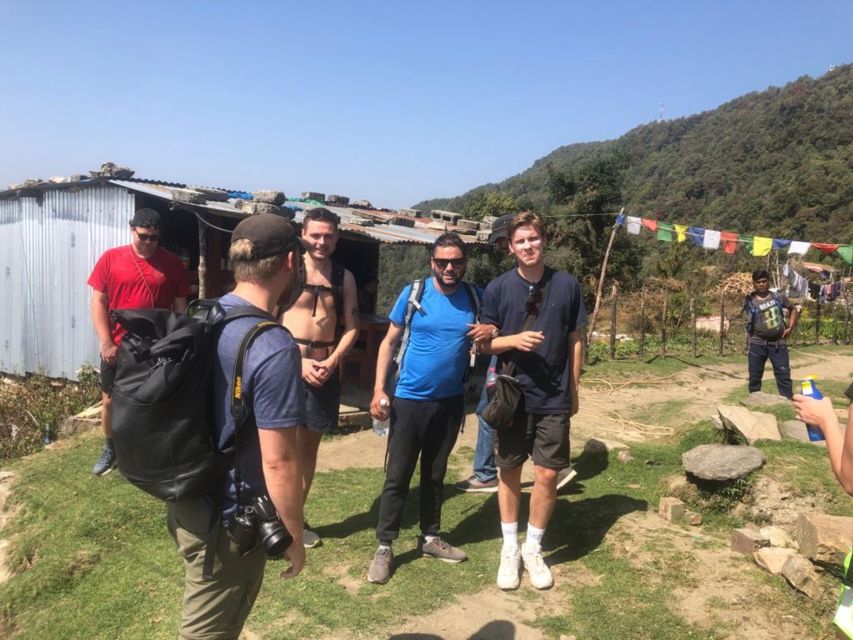
Once you reach the trail head near Dhampus/Kande, the trekking begins. The early part of the hike tends to feel like it’s about changing scenery, not just gaining height.
You’ll ascend through rhododendron and oak forests. Even on less-than-perfect weather days, forests do two useful things: they reduce glare and they keep the air feeling cooler than open terrain.
You’ll also pass through village terrain and terraced fields, which helps the hike feel connected to local life. That’s a big difference from trail systems that feel isolated. Here, you’re moving through working countryside.
This section is also where your guide earns their keep. A good guide doesn’t only point the way. They help you pace the climb, explain what you’re seeing, and keep you calm if the weather shifts.
Reaching Australian Camp: What 2,060m Feels Like
After a few hours of steady trekking, you reach Australian Camp, perched at about 2,060 meters. This is the moment the whole day has been building toward.
At this point, you can slow down, take breaks, and take photos that actually show the shape of the Himalaya instead of just the tops of ridgelines. The viewpoint is famous for panoramic vistas of the Annapurna and Dhaulagiri ranges—the kind of view that makes you stop talking and just look for a while.
One practical note: at this altitude, you’ll want to control how warm you get. Layers help. If you’re wearing too much, the climb is sweaty. If you’re underdressed, the viewpoint can cool you off once you stop moving.
If the weather is cooperative, this is where the day clicks. If it isn’t, the viewpoint still gives you a sense of place and scale, even if you see less than you hoped.
Australian Camp Views: Photography, Timing, and Weather Reality
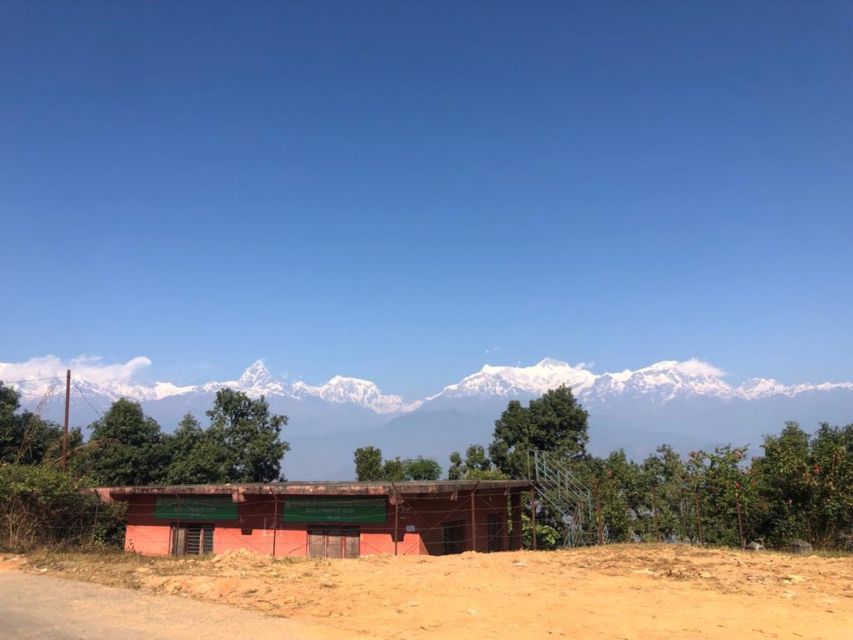
The viewpoint experience is all about visibility. On clear windows, Australian Camp can feel like a wide open theater for the Annapurna and Dhaulagiri mountain systems.
On cloudy days, you might not get the crisp, long-range look you were hoping for. That’s not a scam or a guide issue. It’s mountain weather. One of the best ways to handle it is to stay flexible with your photo timing.
A helpful strategy: when you arrive, take a few photos quickly, then wait 10–15 minutes and check again. Conditions can shift during the day, and you don’t want to spend your whole break staring at one angle forever.
Also, pack for sun and wind. Sunglasses and sunscreen are on your list for a reason. Even if it’s cool, the light can be strong once the sky clears.
Dhampus: Gurung Village Atmosphere and Lunch
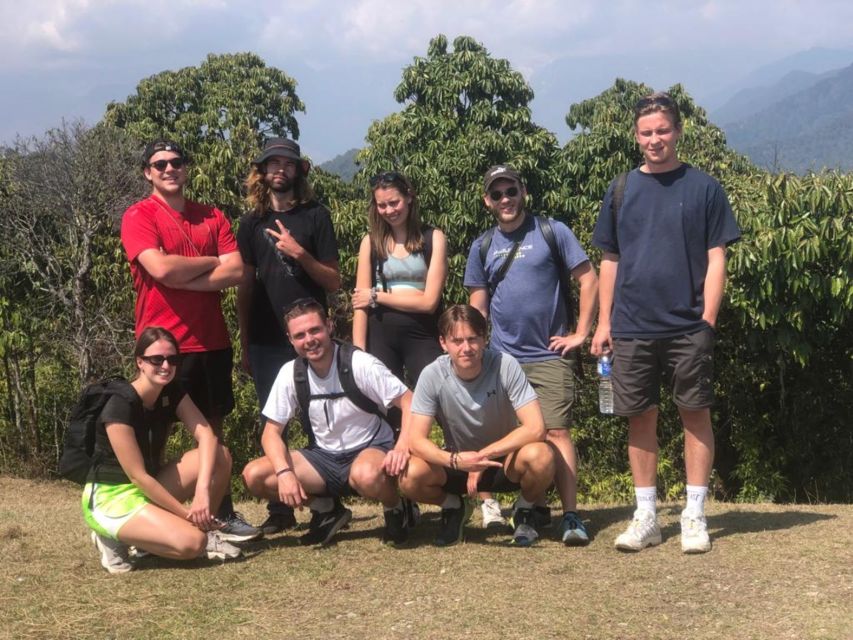
After enjoying the viewpoint, you begin the descent toward Dhampus, a village known for its traditional Gurung culture and friendly local atmosphere. This part is less about conquering height and more about movement with people.
Dhampus is where the hike turns social. You can interact with locals, take in the village vibe, and settle in for lunch. The lunch is included on the full package, and the day is organized so you’re not scrambling to find food mid-descent.
I like this stop because it gives your brain a break from looking at mountains nonstop. You get a more grounded view of everyday Nepal life in the hills—food, conversation, and a slower pace.
If you’re the type who likes asking questions, your guide can help you connect the dots between what you see on the trail and what’s happening in the village. English-speaking guides with local knowledge can make this section more than just a meal break.
The Return Down to Phedi and Back to Pokhara
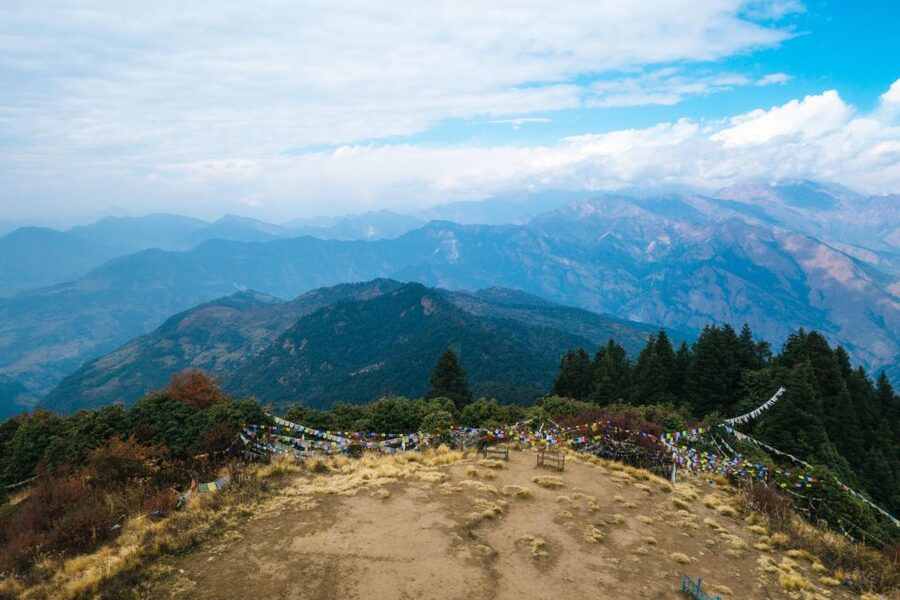
From Dhampus, you continue the descent toward Phedi. This keeps the day logical: you gradually lose elevation until you can switch back to road travel.
Then transportation brings you back to Pokhara along the scenic highway route again. That ride is part of the reward. It gives you time to recover, sort your photos, and reflect on what you just walked through.
This is also where private-group pacing helps. If you need a slightly slower return or extra photo stops, you’re usually not dealing with a massive tour herd.
Price and Value: What $43 Per Person Really Buys
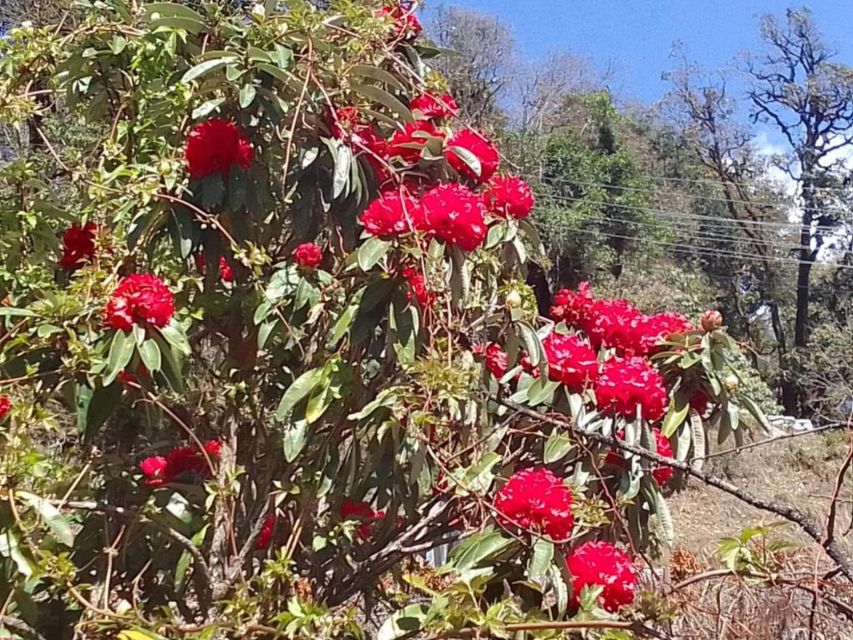
At about $43 per person, this hike sits in the value-friendly end of Pokhara day excursions. The price isn’t just for the trek.
You’re paying for a package that includes hotel pickup and drop-off, a licensed English-speaking guide, trekking permits and required paperwork (including TIMS fees), plus a lunch option on the full package. You also get a bottle of water and luggage storage facility, which is the kind of detail that makes a day trip feel less chaotic.
You’re also covered for staff expenses like meals, accommodation, and insurance for the operation team. In other words, the tour is built to function as a real service, not just a casual meet-up.
What you should budget separately: soft/hard drinks aren’t included, and you’ll want to carry personal spending money for anything beyond the included lunch and water. If you need porters, they can be arranged for an extra cost.
Guide Quality: The Difference Between a Walk and a Trip
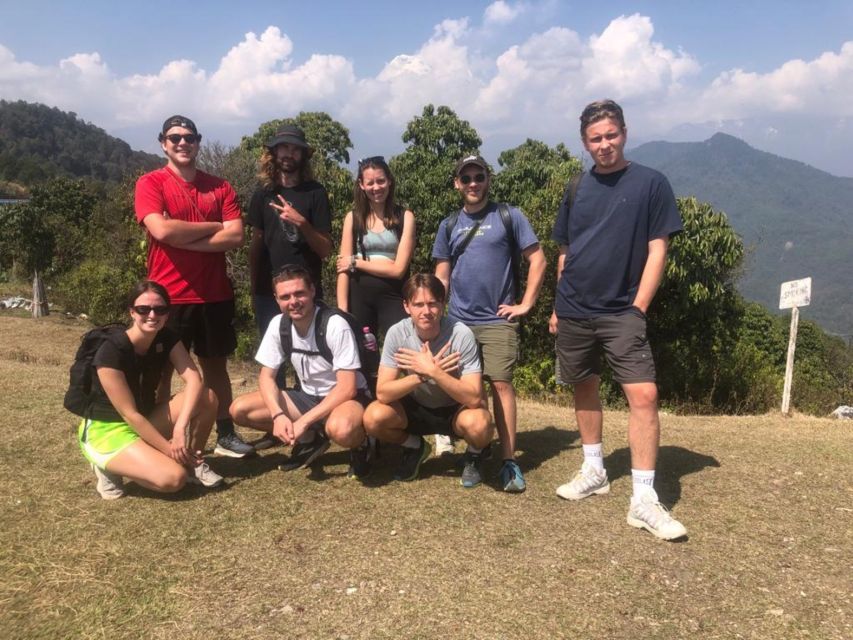
This experience is led by an authorized licensed English-speaking guide, with language support in English and Hindi. In plain terms: you get someone who can handle the route, help with safety, and explain what you’re seeing.
Past day outings tied to this kind of itinerary have highlighted guides who are friendly, attentive, and quick to answer questions. Names that have come up include Ramesh (mentioned as a very helpful guide) and Prakash/Prakass (praised for being kind and knowledgeable).
There’s another subtle point: on days with fog or reduced visibility, a strong guide keeps you on track and adjusts how you handle the viewpoint time. That keeps the day enjoyable even when the sky isn’t cooperating.
Also, the driving side matters. A driver who waits patiently for the day’s schedule can save you stress, especially when the hike takes a little longer due to weather or rest breaks.
What to Pack: Small Stuff That Saves Your Day
You’ll hike with warm sun, cool air at elevation, and a good amount of walking. So your packing list is focused on comfort and protection.
Bring:
- Hiking shoes (not thin sneakers if your feet don’t like uneven ground)
- Sunscreen and sunglasses
- A daypack
- Snacks if you want extra energy between breaks
- Basic layers like a t-shirt and shorts (and adjust with what weather feels like)
- Passport or ID card for permits/paperwork
- Trekking gear if you have it
One personal tip: carry a light layer that you can put on at the viewpoint. Even when the sun is out, stopping makes temperature drop fast.
If you hate carrying too much, use the luggage storage facility so your daypack stays small. You want your hands free for taking photos, gripping trekking poles (if you use them), and staying comfortable.
Timing and Pacing: How to Make It Feel Easy
This tour runs about 8 hours total. That includes pickup, driving, trek time, viewpoint time, lunch, and the return ride back to Pokhara.
That time frame is exactly why planning matters. If you start the hike overly fast, the uphill can take longer than you expect and your viewpoint time gets rushed. If you start too slow, you feel dragged. The sweet spot is steady effort.
Your guide can help set that pace. You’ll likely have a few breaks along the way, including time built for visits, lunch, and viewpoint stops.
Also keep snacks and water habits in mind. You’ll get a bottle of water, but it’s still smart to take small sips consistently instead of waiting until you’re thirsty.
Who Should Book This Hike (and Who Might Skip It)
This is ideal for:
- First-timers in the Pokhara trekking area who want real trail time
- People with limited days in Nepal who still want Annapurna and Dhaulagiri views
- Travelers who like village stops and cultural interaction, not just scenery
You might consider a different option if:
- You’re expecting an all-day high-altitude trek experience with major elevation challenges (this is a day hike)
- You’re only interested in perfect visibility and don’t handle cloud/fog days well
It’s also a good choice for groups who want a private guide and a route that fits into a normal travel schedule.
Should You Book This Australian Camp & Dhampus Hike?
If you want a strong day of hiking with practical logistics and a viewpoint that’s famous for good reason, I’d book it. The combination of forest climb, Australian Camp panoramas, and Dhampus village lunch is a solid use of limited time.
Just be honest about weather. If you plan for clouds and treat the viewpoint time as a bonus window, the day stays enjoyable even when the sky turns moody.
If you’re thinking about the Annapurna region but you don’t have days for a longer trek, this is a smart entry point. And if you already know you like hiking, it’s the kind of outing that makes you want more.
FAQ
How long is the Pokhara 1-Day Australian Camp & Dhampus guided hike?
The total duration is listed as 8 hours.
Where does the hike start and how do you get there?
Pickup is included from any hotel in the Lakeside area and Pokhara Airport. The trail begins from the Kande area (about a one-hour scenic drive from Pokhara) and you trek toward Australian Camp and back via Dhampus and Phedi.
What’s included in the price?
Included items are hotel pickup and drop-off, an authorized licensed English-speaking guide, trekking permits and paperwork (including TIMS fees), all applicable government tax, lunch during the hike for the full package, a bottle of water, luggage storage facility, and deluxe transportation as per the itinerary.
Is lunch included?
Yes, lunch during the hike is included for the full package.
What language is the guide?
The live guide offers English and Hindi.
What should I bring for the hike?
You’re advised to bring passport or ID card, sunglasses, t-shirt, shorts, snacks, a daypack, hiking shoes, sunscreen, and trekking gear.
Can porters be arranged?
Porters are not included, but they can be arranged upon request for an additional cost.