REVIEW · REYKJAVIK
Reykjavik: Thrihnukagigur Volcano Guided Hiking Day Trip
Book on GetYourGuide →Operated by Inside the Volcano · Bookable on GetYourGuide
Going into a volcano changes your sense of scale. The Thrihnukagigur magma chamber descent is the star: you go about 400 feet (120 meters) below ground. I also like how the experience stays personal, since your group is split into small parties of about 4–5 people with guides.
One catch to plan for: the hike is rated moderate, but the ground is uneven and hilly. If you hate rocky footing or you show up in sneakers, this won’t feel like fun.
In This Review
- Key Things That Make This Tour Special
- Thrihnukagigur’s 120-Meter Drop: What It’s Really Like
- Getting to Bláfjöll From Reykjavik: The Meeting Point Matters
- The Lava-Field Hike to Base Camp: Moderate, Not Smooth
- Inside the Volcano: Time, Safety, and Those Unexpected Details
- The Base Camp Break: Coffee, Photos, and a Short Reset
- The Return Hike and Soup Finale: Why the Ending Works
- Price, Timing, and Value: Is $385 Worth It?
- Who This Tour Suits Best (and Who Should Rethink It)
- Practical Tips So You Enjoy Every Step
- Should You Book the Reykjavik Thrihnukagigur Volcano Guided Hike?
- FAQ
- How long is the Thrihnukagigur guided day trip?
- How far do you descend into the volcano?
- Is there a hiking portion before the crater descent?
- What difficulty level is the hiking?
- What safety gear is provided?
- Do I get food during the tour?
- How big are the groups?
- Where is the meeting point?
- Is pickup from Reykjavik included?
- What should I bring?
- Is the tour refundable if plans change?
Key Things That Make This Tour Special
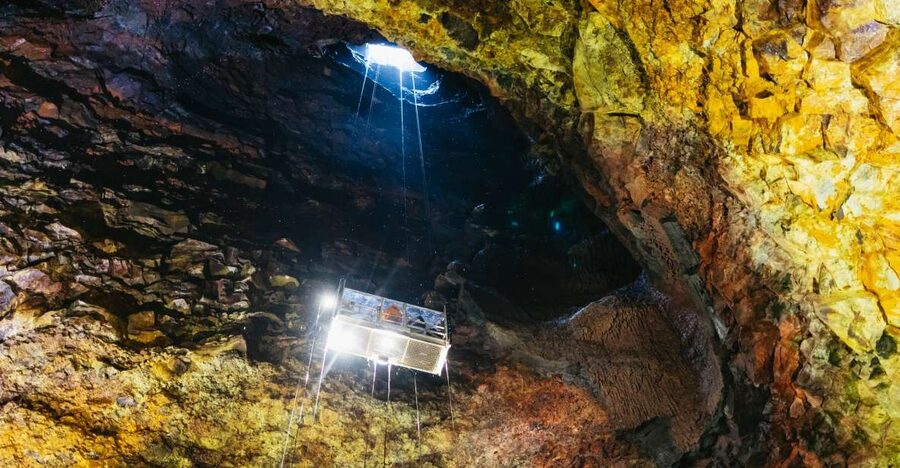
- 400-foot descent into the magma chamber with helmets and harnesses at all times
- Small groups (4–5) so you get more time with your guide
- Lava-field hiking that feels otherworldly, like walking on the moon
- Reykjavik and peninsula views from the mountain area on clear moments
- Up to an hour inside the crater to take in the colors and shapes safely
- Hot soup and drinks at the end to reset after wind and cold
Thrihnukagigur’s 120-Meter Drop: What It’s Really Like
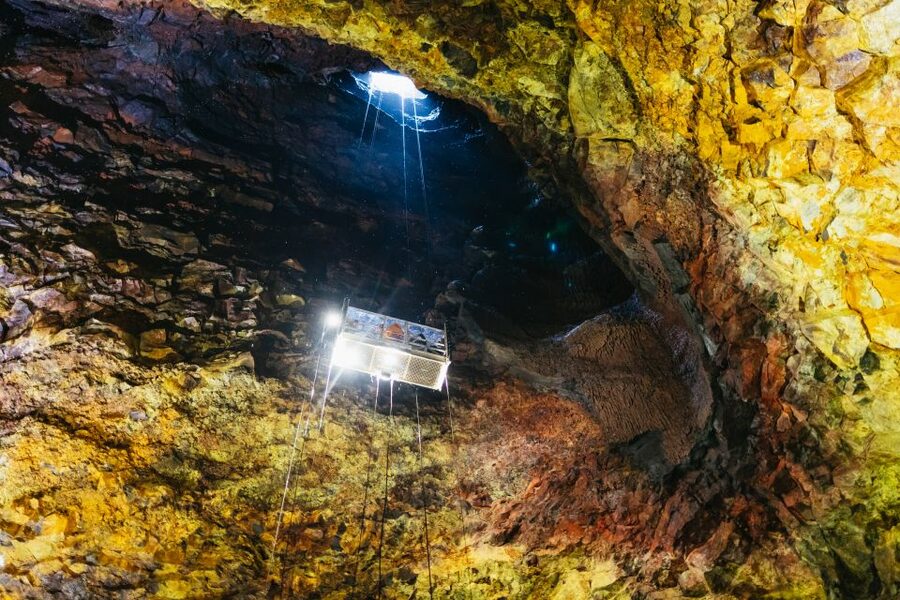
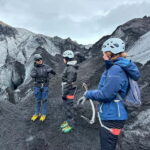
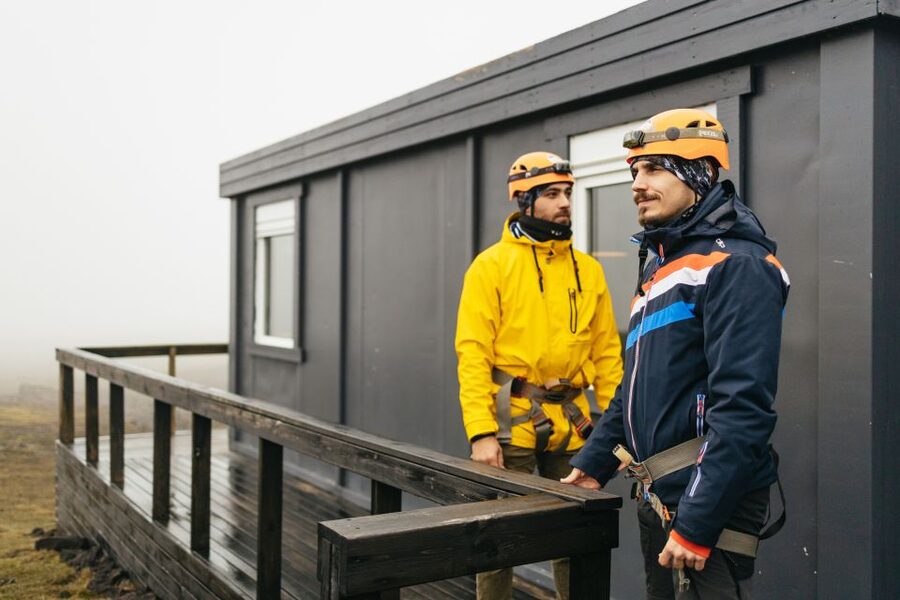
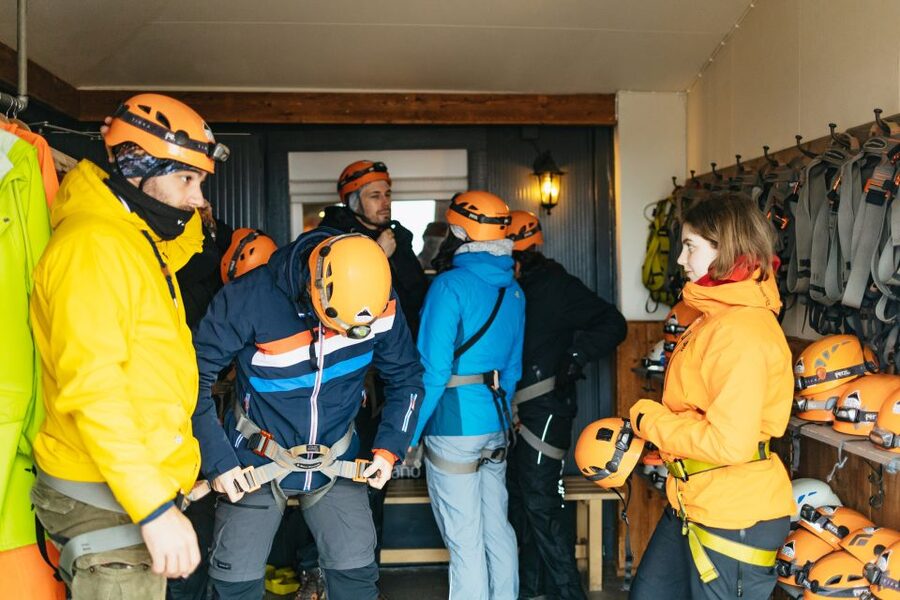
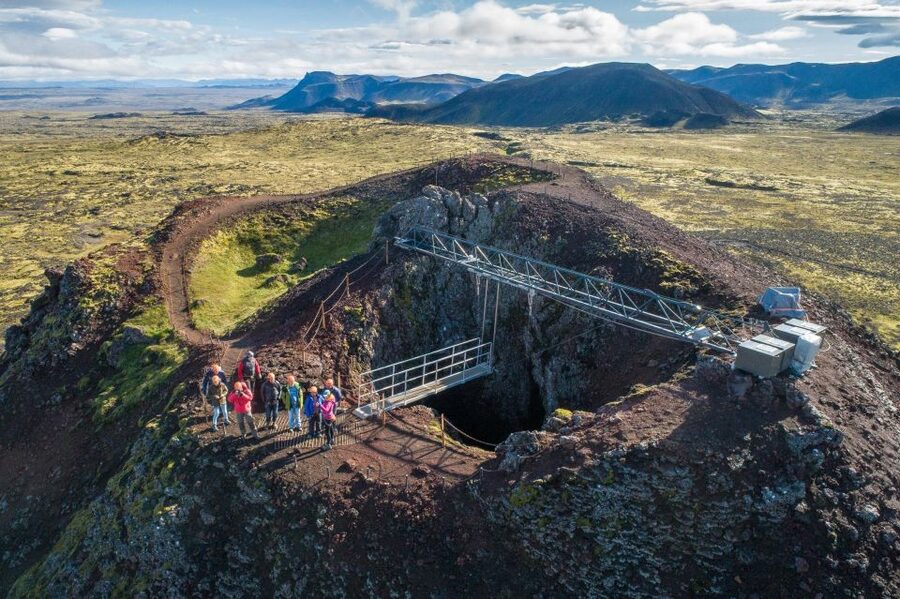
This is not a look-at-a-crater from the parking lot. Your big moment is the descent into the dormant Thrihnukagigur Volcano, around 120 meters (400 feet) down. Before you go, the staff run safety procedures and fit you with a helmet and harness, and you keep that gear on throughout.
The schedule is built for safety and comfort. You do a slow descent first (about 10 minutes). Then you get time inside—up to about an hour, depending on what you prefer and what conditions allow. Your guide is with you the entire time, and the group stays organized so you’re not wandering around on your own in a high-stakes environment.
What I love about this format is that it balances wonder with breathing room. You’re not forced to rush through the main event. Instead, you’re given enough time to actually see the volcanic feature—colors, textures, and the opening above that frames the daylight like a spotlight.
You can also read our reviews of more tours and experiences in Reykjavik.
Getting to Bláfjöll From Reykjavik: The Meeting Point Matters
The tour starts at a ski cabin in the Bláfjöll (Blue Mountains) area. The name is Breiðabliksskáli. From Reykjavik, it’s roughly a 30-minute drive on paved road to the cabin meeting point.
If you’re using pickup, it’s optional, but the timing is specific: pickup in Reykjavik starts 30 minutes prior to departure, and you need to be ready at the designated bus stop or in front of your building at that time.
If you’re meeting at Breiðabliksskáli yourself, don’t show up late and hope for the best. The guidance is to arrive no later than 30 minutes past the set departure time, because that’s when the pickup bus arrives from Reykjavik.
If you’re driving, the direction tips are clear:
- Go east on road 1 toward the south coast for about 15 minutes
- Turn right onto road 417 (Bláfjallavegur)
- Do not take route 42 via Hafnarfjörður because it’s permanently closed
- When road 417 splits, keep going straight
- Don’t turn onto the gravel track
None of this is “fun,” but it prevents stress. And on mountain days, reducing stress is worth money.
The Lava-Field Hike to Base Camp: Moderate, Not Smooth
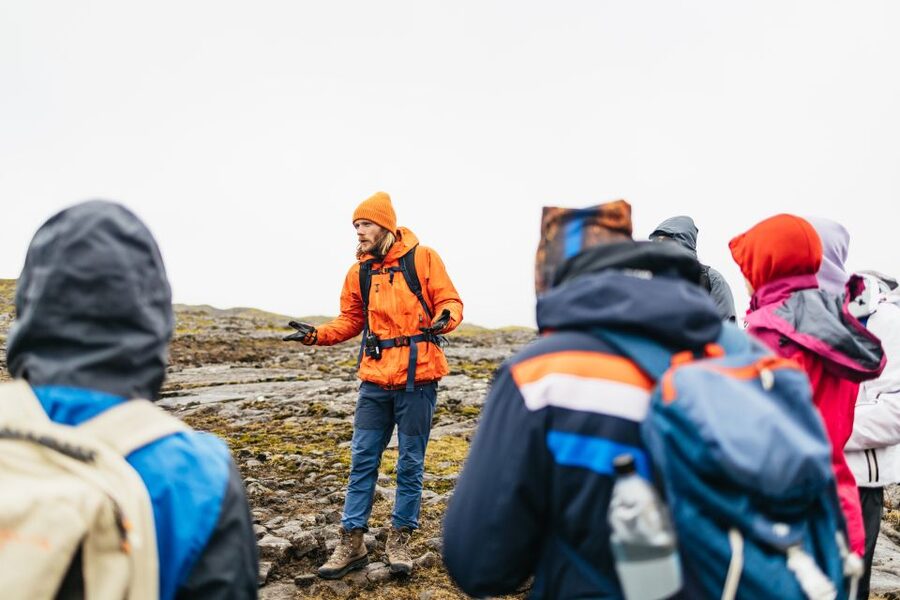
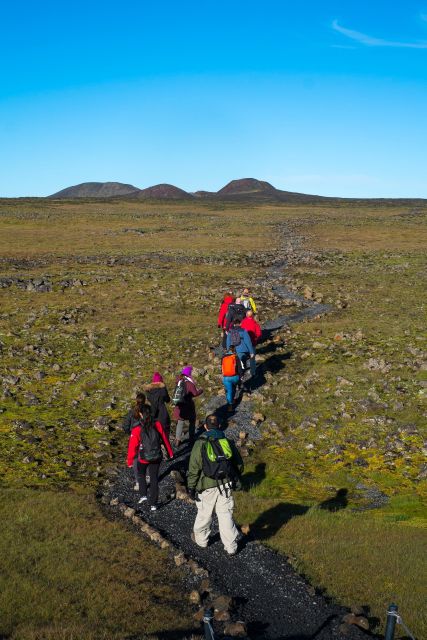
After transfer and drop-off at the Bláfjöll cabin, you hike toward Thrihnukagigur. This is described as moderately difficult with straight walking and limited elevation, and it typically takes about 45–50 minutes one way to reach the volcano area.
Here’s the practical part: even though it’s moderate, the surface is hilly and uneven. It’s not the kind of stroll where you can wear any old shoes. People who plan well—warm layers and real hiking shoes—tend to feel like the hike is part of the fun. People who don’t plan well tend to spend the whole time thinking about their feet.
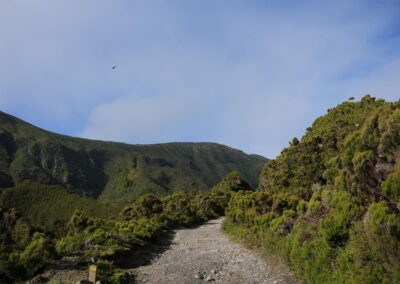
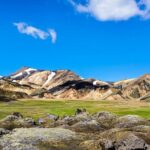
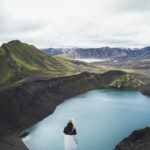
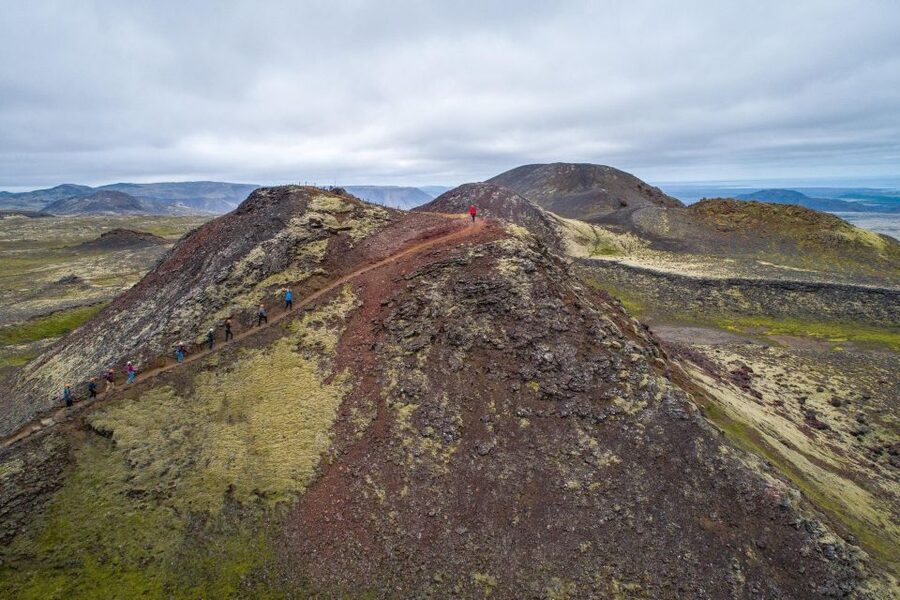
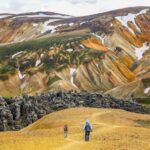
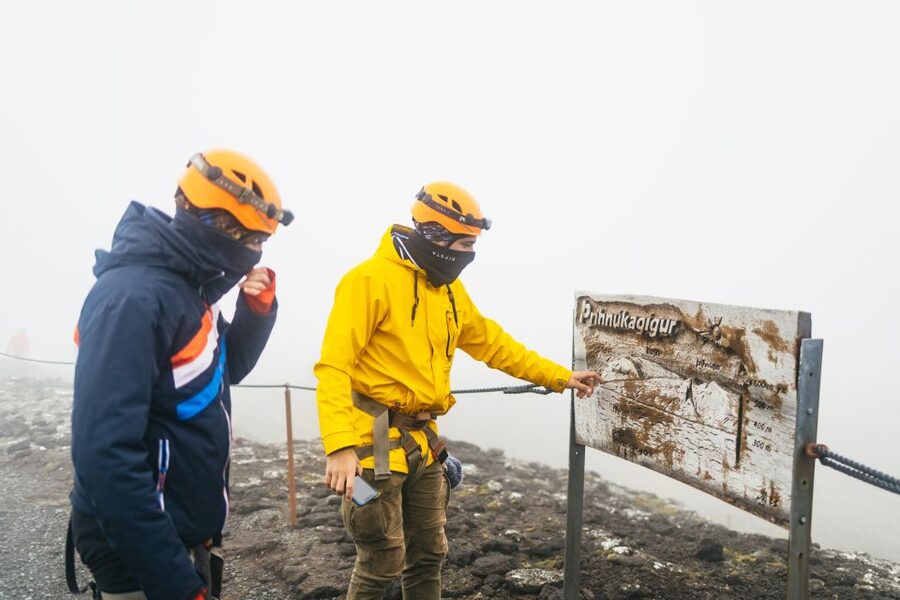
The hike itself is a highlight, too. You cross a lava field that has that stark, moonlike feel—dark rock underfoot and a strange, quiet drama to everything around you. As you walk, you’re not just moving toward the crater. You’re also watching the mountain change and getting glimpses of wider views, including the Reykjavík area and nearby peninsulas when the weather cooperates.
Weather can be a big deal here. Reykjavík can look calm while the mountains are windy and cold. This tour explicitly warns you that conditions up high can be very different, so pack for the mountains, not the city.
Inside the Volcano: Time, Safety, and Those Unexpected Details
This is the part people talk about for good reason: you descend into a former magma chamber and get close enough to feel like you’re inside Earth. After the slow descent, you spend up to about an hour inside the volcano.
Safety is not a footnote. You wear helmet and harness and follow the guide’s instructions for how to behave inside. The tour is designed so you can experience the chamber without everyone moving at once or turning it into a free-for-all.
Your group is split into small parties—4–5 people—which helps a lot here. It’s easier to manage movement in a unique space, and it also makes it more likely you’ll get clear answers when you ask questions.
You’ll also get that “wait, this is real” effect from the visuals. Iceland does lava colors well in general, but inside the chamber the scene can feel even more intense. The opening to the surface gives you a view of daylight framed by volcanic structure, and the guides explain what you’re seeing—how volcanic systems work and what dormant activity means.
A couple of names show up in top feedback for delivering this part with strong energy and clear explanations, including Daniel, Ben, and Marcus. Even if you don’t get one of them on your date, the guiding approach matters: the best tours use the chamber time to make the science understandable.
The Base Camp Break: Coffee, Photos, and a Short Reset
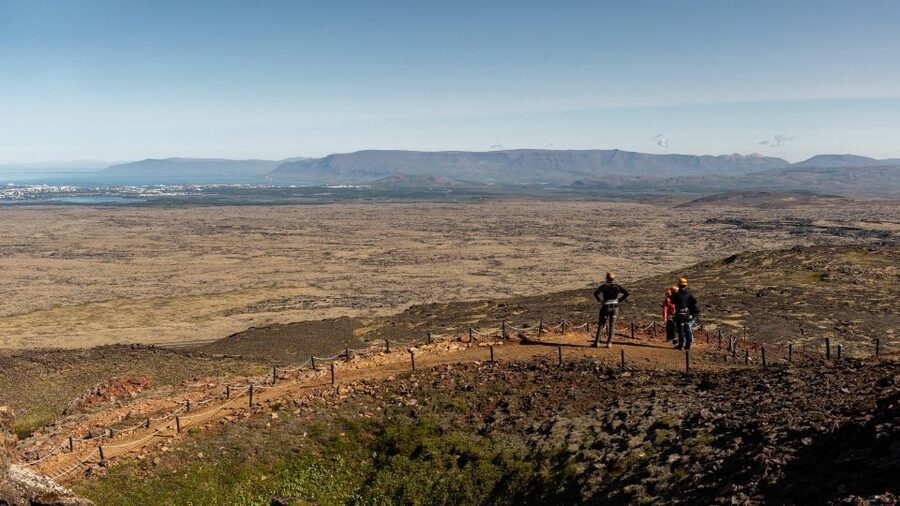
Once you arrive at the crater area and head back up to the base camp flow, you take a longer break period. This stretch is roughly two hours, and it includes:
- photo time and scenic pauses
- coffee, tea, and time to warm up
- a safety briefing before going into the chamber
- wildlife viewing opportunities
This is also when the tour helps your mood after the hike. Even in good weather, you’ll likely feel wind and cold at the mountain cabin area. Hot drinks and a break give you the mental reset to enjoy the descent rather than just “survive” it.
It’s worth thinking of this stop as part of the experience design, not downtime. You’re transitioning from outside to inside, and the guide uses the time to get you organized so the later steps are smoother.
The Return Hike and Soup Finale: Why the Ending Works
After your time inside the volcano, you head back out with a final hike of about 45 minutes. Then you’re transferred back toward Reykjavik, with bus time adding up to about 45 minutes.
The finale is simple and effective: after you finish, you get a meal of traditional Icelandic meat soup or a vegetarian soup, plus hot coffee (and also hot chocolate, tea, or water). There are also some sweets.
This matters more than it sounds. If you spend hours in cold wind—walking on uneven lava rock and then moving through a crater descent—warm soup is not just nice. It’s recovery. It helps you enjoy the day’s big memories without feeling drained.
In some departures, guides add extra explanation using short video and even a lava-themed presentation before/around the crater time. That’s not guaranteed, but it lines up with what people have experienced.
Price, Timing, and Value: Is $385 Worth It?
At $385 per person, this isn’t a bargain. So I’d judge it by what it includes and what it replaces.
First, you’re paying for the rare access: going down about 120 meters into a volcanic chamber is the core “why this trip exists.” In most places, you can tour volcanoes from the edge. Here you’re inside the feature, with structured time and safety gear included.
Second, the price includes the heavy lifting logistics and support:
- guides
- helmets and harnesses
- pickup/drop-off options in Reykjavik (if selected)
- warm meal and drinks afterward
Third, the tour runs about 4–6 hours total, and that includes travel and hiking. For many visitors, that’s a workable chunk of time that delivers a bucket-list moment without forcing you into a full day drive or multi-day itinerary.
My take: if you want a once-in-a-life kind of Iceland experience and you’re comfortable with mountain walking, this price can feel fair. If you’re on the fence because of the cost alone, compare this to the price of other guided “big day” attractions. Most of them won’t get you inside the volcano.
Who This Tour Suits Best (and Who Should Rethink It)
This tour makes the most sense for you if:
- you like guided explanations and want the science made practical
- you’re okay with a hike that’s moderate but uneven
- you want a hands-on, close encounter with volcanic activity
- you don’t mind feeling adrenaline during the descent process
A few people also note that they were nervous about heights or the experience in general, and the guides helped them manage fear and move slowly. That’s a good sign. The tour is structured, and you’re not thrown in cold.
Who should rethink it:
- People with mobility impairments (it’s explicitly not suitable)
- anyone who can’t handle uneven footing or who doesn’t have the right footwear
And one more reality check: the mountains can be windy and unpredictable. Bring the gear mindset, not the city-weather mindset.
Practical Tips So You Enjoy Every Step
You’re given safety gear, so your main job is footwear and clothing.
- Wear hiking shoes with good grip. Sneakers and jeans are not suitable.
- Dress in warm layers. Mountain weather can be very different from Reykjavik.
- Expect wind and shifting conditions. Base camp includes hot drinks, but you should still dress for outdoors time.
- Go in ready to follow instructions quickly. That keeps the group flowing smoothly and protects the vibe of the experience.
If you’re taking medication or have health concerns, you should plan ahead and decide based on your own needs. The tour requires active movement and a non-trivial hike.
Should You Book the Reykjavik Thrihnukagigur Volcano Guided Hike?
Book it if you want the Iceland experience that’s hard to recreate: walking across a lava field and then going 120 meters into the crater of a dormant volcano with helmets and harnesses. The small-group setup (about 4–5 people) plus the guided science makes this feel personal rather than like mass tourism.
Skip or choose something else if uneven, rocky walking stresses you out, or if you know you can’t handle mountain conditions. Also, if a $385 outing feels too steep for your budget, you may prefer a less expensive day trip that doesn’t demand both a hike and crater time.
For the right fit, this is one of those days where you come back with photos, stories, and the strange sense that Earth is more alive than you thought.
FAQ
How long is the Thrihnukagigur guided day trip?
It runs about 4–6 hours total. The exact starting times depend on availability.
How far do you descend into the volcano?
You descend about 400 feet (120 meters) inside the volcano.
Is there a hiking portion before the crater descent?
Yes. You hike to the volcano area, which takes about 45–50 minutes, and there’s also a hike back afterward of about 45 minutes.
What difficulty level is the hiking?
It’s described as moderately difficult. Expect straight walks but a surface that is hilly and uneven.
What safety gear is provided?
The tour provides safety gear including helmets and harnesses, and you wear them at all times inside the volcano.
Do I get food during the tour?
Yes. After the volcano experience, you’ll have traditional Icelandic meat soup or vegetarian soup, along with hot coffee and options like hot chocolate, tea, or water, plus some sweets.
How big are the groups?
For safety and intimacy, each group is split into smaller parties of about 4–5 people.
Where is the meeting point?
The meeting point is at Breiðabliksskáli, a ski cabin in Bláfjöll (the Blue Mountains). The tour ends back at this meeting point.
Is pickup from Reykjavik included?
Pickup is optional. If you choose it, pickup starts 30 minutes prior to departure at selected locations in Reykjavik.
What should I bring?
Wear hiking shoes. You should also dress warmly, since mountain weather can be very different from Reykjavik.
Is the tour refundable if plans change?
Yes. You can cancel up to 24 hours in advance for a full refund.