REVIEW · REYKJAVIK
Glacier Hike, South Coast Waterfalls & Black Sand Beach
Book on Viator →Operated by Glaciers and Waterfalls · Bookable on Viator
You can’t fake glacier blue. This Reykjavik day trip strings together south coast icons with a real glacier hike, plus time at waterfalls and Reynisfjara’s black sand.
What makes it especially interesting is the mix: calm sights, loud water, and then a guided walk on ice with gear provided. It’s the kind of day where you get both the photos and the real terrain.
I love the glacier hike setup—you’re outfitted with equipment and led safely across the ice. I also like the pace: a small group (max 15) with short but meaningful stops so the day feels active, not rushed.
One thing to plan for: this is a long day and Iceland weather can be brutal. If wind is extreme, the glacier walk may be shortened or adjusted, and you’ll want to be honest with your own limits.
In This Review
- Key things to know before you go
- Start 8:00 AM: Pickup, Timing Windows, and How to Pack
- Stop 1 Seljalandsfoss: Walking Behind the Water (Bring Waterproofs)
- Stop 2 Skógafoss: The 65-Meter Drop and the Gold Legend
- Stop 3 Reynisfjara Black Sand Beach: Basalt Columns and Atlantic Power
- Stop 4 Sólheimajökull Glacier Walk: Gear, Crampons, and Surviving Wind
- What the Guide Brings: Safety, Storytelling, and Real Pacing
- Price and Value: Why $198 Can Make Sense for This Much Daylight
- Who Should Book This Glacier Hike, Waterfalls, and Black Sand Day
- Should You Book? My Practical Take
- FAQ
- What time does the tour start, and is pickup included?
- How long is the glacier hike on Sólheimajökull?
- What’s included in the price, and is dinner included?
- How many people are in the group?
- What should I wear for the waterfall and beach stops?
- Can I cancel for a full refund?
Key things to know before you go
- Small group (up to 15): more room to move and easier guidance on uneven ice
- Gear included for the glacier: crampons and full equipment are part of the experience
- Two waterfall classics: Seljalandsfoss (walk behind) and Skógafoss (65-meter drop)
- Reynisfjara black sand + basalt: dramatic Atlantic waves and rock formations close to shore
- Weather-dependent glacier time: wind can change what’s possible on Sólheimajökull
Start 8:00 AM: Pickup, Timing Windows, and How to Pack
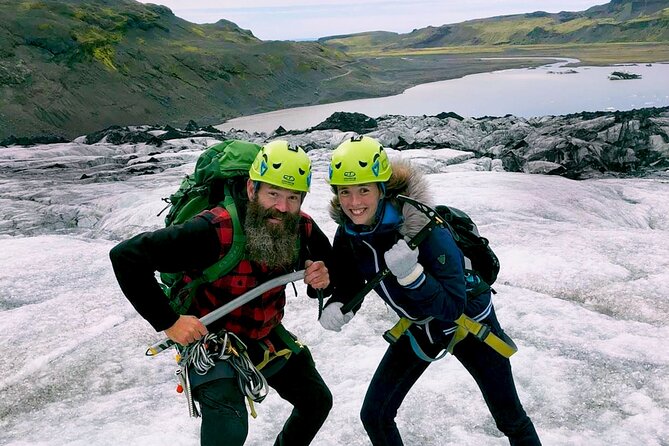
This tour starts at 8:00 AM, and pickup is offered in Reykjavik. You can also be picked up in Selfoss on the South Coast. Expect a 30-minute pickup window—pickup starts at 8:00, but the van may not arrive until later within that window.
It runs about 11 hours, so you’ll want to dress for the full range of Iceland conditions in one day: bus comfort, waterfall mist, and glacier wind. The good news is that the glacier portion includes all equipment needed, and the vehicle is air-conditioned with WiFi on board. You’ll still want to bring your own layers and rain protection, because the places you visit are wet by nature.
Packing tip that actually matters: bring a waterproof layer you trust. Seljalandsfoss can soak you fast if you get close to the falls, and Reynisfjara is the kind of beach where strong wind can make you feel like you’re walking into a hair dryer. A guide can keep the group organized, but they can’t control the weather.
Also, dinner isn’t included. For an 11-hour day, plan on snacks and something for later so you don’t end up eating only whatever you can grab quickly near the route.
You can also read our reviews of more tours and experiences in Reykjavik.
Stop 1 Seljalandsfoss: Walking Behind the Water (Bring Waterproofs)
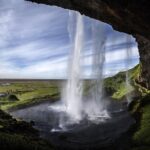
Seljalandsfoss is a classic for a reason: it’s one of those waterfalls where you can get a perspective most people never see. The special twist here is that most of the year you can walk behind the cascading water. That means you’ll be in the mist, close to the force, and surrounded by wet rock.
You get about 30 minutes at this stop, and admission is included. That short timing works because it’s a simple layout: you’ll spend your time walking the path, making photos from different angles, then returning to the group. The downside is that when it’s windy and wet, you’ll want steady footing and time to move carefully.
What to do to maximize your visit:
- Wear shoes with grip and keep your pace calm near wet surfaces.
- Bring a waterproof outer layer and plan to get splashed.
- If you want extra variety, you’ll likely find trails nearby that lead to additional viewpoints of the waterfall area.
Practical reality check: even though you can walk behind it most of the year, weather and conditions can change how comfortable that feels. If you’re uncomfortable with slippery mist or visibility, it’s worth choosing safer angles and still enjoying the falls.
Stop 2 Skógafoss: The 65-Meter Drop and the Gold Legend
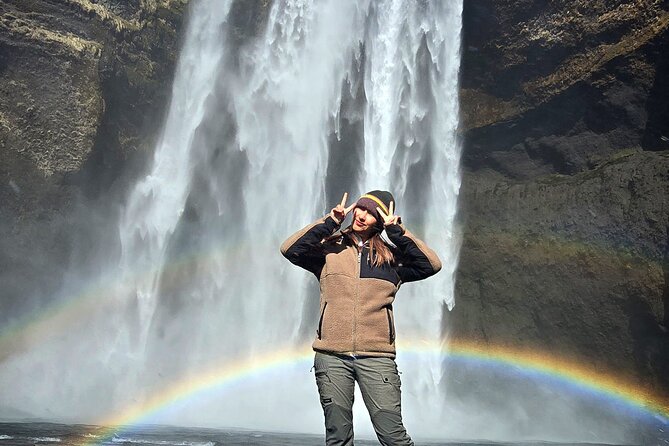
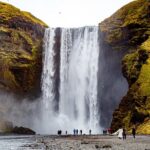
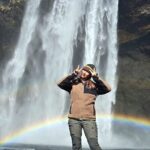
Skógafoss is the kind of waterfall that makes your brain go quiet—at first, anyway. It’s massive: 65 meters tall and about 25 meters wide, so it hits with a constant roar and a wide spray pattern.
This stop is also about 30 minutes, and admission is free. There’s a well-known legend tied to Skógafoss: a chest of gold is said to be hidden behind the waterfall, but it takes real Viking-level effort to reach it. The legend isn’t why you’re here, but it gives the place that fun story energy that guides love to share.
Why the stop is worth your time:
- Skógafoss is a high-impact photo stop with real scale.
- The time window is long enough for a couple of different viewpoints.
- You’ll see why this is one of Iceland’s “must-do” waterfalls without committing to a huge hike.
What can be annoying: mist. If you’re not wearing waterproof layers, you’ll feel it. Even if you only get lightly sprayed, the wind can carry moisture into your clothes quickly. A waterproof jacket is the difference between enjoying the mist and thinking about what you’ll do when you get back into the bus.
Stop 3 Reynisfjara Black Sand Beach: Basalt Columns and Atlantic Power
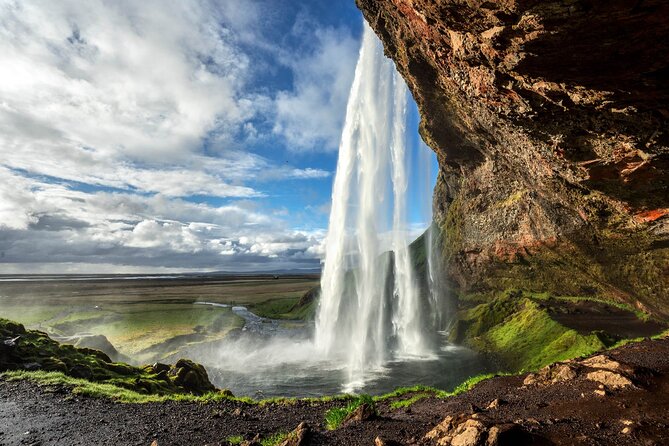
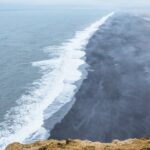
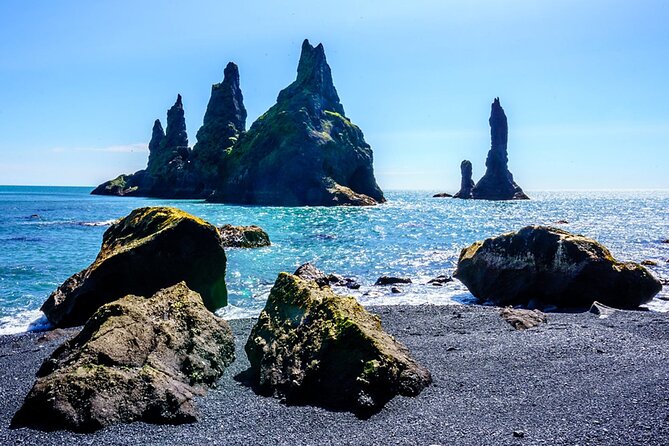
Reynisfjara is where your day gets dramatic. This is a black-sand beach with powerful waves from the Atlantic, plus volcanic rock features that look almost unreal.
You’ll have about 1 hour here, and admission is free. What you’re looking at includes:
- Basalt columns on the beach
- Ocean rock formations called Reynisdrangar that rise near the shore
Reynisfjara has been listed among top non-tropical beaches worldwide, but the best part isn’t a list—it’s the contrast. You’ve got jet-black sand under steel-gray skies, huge waves rolling in, and rock shapes that look engineered by someone with a wild imagination.
The key drawback to plan for: wind and wave intensity. One of the repeated themes from guide-led days is that the beach can be hard to enjoy if the wind is strong enough to knock your balance. If the group gets pushed by gusts, the goal becomes staying steady and staying safe while still giving you time to explore.
Simple beach prep:
- Wear shoes you trust on uneven ground and wet sand.
- Bring waterproof layers, because the spray can reach farther than you expect.
- Keep an eye on the guide. If they pull you back for safety, it’s not to ruin your photos—it’s to prevent accidents.
Stop 4 Sólheimajökull Glacier Walk: Gear, Crampons, and Surviving Wind
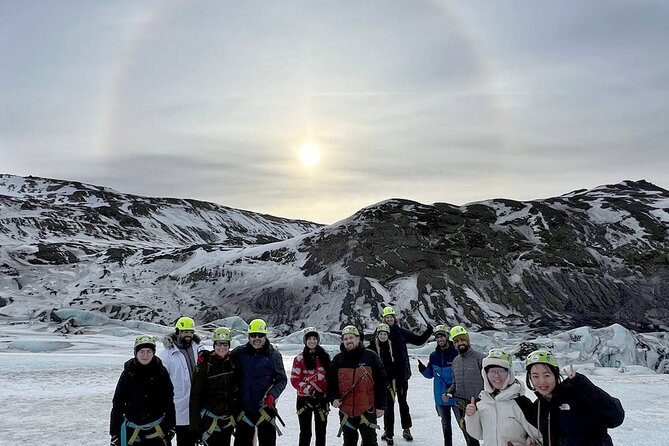
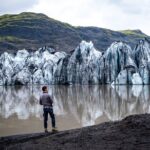
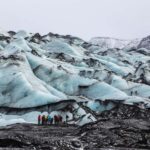
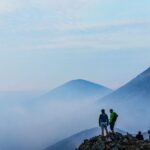
This is the heart of the day. Sólheimajökull is an outlet glacier of Mýrdalsjökull, which is described as Iceland’s 4th largest glacier. It’s also one of the more accessible glaciers on the South Coast from Reykjavík, about 158 km away.
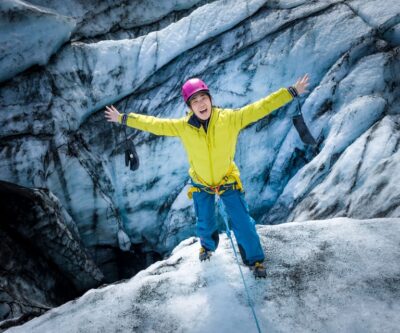
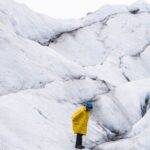
Your glacier time is about 3 hours, and it’s where you get the real “boots on ice” experience. The tour provides all equipment needed, and you’ll learn what you’re doing before you set off. In multiple experiences like this, the glacier walk includes crampons, and the guides also focus on how to move safely over ice.
What makes this part feel so real:
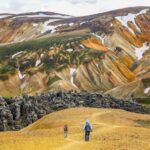
- The terrain is uneven in a way that’s different from normal hiking.
- Ice changes from step to step—cracks, textures, and color shifts are part of what you’re walking over.
- It’s not just walking for the sake of walking. You’re being taught how glaciers form and what you’re seeing.
Wind is the big wildcard. If it’s extremely windy, the glacier experience may be adjusted, shortened, or swapped to keep the group safe. That’s not a rare “maybe.” It’s something you should mentally plan for. One tour example noted a glacier hike couldn’t be completed due to wind, while the rest of the day still ran with the waterfalls and beach.
Also pay attention to fitness expectations. The glacier walk isn’t marketed as a sit-and-stare activity. It can be strenuous, with uneven terrain and elevation demands. If you have any mobility limits, think carefully about your ability to keep moving for the full time on ice. There’s another important rule that’s worth knowing: if someone can’t complete the hike, the guide can’t leave the person unsupervised on the glacier, and the group may need to turn around together.
If you’re unsure, ask questions before booking. This is one of those days where being honest upfront protects everyone’s experience.
What the Guide Brings: Safety, Storytelling, and Real Pacing
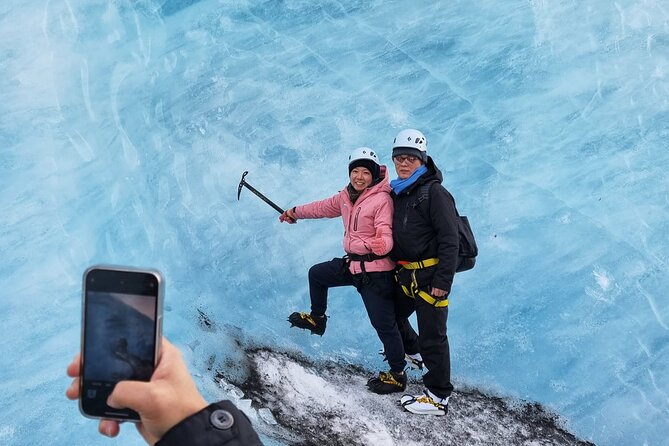
This is where the tour starts feeling like more than a checklist. The guides are repeatedly praised for keeping people safe and adjusting pace for different fitness levels.
A few guide names show up in strong reviews: Sara is often highlighted for clear glacier instruction and for making people feel safe. Tomasz (and Tomasz K) shows up as a common favorite for being organized, informative, and attentive to safety. Ignacio is praised for balancing humor and information while keeping the day comfortable. Einar is noted for turning each stop into a story of nature and local context. And yes, Al and Jökull also appear as standouts.
What you can expect from that kind of guiding style:
- A real safety briefing before you step onto the ice.
- Help with pacing so you’re not sprinting through a dangerous surface.
- Photo stops and viewpoints that make sense, not random pull-offs.
One small bonus that’s been mentioned: a guide may pull over if conditions allow for an unexpected sighting such as Northern Lights. This isn’t guaranteed, but it’s a reminder that good guides watch the moment, not just the schedule.
Price and Value: Why $198 Can Make Sense for This Much Daylight
At $198 per person, you’re paying for a full day out of Reykjavík that includes:
- Round-trip transportation and hotel pickup (with pickup in Selfoss also available)
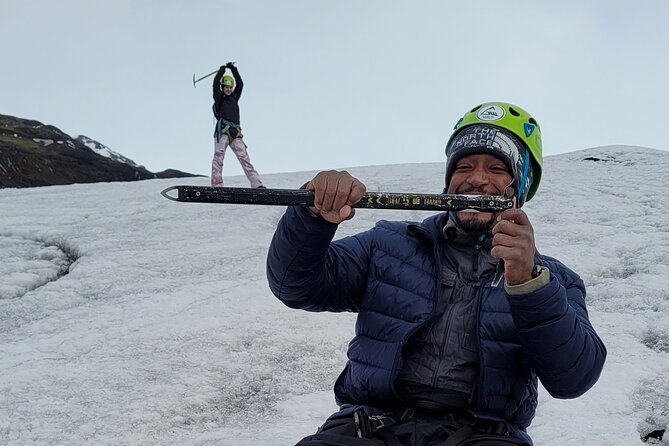
- All equipment for the glacier hike
- Guided walking on ice
- WiFi on board and an air-conditioned vehicle
- Entrance tickets listed as included at Seljalandsfoss, and the glacier stop comes with the guided hike setup
Dinner isn’t included, and your meals become your responsibility, which is normal on long Iceland tours. But compared to piecing this together yourself—bus, gear rental, and a guided glacier walk—this price can look reasonable if you don’t already have the time or connections to make it happen smoothly.
The best “value” part isn’t just the included gear. It’s the guidance. Glacier walking is one of those activities where you really want an experienced leader who’s focused on safety and group movement. Paying for that expertise is part of what you’re buying.
And because this is a small group (max 15), you’re more likely to get practical attention when conditions change—like wind at the beach or the glacier.
Who Should Book This Glacier Hike, Waterfalls, and Black Sand Day
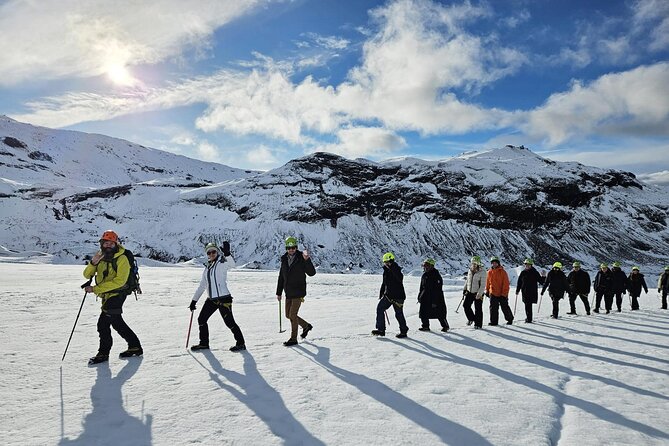
This tour is a strong fit if you want a lot of variety in one day: waterfalls, a black-sand beach, and a glacier walk. It’s also a good option if you don’t have a car, since pickup and transportation are built in.
It’s especially worth it for:
- People who enjoy active experiences more than museum-style sightseeing
- Anyone who wants to see major South Coast landmarks without planning a route
- Hikers with moderate fitness who can handle uneven ground and wind
You should think twice if:
- You have mobility issues or reduced ability to keep moving steadily on uneven terrain.
- You get easily overwhelmed by wind and mist.
- You’re counting on this to be an easy walk. The glacier portion can be challenging, and you may not be able to shorten it without affecting the group’s safety.
A useful mindset: treat the day as an adventure with guided safety, not as a relaxed sightseeing drive. When you show up prepared, it feels like one of the best ways to experience Iceland’s raw power in a single long day.
Should You Book? My Practical Take
Book this tour if you want a classic South Coast day with a real activity at the center: walking on Sólheimajökull with gear and coaching. The itinerary is tight enough to keep momentum, but it still gives you time at each major stop—Seljalandsfoss for the behind-the-water moment, Skógafoss for scale, Reynisfjara for geology and waves, and the glacier hike for the main event.
Skip or reconsider if you’re not confident about long hours, wind exposure, and uneven ground. This isn’t a “just sit by the window” day. It’s active, weather-sensitive, and guided with safety rules that protect the whole group.
FAQ
What time does the tour start, and is pickup included?
The tour starts at 8:00 AM. Pickup is offered, with a 30-minute pickup window (pickup starts at 8:00, but you may wait up to 30 minutes). Pickup is also available in Selfoss on the South Coast.
How long is the glacier hike on Sólheimajökull?
The glacier portion is about 3 hours. You’ll hike on the ice with equipment provided.
What’s included in the price, and is dinner included?
Included are all equipment needed for the glacier hike, WiFi on board, and an air-conditioned vehicle, plus transportation and the listed admissions (Seljalandsfoss ticket included; Skógafoss and Reynisfjara listed as free; glacier hike is part of the tour). Dinner is not included.
How many people are in the group?
The tour has a maximum of 15 travelers.
What should I wear for the waterfall and beach stops?
Bring appropriate waterproof layers and wear solid walking shoes. Seljalandsfoss and Reynisfjara can get very wet and windy, with spray and strong gusts.
Can I cancel for a full refund?
Yes. You can cancel up to 24 hours in advance of the experience for a full refund. The experience may also be rescheduled or refunded if canceled due to poor weather, and a minimum number of travelers is required.