REVIEW · SKAGWAY
Chilkoot Trail Hike, Float, and Summit Drive
Book on Viator →Operated by Alaska Mountain Guides Adventures, inc. Chilkat Guides Ltd · Bookable on Viator
Cooler air, old steps, big views. This 6-hour Skagway outing strings together a Chilkoot Trail hike, a relaxed Taiya River raft float, and a White Pass Summit drive with glacier scenery. I love how the day mixes real terrain (rainforest trail + raft + mountain overlooks) with guide storytelling about the Gold Rush era, so it feels like more than just a sightseeing loop.
My other favorite part is how well everything is handled in the moment: rubber boots, life jackets, trekking poles, and a safety briefing before you get on the water. One thing to consider: this experience expects a strong physical fitness level and includes a 3-hour hike, so it’s not the best fit if you want a totally easy day.
In This Review
- Key takeaways before you go
- A 3-in-1 Skagway adventure: trail, raft, and White Pass summit
- Price and what $255.53 buys you (and why it can be worth it)
- Getting there from your cruise: pier pickup and timing reality check
- Skagway warm-up stops: downtown stories, overlook photos, and the Dyea drive
- Chilkoot Trail hike: a moderate walk through rainforest and Gold Rush footsteps
- Taiya River raft float: calm water, fjord walls, and a snack on the bank
- Tongass National Forest and Denver Glacier: big views without the big crowds
- White Pass Summit drive: border trivia, the Welcome to Alaska sign, and hanging waterfalls vibes
- Guide factor: why the names you’ll remember matter
- What to pack and how to stay comfortable in all-weather Alaska
- Who this tour is best for (and who should skip it)
- Should you book this Chilkoot Trail hike, float, and summit drive?
- FAQ
- What time does the tour start in Skagway?
- How long is the full experience?
- Do I need a passport for this tour?
- Is the hike and raft float strenuous?
- What gear is provided?
- How big are the groups?
- Can I cancel for a full refund?
Key takeaways before you go
- 3-in-1 value: hike, raft, and summit drive in one half-day from Skagway
- Small group feel: up to 10 travelers, so it’s easier to get questions answered on trail and on the water
- Photo-heavy borders and glaciers: the Welcome to Alaska sign and Denver Glacier overlook both deliver
- Gear provided: rubber boots, PFDs, trekking poles, and ponchos if it rains
- Guide-driven history + nature: Gold Rush stories mixed with geology and wildlife spotting
- Snack and rest break: homemade cookies and a hot beverage after the raft ride
A 3-in-1 Skagway adventure: trail, raft, and White Pass summit
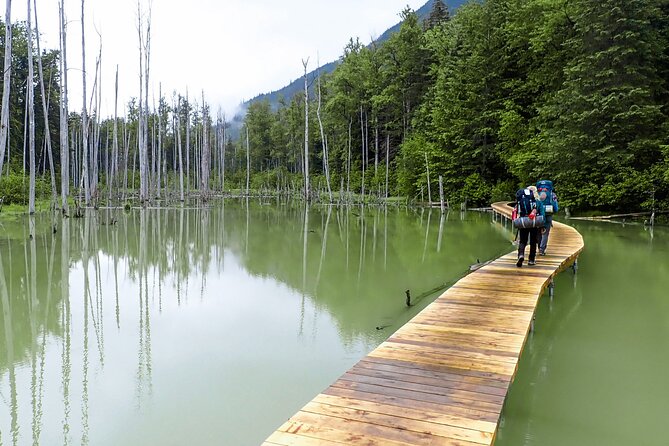
This is the kind of day I like when you’re in port and want more than one “main event.” You start with the historic Chilkoot route that stampeders once followed, then you switch gears to the calm scenery of the Taiya River by raft, and you cap it with big mountain views on the White Pass side near the Canadian border.
What makes it work is the pacing. The hike gives you the feeling of stepping into a quieter, older Alaska. The float is purposely not strenuous, so you get to look up—fjord walls, glaciers, and snow-capped peaks. Then the summit portion turns the day into a photo mission (in a good way) with multiple viewpoints.
You can also read our reviews of more tours and experiences in Skagway.
Price and what $255.53 buys you (and why it can be worth it)
At $255.53 per person for about 6 hours, you’re paying for a packed itinerary plus logistics that are otherwise annoying: guide staffing, equipment (boots, PFD, trekking poles), snacks, and round-trip transport from Skagway.
You also get a couple things that matter more than they sound:
- You don’t have to arrange separate tours for trail access, rafting, and summit viewpoints.
- You get a guide who connects the dots—Gold Rush history with what you’re actually seeing (rainforest plants, fjord geology, glacier views).
Is it pricey compared with a simple drive? Yes. But when you’re combining three experiences with gear and a professional guide, the cost starts to look more reasonable—especially because the tour caps at 10 travelers.
Getting there from your cruise: pier pickup and timing reality check
Your day starts at 12:15 pm, with pickup at the end of the pier where your ship is in port. The instructions are clear: arrive 15 minutes early to complete required paperwork.
This is important for cruise travelers because port delays happen. If your ship’s schedule is tight, build a little extra slack into how you move around town. Also, bring your passport—this tour requires a current valid passport on the day of travel, and you’ll be at points tied to the Alaska–Canada border area.
Skagway warm-up stops: downtown stories, overlook photos, and the Dyea drive
Before you hit the trail, you get the easy part: settling into Skagway’s vibe with a guide-led tour.
You’ll spend time exploring the historic Gold Rush town, including residential areas and small-town details. The guide-style questions are the fun kind—things like whether Skagway truly doesn’t have a doctor, where local children go to school, and how many people live there year-round. It’s the sort of commentary that makes a small place feel alive, not like a quick photo stop.
Next comes the Skagway Overlook. This is where you get a higher perspective of the town, the Skagway River as it meets the Pacific Ocean, and the Chilkat Mountains in the distance. If you like photos where the town looks like a postcard, this stop does the job.
Then you’ll drive along the coast toward Dyea Valley, an old Gold Rush settlement area that has “returned to nature.” On the drive to the float, keep your eyes open—your driver may point out wildlife like seals and eagles, plus share history and nature notes along the way.
Chilkoot Trail hike: a moderate walk through rainforest and Gold Rush footsteps
The main hiking block runs about 3 hours on the Chilkoot Trail. This is the centerpiece of the Gold Rush route to the Klondike—one of those locations where history isn’t behind glass. It’s right there in the path and the terrain.
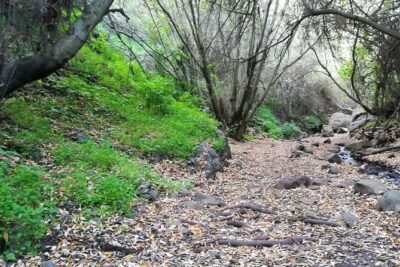
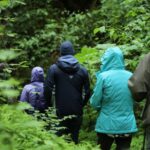
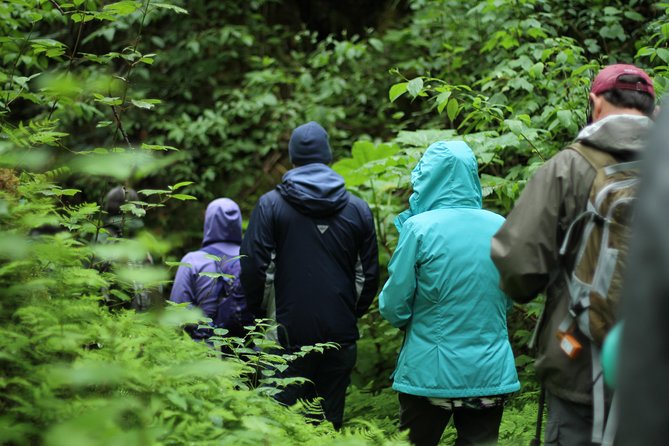
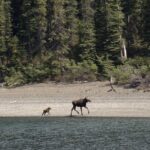
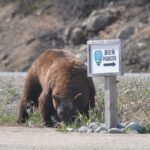
The setting is lush and bird-filled, with wildflowers and animals you might spot along the way. Your guide weaves together natural history and Klondike folklore about the stampeders who forged the route more than a century ago. It’s not just “walk and listen.” The goal is to connect what you’re seeing (plants, forest, movement of birds) to why people once came here in desperation.
How hard is it? The tour description frames the hiking fitness requirement as strong, and this fits a moderate-active day. You’ll be hiking for a few hours, so bring good hiking shoes and expect some uneven trail conditions. The trekking poles help a lot if your legs feel it on day one.



Taiya River raft float: calm water, fjord walls, and a snack on the bank
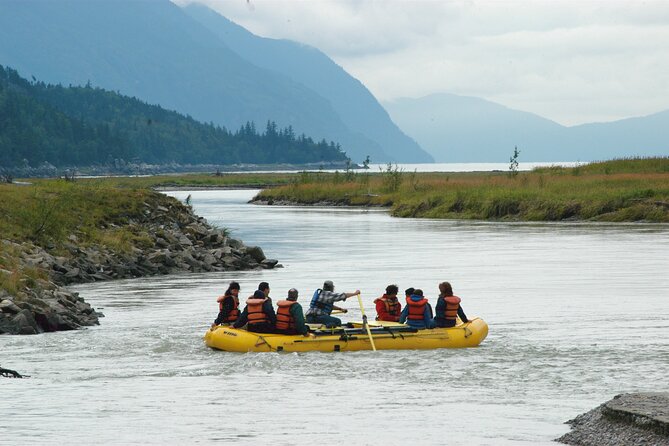
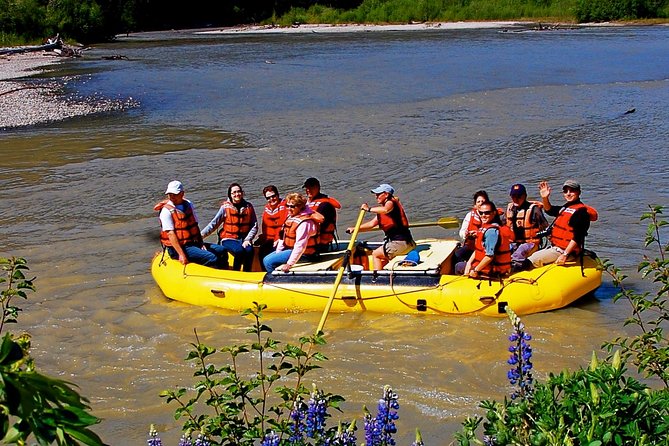
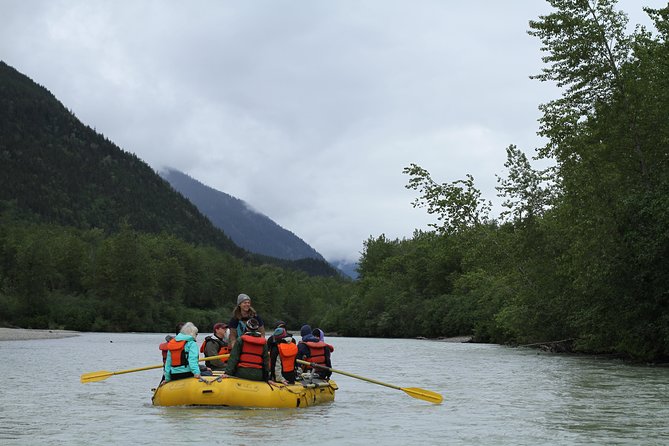
Once the hike ends at the Taiya River put-in, you get a safety briefing and gear: rubber boots, life jackets, and rain ponchos if needed. Then you’ll ride an 18-foot raft for about 45 minutes.
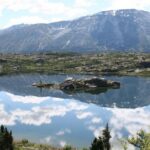
This float is designed to be relaxing, and the payoff is scenery. Your raft trip goes through a transition zone where the forest gives way to beach greens and wild fireweed. Up ahead, you get the granite walls of the fjords with steep rises to snow-capped peaks and hanging glaciers.
Two details I really like about this part of the day:
- You get the kind of views that are hard to recreate from shore.
- The guide’s narration ties geology + history + nature together, so it feels more meaningful than just drifting and filming.
At the end, you’ll stop for homemade cookies and a hot beverage right by the river. It’s a simple moment, but it makes the whole day feel like a real outing—not just nonstop movement.
Tongass National Forest and Denver Glacier: big views without the big crowds
After the float and snack, you head toward summit scenery inside the Tongass National Forest. The key promise here is fewer crowds. With only up to 10 travelers, you’re more likely to enjoy the overlooks at a comfortable pace.
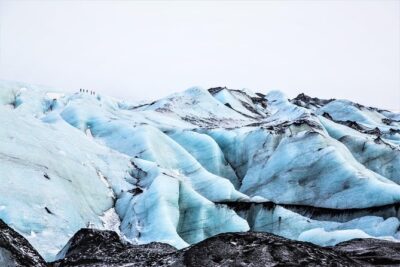
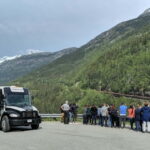
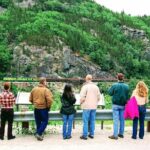
You’ll stop to see a hanging Denver Glacier. The view is framed by old growth forest, and you’ll also catch the White Pass & Yukon Route Railroad running in the foreground. Even if you’re not a rail fan, it adds a sense of how people and industry used to move through these valleys.
This portion is short on time but high on spectacle. If the weather clears even a bit, glacier light can look dramatic fast.
White Pass Summit drive: border trivia, the Welcome to Alaska sign, and hanging waterfalls vibes
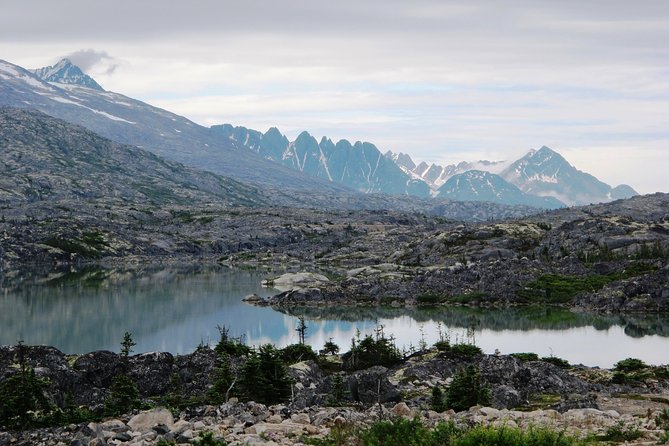
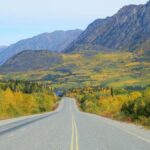
The final scenic section is the White Pass area near the Alaska–Canada border. You’ll drive through glacially carved valleys and peaks, with a good chance of seeing rushing water near the International Falls area that marks the border.
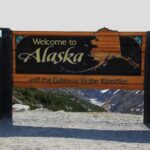
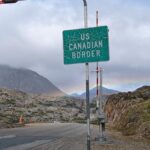
Then you’ll stop for photos at the famous Welcome to Alaska sign at the Canadian border. It’s brief, but it’s an easy win for anyone who likes a clear “I was here” shot.
After that, you head back down to Skagway. The summit portion itself is about 20 minutes, so don’t expect a long wandering stop. Think quick views, quick photos, and back in the van.
Guide factor: why the names you’ll remember matter
A good guide can turn a decent itinerary into a memorable one. The day has a guide for both the hike and the raft experience, and the storytelling seems to land.
In particular, I’ve seen strong emphasis on specific guides. People highlight guides like Kat, Kay, Jack, plus Becca and Quetzal. What comes through in how they lead is a mix of humor, safety confidence (especially on the raft), and history that stays tied to what you’re seeing right now.
If you can request a guide, asking for Kat is a smart move based on how consistently that name comes up with rave-level enthusiasm for both knowledge and overall vibe.
What to pack and how to stay comfortable in all-weather Alaska
This tour runs in all weather conditions, so your clothing matters. The good news is you’ll get rain ponchos if needed, plus rubber boots and a PFD, so you’re not starting from zero.
Still, I recommend showing up with:
- Layers you can handle in changing temperatures
- Good grip footwear (even with boots provided, comfort matters on trail)
- A way to keep your phone protected for glacier and raft photos
Bring your passport in a place you can grab quickly. And if you’re the type who gets chilled easily on the water, plan for that even when the land portion feels warm.
Who this tour is best for (and who should skip it)
This is ideal for you if you want:
- A real taste of Gold Rush history without a museum day
- A hike plus a raft float, with frequent scenic viewpoints
- A small-group day that feels guided and organized, not chaotic
It might not be the best fit if you:
- Want a fully easy pace (the hike is 3 hours and expects strong physical fitness)
- Don’t have a current passport (this is required)
- Get frustrated with quick photo stops and short driving segments (the summit portion is brief)
Should you book this Chilkoot Trail hike, float, and summit drive?
If you’re in Skagway for one day and you want a mix of history, wilderness, water views, and glacier scenery, I’d book it. This tour’s strength is how it balances active time (the Chilkoot hike) with restful time (the raft) and then ends with sky-scraping views (White Pass and Denver Glacier).
One practical reason to lean yes: you’re capped at 10 travelers, so the experience doesn’t feel like a cattle-call. And you’re getting a guide-led story thread through the entire day, plus cookies and hot drinks to reset after the float.
If your schedule is tight, aim to arrive early at the pier and keep your passport handy. Do that, and you’ll set yourself up for the kind of half-day that feels like a full-day win.
FAQ
What time does the tour start in Skagway?
The tour starts at 12:15 pm. You should arrive 15 minutes early at the end of the pier where your ship is in port to complete required paperwork.
How long is the full experience?
The duration is about 6 hours.
Do I need a passport for this tour?
Yes. A current valid passport is required on the day of travel.
Is the hike and raft float strenuous?
You should have a strong physical fitness level because it includes a 3-hour hike. The raft float itself is described as a calm, scenic experience and is not strenuous.
What gear is provided?
The tour includes rubber boots, a PFD (life jacket), trekking poles, and rain ponchos if needed, plus beverages and snacks.
How big are the groups?
The tour has a maximum of 10 travelers, and it requires a minimum of 4 people to operate.
Can I cancel for a full refund?
Yes. You can cancel up to 24 hours in advance for a full refund. If you cancel less than 24 hours before the start time, the amount paid is not refunded.