REVIEW · SKAGWAY
Skagway City Tour and White Pass Summit Adventure
Book on Viator →Operated by Wow A Tour · Bookable on Viator
White Pass in one smooth minivan run. I like how this half-day tour mixes Klondike-era Skagway history with big White Pass summit scenery in limited time. You get guided stops, photo breaks, and enough time up high to make the views feel earned.
One thing you can’t skip: passports are required, since the route reaches into British Columbia. And based on what I’ve seen from past booking problems, I’d also double-check your meeting details and contact info before cruise-day rolls in.
In This Review
- Key Points to Know Before You Go
- From the Cruise Terminal to White Pass: How the Minivan Day Flows
- Skagway’s Historic District: Stories You’ll Actually Remember
- Pitchfork Falls and Bridal Veil Falls: Two Waterfalls, One Big Reason to Care
- Up the Klondike Highway: Where the White Pass Trail Parallels the Road
- The Summit Moment and the Descent Into Tormented Valley
- Krummholz Trees: The Weird Little Detail That Makes the Valley Real
- Photo Stops and Timing: How to Get Great Shots Without Missing the Guide
- Small Group Energy: Why the 32-Person Limit Helps
- Who This Tour Is Perfect For (and Who Should Consider Alternatives)
- Should You Book the Skagway City and White Pass Summit Adventure?
- FAQ
- How long is the Skagway City Tour and White Pass Summit Adventure?
- Does the tour offer pickup?
- What language is the tour provided in?
- How many travelers are on the tour?
- Is a passport required?
- Where does the tour start and end?
- What is included in the tour price?
- Are food and drinks included?
- Is there free cancellation?
- Can the tour be canceled due to low enrollment?
Key Points to Know Before You Go
- Historic District storytelling tied directly to the Klondike Gold Rush years (1897–99)
- Pitchfork Falls and Bridal Veil Falls stops, with photo time built in
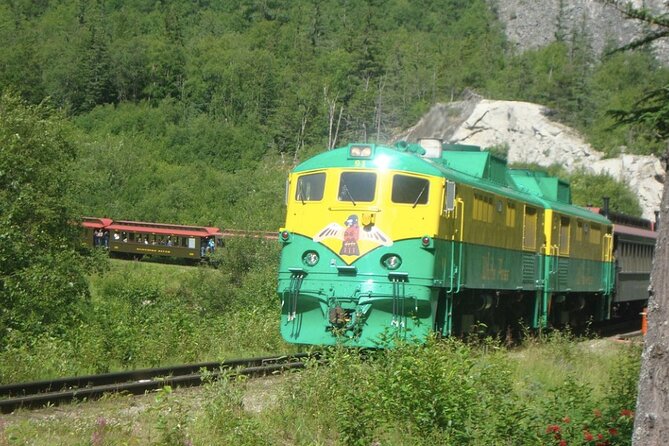
- White Pass Trail parallels along the Klondike Highway, plus a peak at 3,292 feet
- A scenic ride through a glacier-carved valley with glaciers and waterfalls in view
- A stop in Canada’s Tormented Valley, with Krummholz trees (often chest-high)
- Small group size with a maximum of 32 travelers
From the Cruise Terminal to White Pass: How the Minivan Day Flows
This is a true half-day outing, roughly 2 hours 30 minutes, run as a minivan tour with a maximum of 32 people. You start at the Skagway Cruise Terminal, and the day ends back at the same meeting point. That matters in cruise ports, because you’re not trying to figure out transit after a long scenic drive—you’re already pointed back home.
I like that pickup is offered. It reduces the “where do I stand?” stress right after you get off the ship. The tour also runs in English, so you won’t be fighting for details.
The schedule is built around viewpoints more than long walks. You’ll get a mix of guided stops and photo moments, then a scenic drive up the Klondike Highway and back down. If you want the highlights without committing to a full hiking day, this format usually fits.
One practical note: the tour does not include food and drink. If your cruise timing is early, plan for a snack before you board so you aren’t deciding between hunger and photos.
You can also read our reviews of more tours and experiences in Skagway.
Skagway’s Historic District: Stories You’ll Actually Remember
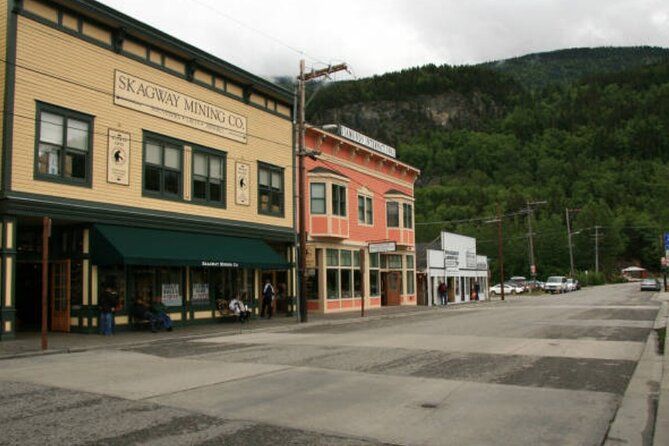
The day begins with a guided tour of Skagway’s Historic District. Skagway earned its legend during the Klondike Gold Rush (1897–99), when it was known for being one of the toughest places around—part frontier chaos, part hard-won survival.
What I like about starting here is how it tunes your eyes for everything you see later. When you learn the “why” first, the roads, trails, and pass scenery stop feeling like generic mountains and start feeling like a route people fought to cross.
In the best cases, guides really bring the place to life. Some past guests have specifically praised guides like Rebecca, Dennis, Eric, and Luis for connecting the drive to the history—so you’re not just collecting photos, you’re getting the story behind them.
A small caution: because the whole tour is timed, you won’t have hours to wander independently. This is a guided “get it done well” kind of day. If you’re the type who loves slow strolling and stopping whenever you want, you may feel slightly rushed—though photo stops do help.
Pitchfork Falls and Bridal Veil Falls: Two Waterfalls, One Big Reason to Care
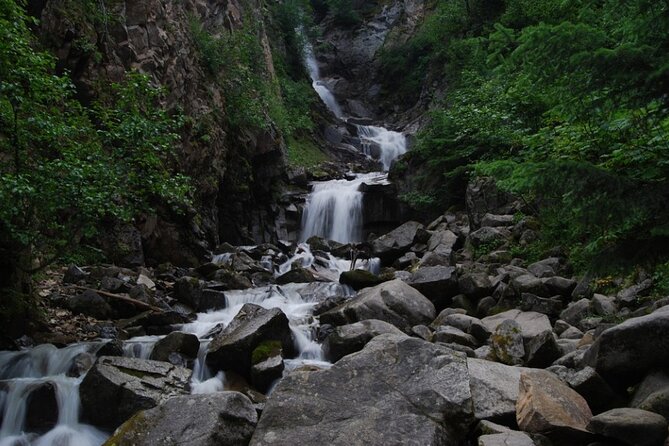
After the Historic District, the tour heads to the waterfall stops. You’ll have time to see Pitchfork Falls and Bridal Veil Falls. Water in a place like this isn’t just pretty—it’s a clue. Waterfall flow often points to snowmelt and the steep terrain that shaped the Klondike-era route.
Bridal Veil Falls is especially interesting because it’s the trailhead for the Valdez Goat Trail. That trail is part of the Trans Alaska Military Packtrain Trail, created during the Gold Rush. In other words: you’re standing at a modern stopping point that connects to an older supply and travel network.
The upside for you: the waterfalls are a great chance to reset. The morning history gives context, and then the falls give your eyes something visual and immediate. The photo stops help too—you won’t have to guess the best angles or scramble for a quick picture while the group keeps moving.
The trade-off: these are stop-and-see moments, not long hikes. If you want a deep hike through multiple trails, this won’t replace a dedicated waterfall walk. But if you want dramatic scenery without a fitness test, it hits a sweet spot.
Up the Klondike Highway: Where the White Pass Trail Parallels the Road
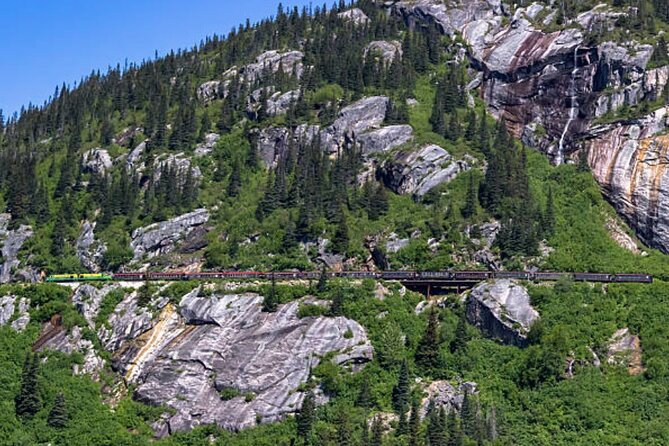
From the waterfall area, the route climbs via the Klondike Highway. For most of the tour, you’ll travel parallel to the historic White Pass Trail. That detail matters, because it links modern travel to the old challenge: the terrain was the problem back then, and it’s still the problem today.
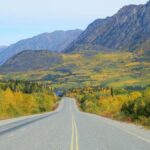
The drive reaches a summit peak of 3,292 feet. That’s not just a number—it’s why the scenery opens up. As you gain elevation, you can usually pick out glacier-carved valleys, waterfall lines, and distant mountain shapes that you won’t see from lower elevations.
You’ll also be looking at the effects of glacial history. The valley you pass through has a glacier-carved feel—steep slopes, strong layers of rock, and drainage channels that funnel meltwater into waterfalls. It’s the kind of scenery that makes you understand why the Klondike route was so hard in the first place.
Some photos will look “postcard perfect” from the road. Still, I recommend you pay attention during the drive: the guide’s job isn’t only to narrate facts. It’s to point out what to look for so your camera captures more than foggy mountain shapes.
If you care about maximizing views, the key is simple: be ready for photo moments. When your guide calls it, get your gear out quickly and don’t waste time changing lenses. You’re on a moving route, so momentum is everything.
The Summit Moment and the Descent Into Tormented Valley
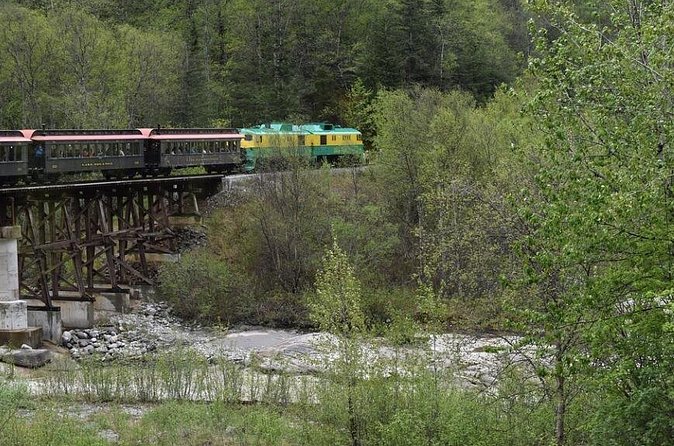
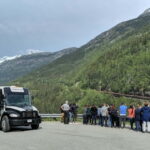
When you arrive near the summit—at 3,292 feet—you get the “top of the pass” feeling: colder air, bigger sightlines, and a wide view of the valley below. This is where the effort of the drive becomes worth it, because you can see how the route threads through the terrain.
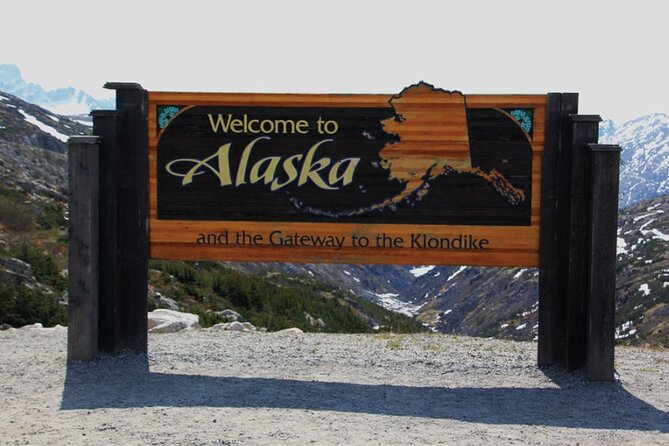
Then you descend through to the Tormented Valley in British Columbia, Canada. Yes, this part of the experience changes countries—so remember that passport requirement isn’t optional. It’s built into the route.
Tormented Valley is described as an eco-tone, where two ecosystems transition into each other. Translation: you might notice different tree types and growth patterns over a short distance. That shift can feel subtle at first, but once you’re looking for it, you can spot the “before and after” quality in the vegetation.
This is also an area linked with classic writers Robert Service and Jack London. Even if you’re not a literature person, it helps to know that this place has been seen as dramatic enough to inspire art and storytelling for a long time.
The value for you: this is one of the few times in a cruise stop when the tour gives you more than a view. It gives you an explanation for why the view looks the way it does.



Krummholz Trees: The Weird Little Detail That Makes the Valley Real
One stop in Tormented Valley includes visiting 300 to 400-year-old trees known as Krummholz. The name isn’t just for trivia—Krummholz trees are shaped by harsh conditions. They’re often no taller than chest-high, with a gnarled, low-to-the-ground look.
If you’ve ever seen “storm-bent” vegetation and wondered how it got that way, this is your answer. These trees don’t grow tall like you’d expect in milder climates. Instead, their form reflects wind, weather exposure, and long-term stress.
This part of the tour is a great counterbalance to all the sweeping views. The summit is about distance. Tormented Valley is about detail. You’ll get to slow down just enough to notice how survival looks in plant form.
And because the day is short, it’s a smart use of time. You’re not traveling all day just to end up with only a couple of viewpoints. You get both: big scenery and a grounded, specific stop that makes the place feel tangible.
Photo Stops and Timing: How to Get Great Shots Without Missing the Guide
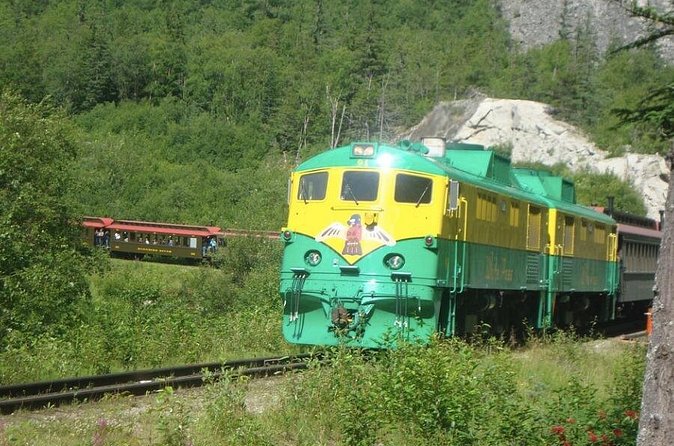
The tour includes photo stops, and that can be the difference between “we saw things” and “we got the good ones.” The most important thing I can tell you is to travel light on purpose. Bring only what you need for quick switching and quick shots.
A few practical tips for this style of tour:
- Keep your camera or phone accessible so you can react fast at pullouts.
- If you wear layers, plan them like a winter-to-summer swap. Summit areas can feel noticeably cooler.
- Listen when the guide points out what to look for. The best angles often come from knowing the direction of the valley or where meltwater drops.
Also, because the group can be up to 32 people, you’ll want to be ready before your stop starts. When everyone is moving at once, the “extra minute” to reorganize gear can cost you the cleanest viewpoint.
In short: follow the pace, but don’t be passive. Be active with your photos and let the guide steer your attention.
Small Group Energy: Why the 32-Person Limit Helps
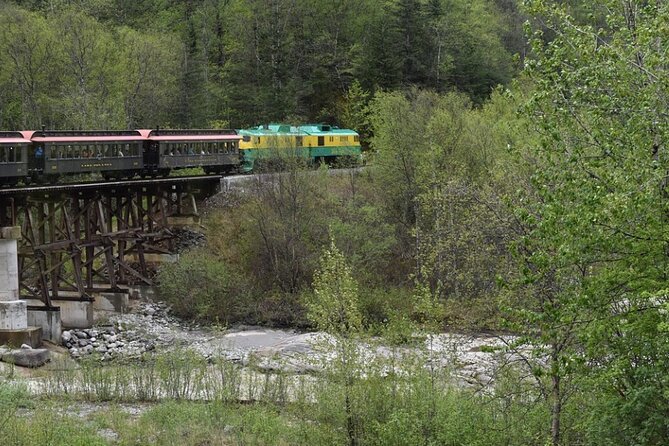
A max group size of 32 is a meaningful detail. In a place like this, it reduces the chance you’ll feel like a number. You’ll still be in a group, but you should get enough chance for questions and enough time at stops to enjoy the scenery.
And several positive comments emphasize guides who were friendly and strong with history plus the ability to talk with people during the ride. For example, the day can feel extra fun when your driver leans into the stories, like the praise given to Dennis, Eric, and Luis in particular.
There’s another hidden benefit: smaller groups usually move more smoothly in cruise ports. When everyone is aligned on where to meet and when to board, the day stays on track.
Still, your comfort will depend on how your day starts. If the port runs late, that impacts everything. Cruise timing is a real variable, so keep your expectations flexible.
Who This Tour Is Perfect For (and Who Should Consider Alternatives)
This tour is a strong fit if you want:
- A half-day way to see Skagway’s Historic District and the White Pass area
- Scenic viewpoints and photo breaks without long hikes
- A mix of history and natural features—falls, glacier-carved valleys, and Tormented Valley ecology
It’s also great for travelers who don’t want to guess their way around. The fully guided format reduces stress, especially when you’re on a tight cruise schedule.
You might want to consider other options if:
- You dislike minivan-group pacing and prefer long, independent time in each spot
- You require more frequent restroom stops or extended breaks (the tour is time-boxed)
- You’re traveling without a valid passport, because this route requires one
Should You Book the Skagway City and White Pass Summit Adventure?
I’d book this if you’re chasing the classic combo: Klondike-era context plus mountain-and-water views up high, all in one efficient day. The inclusion of photo stops, the sweep of the route up to a 3,292-foot summit, and the standout Tormented Valley detail with Krummholz trees make it feel more complete than a drive-by sightseeing day.
But book smart. Because passports are required, make sure yours is valid and ready before cruise day. And because there have been past booking hiccups tied to outside voucher/confirmation systems, I’d do two things before you go: confirm your exact meeting point details for your specific departure, and keep a way to contact the operator that works locally—not just an email you might only read later.
If you can handle that checklist, this is a very good way to spend a Skagway day—one that gives you history on the front end and scenery that actually follows through to the top.
FAQ
How long is the Skagway City Tour and White Pass Summit Adventure?
It’s about 2 hours 30 minutes.
Does the tour offer pickup?
Yes, pickup is offered.
What language is the tour provided in?
The tour is offered in English.
How many travelers are on the tour?
The tour has a maximum of 32 travelers.
Is a passport required?
Yes, passports are required for this tour.
Where does the tour start and end?
It starts at the Skagway Cruise Terminal and ends back at the same meeting point.
What is included in the tour price?
You get a fully guided tour, photo stops, and a half-day minivan tour.
Are food and drinks included?
No, food and drink are not included.
Is there free cancellation?
Yes. You can cancel for a full refund up to 24 hours before the experience’s start time.
Can the tour be canceled due to low enrollment?
Yes. If a minimum number of travelers isn’t met, the experience may be canceled and you’ll be offered a different date/experience or a full refund.