REVIEW · LIECHTENSTEIN
Llama hike through the wonderful Liechtenstein mountains
Book on Viator →Operated by Lama- & Alpakahof Triesenberg · Bookable on Viator
Llamas on the trail in Liechtenstein is a treat. This 1h45 hike pairs friendly llamas and alpacas with mountain air, green meadows, and quiet forest paths. I especially love the animal side of it, because you don’t just watch from afar—you walk with llamas and alpacas right alongside you, and you get real guidance on how to handle them.
I also like that the views come as part of the walk, not a separate bus stop or staged viewpoint. You’ll work up to (or at least slowly tackle) a little elevation as you go. One possible drawback: there’s an uphill portion, and if the weather turns wet, llamas can get a bit nervous, so it helps to wear grippy shoes and stay calm.
In This Review
- Key highlights you’ll care about
- A llama hike that feels made for Liechtenstein
- From the farm meeting point to back again
- Getting matched with your llama (and what the guide teaches)
- Stop 1: Pfarrkirche St. Josef and the calm start
- Stop 2: Triesenberg trails where the mountains show up
- Rain, nervous llamas, and how to keep the mood right
- Group size, pacing, and why it feels personal
- Price and value: what $73 buys you in real time
- What to wear and bring for a smooth hike
- Who this is best for
- Quick decision: should you book this llama hike?
- FAQ
- FAQ
- How long is the llama hike experience?
- Where does the tour start and end?
- Is the tour offered in English?
- What do you get included in the price?
- Are bottled water and snacks included?
- How big is the group?
- Do I need good weather for this to run?
- What’s the cancellation rule?
Key highlights you’ll care about
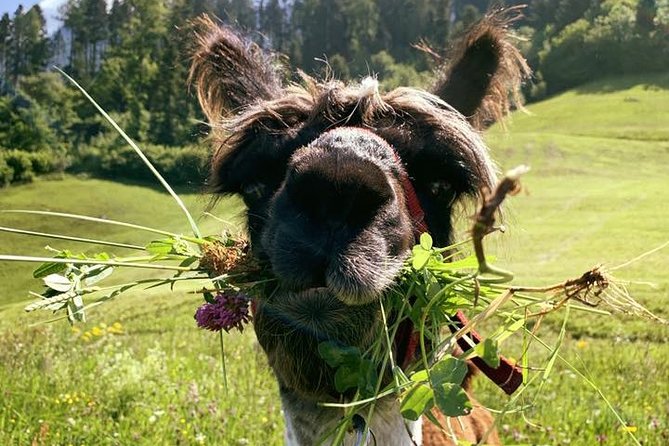
- Your own llama on the hike, and kids go with an adult
- Small group size with a maximum of 14 travelers
- English guide who knows these animals well (Anna-Lena and Marc are mentioned, and Mark hosts in practice)
- Two scenic stops along the way, including Pfarrkirche St. Josef
- Fresh-air trails through meadows and quiet forests, with chances to enjoy mountain views
- Mobile ticket plus a meeting point close to public transportation
A llama hike that feels made for Liechtenstein
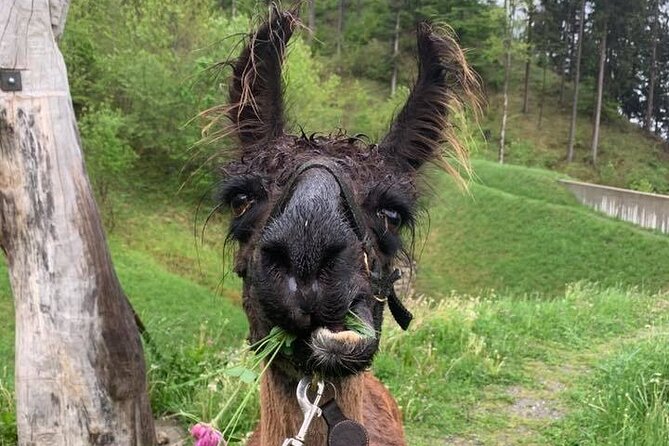
Liechtenstein is small, tidy, and scenic in a way that makes day trips feel easy. This experience fits that vibe perfectly. In under two hours, you get nature time, animal time, and a local guide who keeps things practical so the walk stays relaxing.
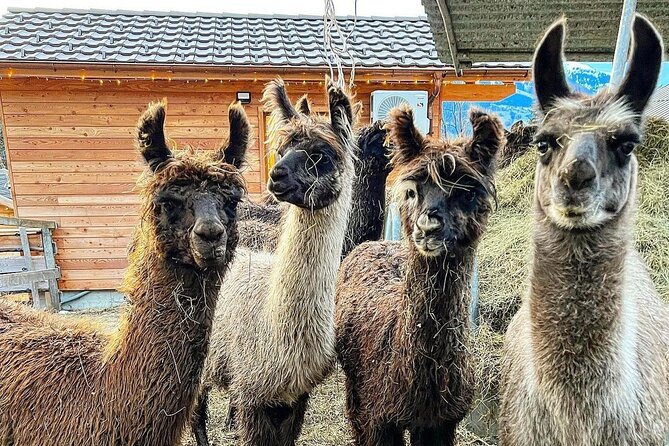
The heart of the outing is the herd itself. Llamas and alpacas are naturally curious, and they tend to stay engaged as you move. That means the hike doesn’t feel like a chore with a side attraction. It’s more like you’re joining their rhythm across the hills.
If you’re traveling with kids, this is also a smart way to keep attention focused without turning the day into a long slog. The pace is slow on purpose, because you’re learning how to walk together.
From the farm meeting point to back again
Your tour starts and ends at Lama- & Alpakahof Triesenberg, at Chalberrütistrasse 70, 9497 Triesenberg. The experience is designed as a loop back to the same spot, which is convenient if you’re planning the rest of your day around it.
The duration is about 1 hour 45 minutes. That’s long enough to feel like you left the pavement behind, but short enough that most people can handle it, especially with a slow pace and a guide keeping things moving.
It helps that the meeting point is near public transportation. If you’re not renting a car, you still have an easy path to the start. You’ll also receive a confirmation at booking time, and you’ll use a mobile ticket.
One more practical note: skip relying too hard on Google Maps for the exact approach. There’s a warning that it may try to route you up a dirt road when there’s an easier way in.
Getting matched with your llama (and what the guide teaches)
The big promise here is that you don’t just walk near llamas. You get your own llama for the hike. That matters for two reasons. First, it turns the experience into a hands-on moment. Second, it forces you to learn the basic routines that keep everyone calm.
A good guide makes that part painless. You’ll hear from knowledgeable hosts connected to the farm—Anna-Lena and Marc are named as familiar with their llamas and alpacas—and in day-to-day practice, Mark is the host many people remember. The common thread is patience. The guide explains how to handle the animal safely and how to move as a pair.
The llamas also have personalities, and the guide makes matches across different ages. In real examples, people have walked with llamas such as Pius, Baloo, Dmitri, or Louie. You shouldn’t expect the same names, but you can expect the same idea: the guide pairs you thoughtfully so the hike stays comfortable and fun.
This is where the tour becomes more than cute photos. When you learn how to work with an animal calmly, the whole hike feels steadier. It’s also a great reminder that the “magic” is partly skill and partly respect for the animal’s comfort.
Stop 1: Pfarrkirche St. Josef and the calm start
The itinerary includes a stop at Pfarrkirche St. Josef. Even without turning it into a long religious stop, it gives the walk a nice rhythm. You’re not just moving from start to finish—you’re pausing long enough to reset your attention and take in the area.
For many people, this kind of first stop is helpful because it sets the tone. Early on, you’re still getting used to walking with your llama, so a calmer moment helps you settle in.
Think of Pfarrkirche St. Josef as a breather point built into the outing. You get a chance to look around, orient yourself, and enjoy that “we’re really out in the countryside” feeling before the trail moves more into meadows and forest sections.
Stop 2: Triesenberg trails where the mountains show up
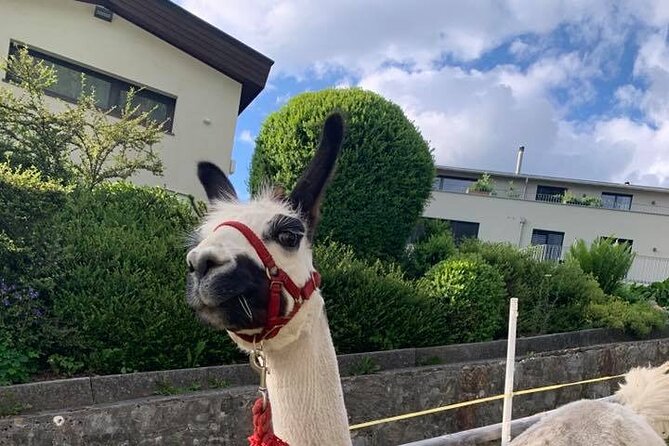
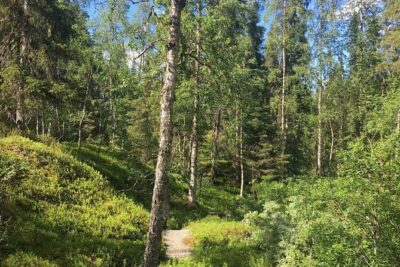
After that first point, the hike moves through the Triesenberg area. This is the nature portion that people remember most: green meadows, quiet forest paths, and views that make Liechtenstein’s Alps feel close.
Llamas tend to like this kind of walking. They’re described as curious and spirited, and they often move with confidence through open spaces and along quieter routes. That’s a big reason the hike works so well. Your animal companion isn’t just “equipment.” It’s an actual hiking partner.
One thing to expect: this isn’t a flat stroll. There’s a portion that feels like a hike up. Reviews flag that clearly. The good news is that it’s not set up like a speed hike. The pace is slow, and you can go one step at a time with the group and guide.
If you’re bringing kids, this helps. A steep segment can be managed when everyone is walking slowly and the guide is keeping things under control. The hike becomes more about steady movement than fitness goals.
Rain, nervous llamas, and how to keep the mood right
Weather matters for this tour. It requires good weather, and there’s a clear plan if the experience is canceled due to poor weather: you’ll be offered a different date or a full refund.
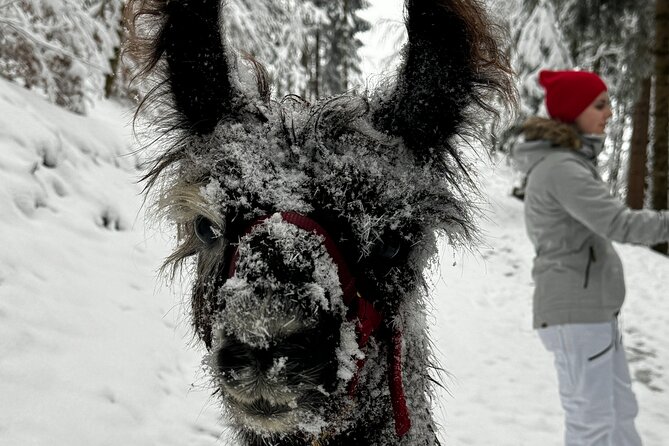
That said, you might still be in changeable mountain weather. One example describes rain during the hike, and the llamas did get a bit nervous. The experience still stayed wonderful, but it’s a reminder that animals respond to conditions.
So here’s the practical takeaway: pack for the conditions you might actually meet. Bring a light rain layer and wear shoes with grip. If it’s wet, plan on going even slower and giving the guide your full attention when adjustments are needed.
If your group stays calm, the llamas often do better too. The guide’s job is to help you read the animal and react in a way that keeps everyone relaxed.
Group size, pacing, and why it feels personal
This isn’t a huge tour. There’s a maximum of 14 travelers, which keeps the experience manageable. With that size, the guide can still pay attention to each llama-human pair and help people adjust quickly if an animal hesitates.
I like that because it avoids the “herded group” feeling that can happen on some popular activities. Instead, the pacing stays human-scale. You’ll have time to ask questions and get practical handling advice without feeling rushed.
It also means the hike stays interactive. You’re not just listening while other people do the animal interaction. You’re part of the walking partnership.
Price and value: what $73 buys you in real time
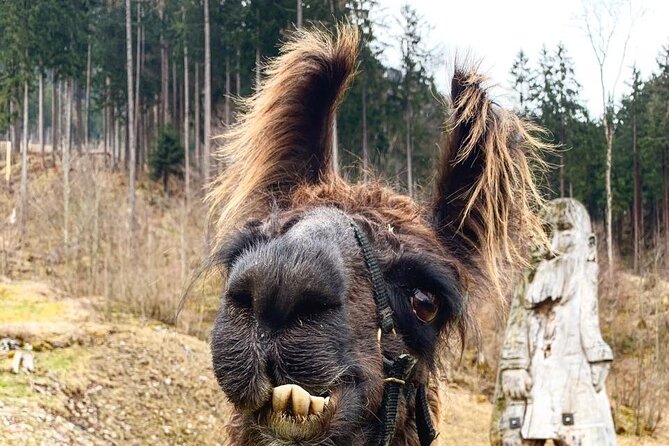
The price is $73.00 per person. For a short outing, you might wonder what’s included versus what you provide yourself.
Here’s the honest breakdown: you get the hike, a tour guide, and you walk with your own llama (with children joining together with an adult). That’s the core value. The animal partnership isn’t a gimmick; it’s the main service.
What you don’t get is bottled water or snacks. So factor in a small add-on budget. Bring your own water if you can, especially if you tend to drink a lot while walking. A simple snack can also help if you’re planning the rest of your day after the hike.
When you look at the format—guided, small group, animal care and pairing—it starts to make more sense. You’re paying for time with trained hosts and for the experience being set up safely for you to walk with an animal.
What to wear and bring for a smooth hike
This is a mountain walk, and it includes at least some uphill. Even if the pace stays gentle, you want shoes that don’t slide on forest paths.
I suggest you bring:
- Closed-toe, grippy shoes
- A light layer for cool mountain air
- A rain layer just in case
- Water (since it’s not included)
- A small snack if you’ll want one after
Also, give yourself a little extra margin on arrival. The meeting point is a farm setting, and you’ll likely get more out of the start if you’re not rushing.
Who this is best for
This is a great match for animal lovers, families, and people who want something different from a standard museum-and-viewpoint day.
If you’re traveling with kids, it’s especially promising. The tour is described as ideal for children, and the structure supports that by keeping the hike paired with an adult and focused on learning how to handle the llama.
If you’re a solo traveler or a couple, you’ll still have a good experience because the group stays small and the guide helps you connect with your animal rather than stand around.
If you’re fit and want a workout, you may feel it’s more relaxing than strenuous. If you’re looking for a quiet nature walk with an animal companion, that’s the exact sweet spot.
Quick decision: should you book this llama hike?
Book it if you want:
- A short, guided nature break in Liechtenstein
- A hands-on animal experience with a real guide
- A kid-friendly activity that isn’t boring
Maybe skip it if:
- You hate any uphill sections at all
- You’re only comfortable in dry-weather plans and don’t want to deal with weather changes
- You prefer experiences where food and drinks are included (here, you’ll need to bring or buy them)
FAQ
FAQ
How long is the llama hike experience?
It lasts about 1 hour 45 minutes.
Where does the tour start and end?
It starts at Lama- & Alpakahof Triesenberg (Chalberrütistrasse 70, 9497 Triesenberg) and ends back at the same meeting point.
Is the tour offered in English?
Yes, it’s offered in English.
What do you get included in the price?
You get your own llama for the hike (children together with an adult), the hike itself, and a tour guide.
Are bottled water and snacks included?
No. Bottled water and snacks are not included.
How big is the group?
The maximum group size is 14 travelers.
Do I need good weather for this to run?
Yes. The experience requires good weather. If it’s canceled due to poor weather, you’ll be offered a different date or a full refund.
What’s the cancellation rule?
You can cancel for free up to 24 hours in advance for a full refund. If you cancel less than 24 hours before the start time, the amount paid won’t be refunded.